

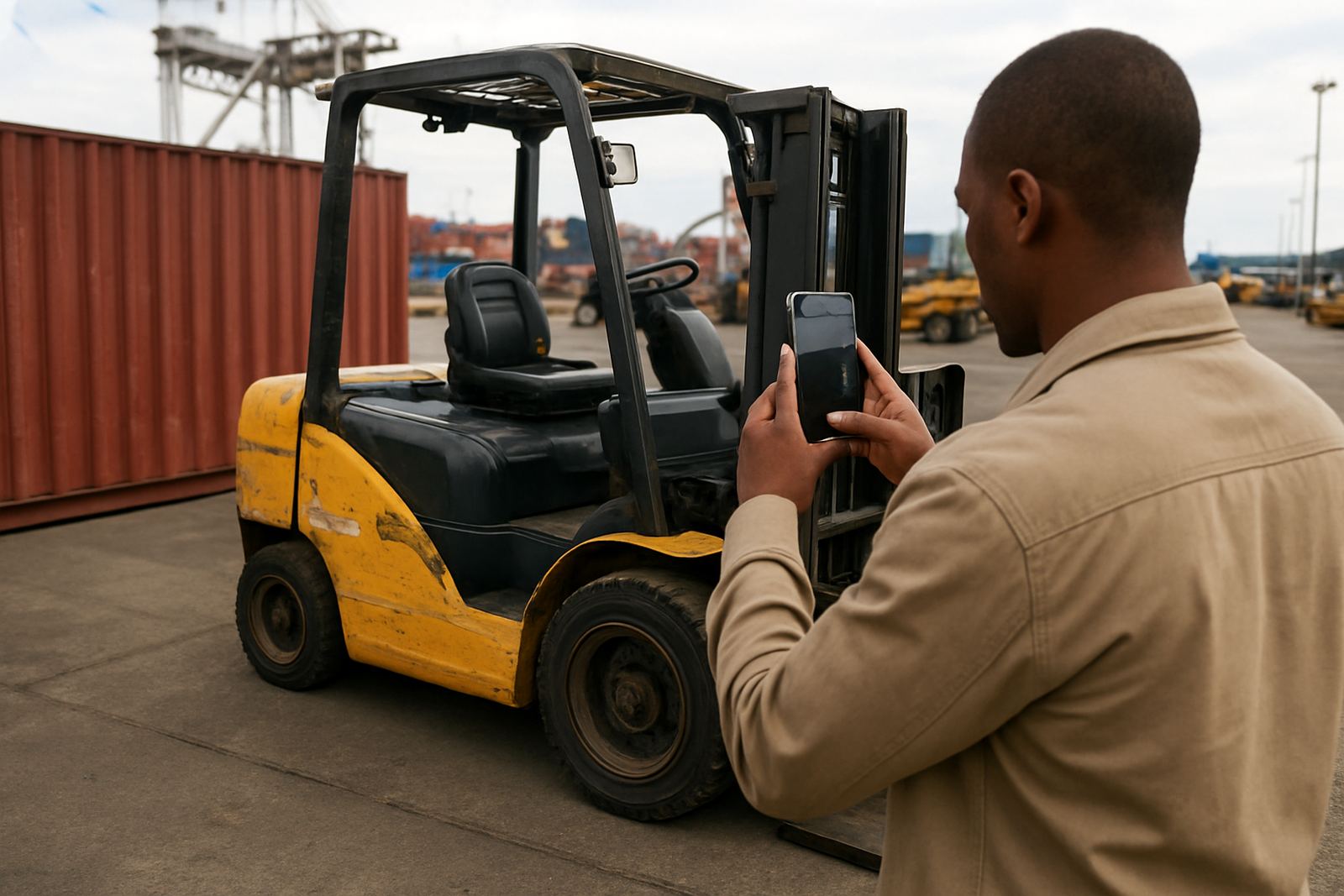
1. Stop and record the condition before anything is moved
If the load is still on the truck, in the yard, or at your site, pause and take stock before unpacking further. Once goods are moved, repacked, or used, it becomes harder to show where the damage happened. Take clear photos of the outside of the container, truck, pallet, crate, and every visible mark, dent, tear, stain, or wet patch. Include the seal number, container number, and the full delivery note if they are visible.
Write down the date, time, place, and who was present. If the cargo came through Durban harbour, Port Elizabeth, or another coastal point, moisture damage can happen quickly, especially on metal parts and electrical units. On inland routes through Johannesburg or Pretoria, rough handling and tie-down damage are more common. A few good records taken immediately can save weeks later.
- Photograph the load from wide angles and close-up
- Keep all packaging, straps, broken pallets, and torn wrap
- Note if the truck, crane, or site was wet, windy, or poorly lit
2. Separate transit damage from packing or loading issues
Not every problem is the same claim. Damage may come from port handling, road vibration, poor stowage, bad packing, condensation, or incorrect offloading at site. That is why a simple statement like “arrived damaged” is not enough. You need to show what was damaged, how it was packed, and where the risk likely changed hands. If the goods were collected from bonded storage, loaded at Umbilo, or moved from City Deep, keep each handover point in order.
For machinery and automotive equipment, the most useful detail is often the condition of brackets, fittings, hoses, electrical panels, and moving parts. If a crate shows impact on one side only, say so. If the seal was broken or the container had water inside, record that. The clearer your note, the easier it is for the insurer and freight parties to follow the facts.
3. Send notice to the right people without delay
Claims usually stall when the first notice goes to the wrong person or lands too late. As soon as you see a loss, notify the carrier, the clearing agent, the insurance contact, and your internal receiving team. If the cargo moved through our Durban harbour corridor team, we can help route the notice and keep the documents aligned with the shipment file. Do not wait for every photo before sending the first alert, just make sure the basics are in place.
Keep your message short and factual. Say what moved, what was found, and whether the cargo is on hold. Avoid guessing about fault in the first message. A clean first notice helps prevent confusion and preserves your position while the evidence is still fresh.
- Shipment reference and container or waybill number
- Description of the damaged item and quantity affected
- Initial photos and the name of the receiving contact
4. Keep the paperwork together from invoice to delivery note
Most claims need more than photos. You may be asked for the commercial invoice, packing list, bill of lading or airway bill, delivery note, survey report, import permit where relevant, and proof of value. If the cargo was under customs control, include clearing papers and any release notes. Keep copies in one place instead of across messages and phones. A simple file structure helps: order documents, transport documents, damage evidence, and correspondence.
If your goods are for fleet maintenance, production, or site work, also keep the records showing when the item was meant to be used. This helps the insurer understand whether the delay caused a knock-on cost. Missing paperwork can slow payment, so gather it while the facts are still fresh and the people involved remember what happened.
5. Work carefully with the insurer and surveyor
Once the claim is opened, the insurer may ask for more photos, a survey visit, or a statement from the driver, receiver, or packer. Answer and keep your comments factual. If a surveyor visits, make sure the damaged cargo is still available for inspection unless you have written permission to dispose of it. Do not repair, scrap, or use the item until the insurer has confirmed the next step.
If the matter involves corrosion, water entry, or hidden damage, the survey may take longer because the full extent may only show after unpacking. Stay in contact and log each request in one place. It is better to send one complete reply than three partial ones, and that saves time for everyone involved.
- Claims help from our support team
- Keep one person as the main contact
- Record every call, message, and site visit
6. Prevent repeat losses on the next load
Good claims handling should lead to better loading and transport on the next shipment. Check whether the issue came from poor wrapping, weak pallets, no desiccant, wrong lashing, or route conditions. On coastal routes, add moisture protection and confirm that metal parts are sealed properly. On long inland moves, ask for stronger bracing and photo proof at loading. If the cargo is high value, cargo insurance, bonded storage, and controlled site offloading can reduce exposure.
At Machines Africa Hub, we help clients in Durban, Springfield Park, Jet Park, Paarden Eiland, and City Deep keep the trail of evidence clear from collection to delivery. That makes the claims process less stressful and gives your team a better chance of a fair outcome. Our contact form is the right place to start if you need support with the paperwork or the next step.