



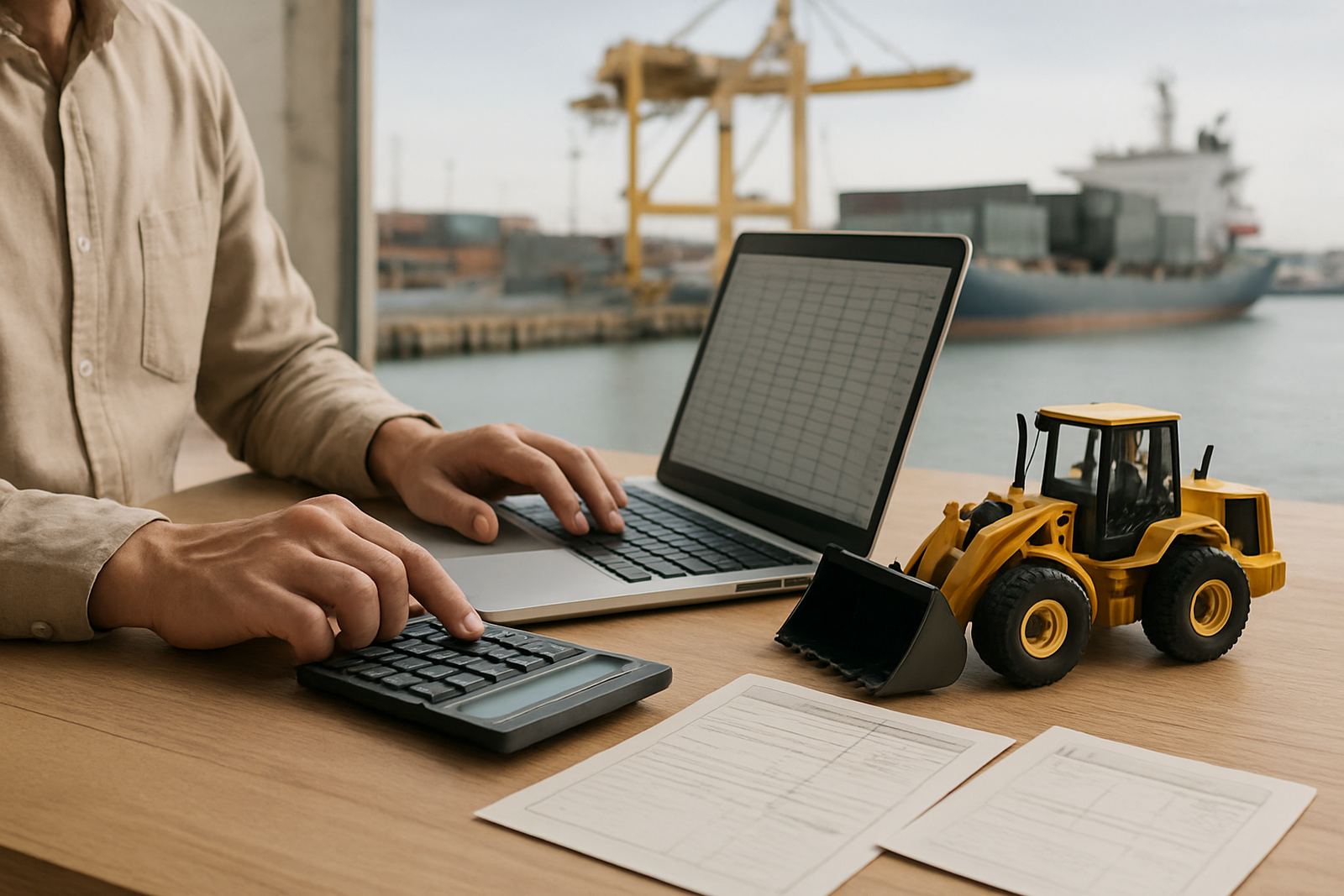
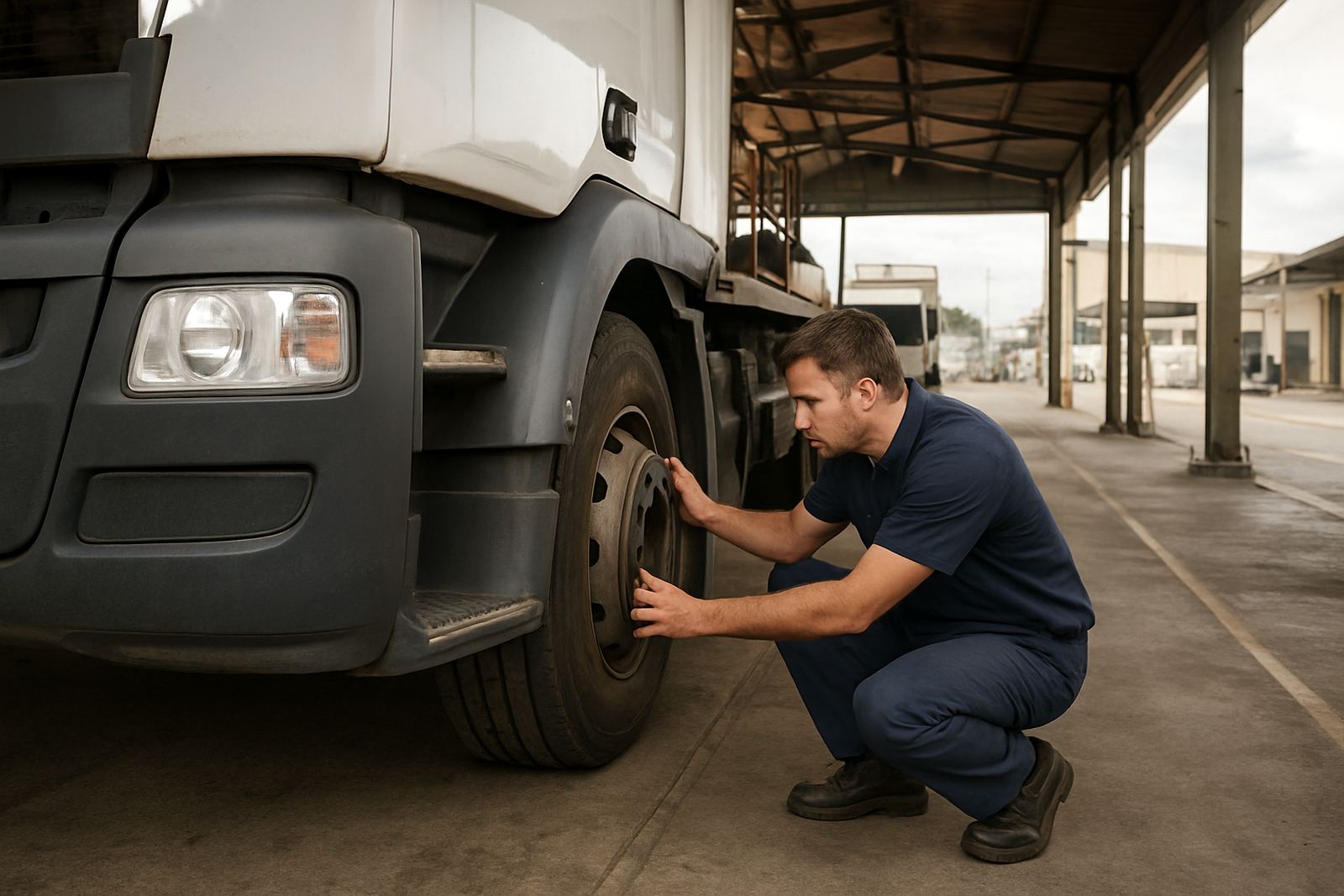
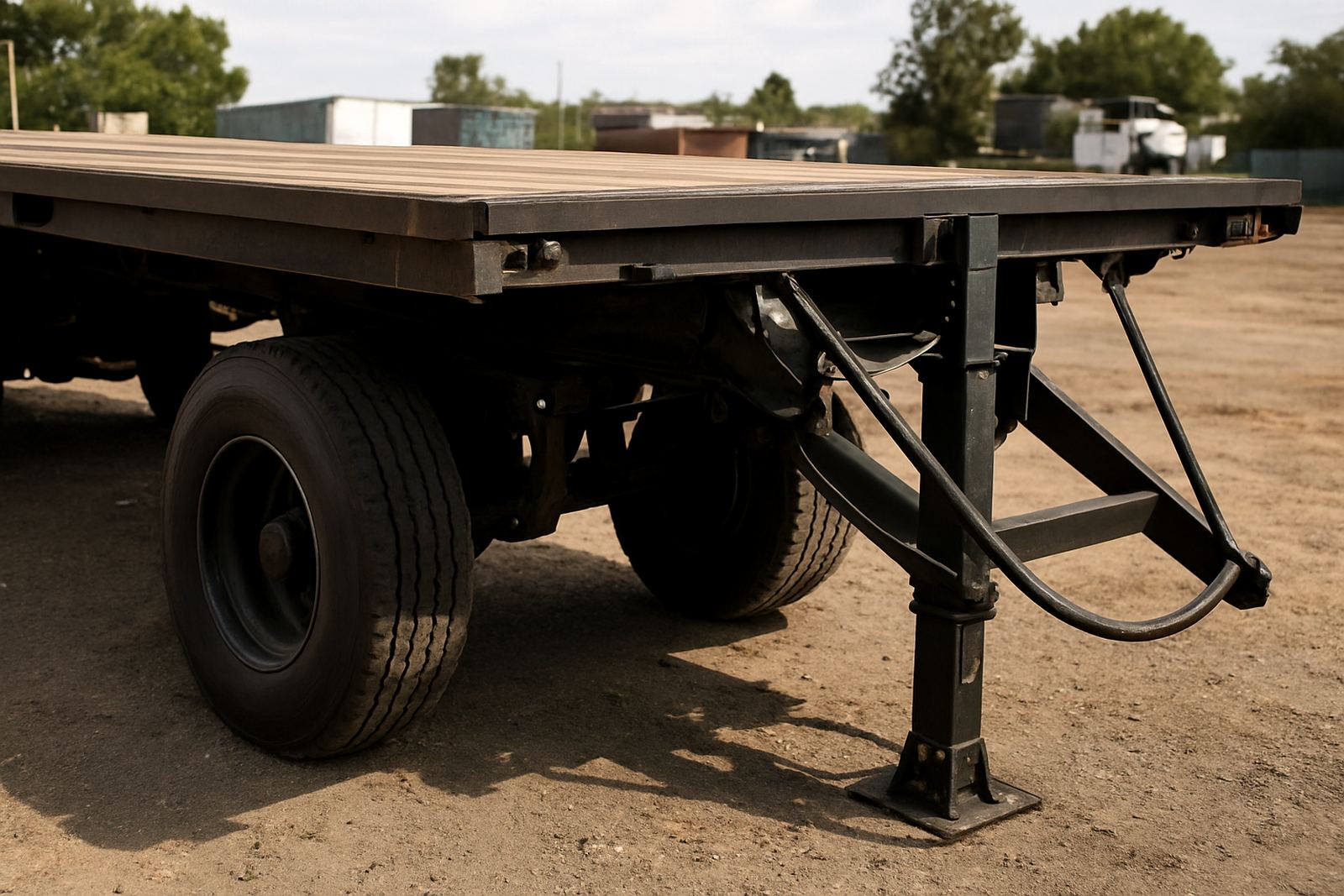

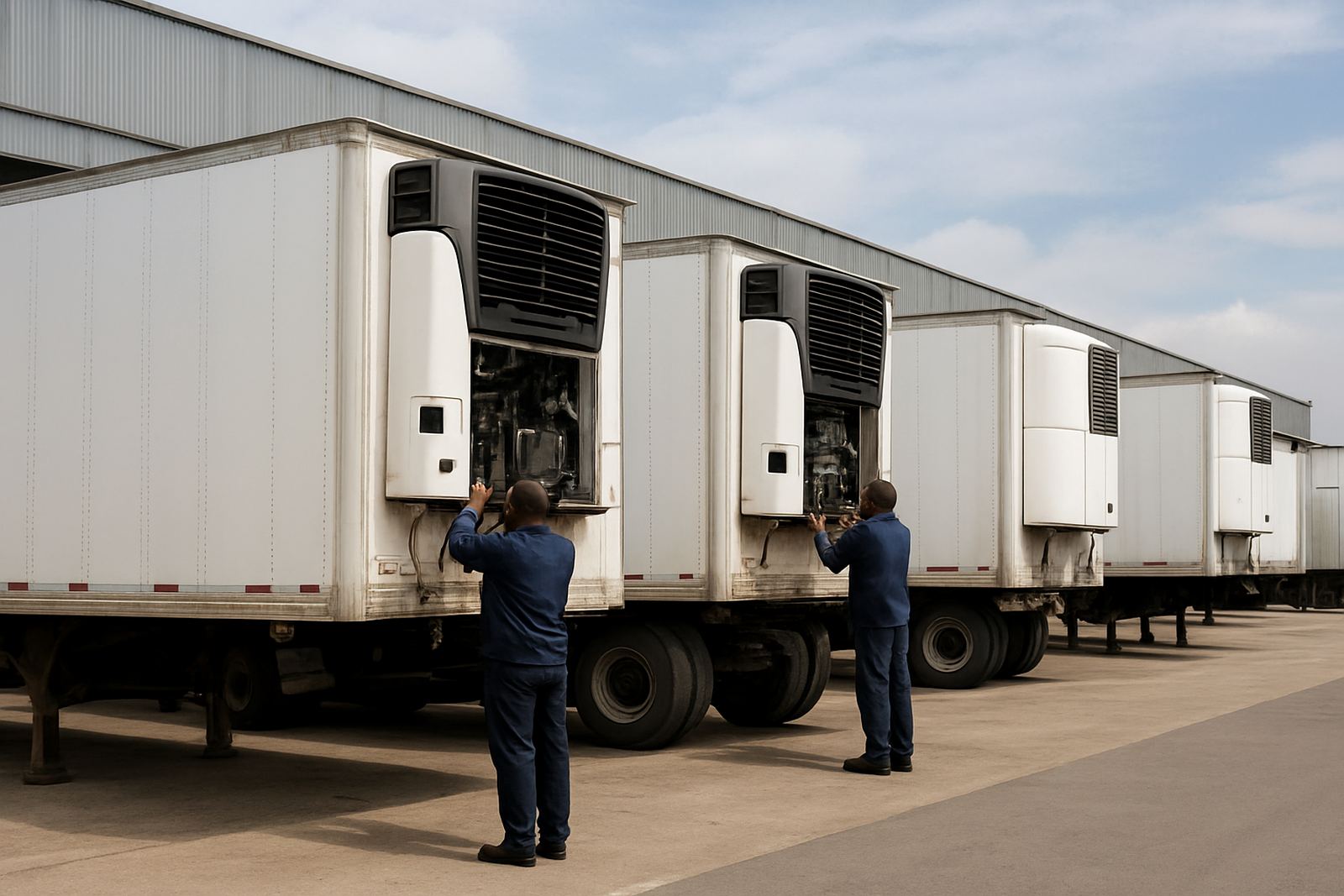


What our trade notes cover
If you are bringing machinery into South Africa, moving equipment between provinces, or planning a port collection, the small details matter. A missed document, the wrong tariff line, or a late truck booking can hold up a machine for days, and that costs money at the harbour and at the yard.
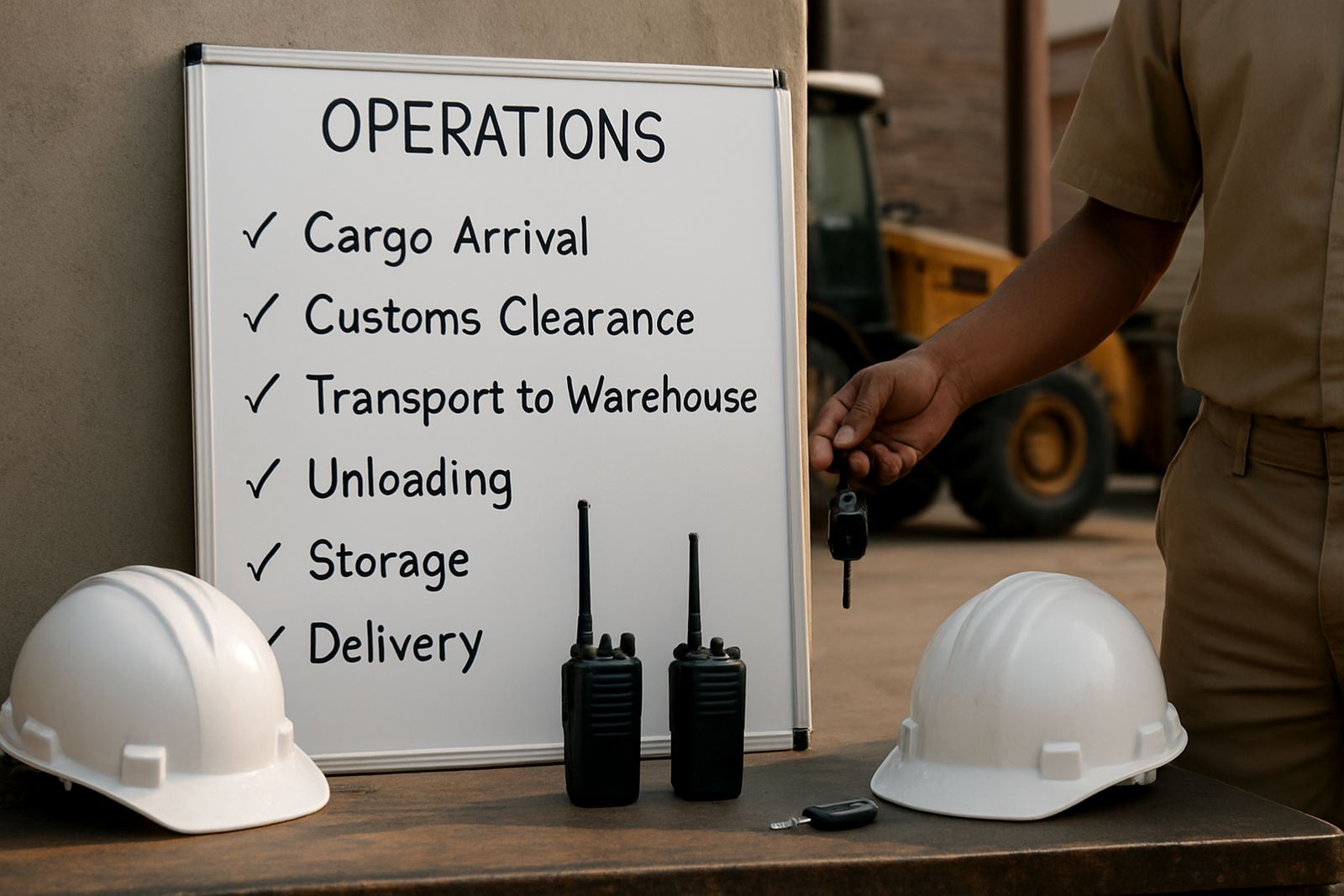
Import planning, customs clearing, inland transport, bonded storage, cargo insurance, and site offloading often need to line up closely for machines used in logistics, fleet work, automotive jobs, and general trade operations.
- Import planning for new and used machinery
- Shipping coordination through Durban, Cape Town, and inland routes
- Customs clearing and tariff classification
- Port collection, bonded storage, and site delivery
How to pick the right trade note for the load
Start with where the equipment is coming from and where it must end up. A container landing in Durban harbour corridor has different timing, storage, and truck access issues to a machine moving through Jet Park or City Deep. Coastal humidity, port congestion, and municipal rules on truck access all change the way a move should be planned.
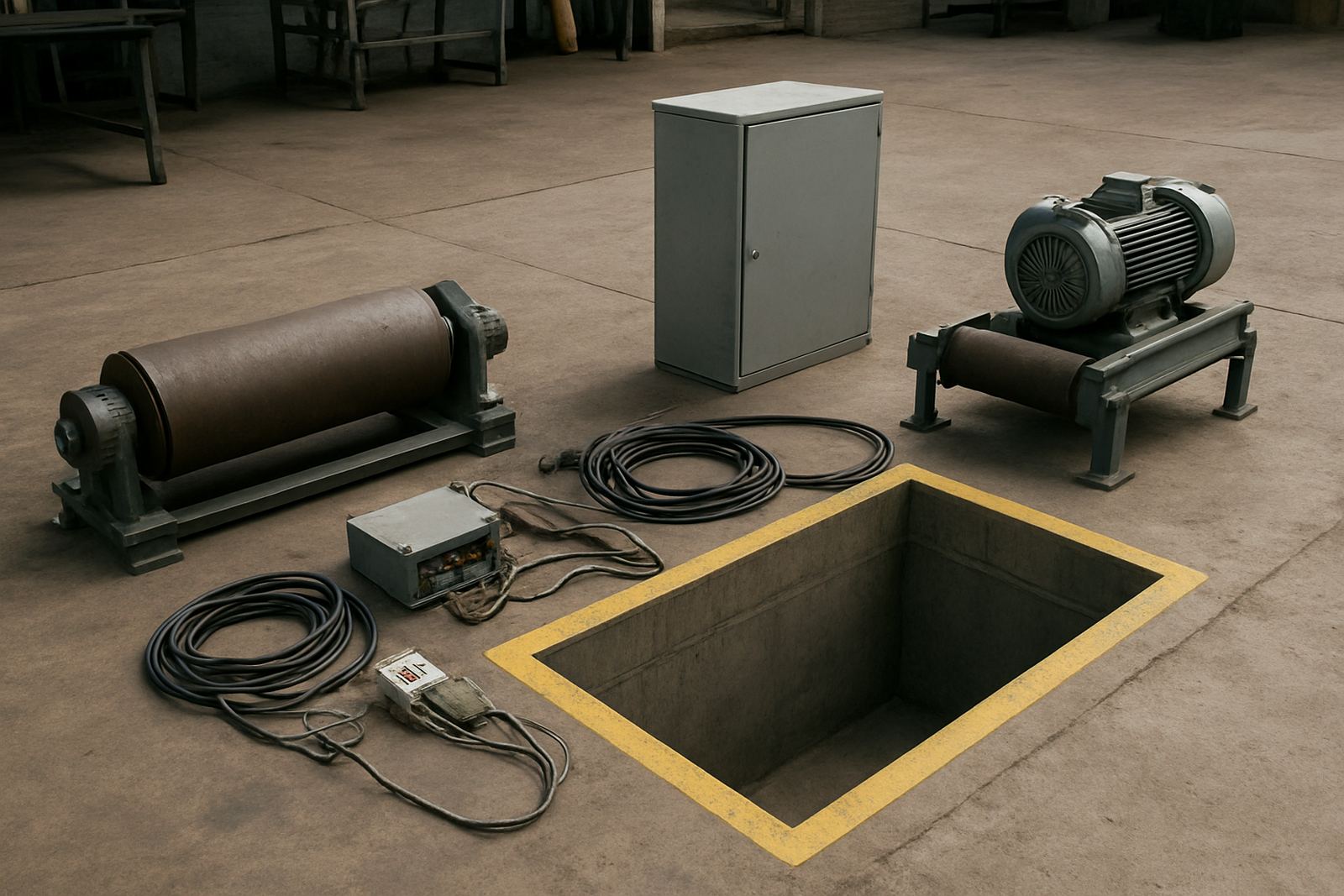
If you are not sure which note applies, look at the type of machine, its dimensions, whether it is breakbulk or containerised, and if it must go straight to site or into storage first. Buyers should also check whether lifting gear, offloading space, and power supply are ready at the receiving point, especially where load-shedding affects workshop schedules.
Import planning for machinery buyers
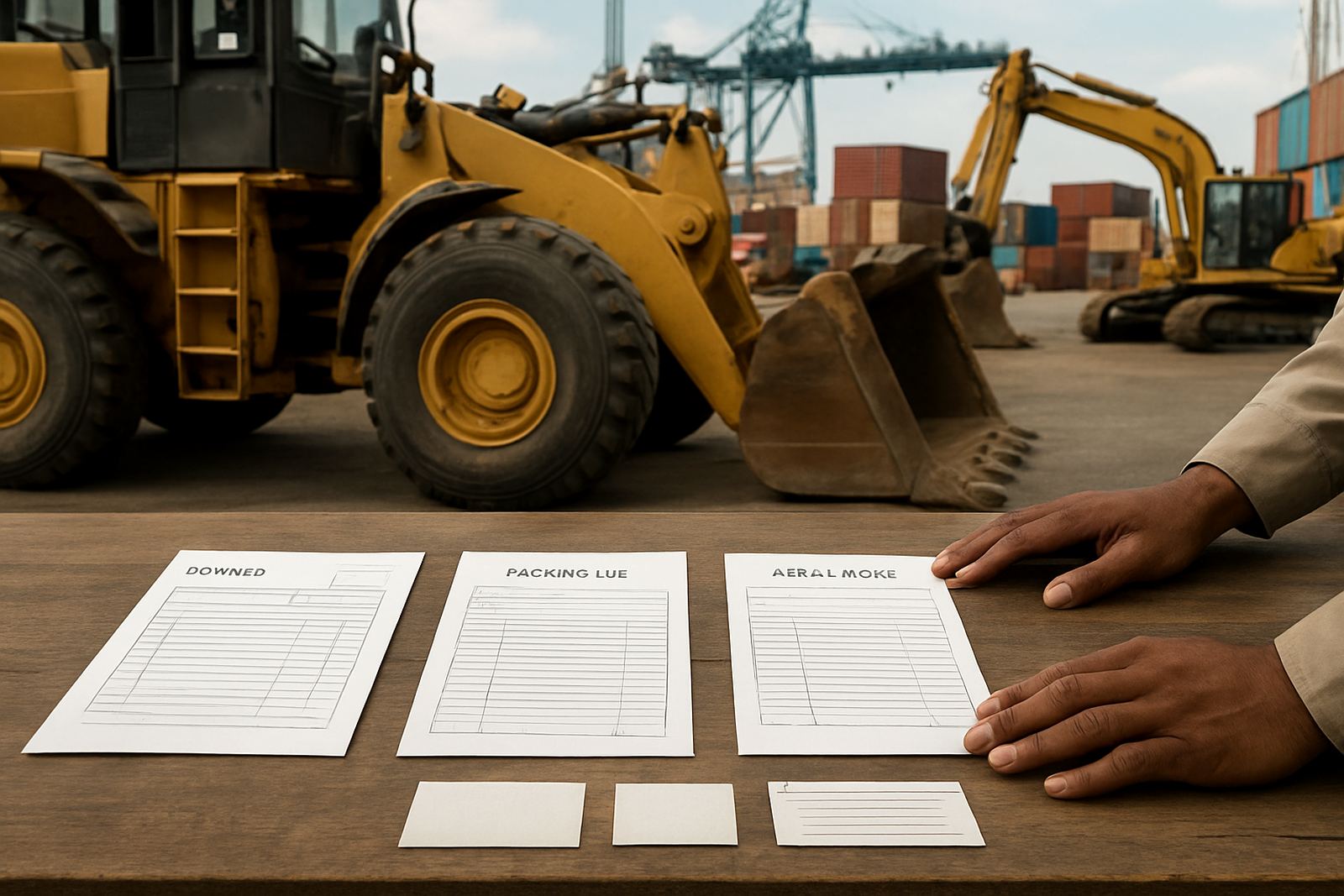
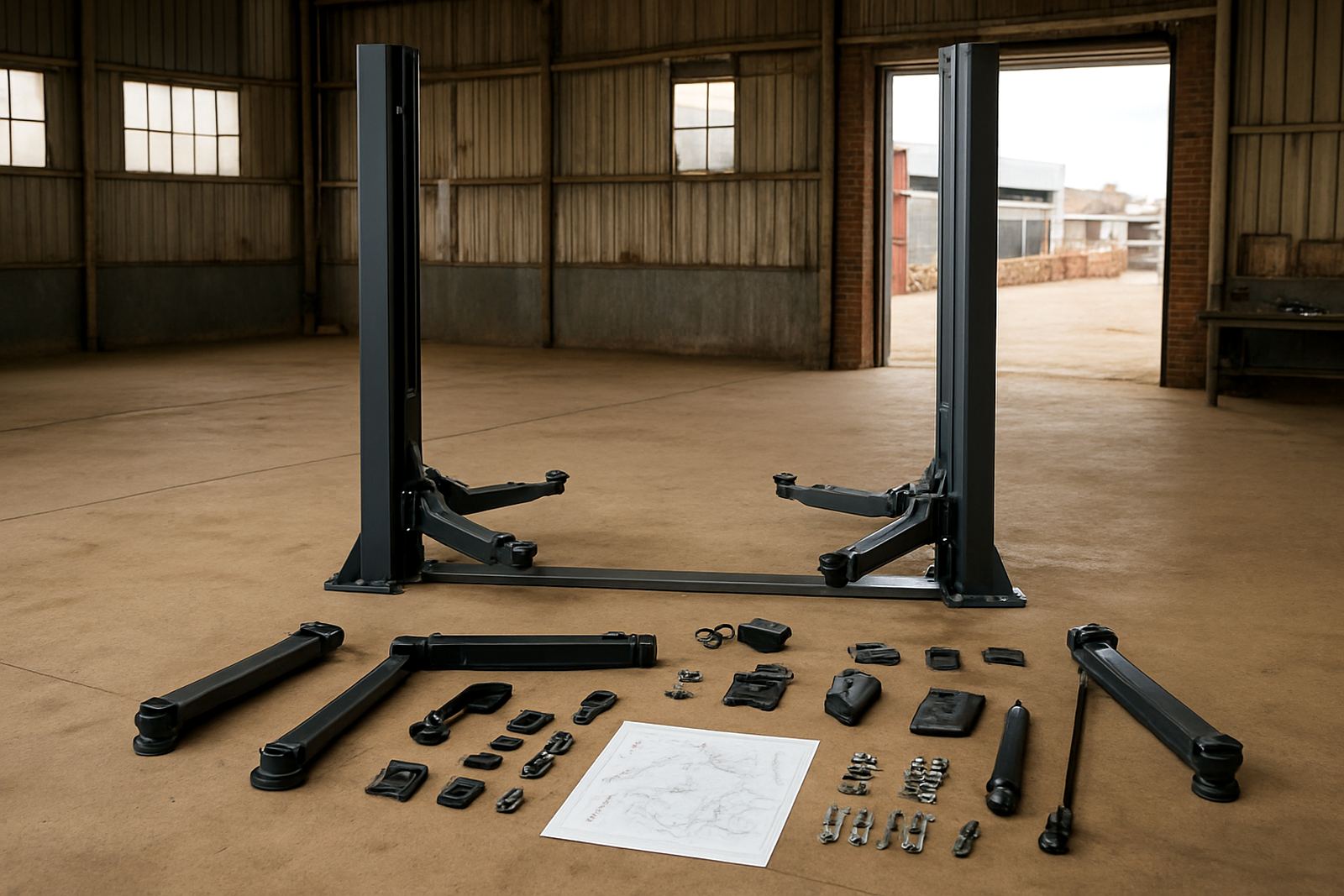
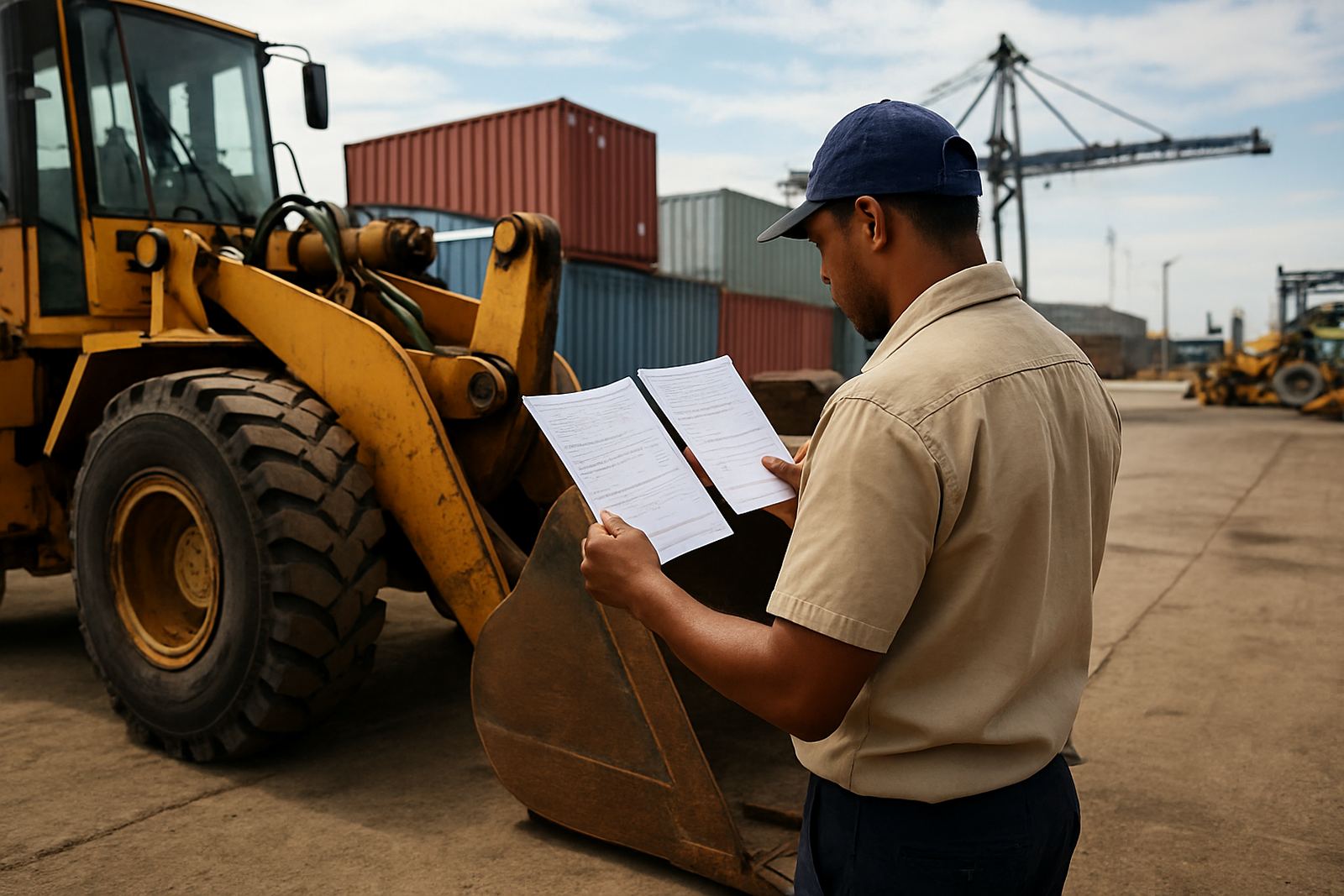
Good import planning starts before the supplier loads the machine. You need the invoice, packing list, serial numbers, weights, sizes, and clear details on how the unit is packed. If the machine arrives with missing paperwork or the description does not match the cargo, clearing slows down fast.
Our notes explain what to confirm before shipment so businesses can avoid storage charges and avoid delays at the port. That is useful for firms buying forklifts, plant equipment, workshop machinery, and fleet maintenance tools. It also helps when units arrive with accessories, loose parts, or motors that must be classified correctly.
- Check machine dimensions and gross mass before booking space
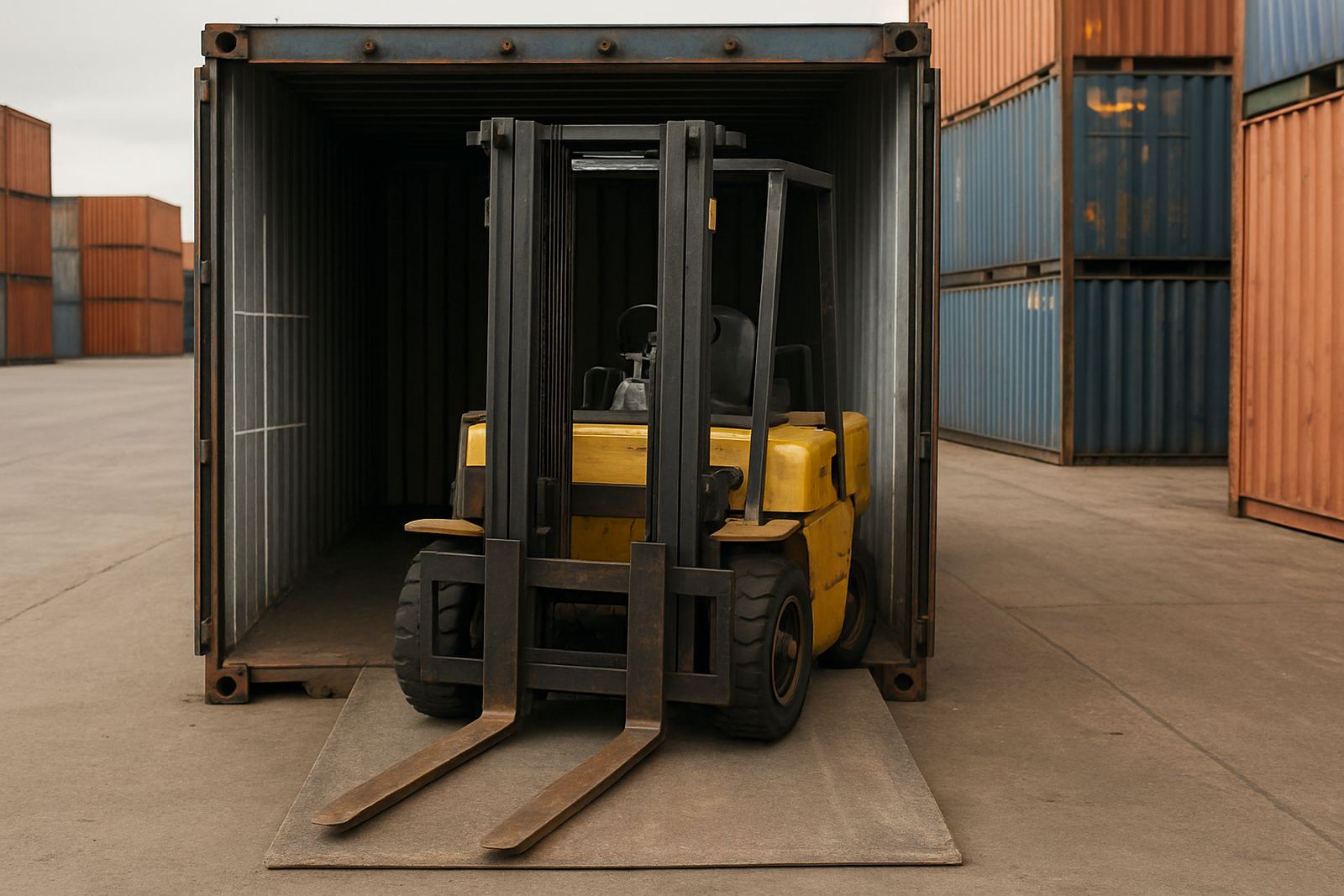
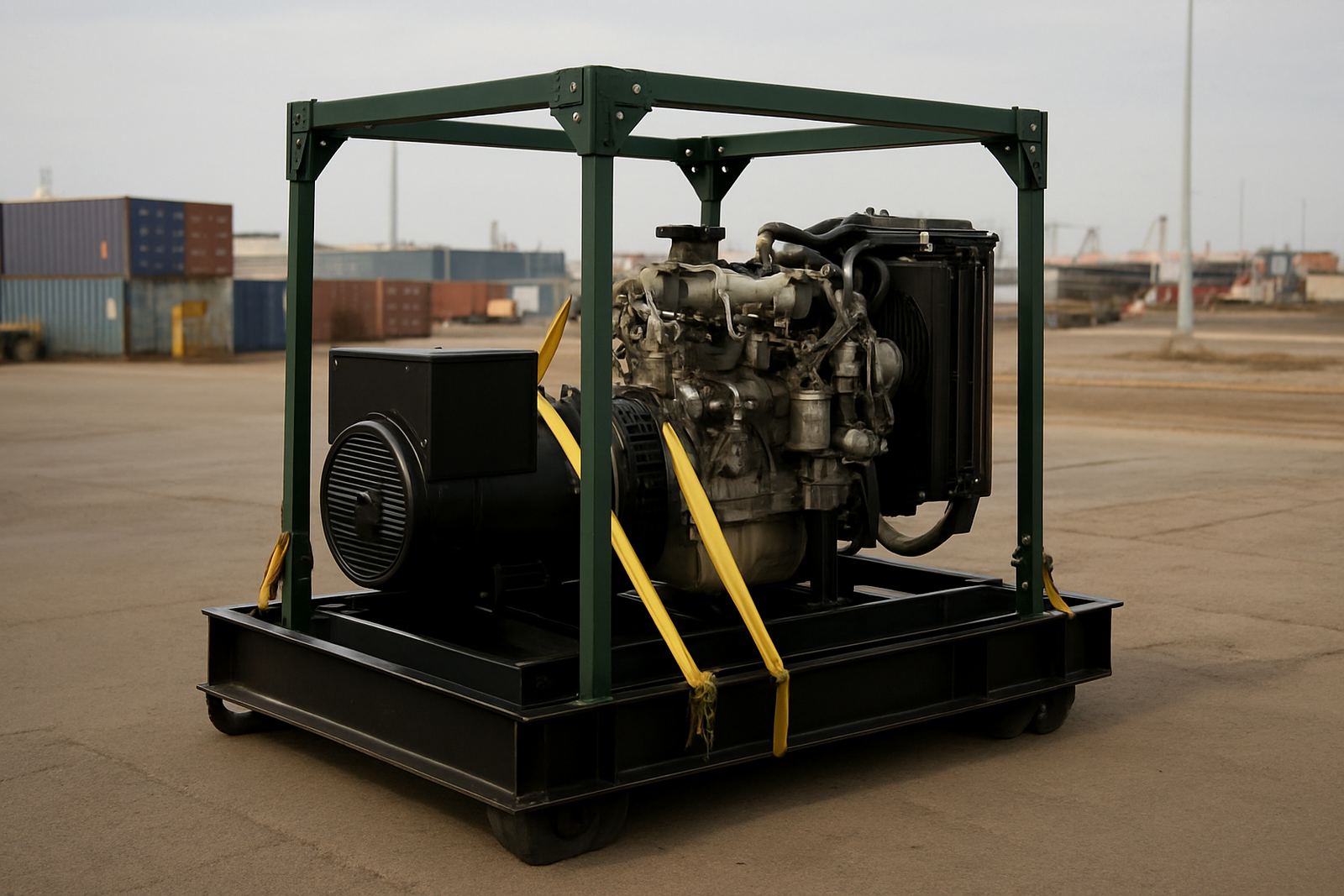
- Confirm whether the cargo needs a container, flat rack, or breakbulk handling
- Match serial numbers and model details to the commercial paperwork
- Plan for inland transport if the receiving site has tight access or low power availability
Clearing, classification and port collection
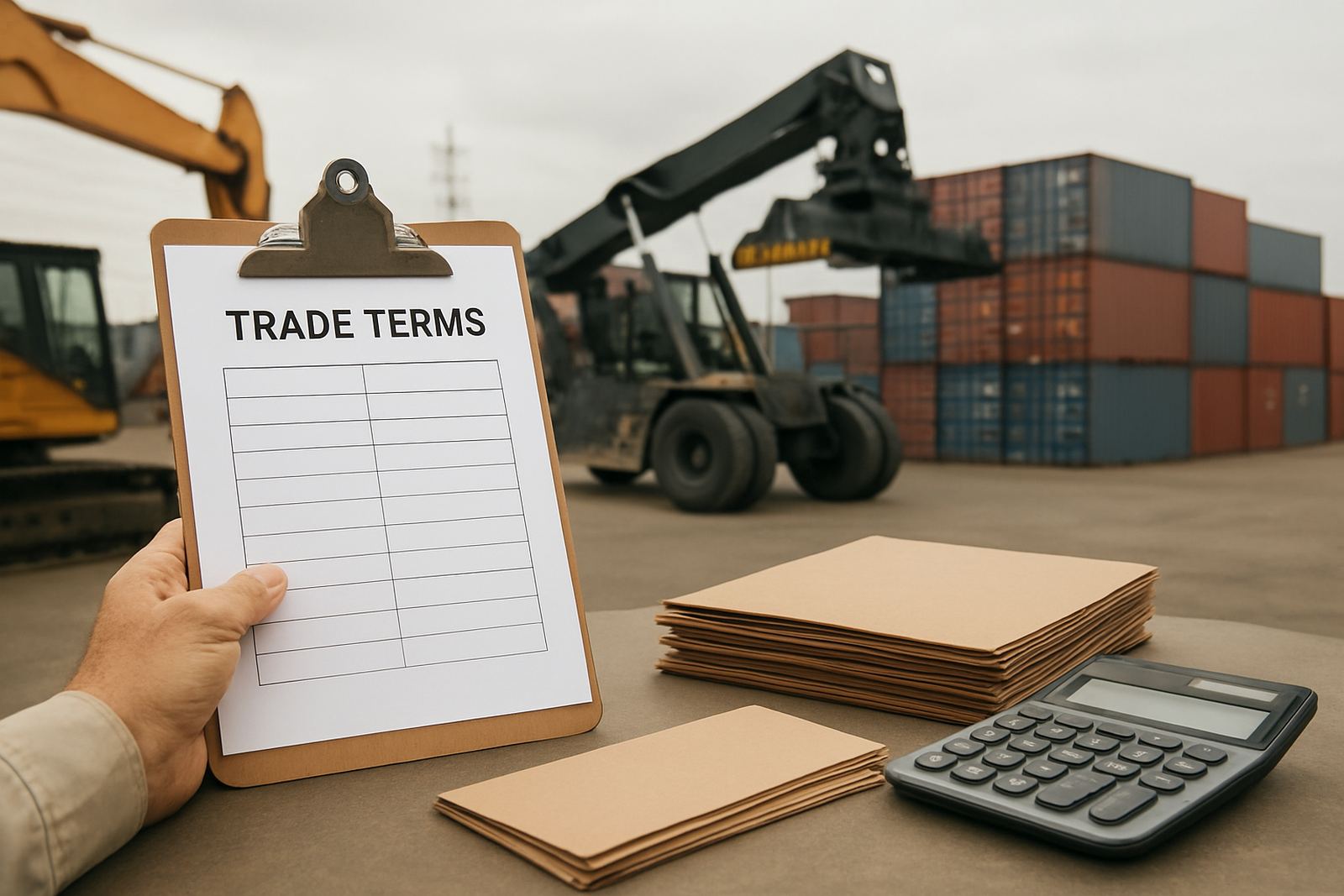
Customs clearing is not only about submitting papers, it is about getting the details right the first time. Tariff classification affects duty, VAT, and whether extra documents are needed. A machine used in a workshop may be treated differently to one that supports fleet operations or cargo handling, so the description must be specific.
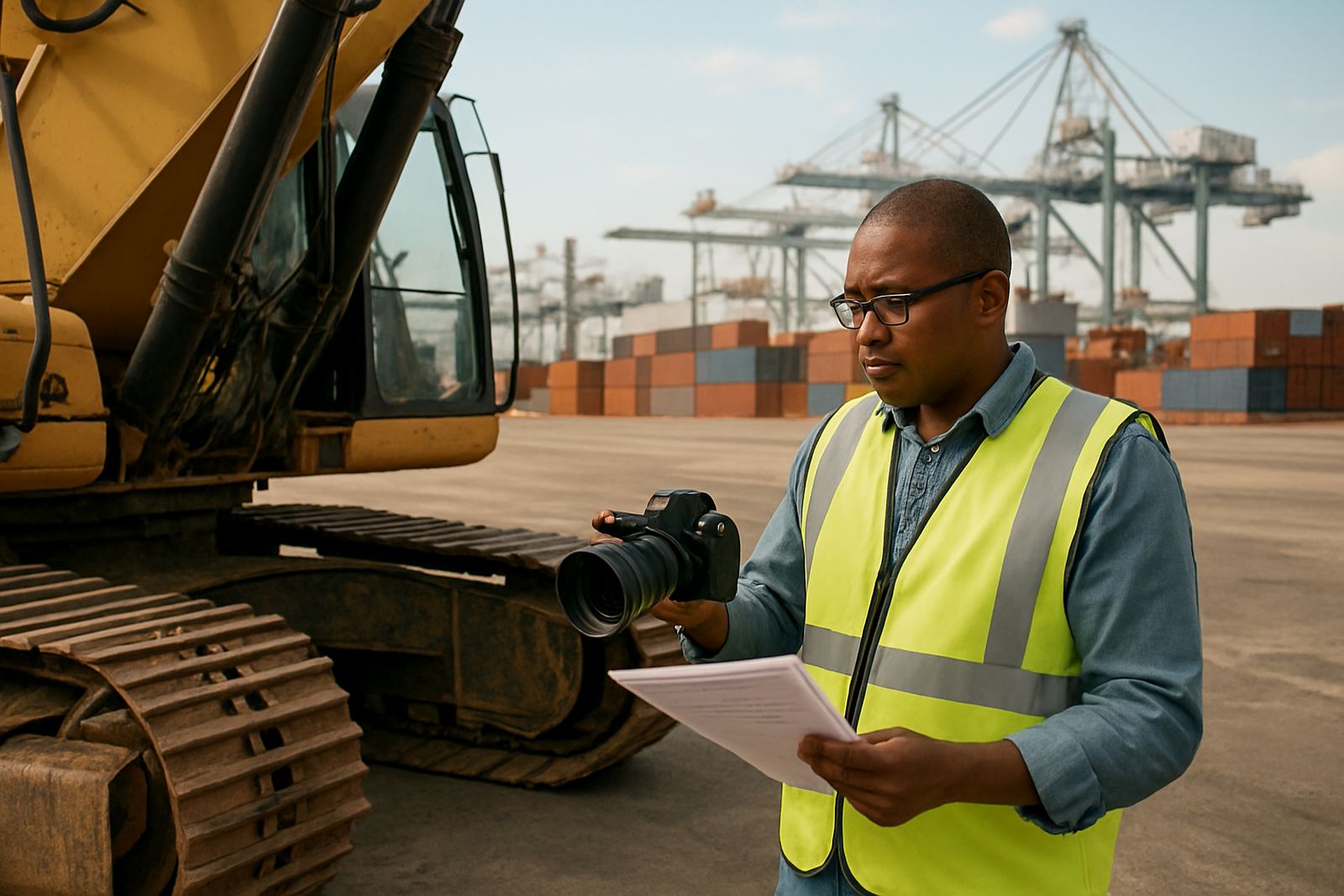
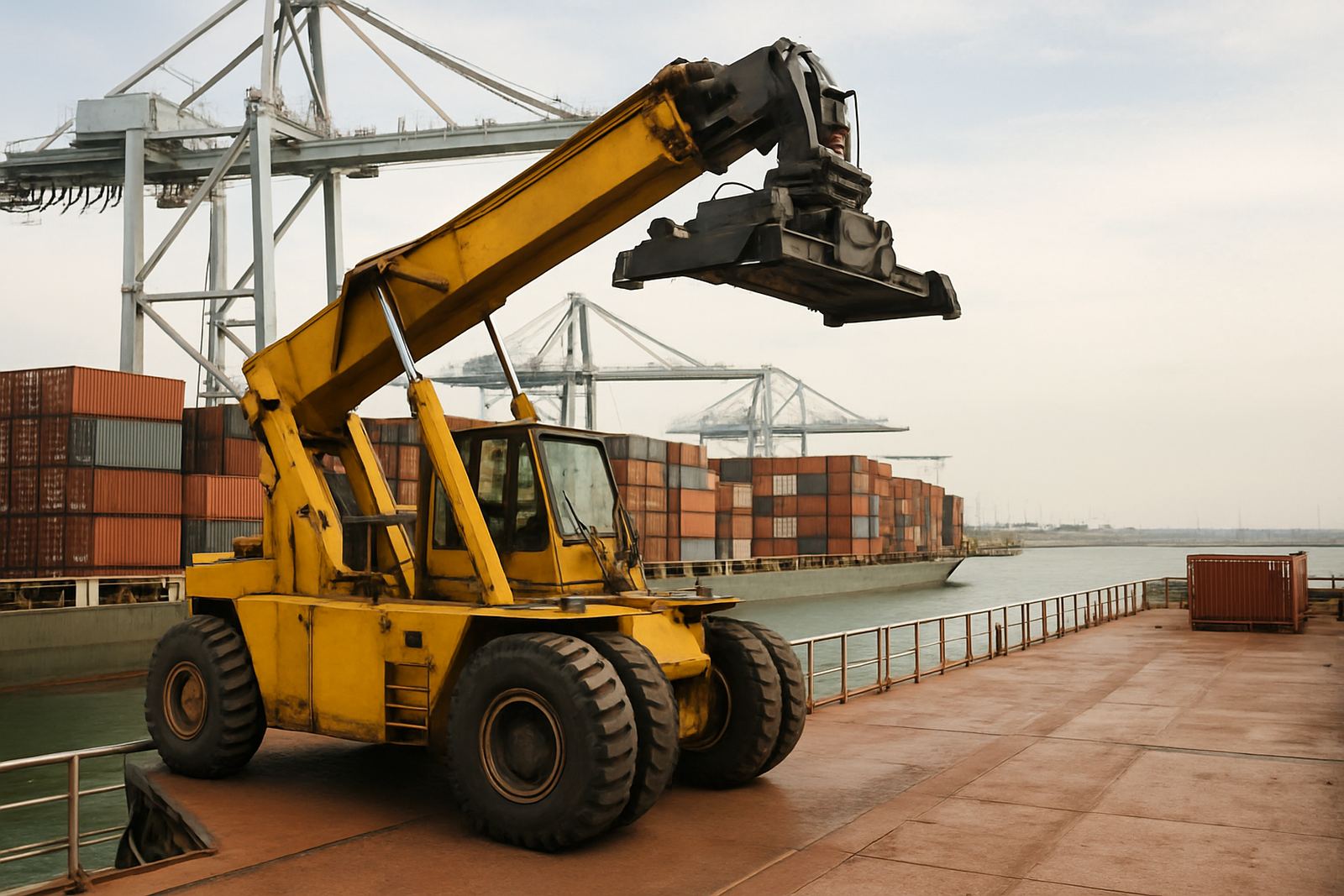
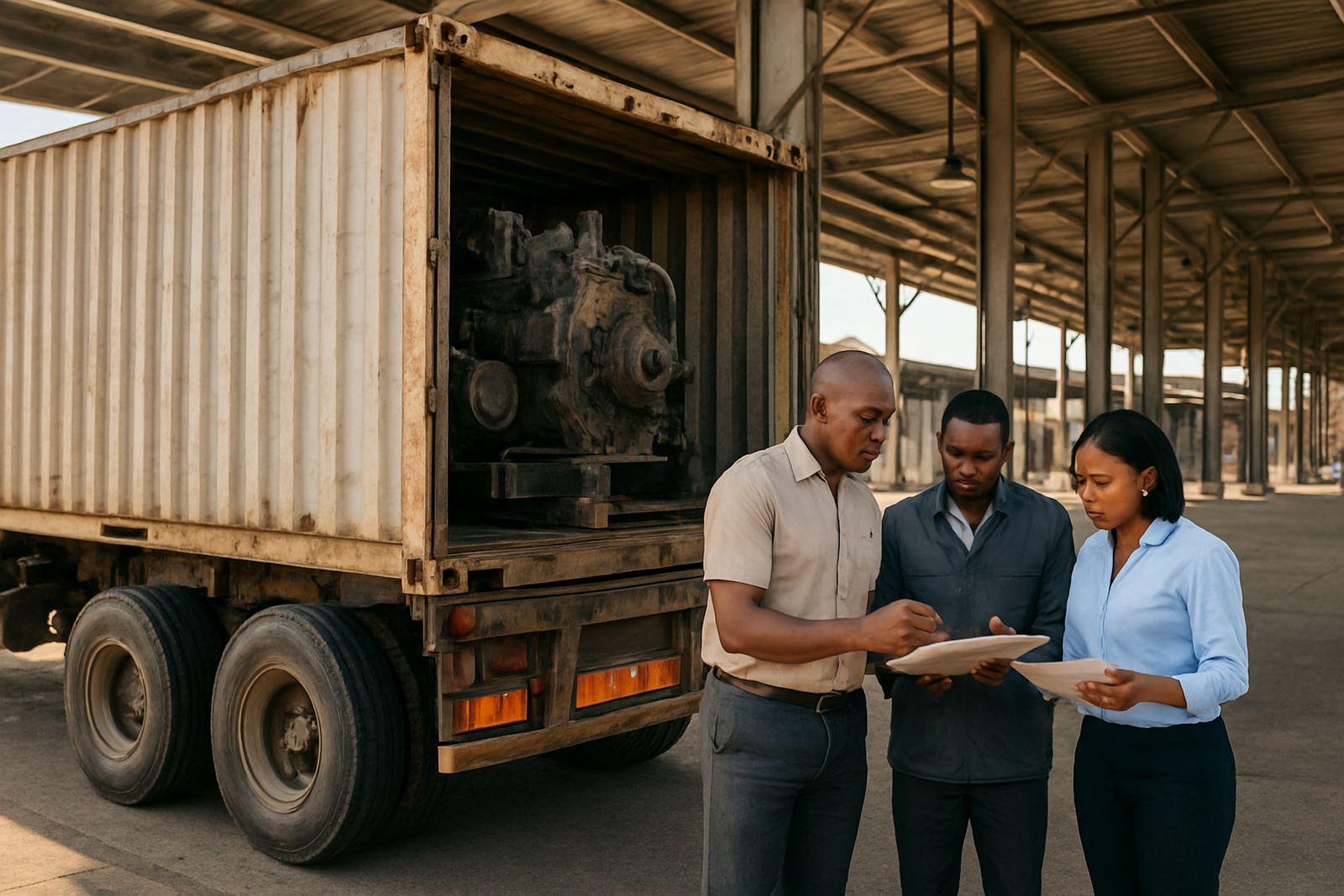
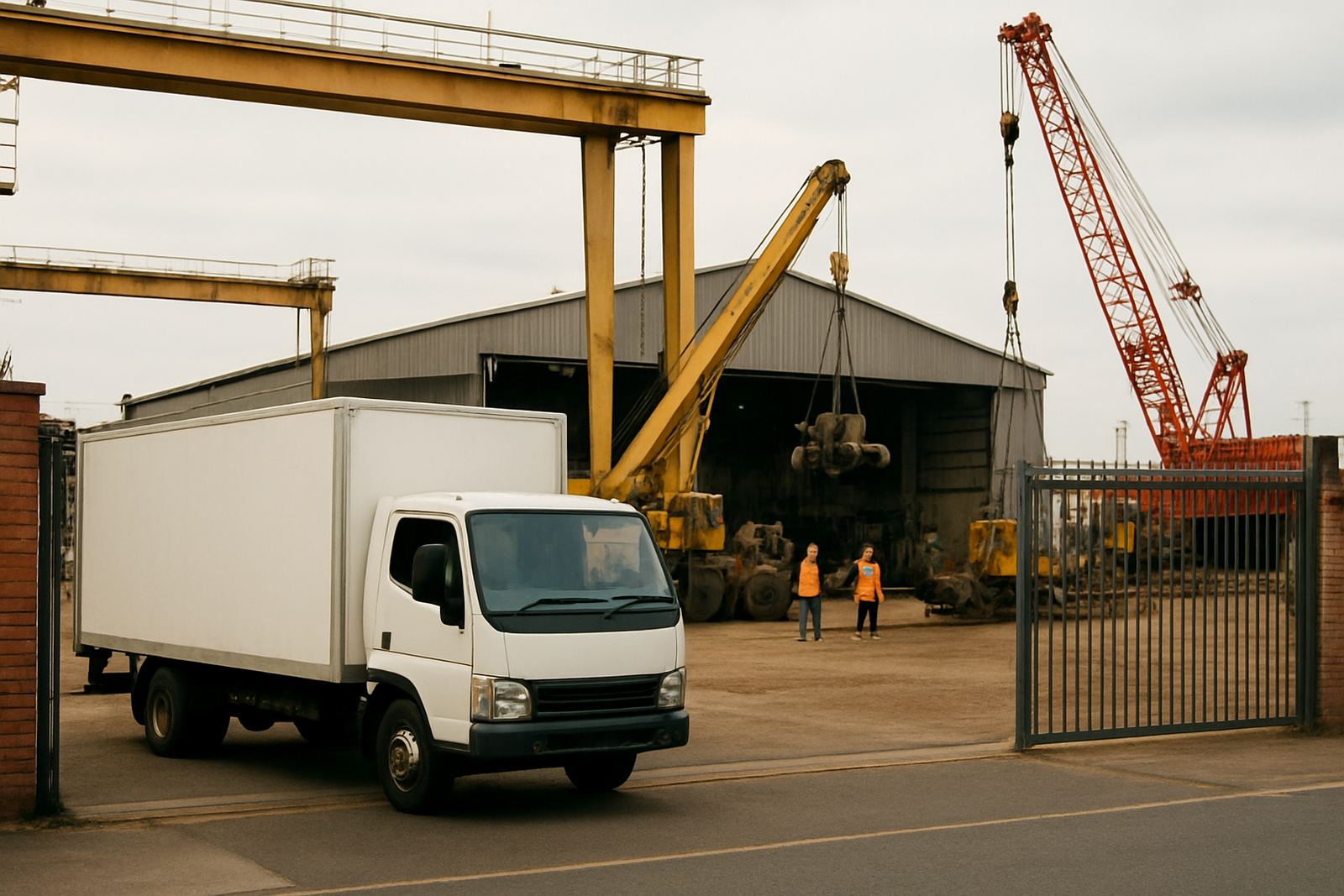
Once the cargo lands, collection timing matters. Durban port, Springfield Park, Paarden Eiland, and inland depots all work to different access windows and turn-around times. If a truck arrives too early or without the right collection reference, the unit can sit and the storage bill keeps growing. We write about these everyday movment issues in plain terms so planners can act early.
Transport, storage and offloading on site
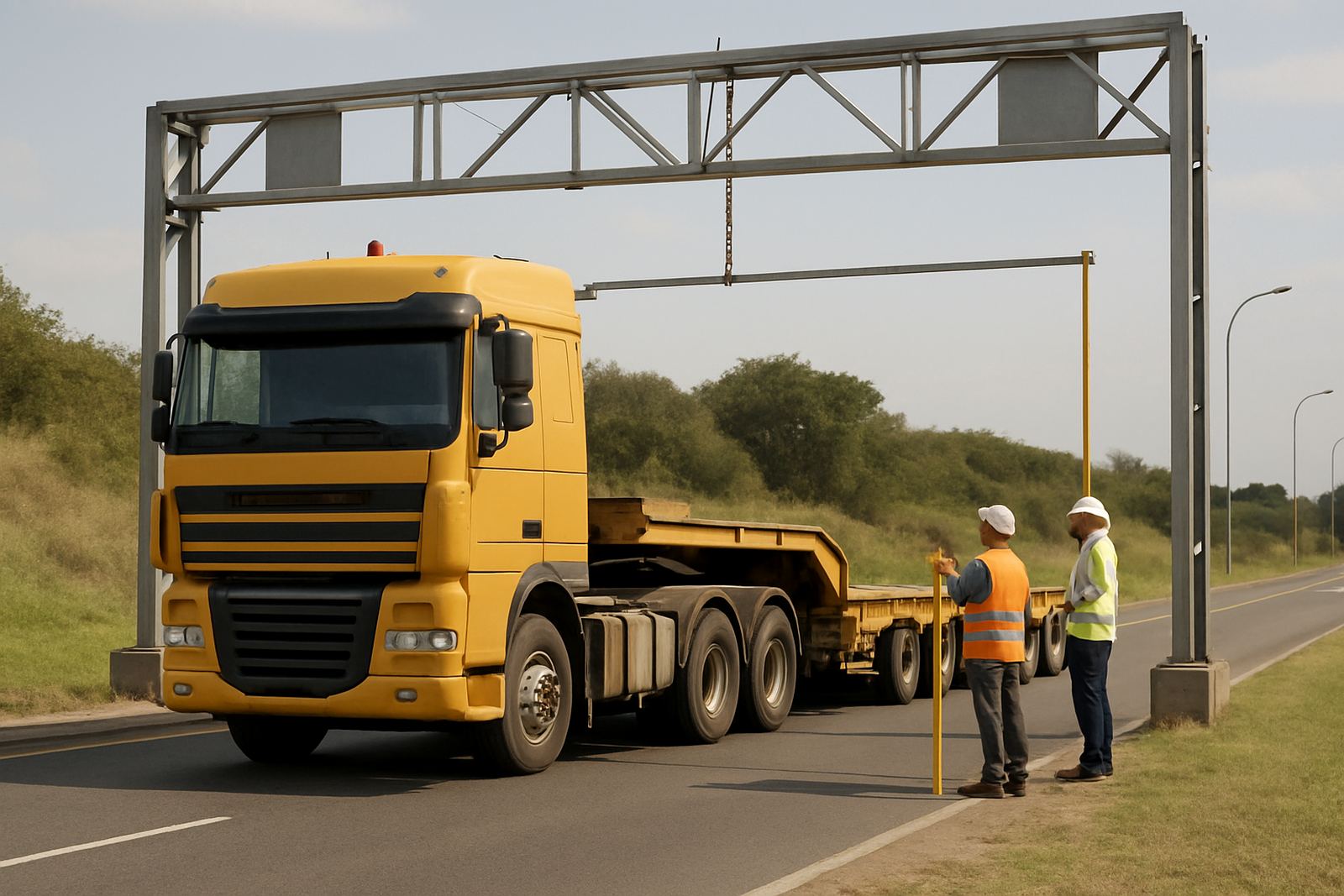
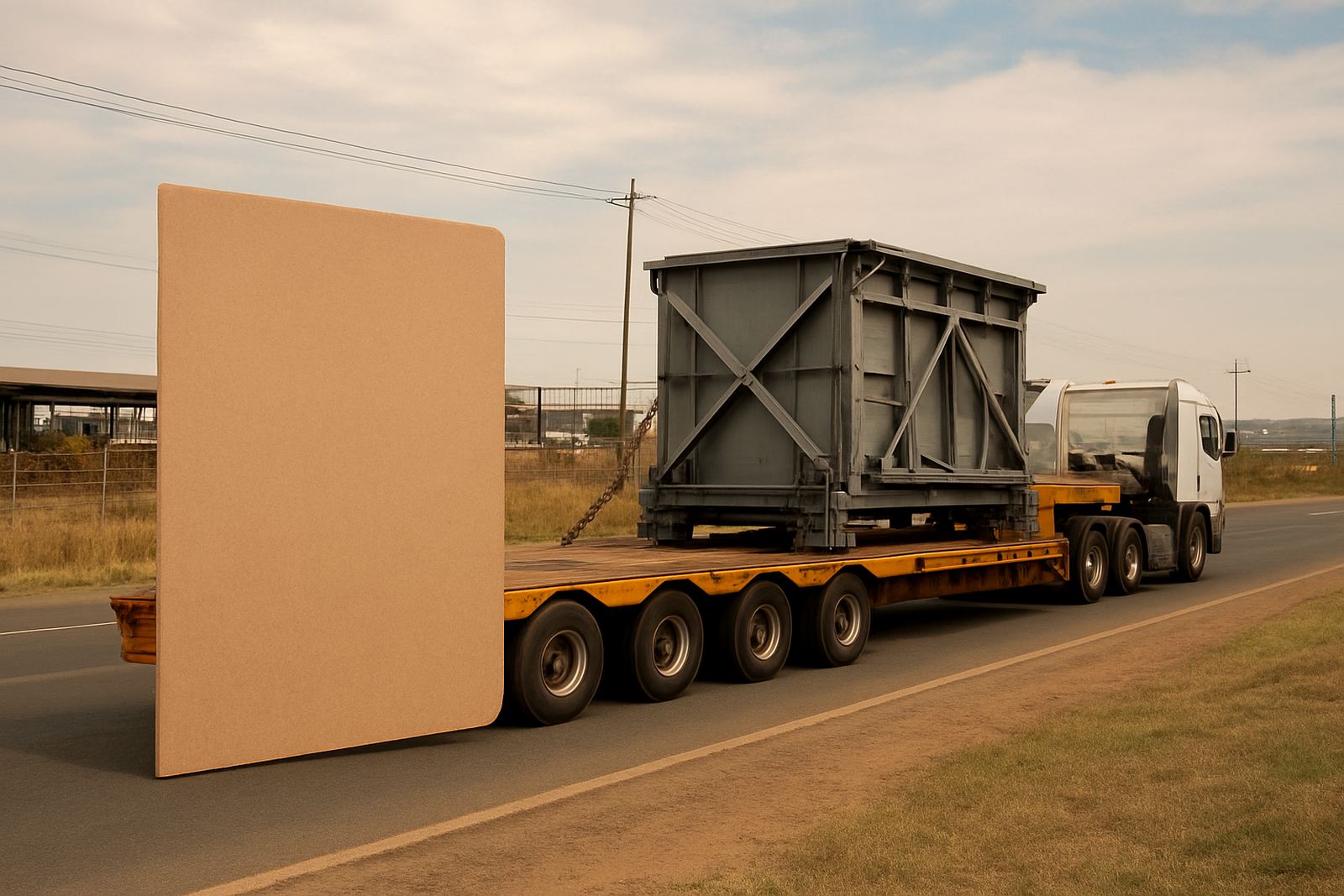
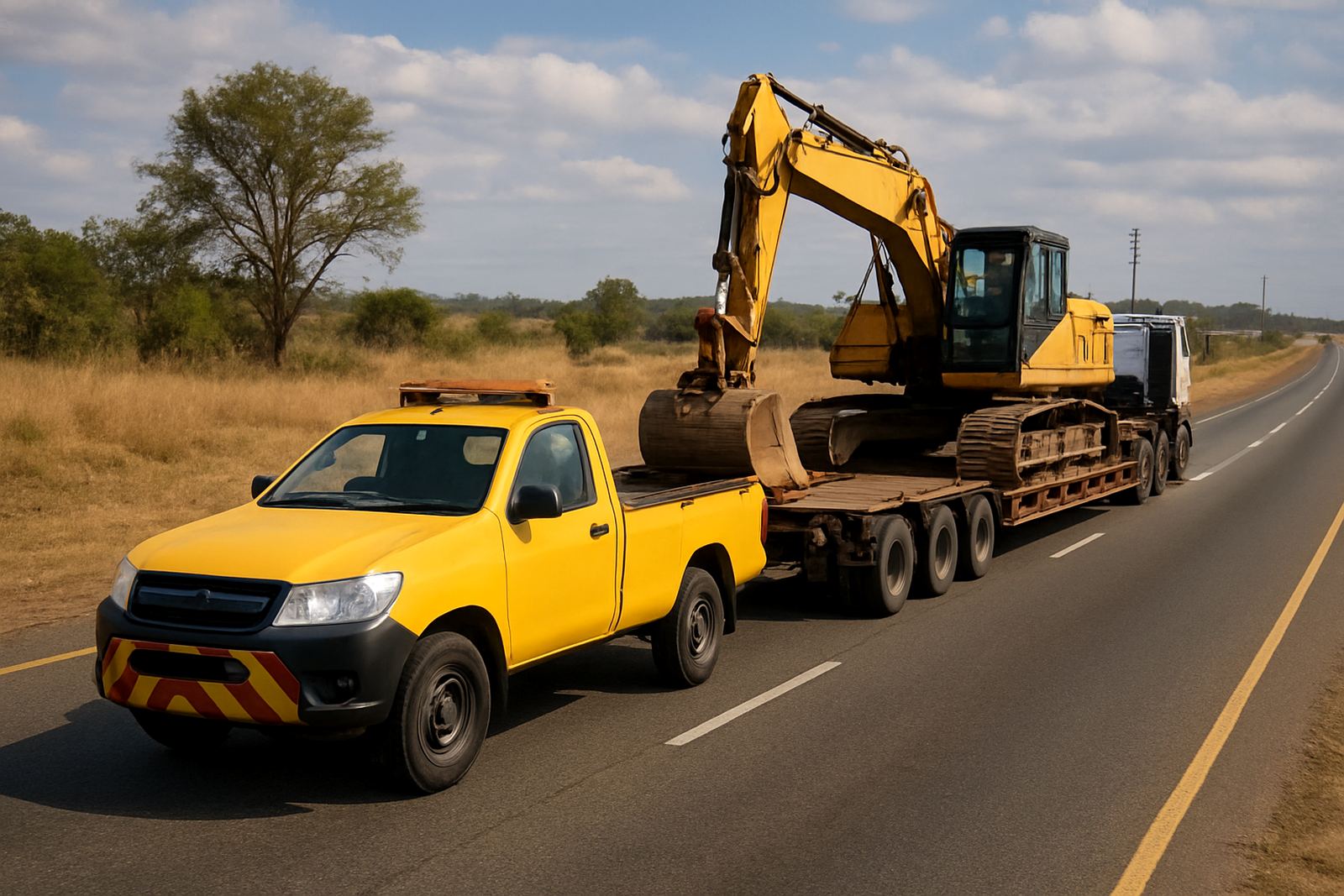
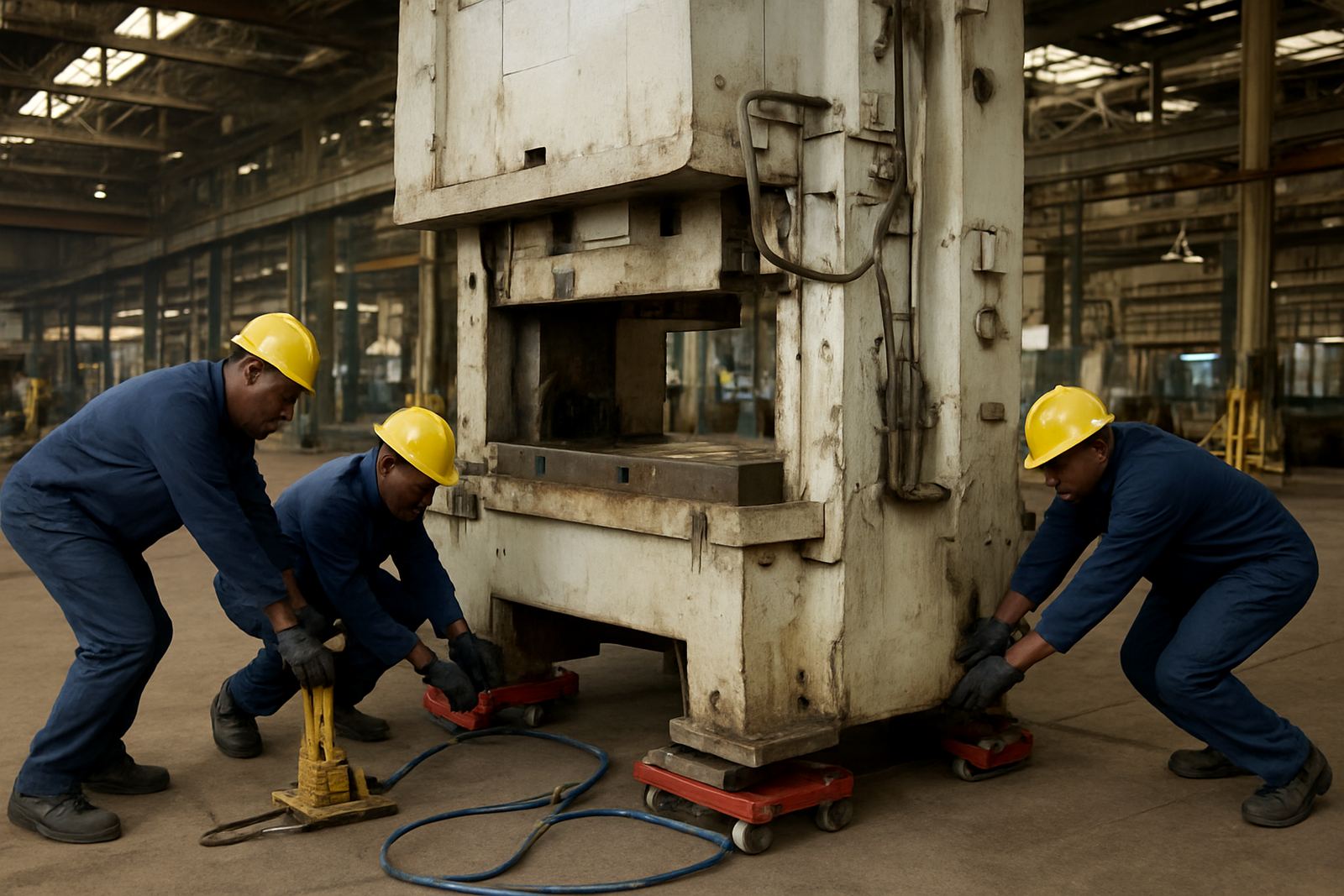
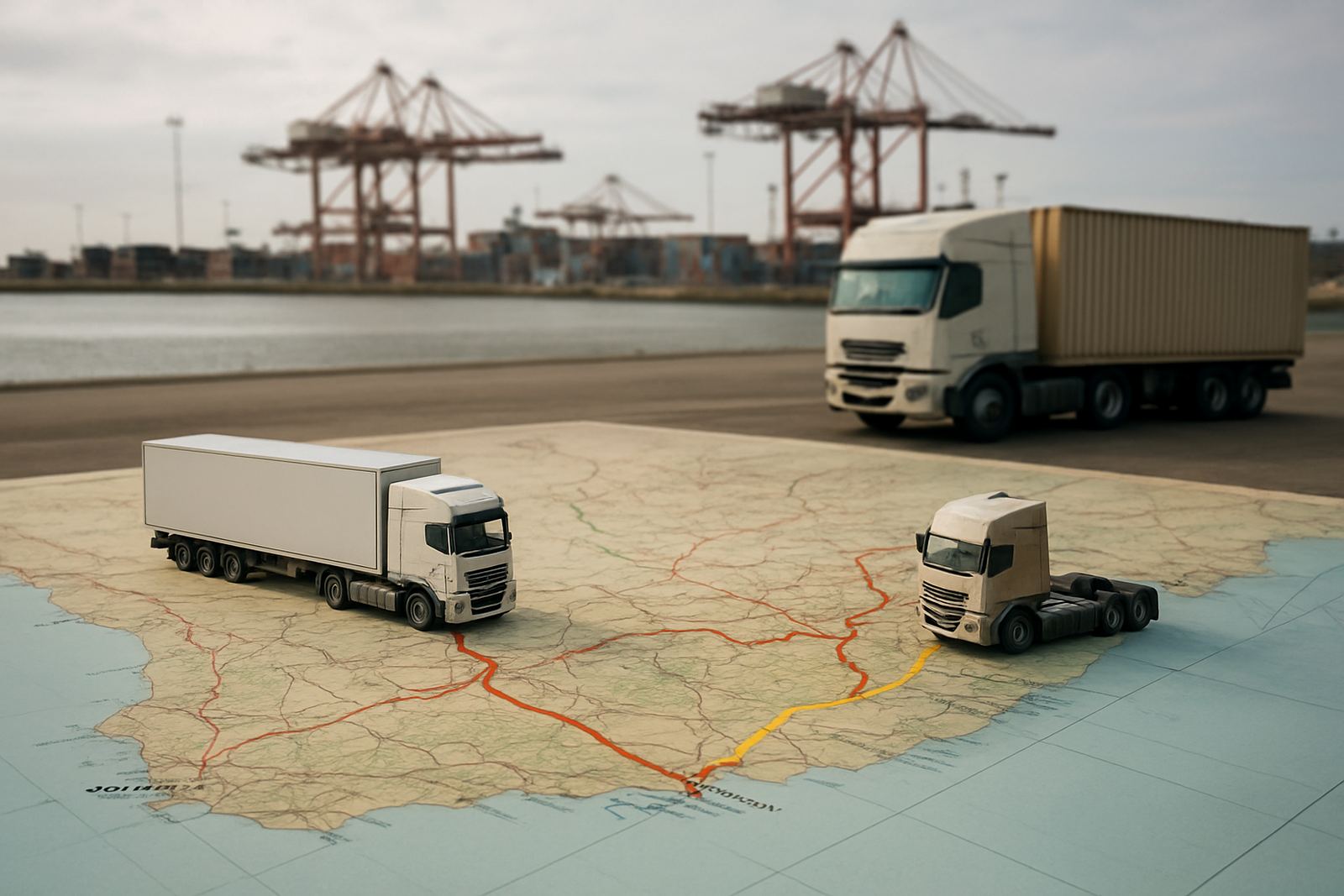
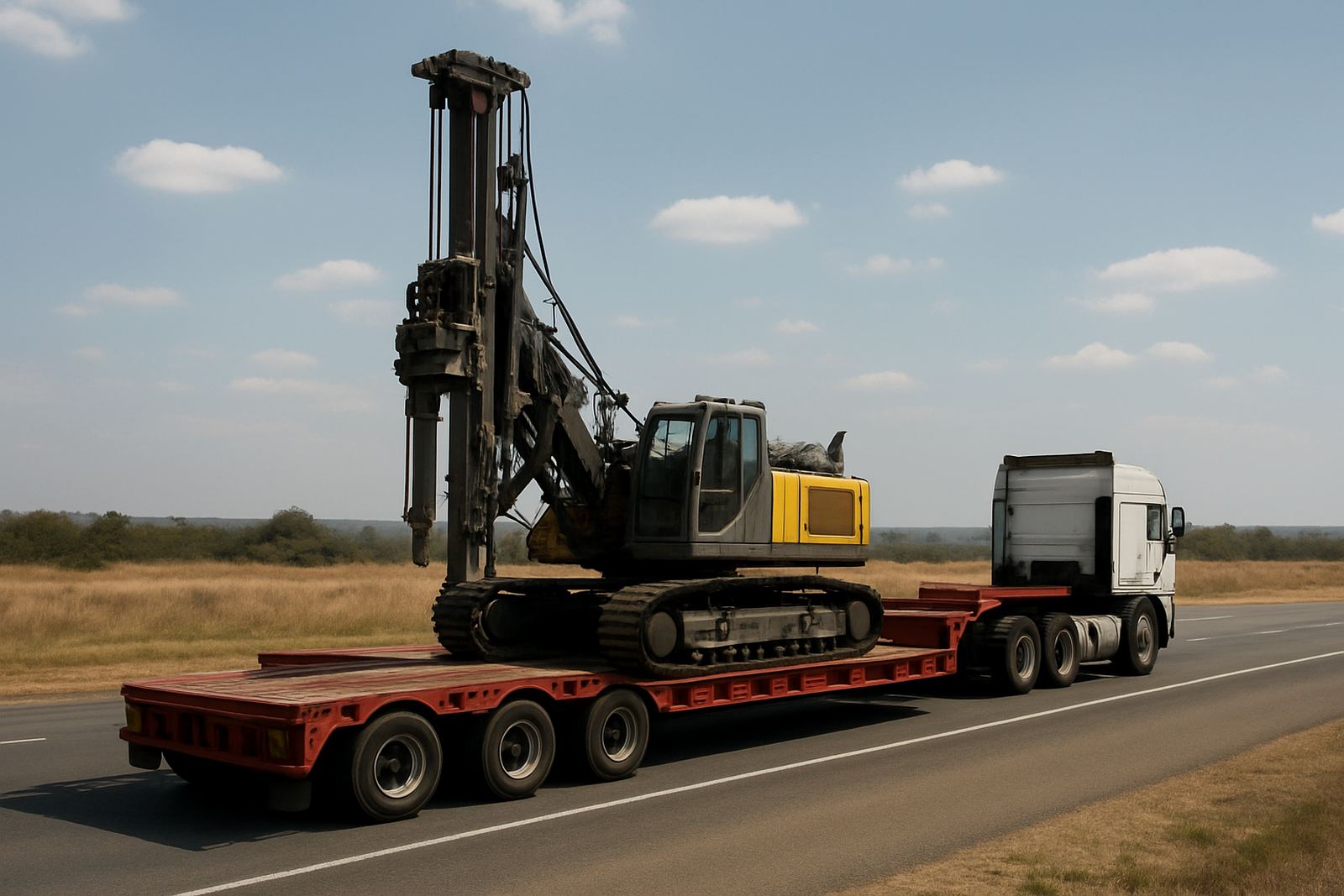
Moving machinery inland is more than booking a truck. You need to think about route access, bridge heights, loading bay space, and whether the site can handle a lowbed, crane, or tail-lift. Some workshops in Umbilo, Jet Park, and City Deep can receive full truck loads, while others need smaller vehicles and timed delivery.
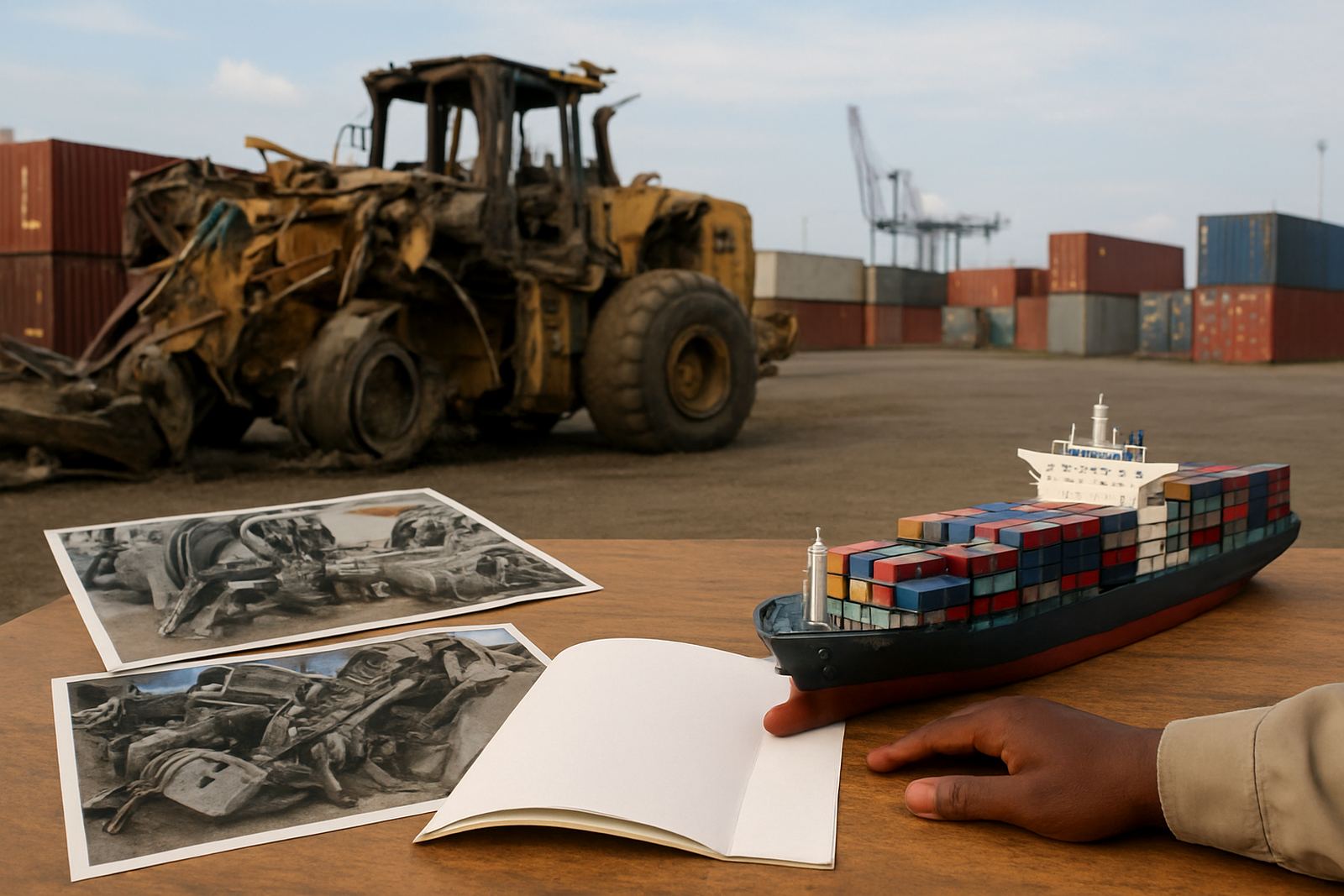
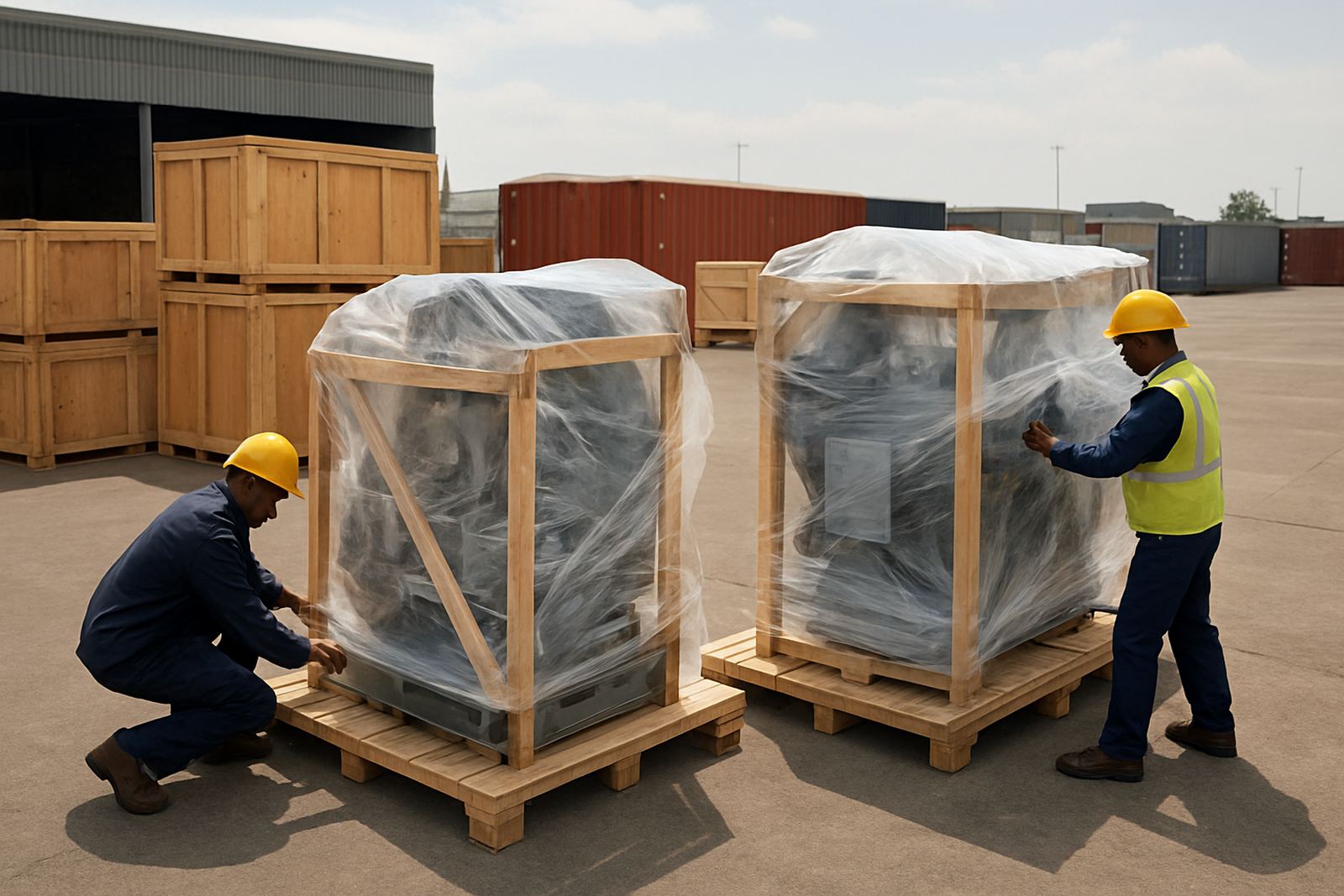
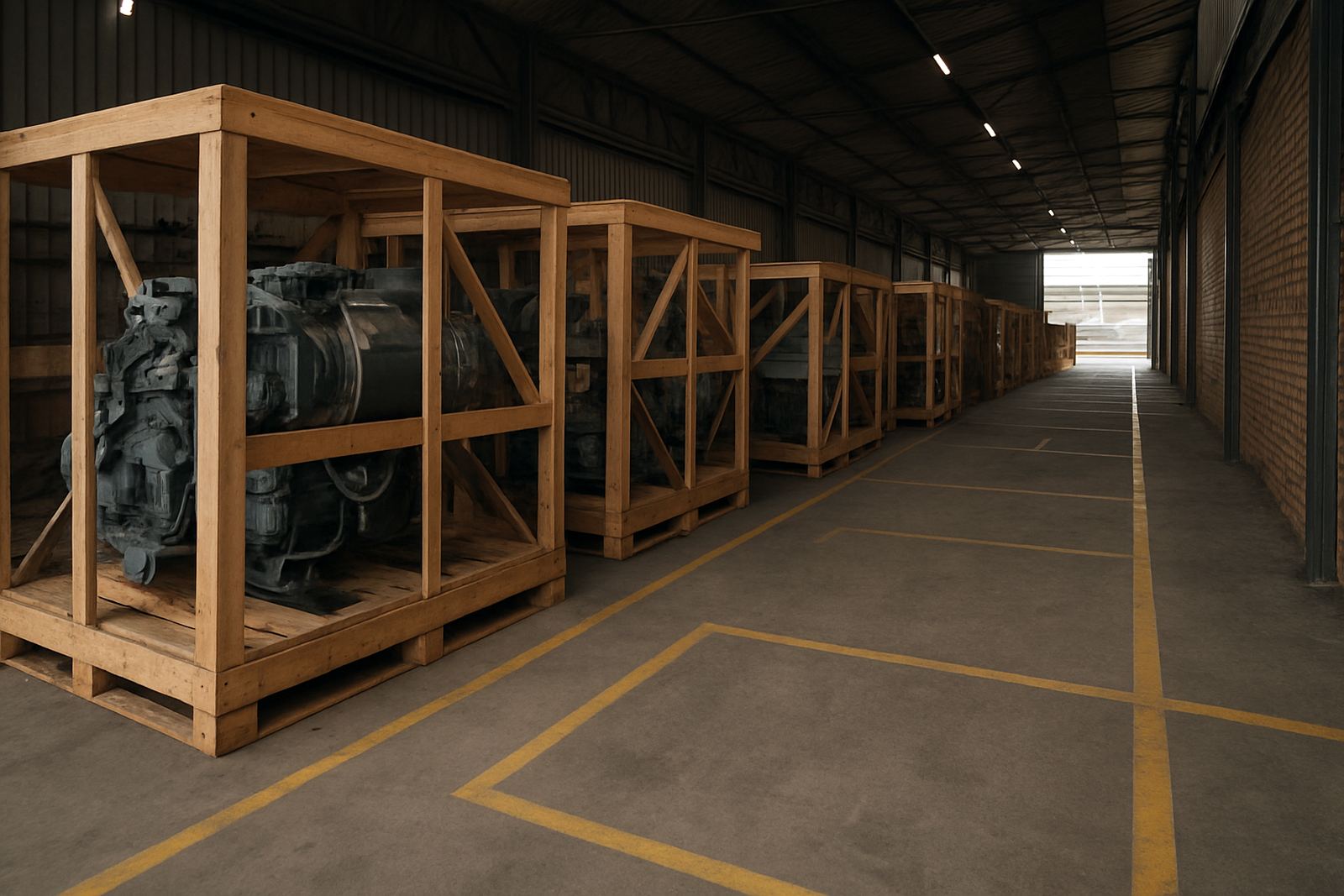
Our notes also cover bonded storage, cargo insurance, and site offloading. That matters when a machine has to wait for floor space, a foundation, or electrical work before installation. In humid coastal conditions, leaving equipment standing too long without proper packing can lead to rust and electrical faults.
- Confirm offloading method before the truck leaves the depot
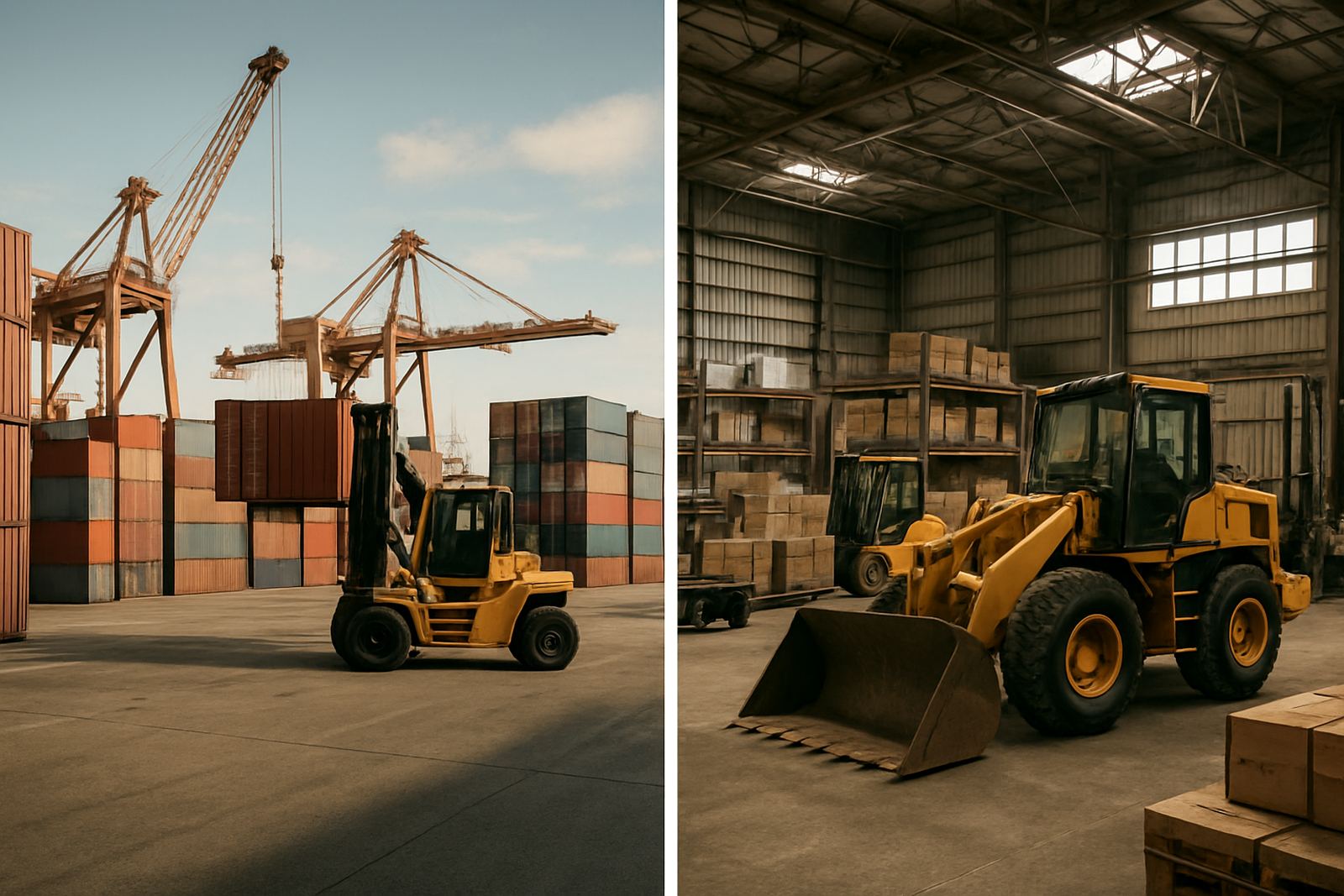
- Check whether the site needs cranes, forklifts, or skates
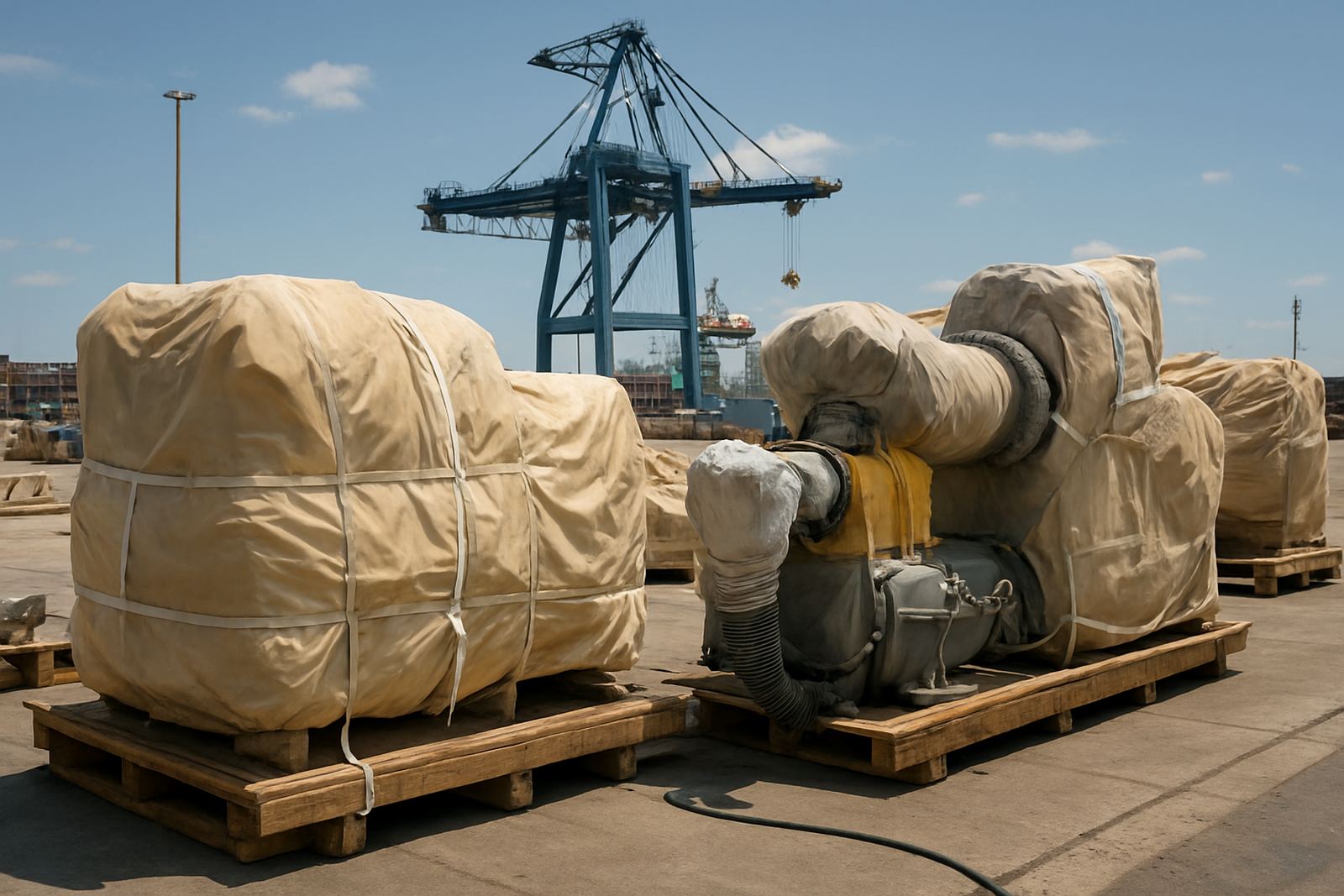
- Allow for security, storage, and weather protection if the machine will stand outside
- Keep delivery notes, proof of collection, and release papers together
Why this matters for South African operators
In South Africa, time, transport cost, and compliance often decide whether a machine earns or sits idle. A workshop owner in Durban does not need legal jargon, they need to know what documents to ask for, how long cargo may wait at the port, and when to call for inland transport. The same applies to fleet managers and procurement teams in Johannesburg and Cape Town.
Trade Notes are written for that purpose. They give practical guidance for buyers who want clean handover, proper clearing, and fewer surprises on the final invoice. If you are comparing shipping options or planning a machinery move across provinces, use the notes to prepare before the cargo lands.