Why storage choice matters after cargo release
Once customs has released the shipment, the clock changes. Port storage can keep cargo close to the vessel, which helps when a truck slot is not yet confirmed, but it also means you keep paying terminal charges if the container sits too long. Inland storage moves the cargo away from the harbour environment and can suit businesses that need extra time for planning, split deliveries, or production scheduling.
In Durban, this decision matters because port congestion, traffic on the N3, and gate timing can turn a simple collection into a costly delay. A fleet operator bringing in tyres, filters, or replacement parts for depots in Gauteng may prefer inland storage near Jet Park or City Deep, while a contractor with urgent plant spares for Umbilo or Springfield Park may want direct release and same-day collection. If the cargo is ready but the site is not, storage can stop demurrage from running up faster than the goods are worth.
Port storage works best when speed is the real issue
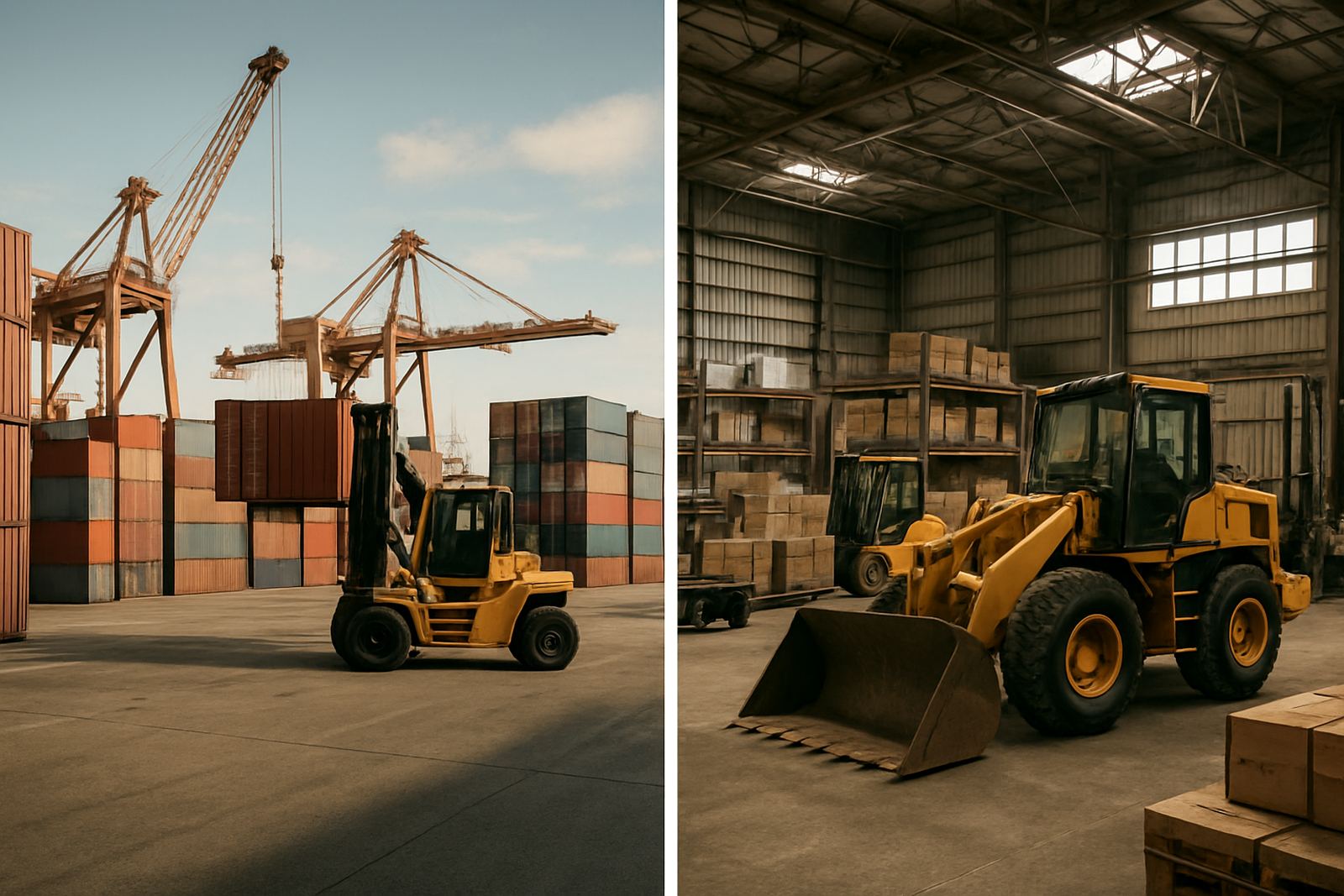
Port storage is usually the shortest bridge between release and handover. It suits cargo that is already cleared, has all documents in order, and will be moved within a tight window. This can include automotive parts, sealed pallets, and machinery components that are not fragile enough to need long term warehousing. At the harbour, the main advantage is proximity. The main drawback is cost, because port charges are often higher than inland rates once the free time is gone.
For importers in the Durban harbour corridor, port storage can be the safer option when the consignee is still waiting on transport, a bank release, or final delivery instructions. It is also useful where the cargo must be collected under specific security rules or when a short delay is expected due to load-shedding affecting the receiving yard or a breakdown in the local truck schedule. The key is to know your cut-off times before the container lands.
- Best for urgent cargo with a collection plan in place
- Useful when delivery timing is still being finalised
- Can reduce the need for double handling if collection is immediate
- Often more expensive if cargo sits longer than planned
Inland storage suits planning, staging, and lower handling pressure
Inland storage gives you more breathing room. Once cargo is moved out of the port area, you can stage goods closer to the final customer, a workshop, or a distribution centre. This is often the better choice for fleets that receive regular spares, or for automotive businesses that need to break bulk and dispatch to several branches. It also helps where the consignee needs time to confirm counts, sort paperwork, or arrange site offloading at a location with limited space.
Areas such as Springfield Park, Jet Park, City Deep, and Paarden Eiland are practical for inland storage because they sit near freight routes and industrial users. A Durban importer bringing in machinery for clients in Gauteng may find it cheaper to collect once from the port, store inland for a short period, then dispatch in planned loads. That reduces repeated port visits and cuts down on drivers waiting at the terminal gate.
- Better for staged deliveries and split loads
- Can lower pressure on collection timing
- Works well when final site space is limited
- Helps keep cargo out of the humid harbour environment for longer holds
What to check before you book storage space
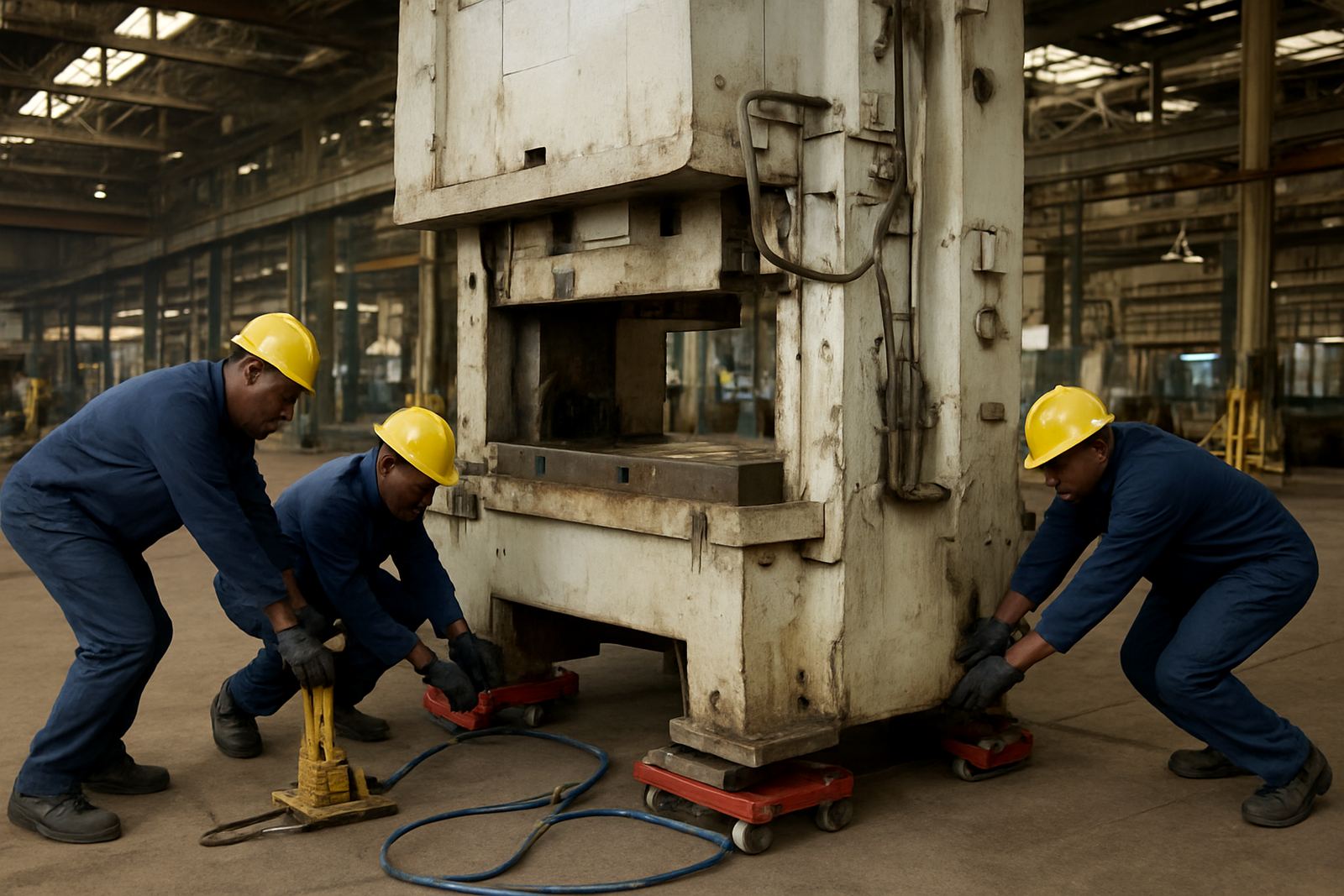
Storage is not just a space decision. You need to match the cargo type, the release status, and the final delivery plan. Machinery parts may need dry conditions and careful stacking. Automotive stock may need barcode counts and controlled access. Some cargo can sit in a yard for a short period, but sensitive items need covered storage and proper handling equipment. If there are batteries, fluids, or regulated components, make sure the storage point is approved for that type of cargo.
Ask these questions before committing:
- How many free days remain at the port or depot?
- What are the daily charges after free time ends?
- Is the cargo under bond, and if so where may it be stored?
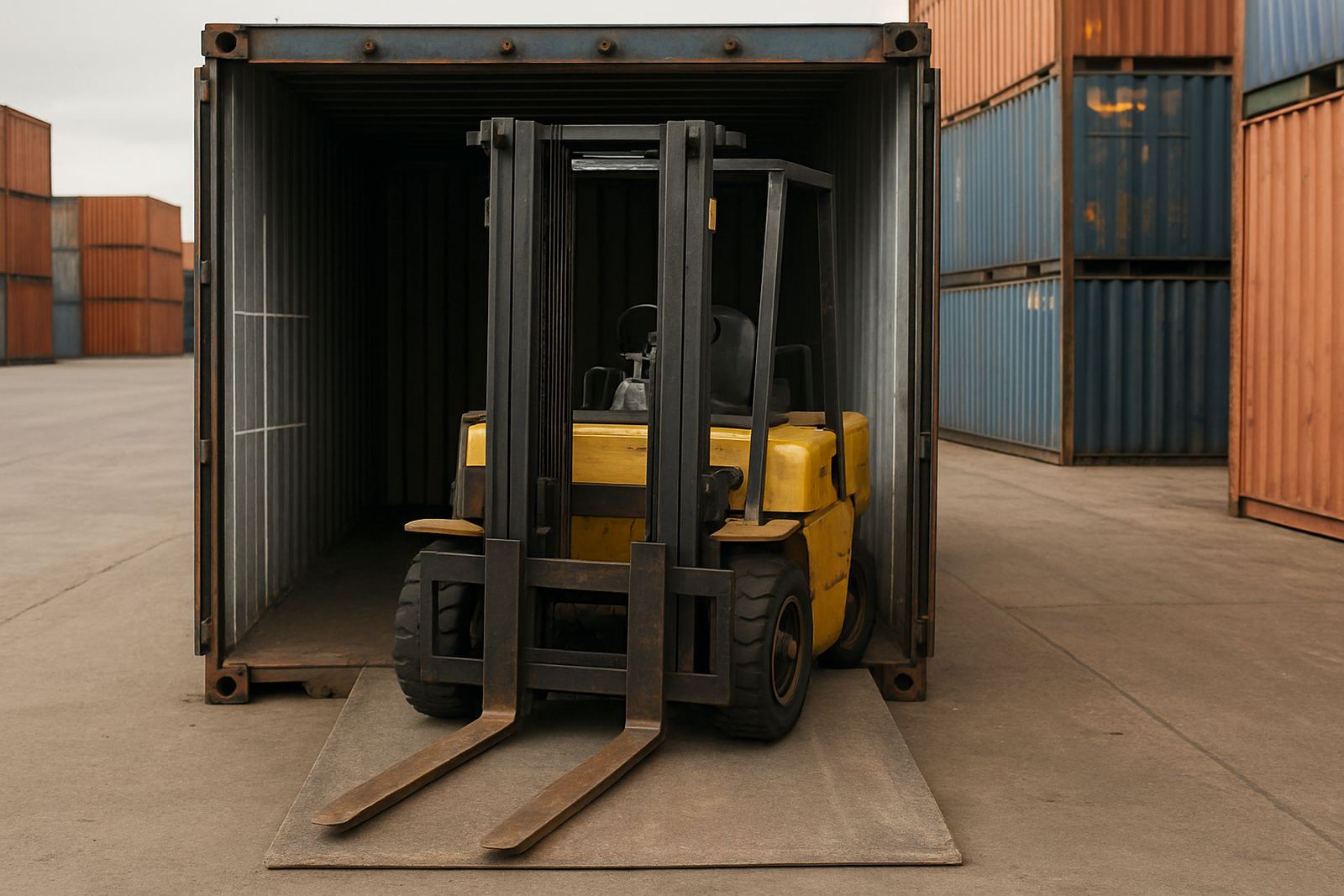
- Will the receiving site need a crane, forklift, or side loader?
- Can the cargo be offloaded safely at the destination?
- Are all customs documents, tariff lines, and release notes complete?
If one part of the chain is missing, storage time can stretch quickly. That is where document control and clear handover instructions matter just as much as the warehouse itself.
A Durban example: from harbour to Gauteng without wasted time
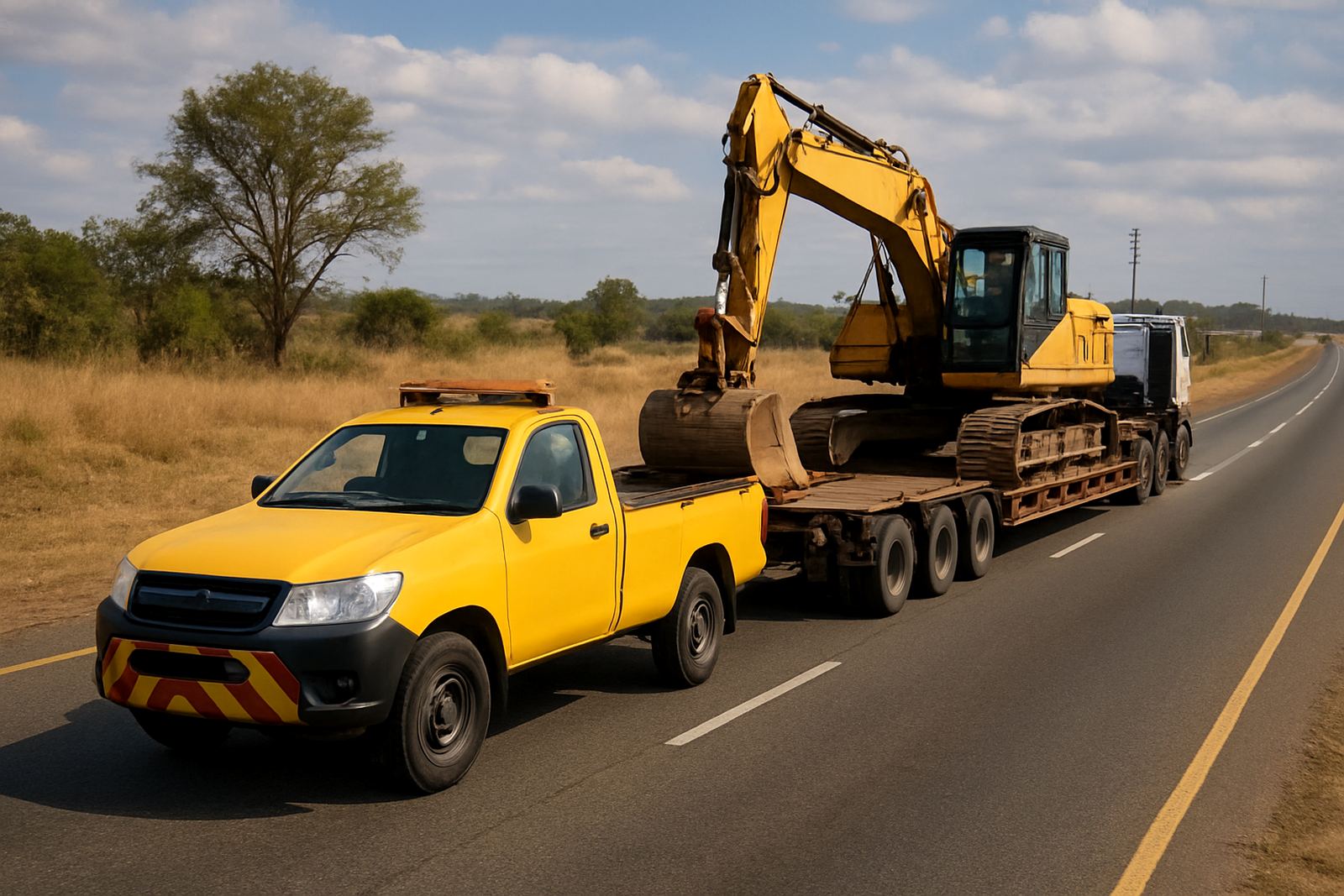
Take a Durban importer clearing a consignment of workshop machinery for a fleet repair business in Jet Park. If the machine is released on a Friday afternoon and the site cannot receive it until Monday, leaving it in port storage may be the quickest fix for one night. But if the cargo must be split between the Jet Park workshop and another branch in City Deep, inland storage is usually smarter. The load can be taken inland, checked against the packing list, then sent out in smaller drops with proper booking times.
That approach also helps with weather and handling. Coastal humidity in Durban can be hard on unwrapped equipment, and repeated lifts at the port increase the chance of damage. Inland storage does not remove all risk, but it gives more control over timing, inspection, and onward transport. For many businesses, that control is worth more than trying to save a small amount on the first day.
How Machines Africa Hub handles the handover between storage and transport
Machines Africa Hub works across import planning, clearing, port collection, inland transport, and bonded storage so the handover does not become the weak point. From Umbilo in Durban, the team can coordinate release details, check the customs status, line up transport, and advise whether port storage or inland storage is the better fit for the cargo and the delivery deadline. That is especially useful when the shipment is moving between Durban, Johannesburg, and Cape Town and each point has its own timing and access rules.
For a business, the goal is not to store cargo for the sake of it. The goal is to keep the goods moving without paying unnecessary charges, damaging the cargo, or missing a receiving slot. When storage is chosen properly, it buys time only where time is needed. When it is chosen badly, it becomes a cost that keeps growing while the cargo sits.
The practical rule: store where the next step is easiest
If the next step is collection from the harbour, port storage may be enough for a short hold. If the next step is sorting, staging, or multi-drop delivery, inland storage often makes more sense. The right answer is usually the one that reduces total cost from release to final delivery, not just the cheapest storage rate on paper. In South African logistics, that means looking at gates, trucks, clearance paperwork, and the real timing on the ground, not only the quote.
Good storage decisions protect margins. They also protect relationships with customers who want their equipment on site when promised, not a week later because a container was left in the wrong place for too long.