









Start with the right guide for your import
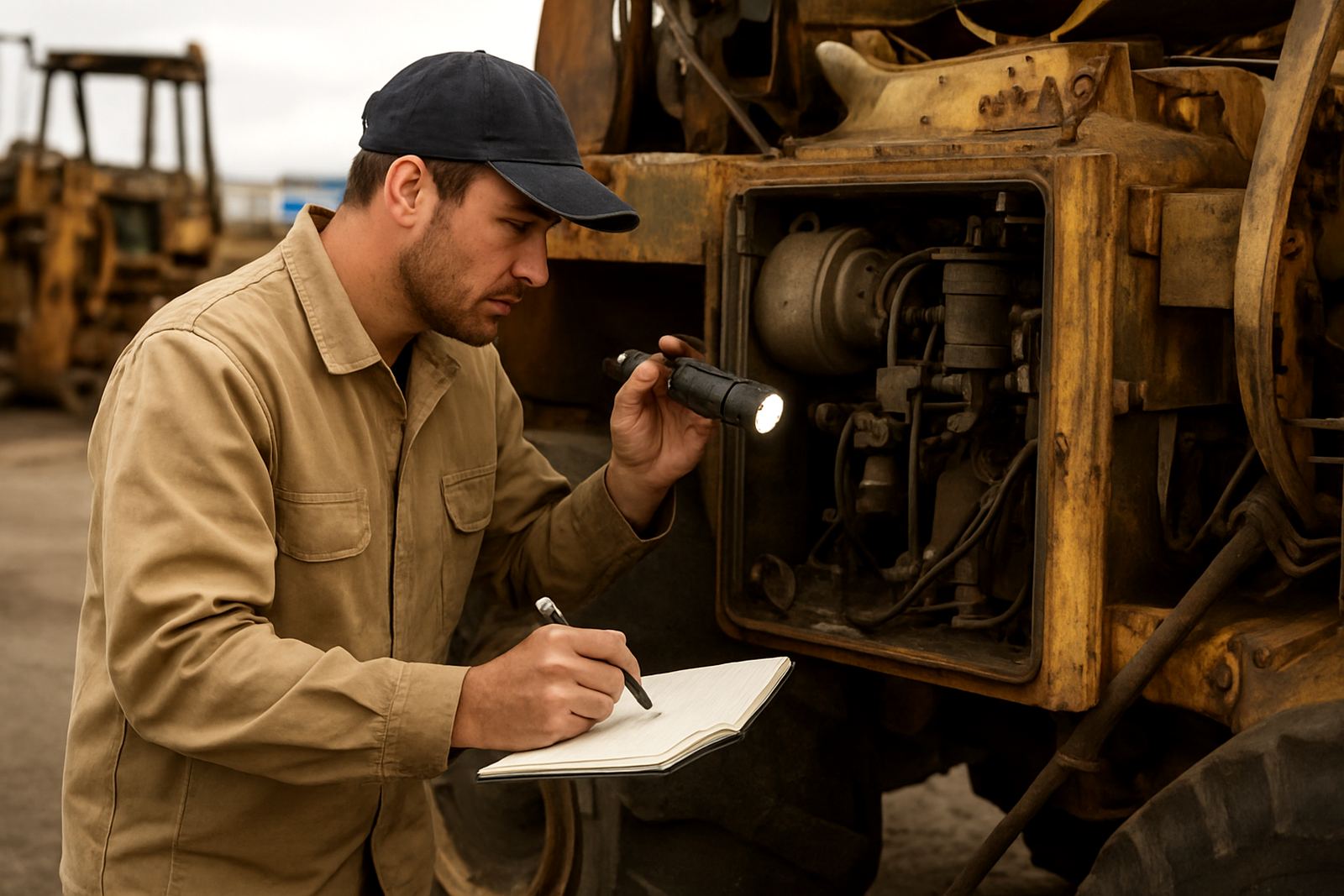
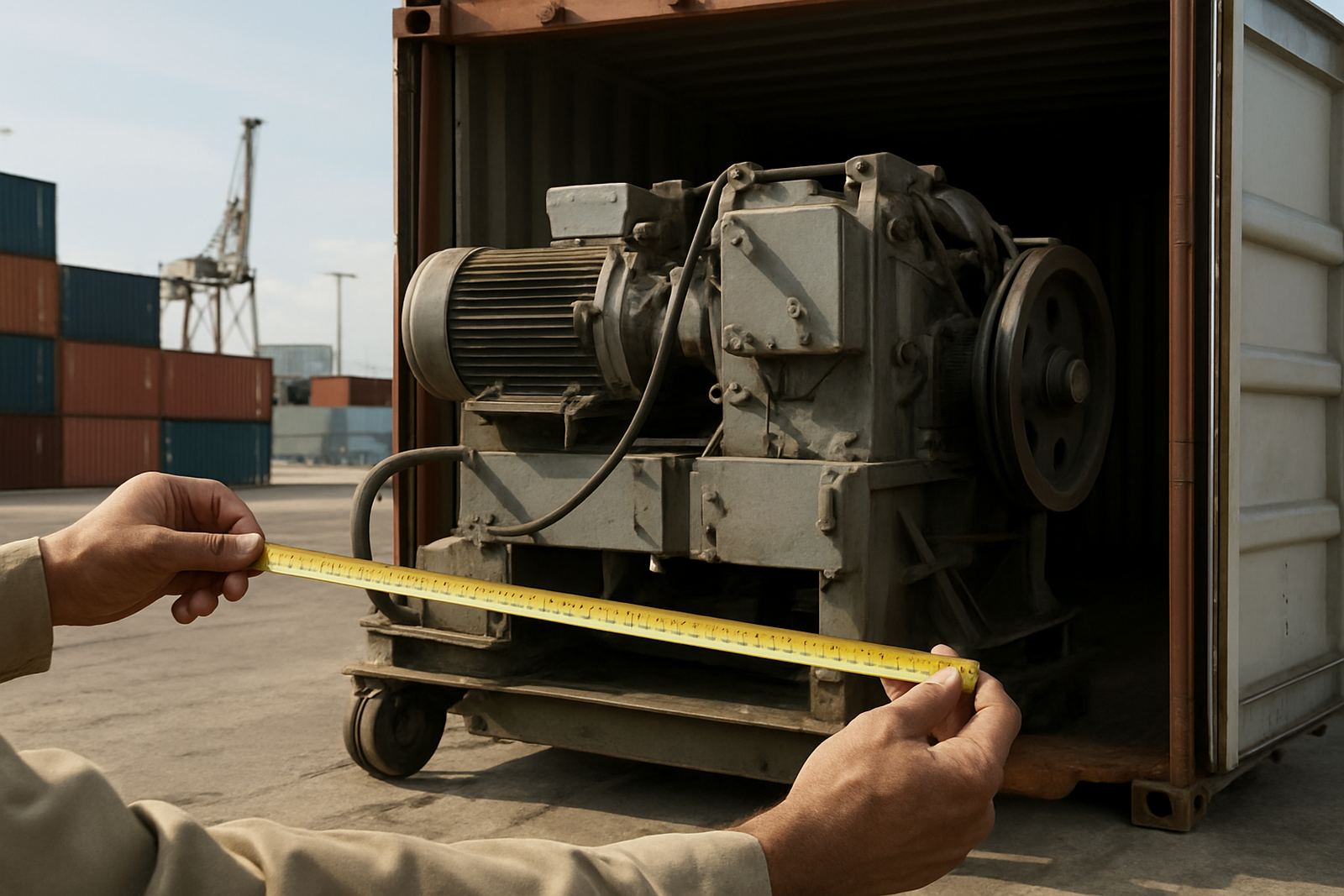
Not every machinery import needs the same level of planning. A containerised spare part shipment from Durban does not carry the same risk profile as a lowbed movement from the port into Gauteng, and a used plant item with missing paperwork needs more checking than a standard new unit. These guides are arranged to help you match the subject to the job at hand.
If you are comparing options, begin with the topic closest to your next shipment, then work outward into customs, transport, storage, and delivery. That gives your team a cleaner view of costs, timing, and documents before anything reaches the harbour or a bonded facility.
- Buying and importing a single machine
- Managing repeat shipments for a fleet or workshop
- Clearing equipment through Durban, Johannesburg, or Cape Town
- Planning inland transport after port release
- Checking documents before cargo is shipped
Across the import chain
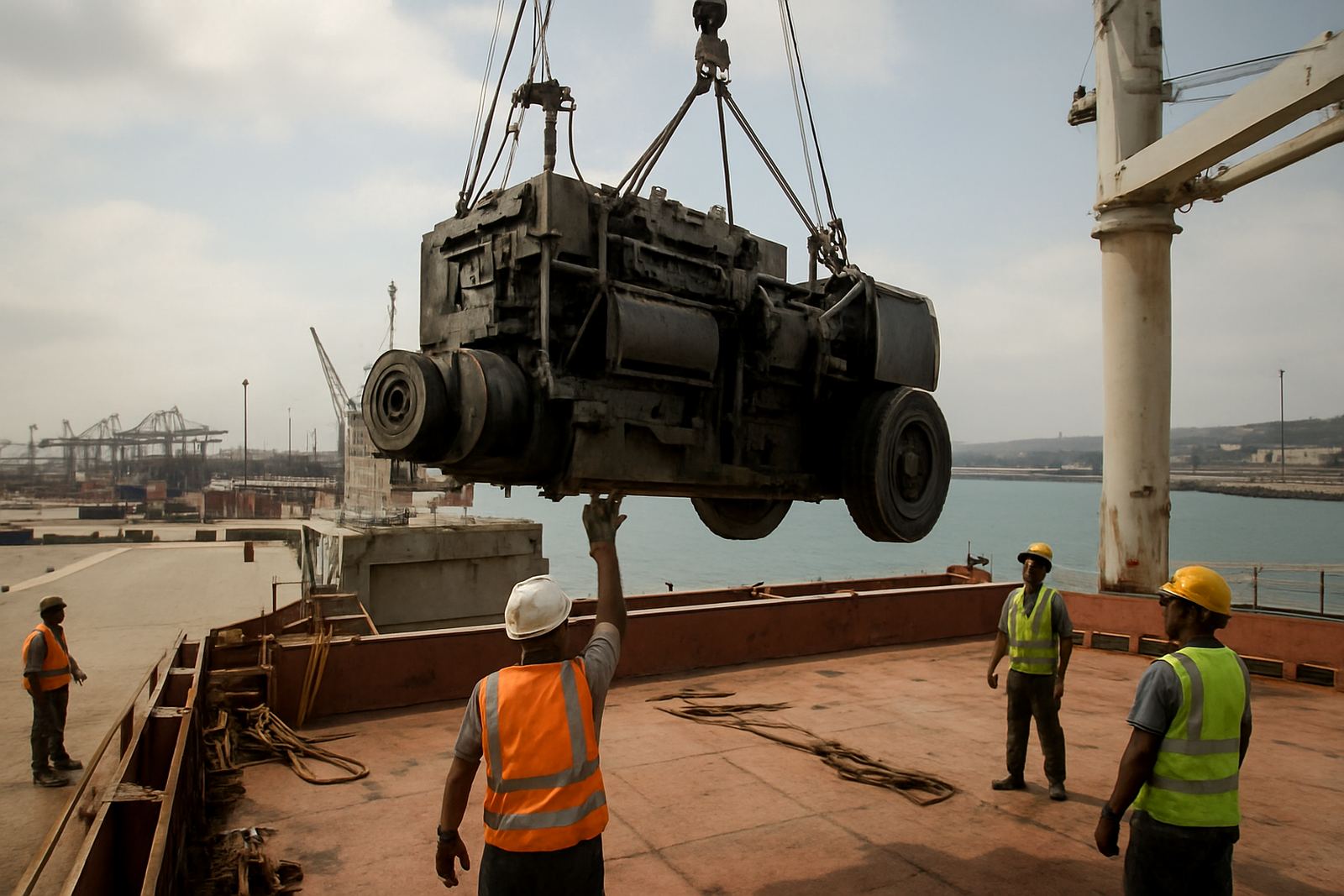
Our guides follow the full movement of machinery from supplier to site. That includes import planning, shipping coordination, customs clearing, tariff classification, port collection, inland transport, cargo insurance, bonded storage, site offloading, and document management. Each topic is kept practical, because in real trade work a missed code or late instruction can hold up release for days.
You will also find notes that matter in South Africa, such as after-hours port work, load-shedding on site, coastal humidity in Durban and Cape Town, and municipal access restrictions for oversized loads. If a machine must move through Umbilo, Springfield Park, Jet Park, City Deep, or Paarden Eiland, the route and timing can change the whole plan.
- Customs and tariff basics for machinery
- How to prepare supplier documents
- When to use bonded storage
- What inland transport needs before booking
- How to manage offloading at the destination
How to choose the guide that fits your shipment
Choose based on the stage you are in now, not the stage you hope to be at next week. If the supplier has not issued the final invoice or packing list yet, a compliance guide is more useful than a transport guide. If the cargo is already at the port, then clearance and collection become the priority. That simple order saves time and reduces back-and-forth between buyers, agents, and drivers.
For larger projects, use more than one guide together. A fleet manager may need import planning for procurement, customs clearing for release, and site offloading for commissioning. That is often the best way to avoid delay charges, re-handling, or damage during peak traffic around Durban harbour corridor routes.
Documents that must be checked before shipment
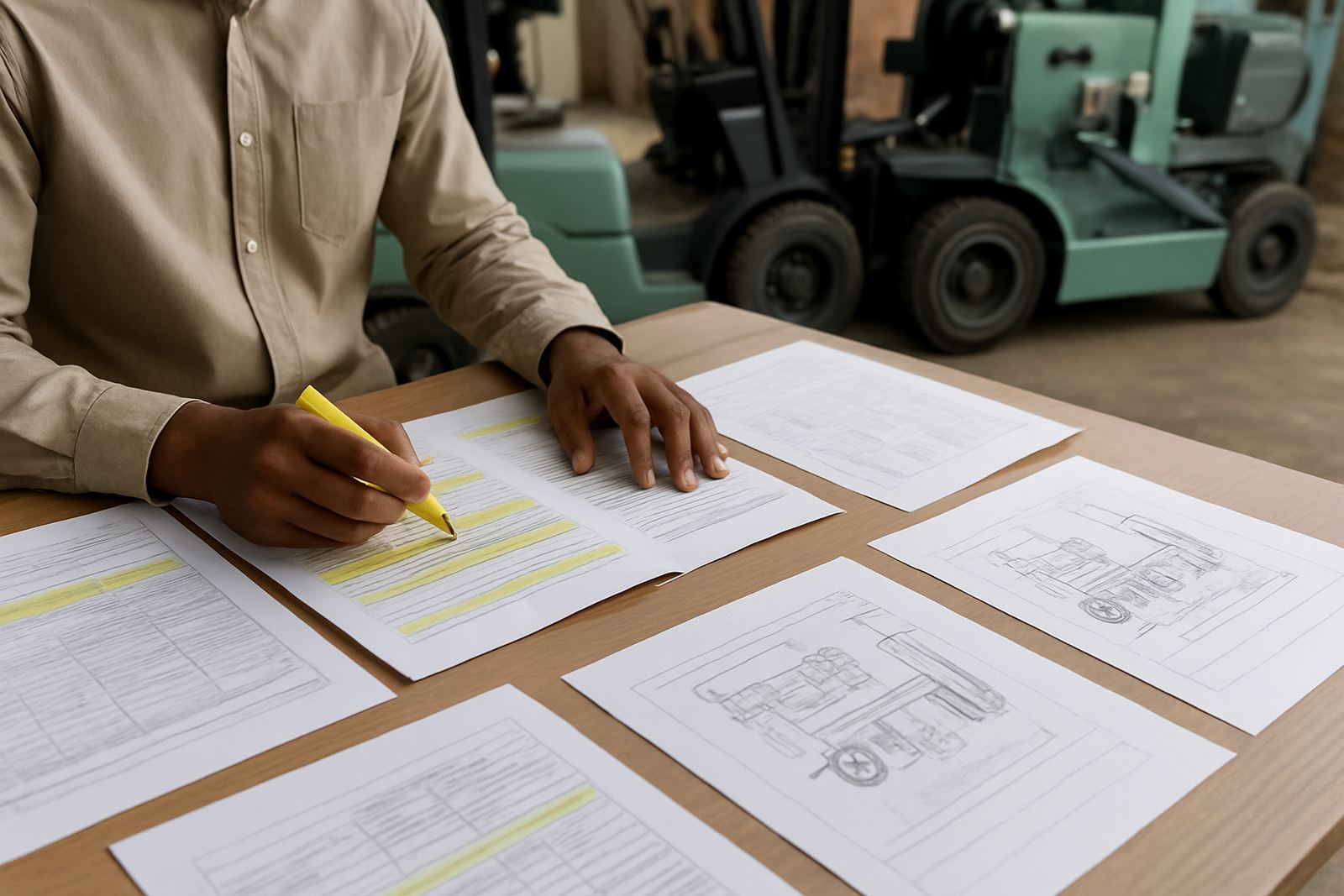
Good import work starts with the paperwork. The guides explain how to check commercial invoices, packing lists, serial numbers, country of origin, bill of lading details, and any certificates needed for specific machinery. If the description is vague or the quantities do not match, clearing can slow down quickly. A small error in the document pack can affect duty, VAT, and release timing.
For used machinery, extra attention is needed on condition reports, age, and whether the item is complete for the intended use. If you are importing into South Africa for a workshop, plant, or transport depot, your paperwork should match the actual equipment on arrival, not only the supplier quote.
- Invoice and packing list details
- Serial numbers and model references
- Origin and routing documents
- Any permits or supporting certificates
- Contact details for the importer and consignee
Clearing, collection, and inland delivery after release
Once cargo clears, the next risk is movement. Port collection has to line up with truck availability, gate hours, equipment condition, and the delivery site. The guides show how to plan for rigid trucks, flat decks, lowbeds, or crane assist where needed. In places like City Deep or Jet Park, access timing and yard space can matter just as much as the customs side.
If your site has limited turning space, uneven ground, or no forklift on hand, plan the offloading method before the machine leaves the harbour. This is especially important in summer rain and in coastal areas where salt air can affect exposed metal if cargo sits too long.
Who should use these guides in your team
Procurement can use them to line up supplier documents. Operations can use them to set dates and resources. Finance can use them to estimate duty, VAT, insurance, and transport charges. Compliance teams can use them to check tariff treatment and make sure the shipment is declared properly. When everyone works from the same notes, the import is easier to control.
Machines Africa Hub is based in Umbilo, Durban, with clearing support for Johannesburg and Cape Town, so the guidance is written for real movement through South African ports and inland corridors. If you need help on a specific case, send the cargo details and paperwork through our contact form and the right team member can look at the next step.