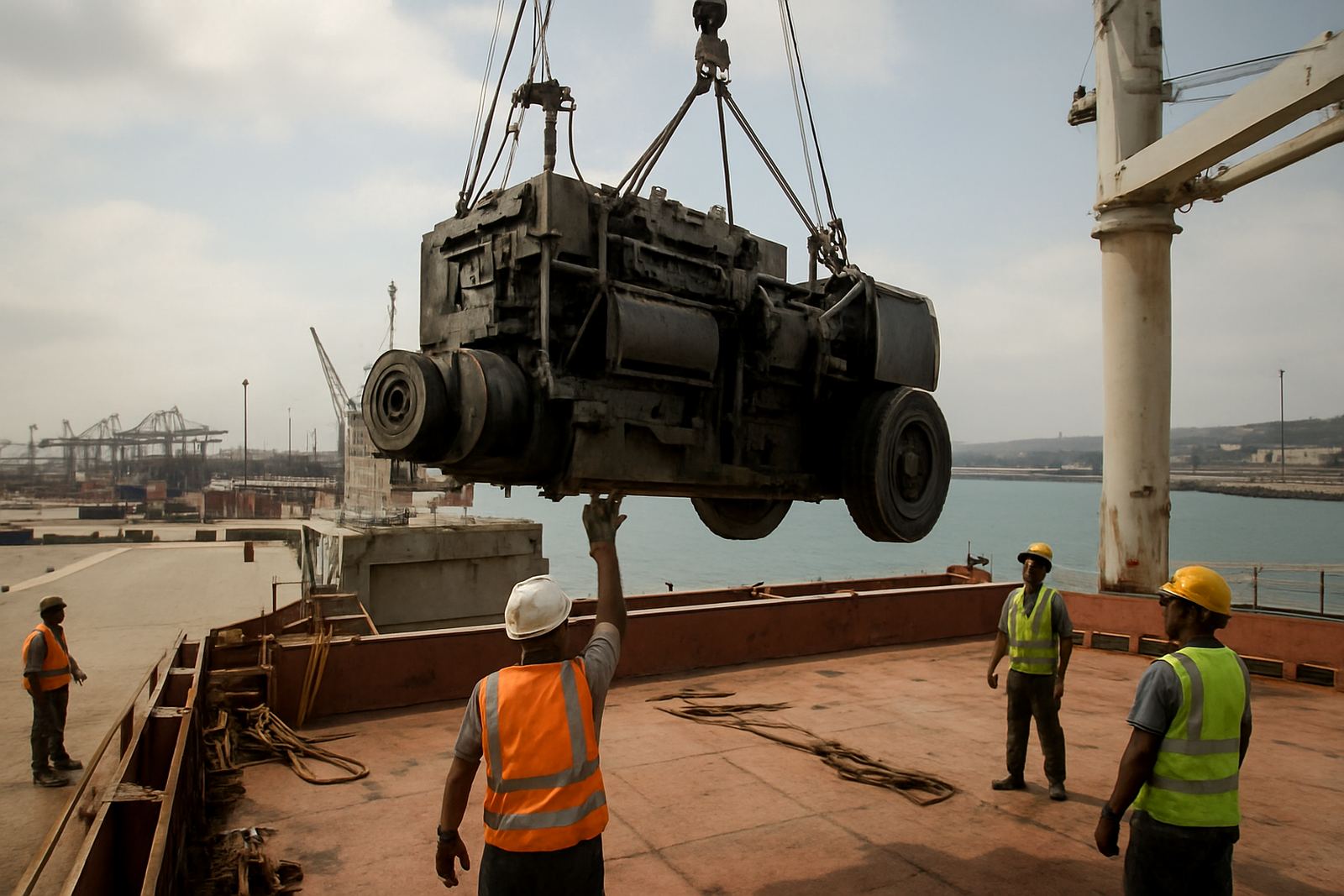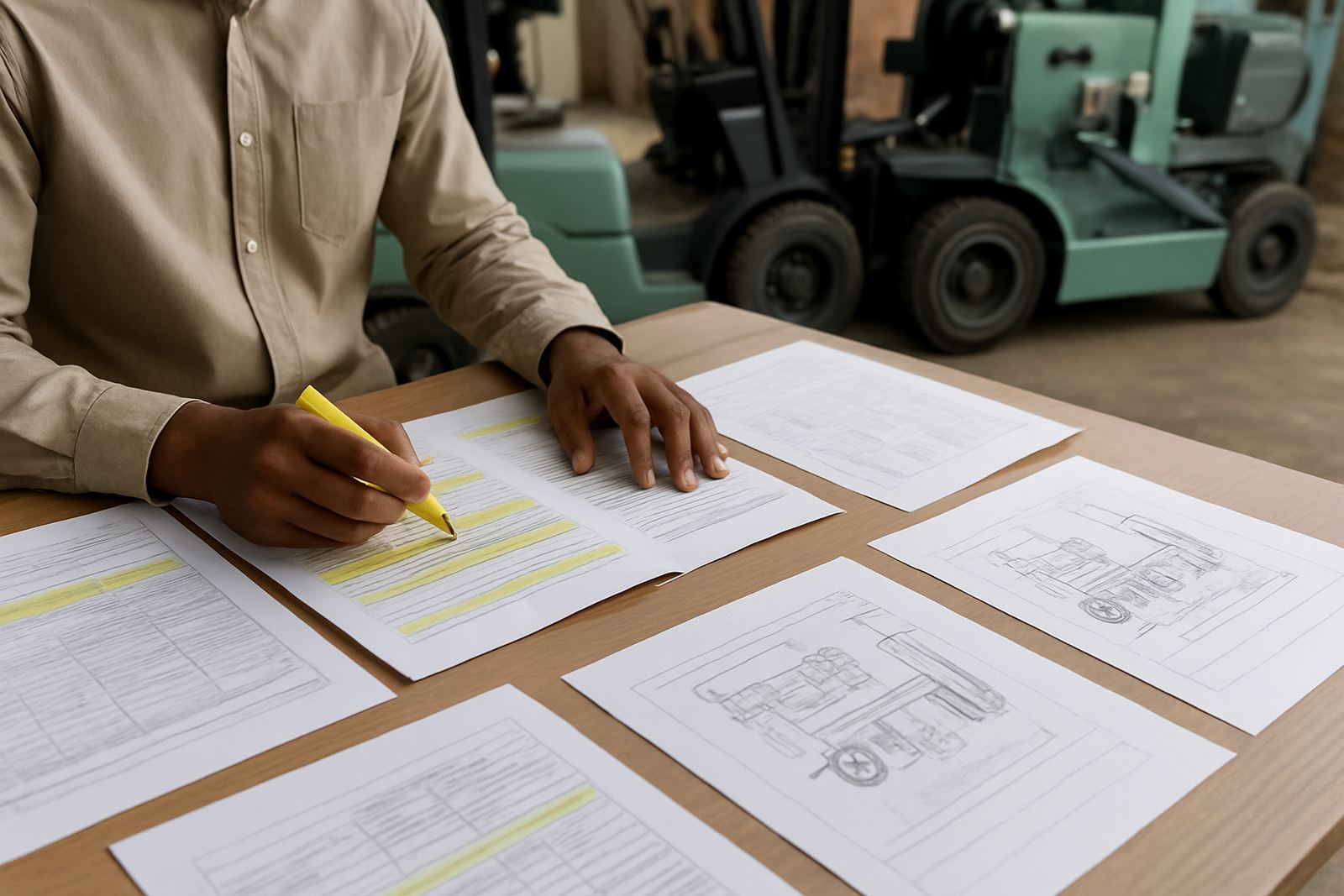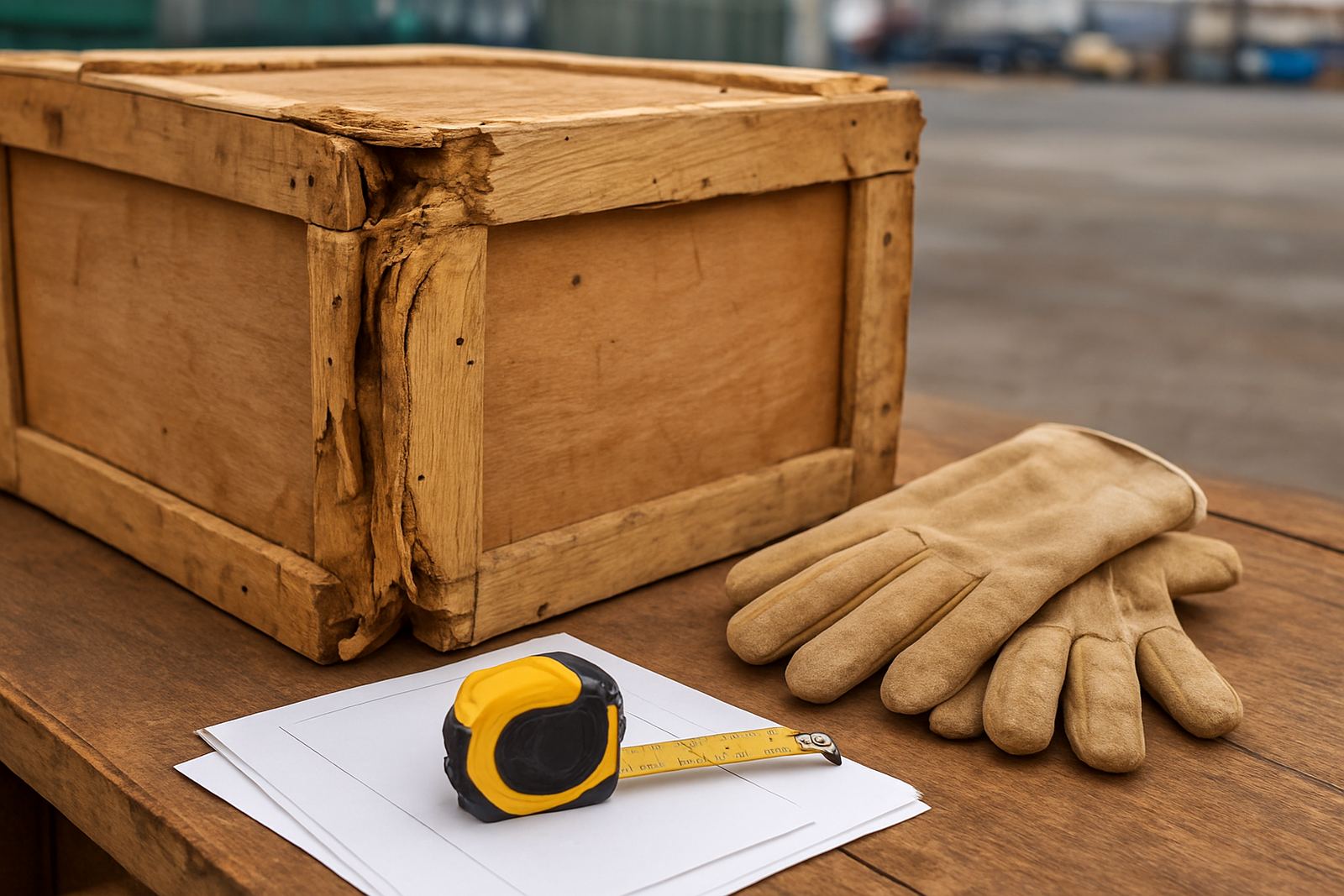
Check the machine before it leaves the port or depot
Do not sign off in a hurry. If a unit has visible dents, broken guards, oil leaks, bent frames, missing parts, wet cartons or damaged crating, note it straight away on the delivery note, release document or receiving sheet. If you are collecting from Durban harbour, Springfield Park, Jet Park, City Deep or Paarden Eiland, ask the driver, depot clerk or site supervisor to wait while you inspect the load properly.
For machinery moving through the Durban harbour corridor, inland to Johannesburg, or down to Cape Town, damage can happen during offloading, lashing, transfer, or final delivery. If you accept the load without noting the issue, the insurer may ask why the exception was not recorded at handover. That is where claims often stall.
Photographs and notes that actually help a claim
Take clear photos before anything is moved unless it is unsafe to do so. Use a phone camera on the highest setting available. Shoot wide shots and close-ups. If the machine was packed, photograph the outer packaging, pallet, straps, corner boards, seals and any broken timber. If it is a larger item, include the trailer, container, forklift marks and the surrounding area for context.
Write down the basics while they are still fresh. Date, time, place, container number or truck registration, who received the goods, and the exact condition observed. If there is oil on the floor, loose bolts, cracked glass, or a control panel that is no longer intact, say so in plain language. A short note with proper detail is often better than a long story with no facts.
- Photograph the machine from all sides
- Capture close-ups of the damage and any packaging failure
- Record the seal number, container number and truck registration
- Note the date, time and location of delivery or collection
- Keep the signed delivery note with any exception marked clearly
Report the damage without delay
Once the condition has been recorded, report it as soon as possible to the transporter, the clearing agent and the insurer if cover is in place. Many policies have time limits for notice of loss, and late reporting can complicate matters. A quick message is usually best because it creates a paper trail. Include the job reference, invoice number, and the delivery note with the damage noted.
At Machines Africa Hub, we always advise clients to send their details through our contact form the same day if possible, especially where cargo moved through busy points like Durban harbour, Umbilo, or a port collection point in Cape Town. If the machine is critical for production, let us know whether it can be isolated, repaired locally, or returned to safe storage while the claim is assessed.
Documents insurers normally ask for
Keep all shipping and clearing papers together in one file. Missing paperwork slows everything down, and sometimes the insurer will not finalise a claim until the full record is supplied. If the cargo came in under bonded storage or moved by inland transport, include every handover document from point A to point B.
- Commercial invoice and packing list
- Bill of lading, sea waybill, or airway bill
- Customs clearance documents and release papers
- Delivery note with damage remarks
- Photos and short written statement of the incident
- Repair quotation or assessor report, if available
- Police report if theft, hijacking, or suspected criminal damage is involved
For fleet and automotive equipment, add chassis numbers, serial numbers, mileage where relevant, and any fitment records. If a part was missing on arrival, list the part number if you have it. This makes it easier for the insurer to compare what was shipped with what was received.
When to move the machine and when to leave it alone
Do not start repairs before the insurer or surveyor has had a chance to inspect unless the damage creates a safety risk. If a machine is leaking hydraulic fluid, has exposed wiring, or cannot be moved without causing more harm, isolate the area and keep the equipment secure. If possible, store it under cover in a dry place because coastal humidity in Durban and Cape Town can make corrosion worse within days.
If the machine needs to be reloaded or transported to a workshop, take fresh photos before it moves again. Keep all damaged parts, packing material and broken fittings in a safe place. That includes bolts, brackets, seals and any loose items that came off during transit. Small parts matter more than many people think.
How Machines Africa Hub supports the claim process
Insurance claims are easier when the logistics record is clean from the start. Our team in Umbilo, Durban works with import planning, shipping coordination, customs clearing, tariff classification, port collection, inland transport, cargo insurance support, bonded storage, site offloading and document management. That means we can trace what happened at each handover and help you put the timeline together properly.
Sibusiso Ntuli and the operations team work across Durban, Johannesburg and Cape Town to keep the paperwork aligned with the cargo movement. If you need a copy of release papers, transport references, or a summary of the route, we can assist. The quicker the facts are gathered, the sooner the claim can move. Simple as that, even when the cargo is not.
- Keep one contact person on the claim
- Store all photos and messages in one folder
- Do not sign a clean receipt if damage is visible
- Ask for help before repairs begin
- Send supporting documents together, not one by one