1. Check whether your machine is suitable for breakbulk
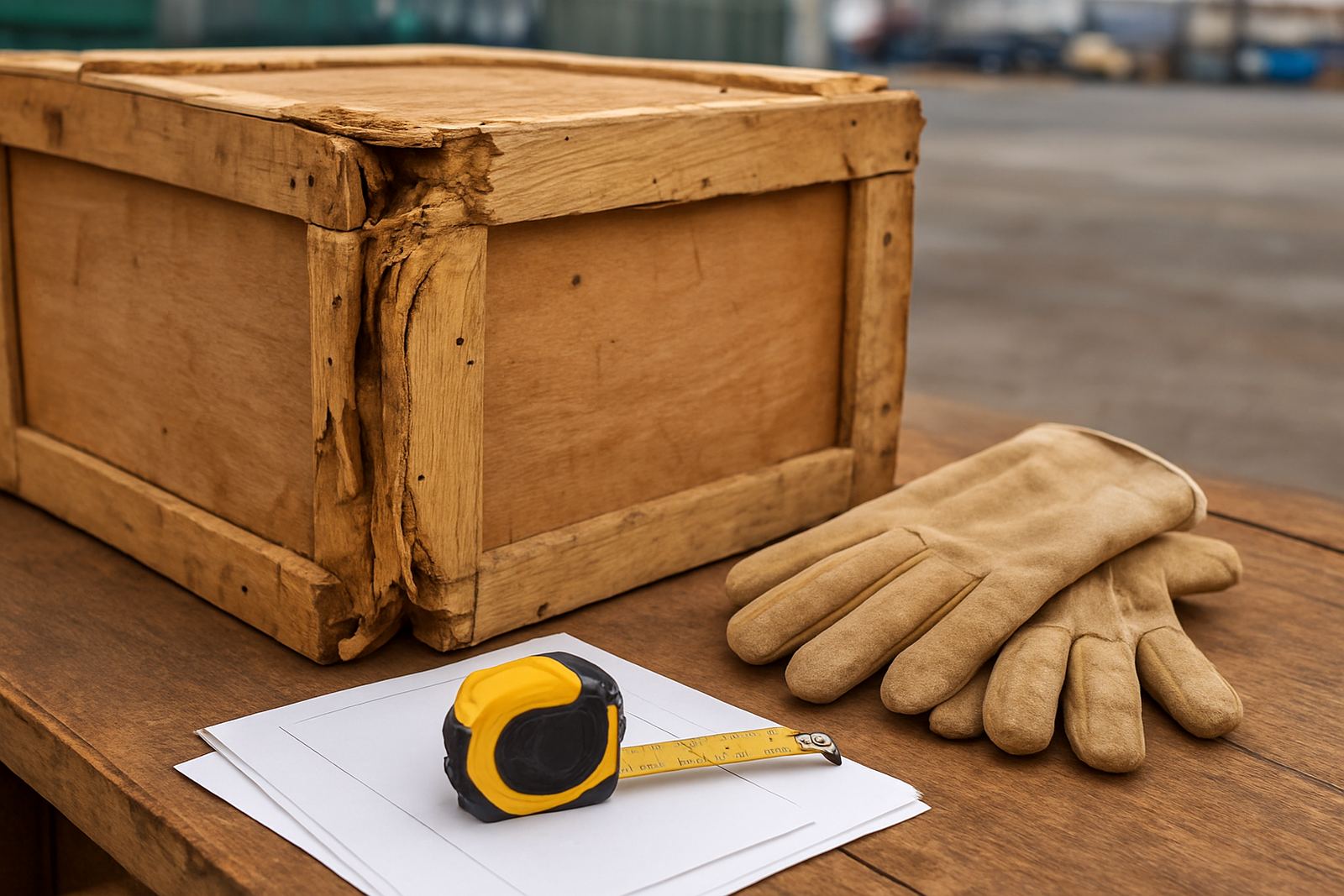
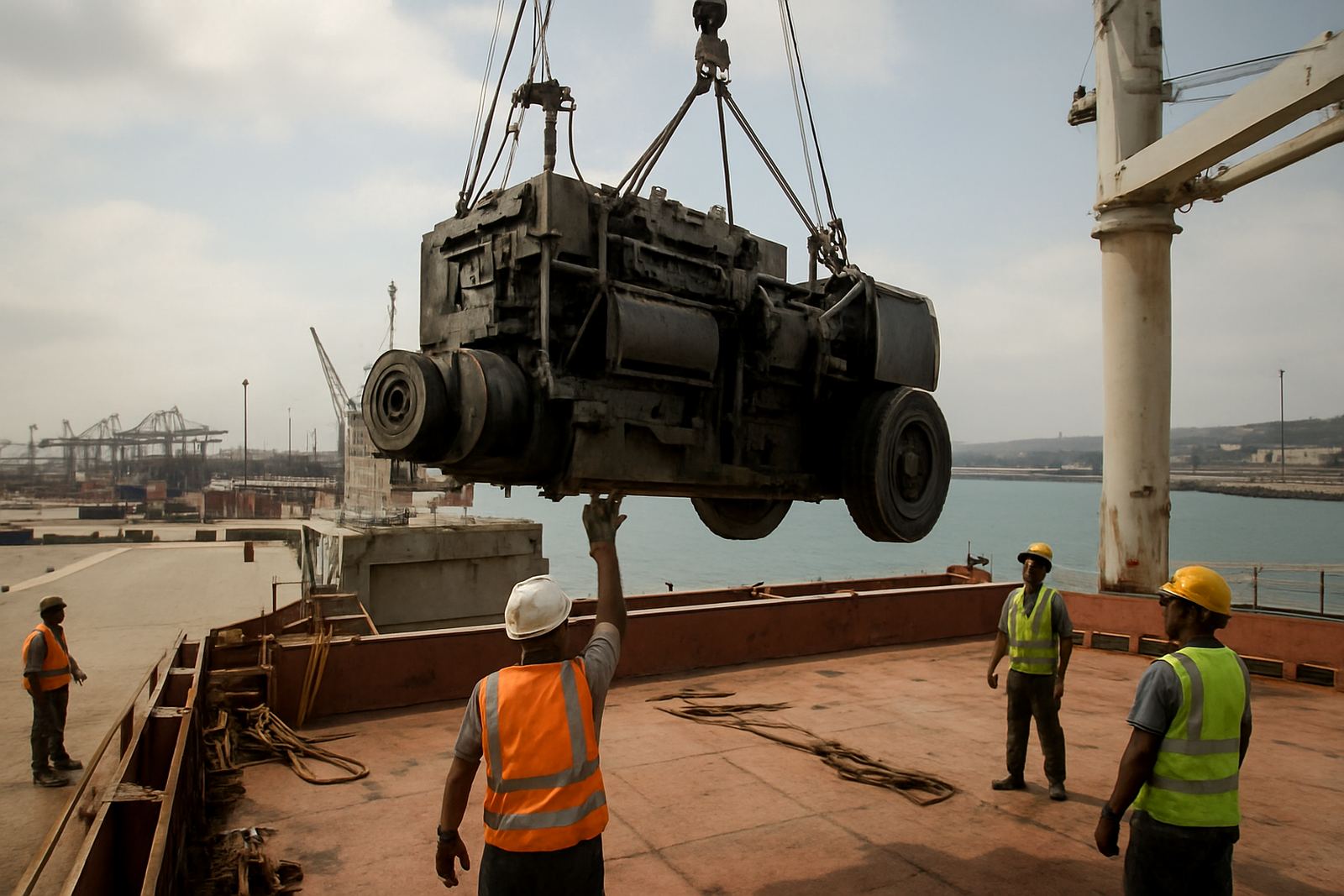
Breakbulk is used when machinery cannot move safely in a container because of size, weight, lifting points or the need for special handling. Typical loads include presses, compressors, generators, pumps, earthmoving attachments, production lines and fleet equipment. Before booking, measure the overall length, width, height and weight of each unit, then confirm whether it can be lifted by crane, forklift or both.
Do not guess the final dimensions. Remove loose parts, pallets and oversize accessories first, then remeasure. A machine that looks manageable in a workshop can become awkward once it is packed, banded or placed on a steel base. Around Durban, humidity can affect exposed steel quickly, so you also need to think about wrapping and rust protection from the start.
- Record gross weight and net weight
- Note centre of gravity if known
- Identify lifting points and weak areas
- Check if the machine can be drained of fuel, oil or coolant
- List any parts that must travel separately
2. Prepare the information your forwarder and clearing agent will need
A clean booking starts with accurate paperwork. Your logistics team needs a full description of the machine, the country of origin, the shipper and consignee details, plus the final delivery point. If the cargo is going through Durban and then inland to Johannesburg, or from Cape Town through Paarden Eiland to a site in Gauteng, that routing must be clear before the shipment leaves origin.
Bring the documents together early so tariff classification and customs clearing can begin without delay. Missing serial numbers, vague descriptions and late invoices are common causes of hold ups. In South Africa, the customs value, HS code and supporting paperwork must line up, otherwise the port can ask for extra detail and the cargo sits.
- Commercial invoice and packing list
- Serial numbers and model details
- Bill of lading or sea waybill
- Import permits, if applicable
- Insurance details and declared cargo value
- Delivery address with contact names and site hours
3. Plan the booking around port windows, lifting gear and road access
Breakbulk booking is not only about the vessel space. It is also about crane availability, berth planning, port congestion and how the cargo will be collected after discharge. Durban harbour corridor movements need tight coordination because the port area, storage yard and transport vehicle must all line up. If the site is in Umbilo, Springfield Park, Jet Park, City Deep or Paarden Eiland, route planning should be done before the shipment lands.
Check the receiving site as well. Is there enough space for a flatbed, lowbed or crane truck to turn? Are there gate limits, bridge restrictions, overhead cables or municipal loading rules? Some factories only allow offloading in specific hours, and load-shedding can affect forklifts, yard lights and gate systems if the site is not prepared. A little planning here saves many phone calls later.
- Confirm vessel ETA and discharge window
- Book suitable lifting equipment for the cargo weight
- Check road height, bridge and axle limits
- Arrange site access, security and offloading crew
- Plan standby time in case of weather or port delays
4. Use the right packing, lashing and weather protection
Once the machine is accepted for breakbulk, it must be packed for sea movement and terminal handling. That usually means timber blocking, steel strapping, shrink wrap, waterproof sheeting or custom cradles depending on the cargo shape. Coastal humidity in Durban and Cape Town can cause staining or corrosion on unprotected surfaces, so rust prevention is worth doing properly. If the machine has sensitive electrics, make sure the controls are sealed and tagged.
Clear marking helps everyone on the chain. Each piece should show consignee name, piece number, gross weight, lifting points if relevant and any upright arrows. Keep the cargo easy to identify, especially if the shipment includes several loose items and accessories. If the pack is poor, the port may slow the move or ask for rework, which costs time and money.
- Protect machined surfaces and electrical panels
- Secure all moving parts and loose fittings
- Use clearly marked slings and lifting points
- Apply corrosion protection for sea freight
- Photograph the packed cargo before dispatch
5. Clear customs before the cargo reaches the quay
Good clearing keeps breakbulk moving. The documents should be checked before arrival so tariff classification, duties and any permit issues are handled in advance. For machinery arriving through Durban, Johannesburg or Cape Town, early document management prevents the cargo from waiting while paperwork is still being corrected. If the shipment is for a bonded movement or temporary import, the instructions must be precise from day one.
It helps to have one person responsible for the file. That person should track the invoice, packing list, transport booking, insurance cover and release notes. If the machine is under special tariff treatment or needs supporting technical specs, send them early. A delay at customs can mean storage charges, extra handling and a missed collection slot.
- Confirm HS code and customs value
- Check whether any permits or certificates apply
- Reconcile invoice quantities with the packing list
- Keep proof of payment and release documents ready
- Watch for demurrage and storage deadlines
6. Organise inland transport, delivery and final offloading
After discharge, the job is not finished until the machine is safely on site. Inland transport should match the cargo size and road conditions. A compact unit may move on a standard flatbed, while a taller or heavier machine may need a lowbed or multi-axle trailer. The delivery plan should include route timing, escort needs if required, and the offloading method at destination.
For factories in Durban, Umbilo or Springfield Park, deliveries can often be timed around gate access and shift change. For Gauteng sites such as Jet Park and City Deep, traffic and local permit rules may affect the schedule. If the machine is going into bonded storage first, or if the site is not ready, make sure the cargo can be held safely without damage. A short delay is better than a rushed offload that goes wrong.
Before the truck leaves the port, confirm the receiver has space, labour and tools ready. One missing chain or one flat battery can hold the team up for hours.
- Confirm trailer type and payload capacity
- Check route restrictions and delivery times
- Prepare slings, forklifts or cranes at site
- Have the receiver sign off condition on arrival
- Store documents and photos for claims or audits
7. Simple breakbulk booking checklist
If you want a clean handover from supplier to port to final site, work through a basic checklist before the vessel is booked. This keeps the shipment practical and avoids last minute surprises. It also helps your team compare quotes properly, because the cheapest option is not always the best once lifting, storage and transport are included.
- Measure the cargo and verify weight
- Confirm packing method and protection
- Collect the invoice, packing list and serial numbers
- Check customs requirements and permits
- Book port discharge and inland transport
- Arrange insurance and storage if needed
- Confirm delivery site access and offloading plan
Machines Africa Hub handles import planning, shipping coordination, customs clearing, tariff classification, port collection, inland transport, cargo insurance, bonded storage, site offloading and document management from Umbilo, with clearing support in Johannesburg and Cape Town. For breakbulk shipments that need careful handling, a well prepared file is often the difference between a smooth delivery and a costly wait.