Start with the job, not the catalogue
Before you ask for quotes, write down exactly what the equipment must do. A fleet workshop in Umbilo will need different kit to a yard in Jet Park or a coastal depot in Paarden Eiland where salt air and humidity can shorten the life of steel parts. List the vehicle types, daily volumes, weight classes and the space you have available. If the site runs through load-shedding, include backup power and manual override needs as well.
For workshop systems, think about lifting height, bay length, compressor capacity and the tools used every day. For trailers, check axle count, deck height, braking type and whether the unit must handle rough yard surfaces or long-haul provincial roads. For yard equipment, look at turning radius, fuel use, visibility and how easy it is to service locally. A cheap unit that sits idle because spares are slow to arrive will cost more in the long run.
- Vehicle types and average weights
- Daily jobs, shift lengths and turnaround targets
- Power supply and backup plans
- Indoor, outdoor or coastal use
- Space limits at the workshop or yard
Compare spec sheets with local operating conditions
Imported equipment often looks good on paper, but the real test is how it will cope in South African conditions. Durban heat, inland dust, coastal corrosion and uneven yard surfaces all affect performance. If you are buying for a fleet in City Deep or Springfield Park, ask whether the finish can handle dust and daily wash-downs. If the equipment will work near the harbour corridor, insist on corrosion protection and sealed components where possible.
Do not compare only the purchase price. Compare running costs, tyre sizes, service intervals, electrical requirements and the cost of wear parts. A trailer with stronger running gear may cost more upfront, but it can be better value if it spends less time off the road. The same applies to workshop lifts, parts washers and tyre tools. Ask for the full list of consumables and spares, then check what is available in South Africa and what must still be imported.
- Power rating and voltage compatibility
- Corrosion protection for coastal sites
- Tyres, bearings and brake wear items
- Service intervals and local support
- Any special tools needed for maintenance
Get the measurements right before shipping
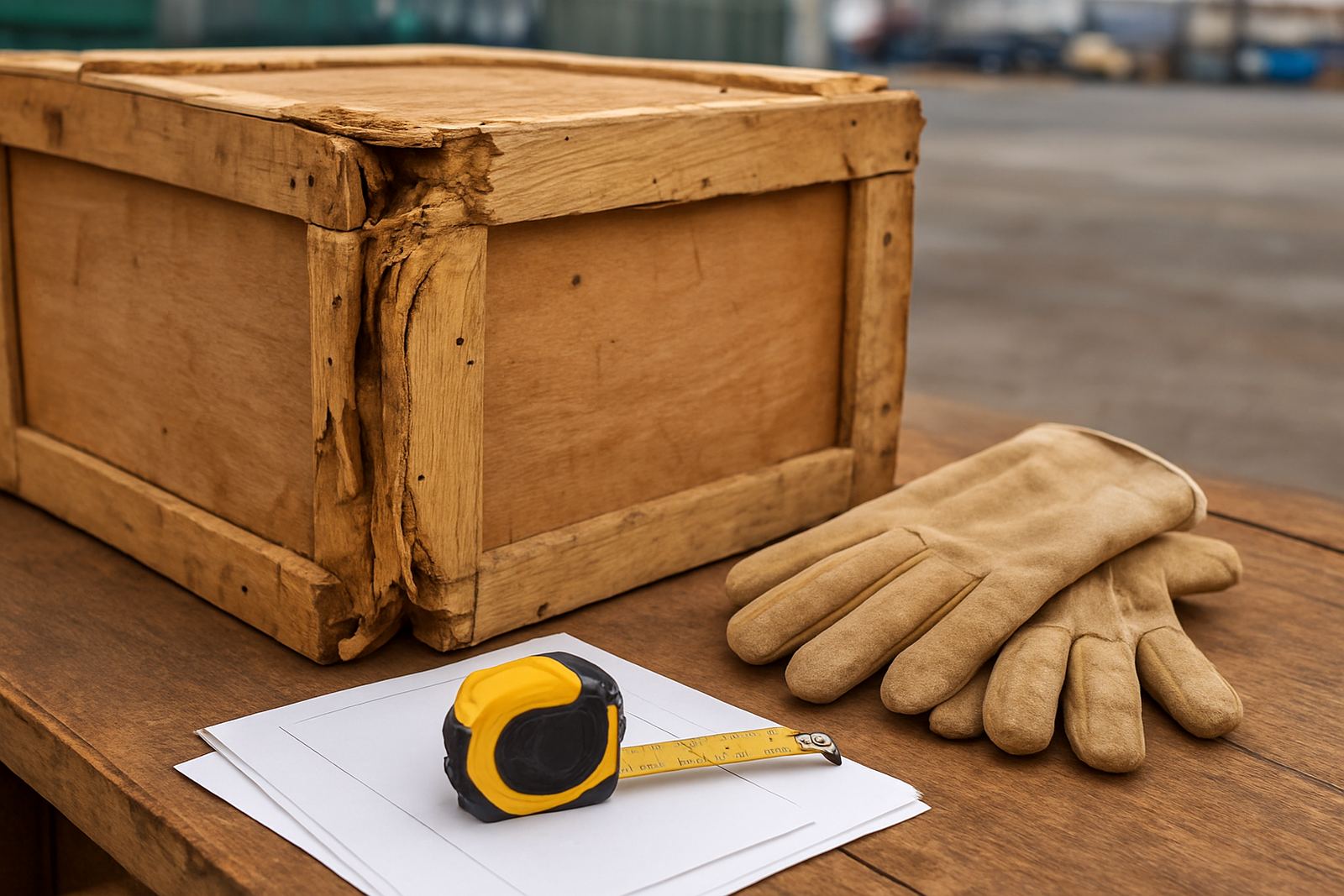
Many delays start with a simple measuring error. Confirm the length, width, height and gross weight of every item before space is booked on a vessel or truck. If the equipment is packed on a skid or in a crate, include the full packed size, not only the machine size. Check if the load can fit through gates, under gantries and into the final site area. A unit that clears the port but not the access road in Umbilo still creates a problem.
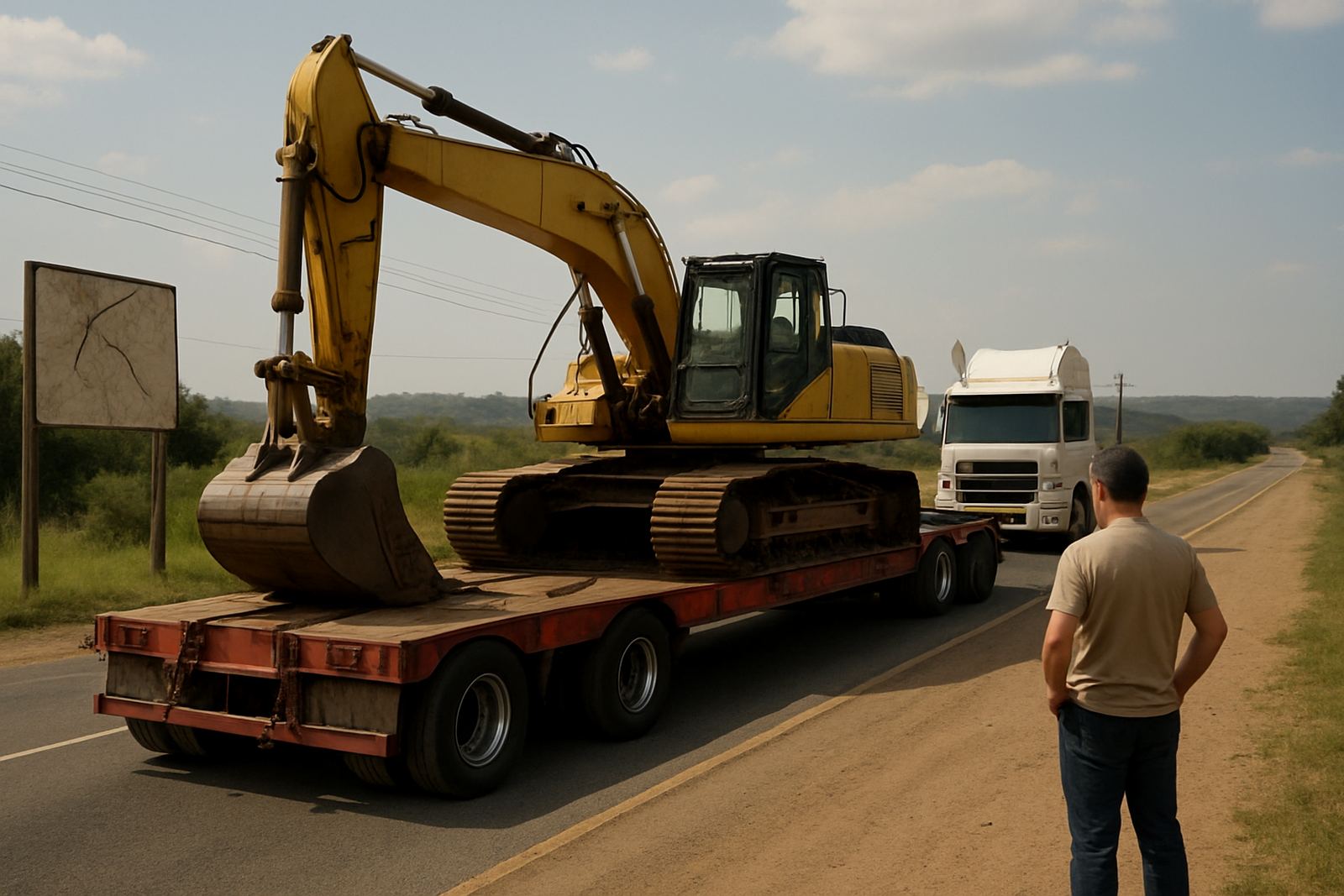
For trailers and large yard items, check axle spacing, kingpin height, drawbar length and loading angle. If the item will move inland from Durban harbour to Johannesburg, make sure the transport plan suits bridge limits and route restrictions. Site offloading matters too. Some yards need side-loader access, mobile crane hire or a forklift with enough lift capacity. Measure the offloading point in advance and confirm ground bearing strength if the area is soft or uneven.
- Packed dimensions and nett weight
- Crate type, lifting points and centre of gravity
- Gate width, yard access and turning space
- Offloading method and equipment needed
- Any route or bridge restrictions inland
Budget for import, clearing and inland delivery
The true landed cost is bigger than the invoice from the seller. You need to allow for shipping, port charges, customs duties, VAT, clearing fees, inland transport, insurance and any storage that may apply if documents are late. In Durban, congestion or missing paperwork can create avoidable costs very quickly. Good document control is not admin for the sake of it, it is part of the buying plan.
Work from a landed cost sheet before you approve the order. Machines Africa Hub handles import planning, shipping coordination, customs clearing, tariff classification, port collection, inland transport and cargo insurance, with clearing support in Johannesburg and Cape Town as well as the Durban harbour corridor. That means the buying decision can be tied to the full move, not just the factory price. If a supplier offers a lower ex-works price but slow export paperwork, the savings may disappear before the cargo reaches your site.
- Invoice value and currency conversion
- Freight, insurance and port charges
- Import duties, VAT and classification risk
- Storage, demurrage and detention exposure
- Delivery to site and offloading costs
Check compliance before you place the order
Fleet buyers should confirm whether the equipment needs any South African compliance steps, permits or internal safety sign-off. Workshop systems may need electrical checks, pressure vessel documents or proof of safe installation. Trailers may need roadworthy preparation, plate confirmation or approval for the intended use. Yard equipment can require operator training, maintenance records and clear safety markings before it enters service.
Customs classification also matters. A wrong tariff code can lead to delays, extra duty or a query at clearance. Keep supplier specs, photos, model details and technical sheets together in one file. If the cargo is insured, make sure the insured value matches the real replacement cost and include transit from port to final site. Coastal humidity, rough handling and long-distance inland trips can all turn a small oversight into a costly claim.
- Technical specs and serial numbers
- Electrical, pressure or safety documents
- Roadworthy or operating approval needs
- Correct tariff classification
- Insurance value and transit cover
Use a simple buying checklist before payment
Once you have compared spec, cost and compliance, use a final checklist before you pay any deposit. Confirm the supplier’s lead time, packing method, spare parts list and warranty terms. Ask who handles export packing, who books the cargo and who sends the shipping documents. If the unit must be stored in bond, or moved through a port with limited space, make sure those steps are already included in the plan. This is where many buyers lose days because one person assumed another had arranged the next move.
A practical checklist keeps the order moving and reduces back-and-forth between the buyer, supplier, shipper and clearing agent. It also helps fleet teams compare two quotations on the same basis, which is usually where the best decision gets made.
- Final spec signed off by operations
- Packed dimensions and gross weight confirmed
- Shipping terms and delivery point agreed
- Clearing documents requested upfront
- Site offloading plan booked in advance