


What our completed clearances cover
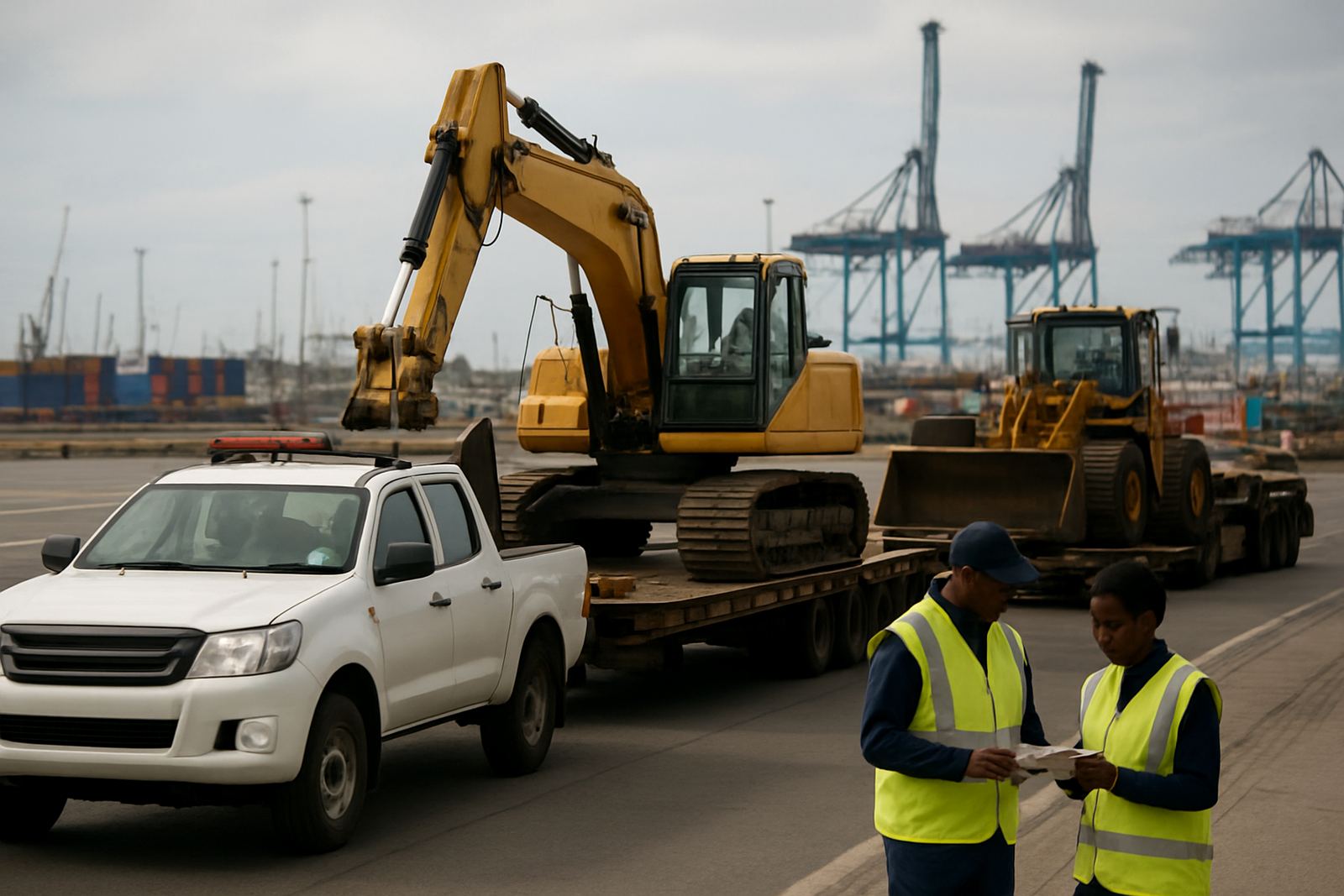
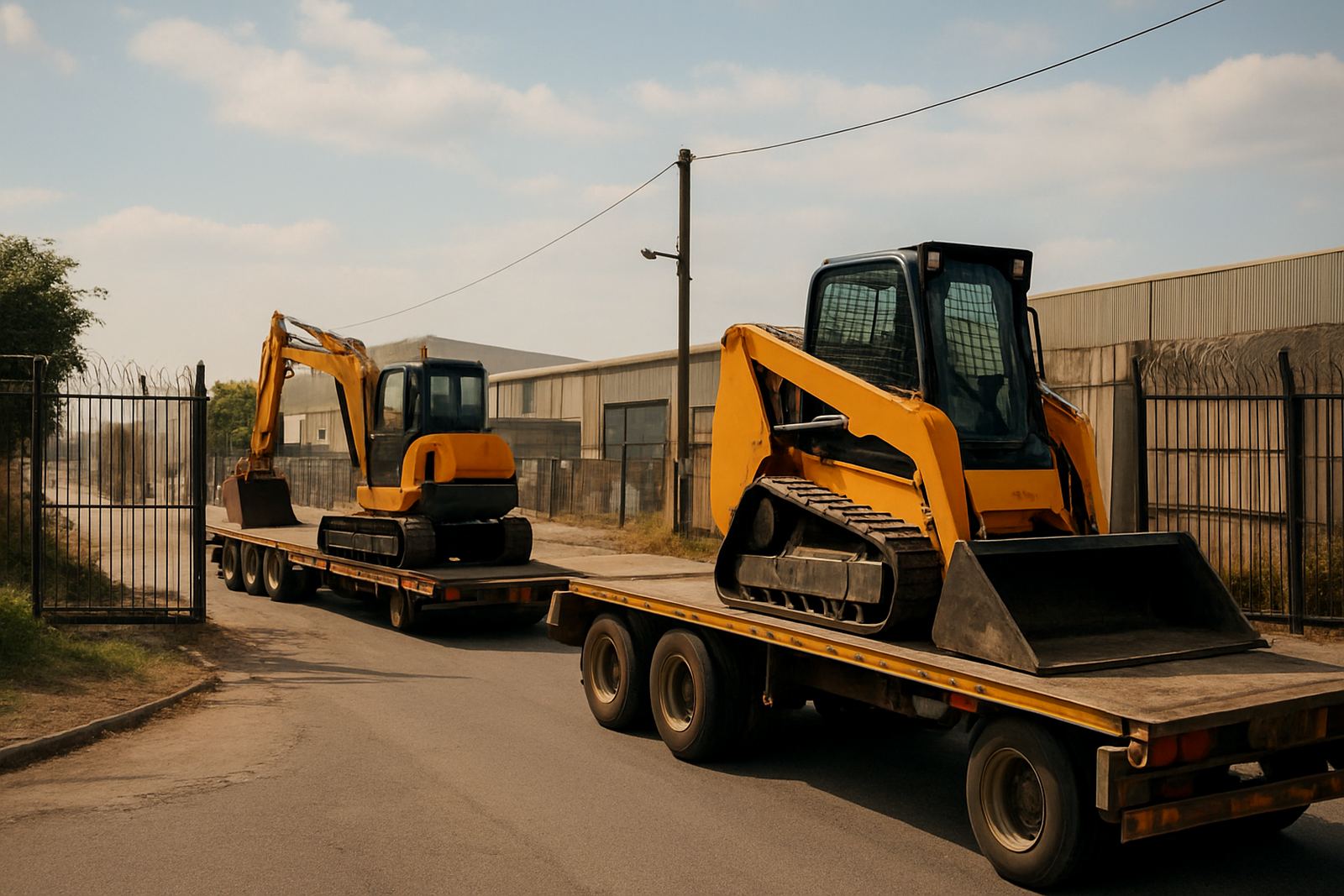
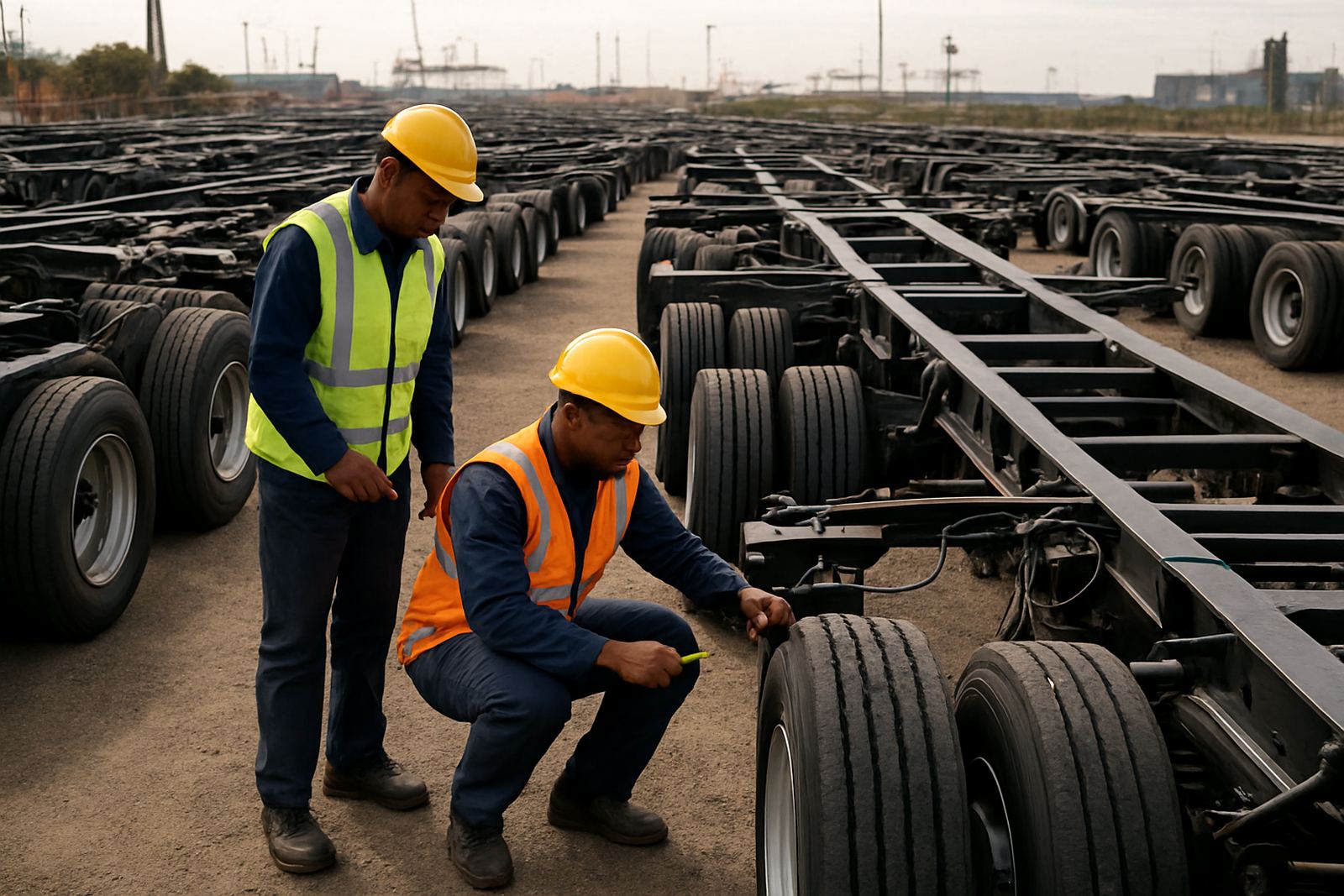
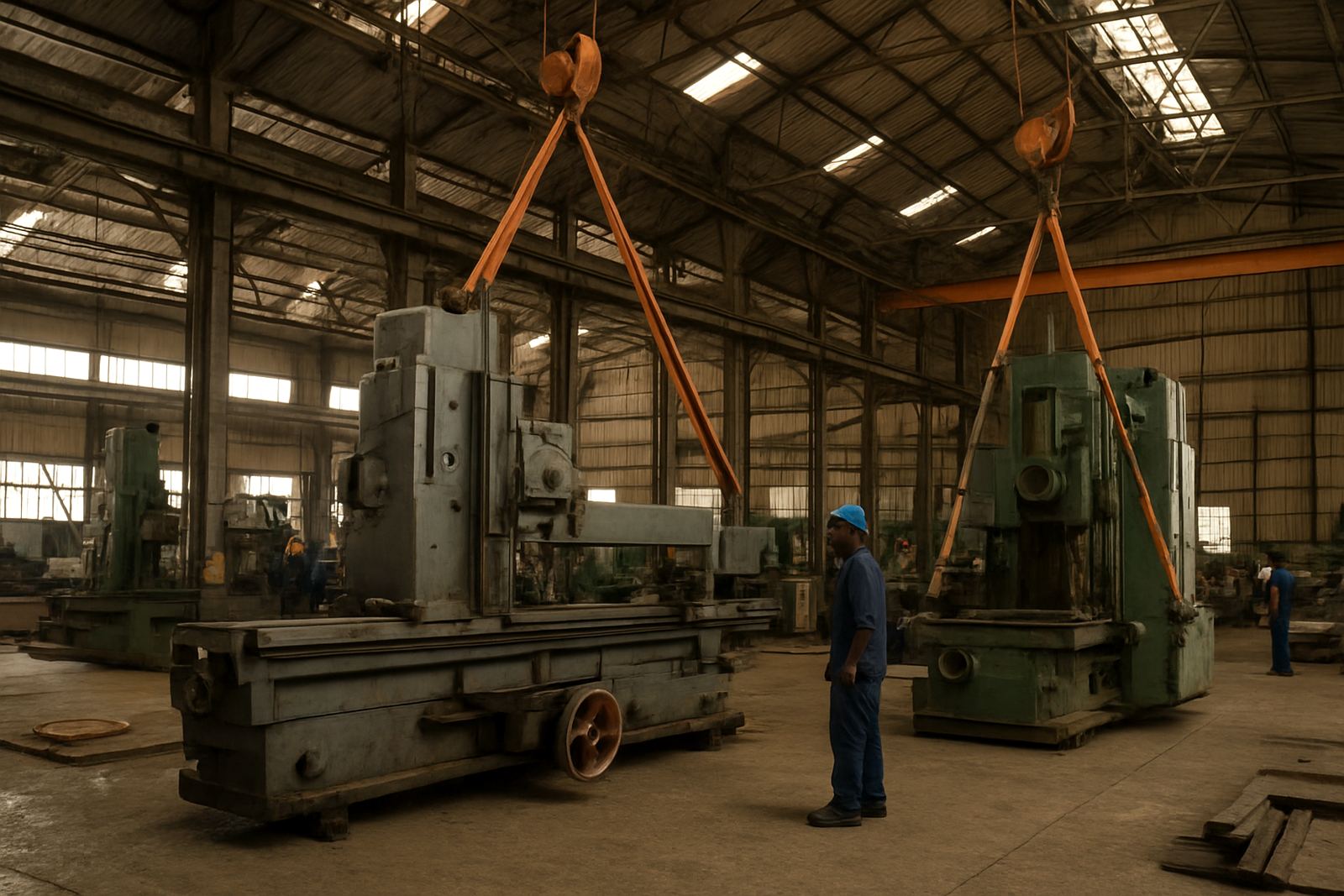
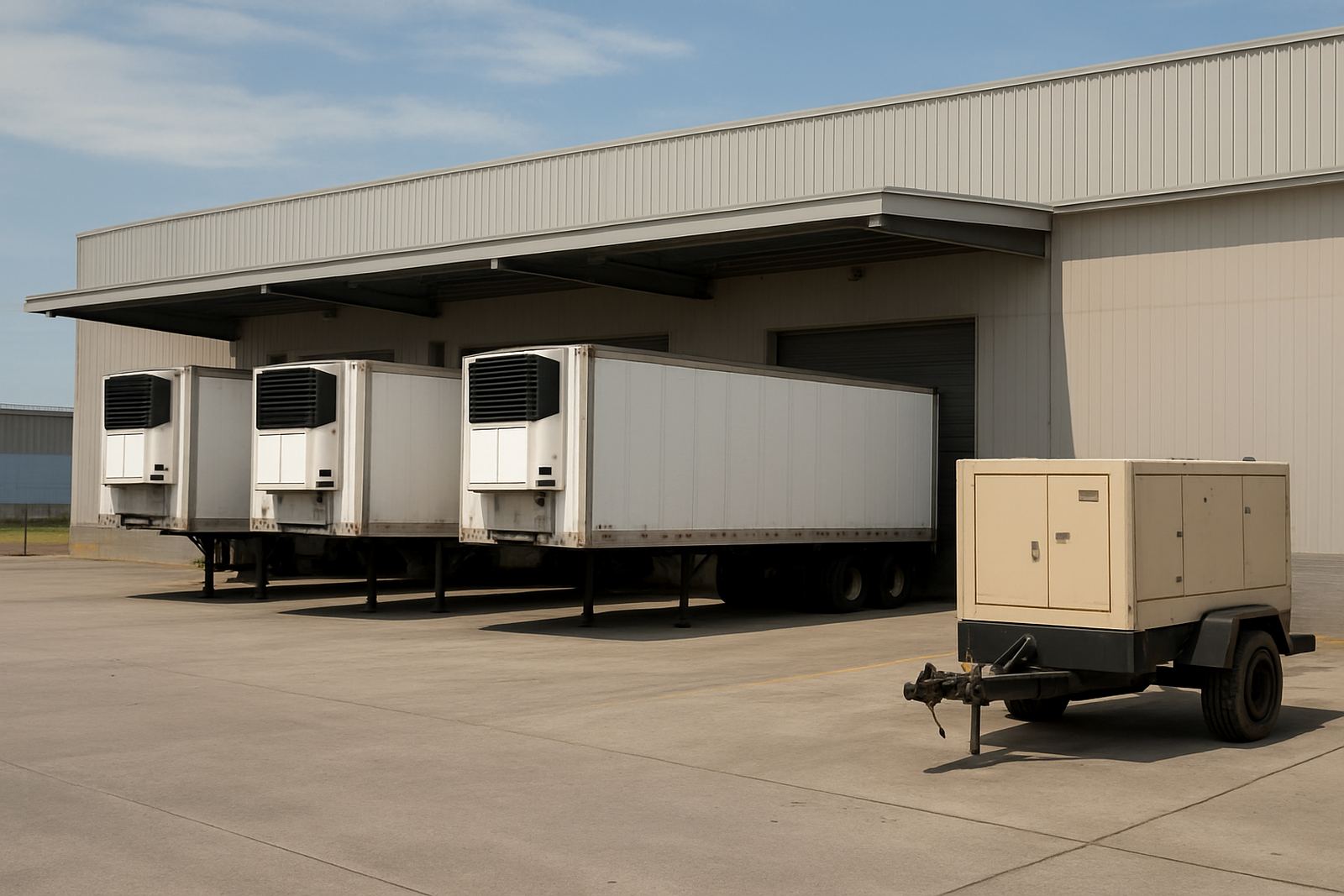
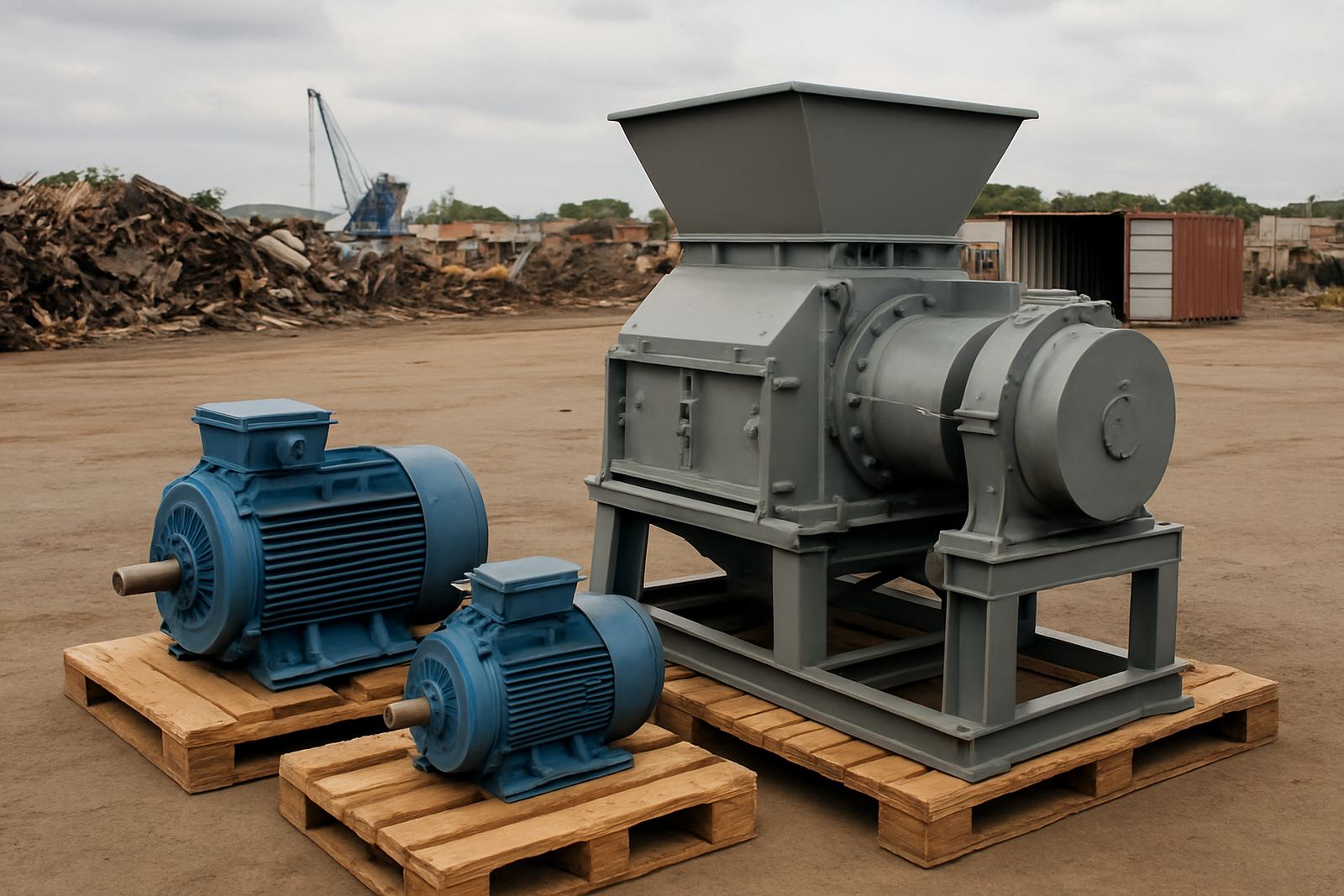
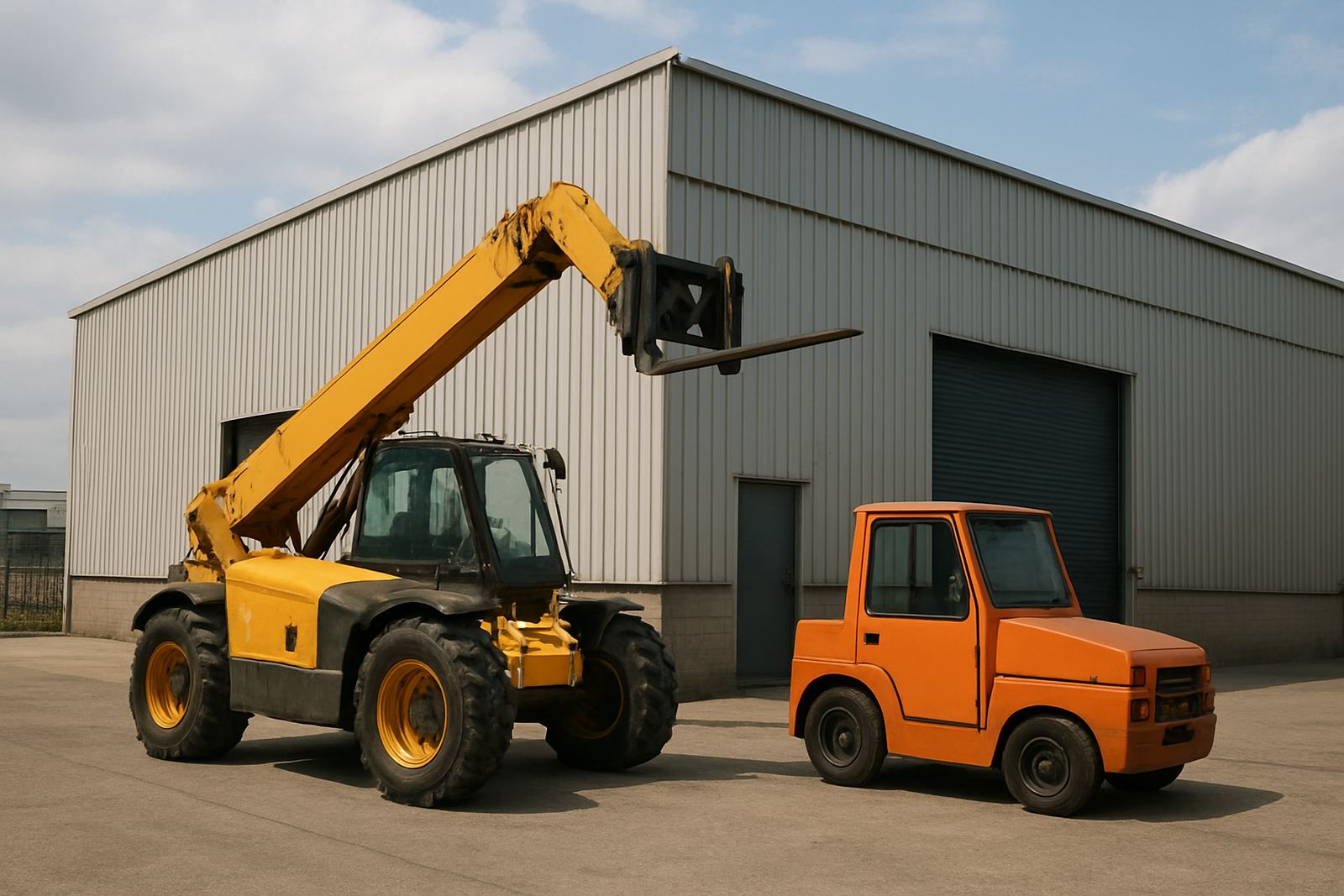
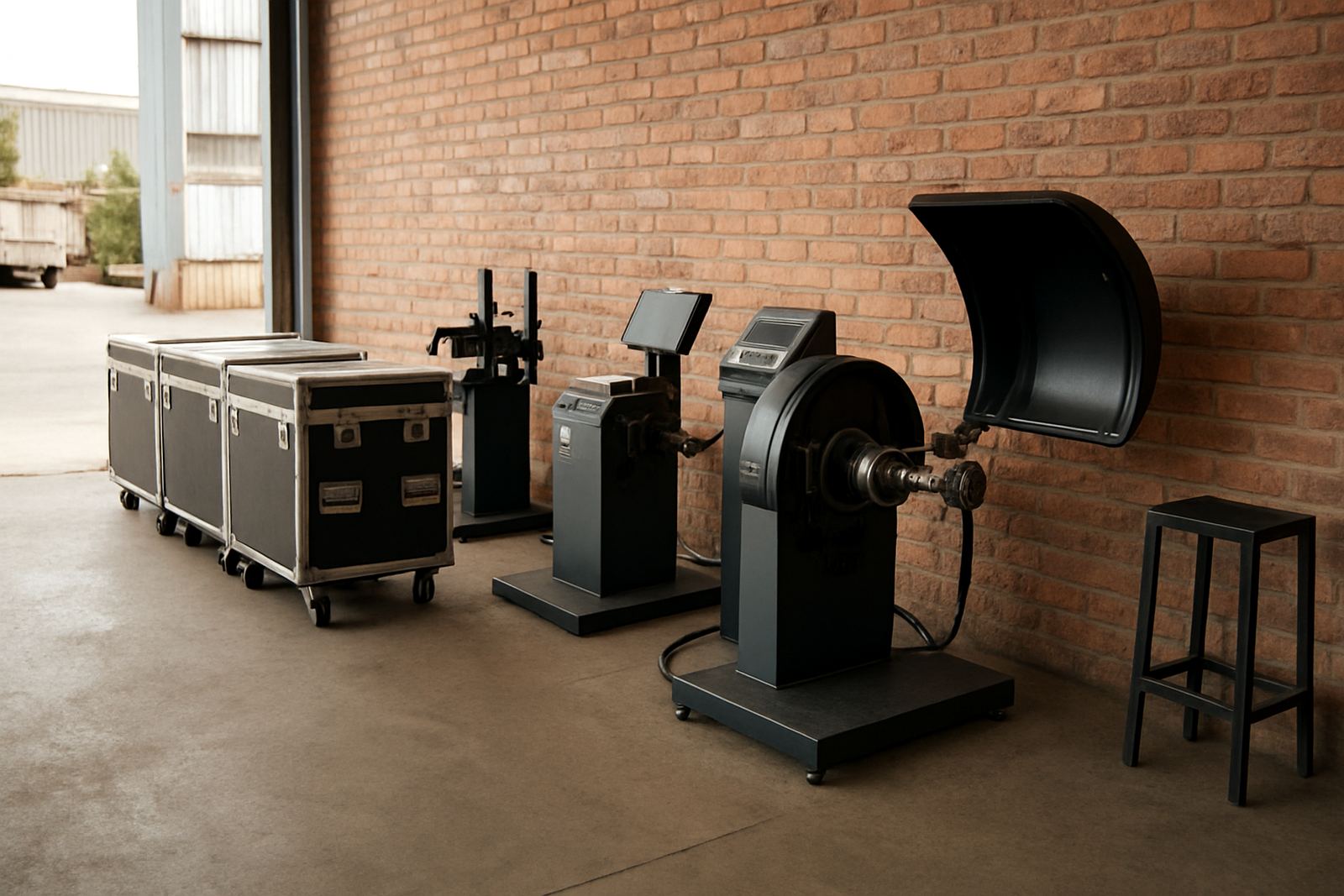
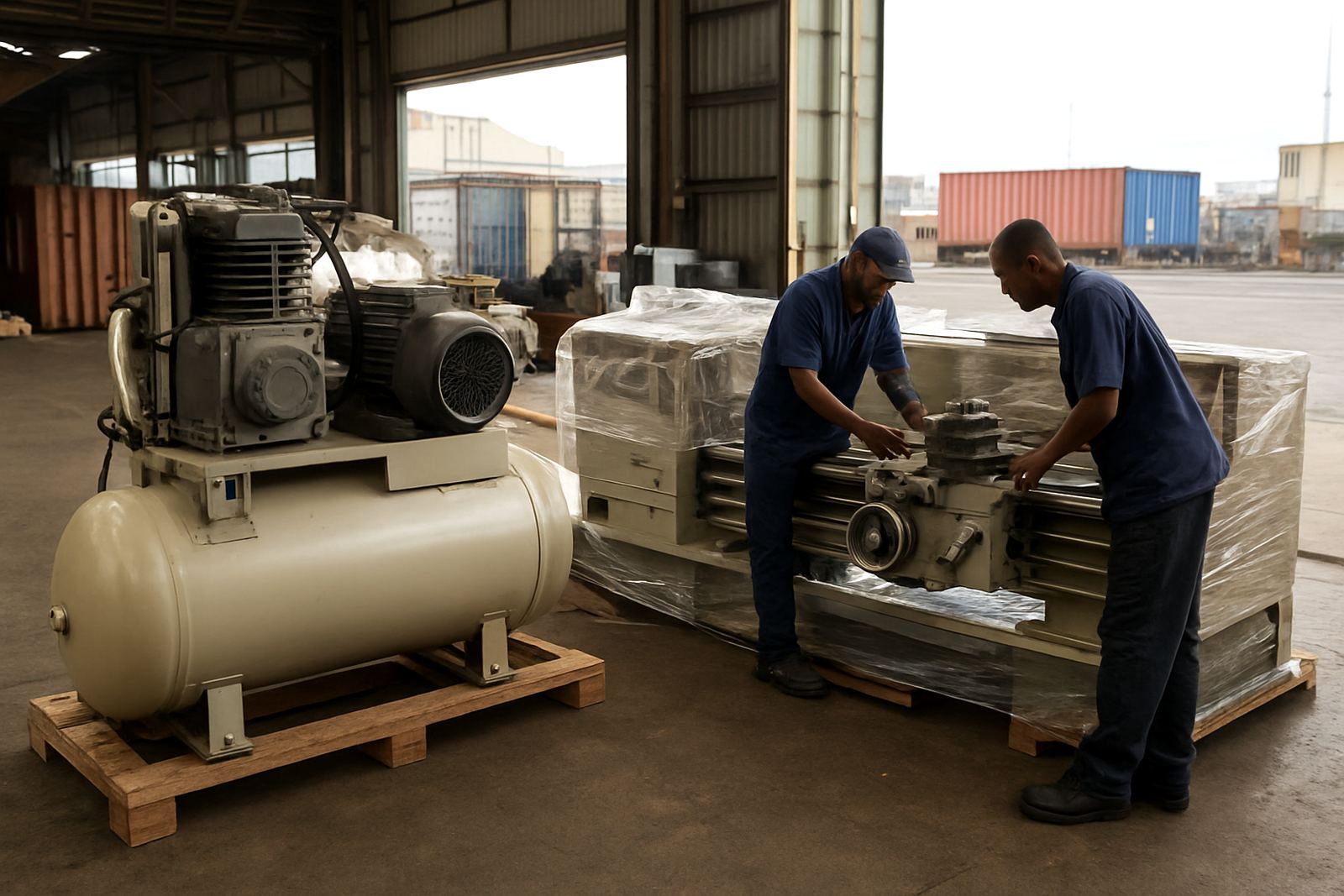
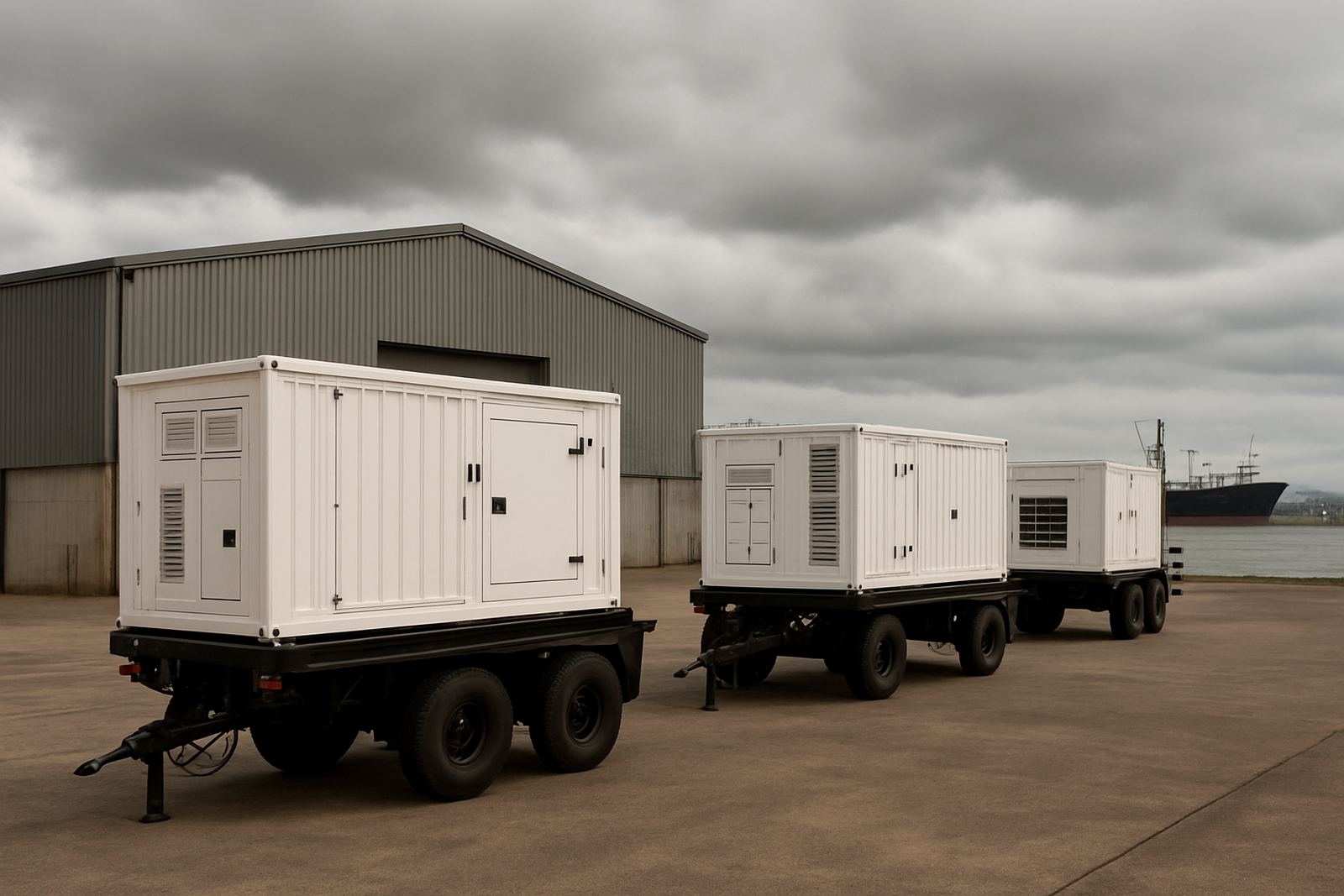
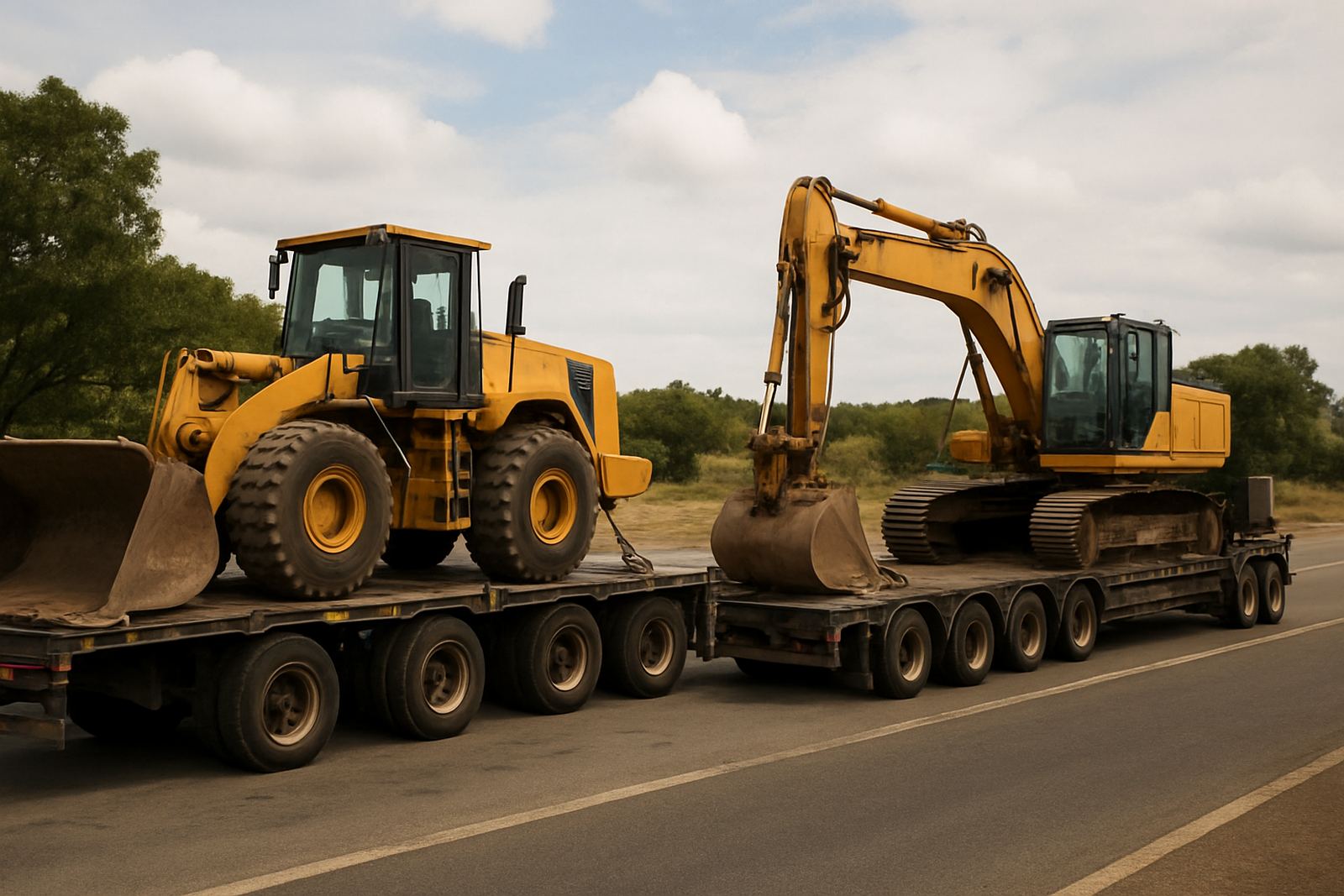
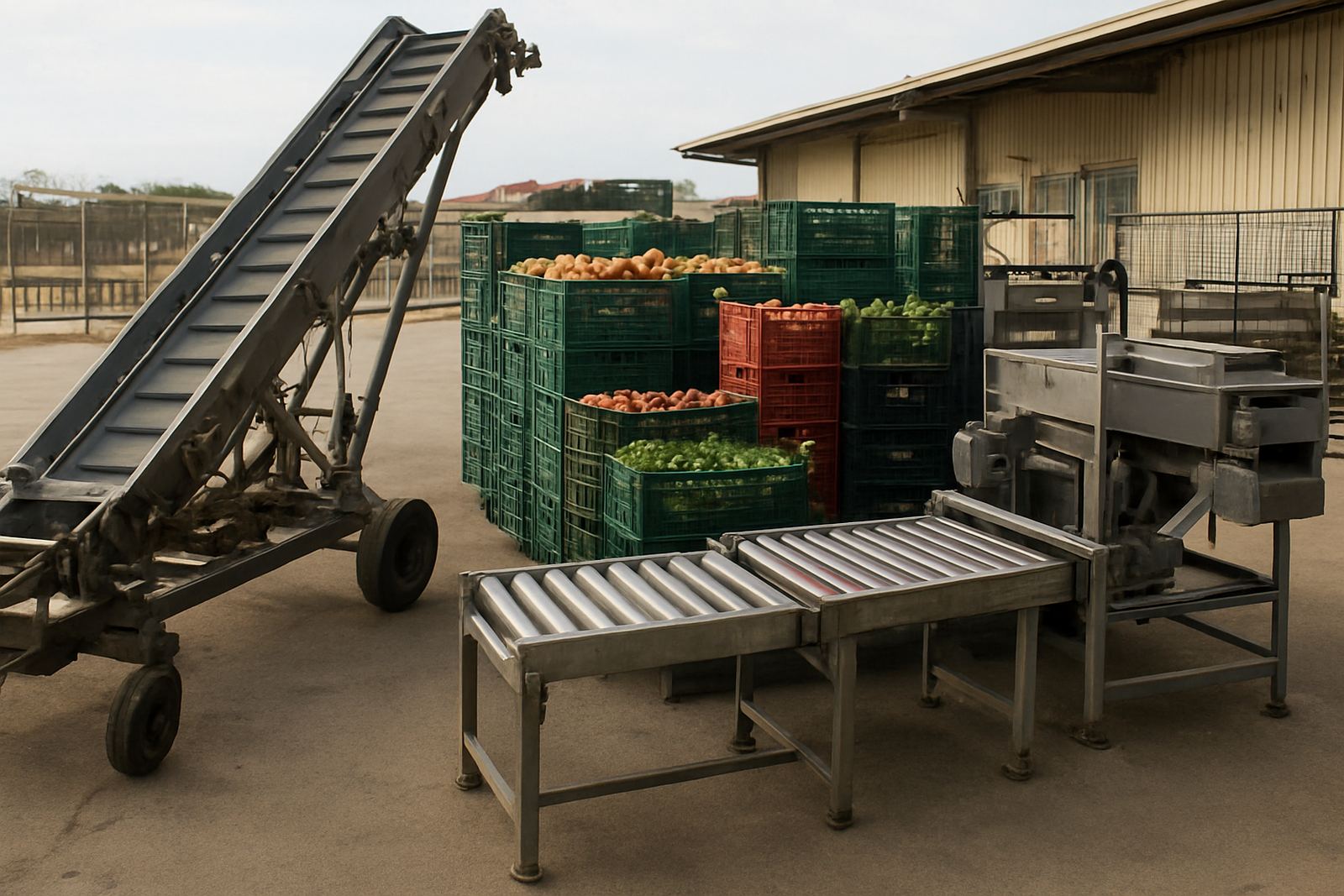
Our completed work spans imported machinery, plant, fleet equipment, workshop items and vehicle related cargo moving through Durban harbour corridor and the inland depots we use in Johannesburg and Cape Town. The mix changes from job to job, but the process stays grounded in the same basics: correct papers, tariff classification, freight planning, and release without unnecessary delays.
If you are comparing jobs for your own shipment, start by looking at the cargo type, the port of entry, and whether the equipment needs bonded storage, site offloading or direct inland transport. That helps us match the right route to the load and keep handovers clean.
- Small and medium machinery imports
- Fleet and automotive sector equipment
- Cleared cargo for Durban, Jet Park, City Deep and Paarden Eiland
- Jobs needing customs, port collection and onward road freight
How a release job is handled from first papers to final delivery
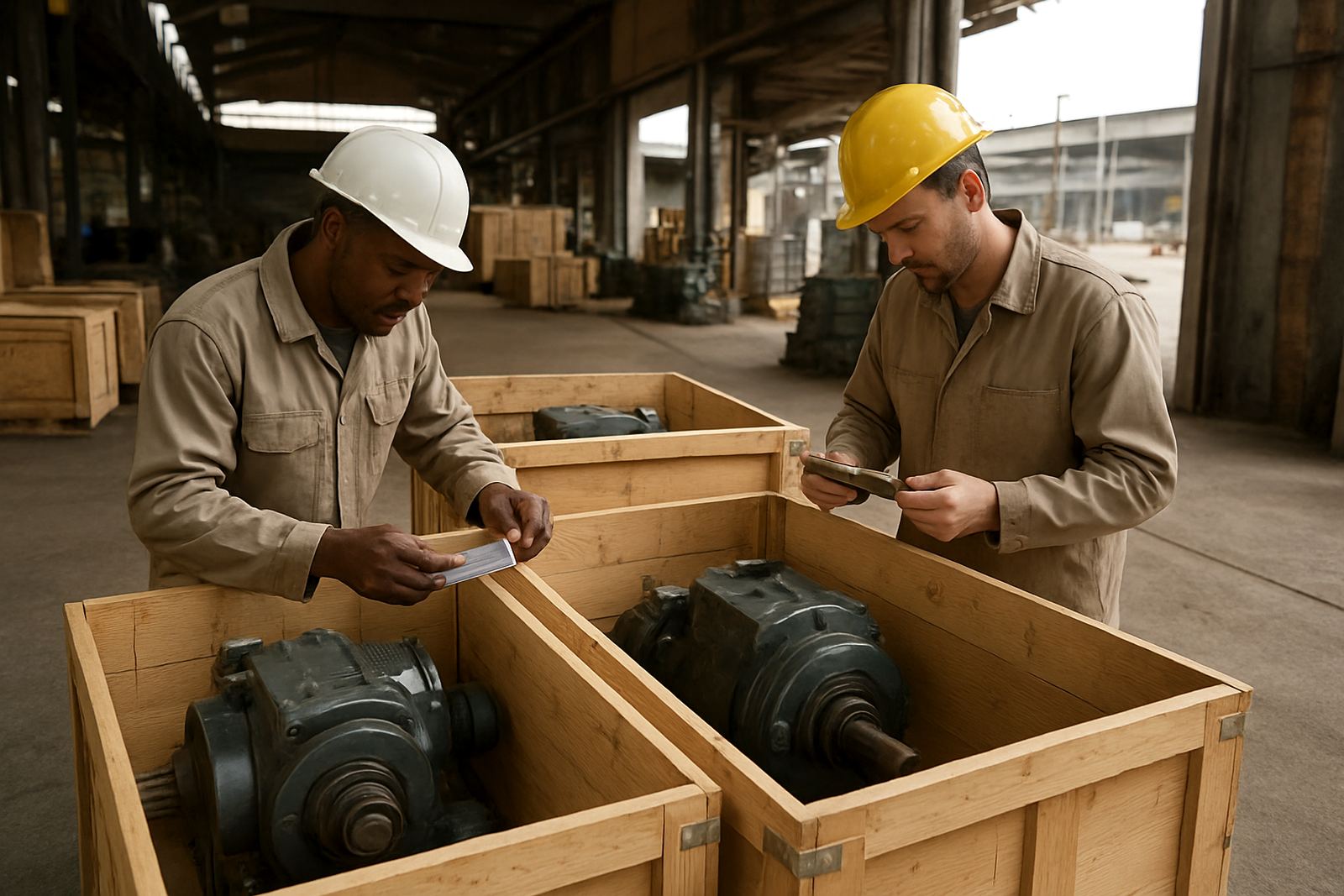
A proper clearance starts before the container reaches the terminal. We check invoices, packing lists, permits and transport instructions early so the file is ready for submission and the client is not left scrambling at the last minute. Where there are classification questions, we confirm the tariff position first and then build the release plan around it.
For many clients, the pressure point is not the customs entry itself but the timing after release. Port cut offs, truck bookings, load-shedding at site, and weekend receiving rules can all affect the handover. We factor those details in and keep the movement practical from the start.
- Document review and compliance checking
- Customs clearing and tariff classification
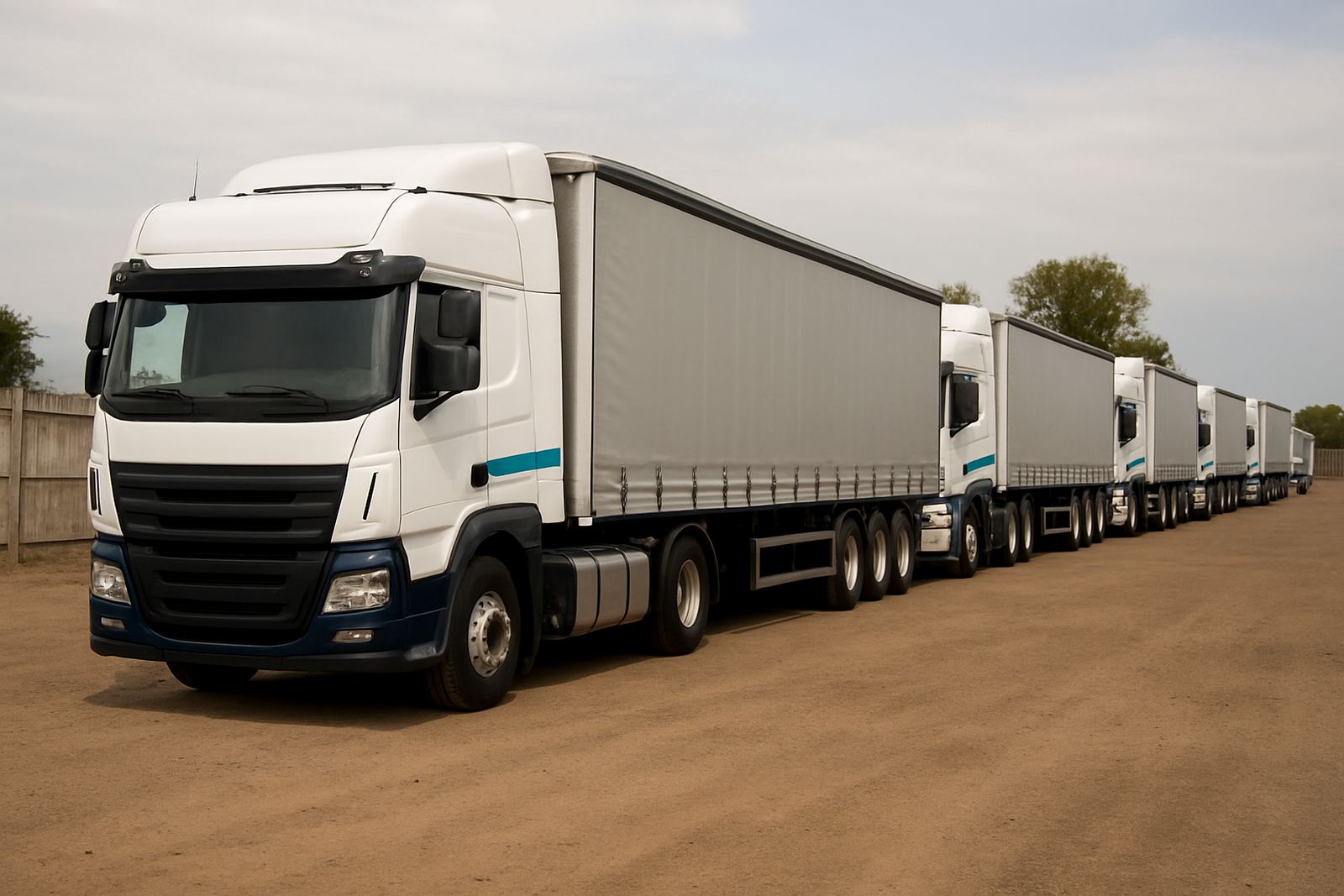
- Port collection and inland transport booking
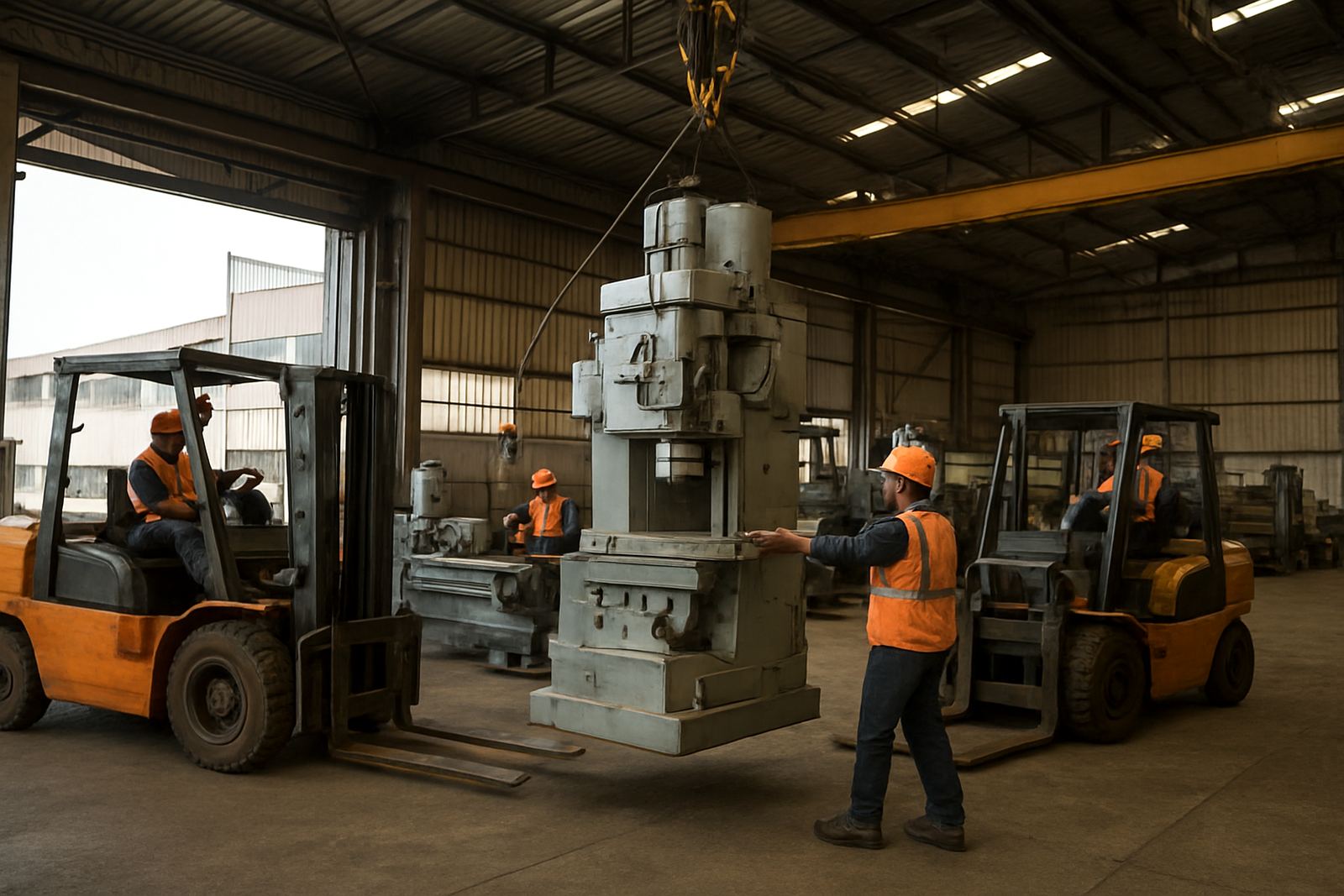
- Site delivery planning with offloading arrangements
Why these examples matter for your own cargo
Every completed clearance tells you something useful about how your own shipment may need to be handled. A compact machine arriving into Durban may move differently from a heavier item routed through Cape Town, and a fleet component going to Johannesburg can have a very different storage and uplift timeline.
When you review the examples, look for cargo that shares your port, weight range, or final delivery point. If the job needed bonded storage, a late arrival, or coordinated offloading at an industrial site, the same controls may be needed for your move too.
- Match by port, not just by machinery type
- Check if the cargo needed temporary storage
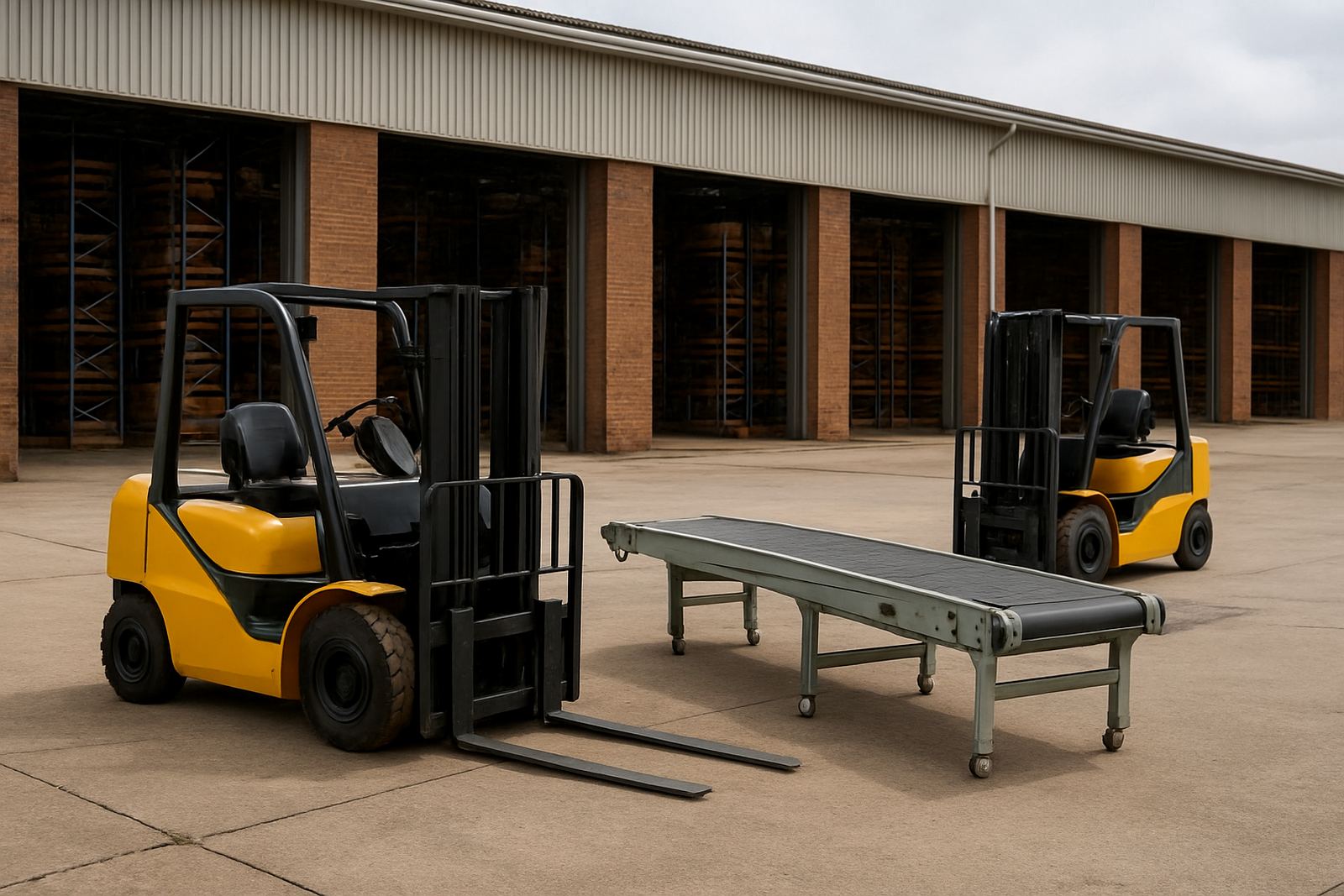
- Note whether the final site had lifting gear or fork access
- Use the examples to judge timing and paperwork needs
Working conditions that affect clearance outcomes
In South Africa, machinery release jobs are often affected by practical conditions rather than only paperwork. Durban harbour traffic, inland road restrictions, storm delays, coastal humidity, and municipal receiving times can all change the picture. In winter, some sites in Umbilo, Springfield Park or Paarden Eiland also need extra care because early morning condensation can affect exposed metal and packaging.
We plan with those conditions in mind. That includes checking whether the cargo needs covered transport, extra lashings, overnight storage or a direct transfer to site. It also includes making sure the client knows what must be ready at receiving end, especially where offloading windows are short.
Who handled the file and where the work moved
Our team works across the Durban base in Umbilo and the clearing counters in Johannesburg and Cape Town. Sibusiso Ntuli oversees the work as Managing Director, with Tumisang Mahlaba on operations, Retief Labuschagne leading clearing, Nomsa Dlamini on client service, Luthando Mchunu coordinating fleet movements and Fatima Cassim handling trade compliance. That mix matters because each clearance needs both admin control and hands-on movement planning.
For clients, it means one file can be tracked from supplier papers to harbour release, then to inland delivery. If the cargo is going to a workshop in Jet Park, a storage yard in City Deep, or a business near the Durban port corridor, the same team can keep the chain of movement in order.
- Durban, Umbilo and the harbour corridor
- Springfield Park industrial area
- Jet Park and City Deep for inland distribution
- Paarden Eiland for Cape Town deliveries
Choosing the right completed clearance as a reference
When you browse the completed clearances, choose the closest match to your own shipment by size, route and end use. A machine going to a logistics yard is not handled the same way as an item going straight onto a production floor, and a container with mixed cargo needs tighter document control than a single unit on an open trailer. Small differences can change costs, timing and release steps.
If you are unsure, send the cargo details early and we will help you compare the movement against a similar completed job. That saves time and reduces avoidable hold-ups at the port or on the road.