Industrial backup power for a busy Paarden Eiland site
The client was an industrial distribution facility in Paarden Eiland, serving a mix of warehousing and light manufacturing activity close to the harbour area. They needed standby generator units moved out of the port system and delivered to site without delay, because the backup power project had a fixed installation window and several trades were waiting on the equipment.
The generator move needed tight customs control, careful handling and a release plan that would not add avoidable storage or site delays. The generators had to clear through Cape Town, be documented correctly for customs, then move to the site in a way that avoided idle time, extra storage costs and any handling damage. With load-shedding still a real planning factor for many businesses, the client wanted certainty on release dates and delivery times, not rough estimates.
- Client type: industrial distribution facility
- Location: Paarden Eiland, Cape Town
- Cargo: standby generator units and related accessories
- End use: temporary and backup power support for critical operations
Clearance plan, compliance and release control
We started with the shipping documents, tariff position and release requirements before the cargo landed. That included checking the invoice pack, packing list, serial references, weights and dimensions, and confirming whether any items needed special treatment under the tariff code. Generator equipment often attracts extra scrutiny because the paperwork must line up exactly with the physical units and their rated output.
Our clearing lead worked with the port process from the start so the cargo did not sit while the paperwork was being corrected. The import planning team also flagged the need for bonded handling in case the release shifted by a day, which gave the client a buffer against storage charges. In Cape Town, even a small delay can turn into missed truck bookings and wasted labour on site.
- Document check before vessel arrival
- Tariff classification review and release preparation
- Coordination with port collection and truck loading
- Fallback plan for bonded storage if needed
The client appreciated that the process was handled by one team instead of being split between several vendors. That reduced back-and-forth and kept the sequence tight from arrival through to delivery.
Collection from port and inland transport to Paarden Eiland
Once the cargo was ready for release, we arranged collection from the Cape Town port side and scheduled transport to Paarden Eiland for the same operational window. The units were packed for heavy equipment handling, with lifting points checked before loading and securing for the short inland run.
Paarden Eiland can be a practical delivery zone, but access still needs planning because of road traffic, yard space and the timing of other receiving vehicles. We coordinated the truck arrival with the site contact so the offloading team was in place and the equipment could go straight to its designated position. That avoided extra shunting around the yard and reduced the risk of damage to finishes and fittings.
- Collection timed to match yard availability
- Transport sized for the generator footprints and weight
- Delivery booked with site receiving staff in advance
- Offloading arranged to suit the installation sequence
For this type of cargo, the difference is usually in the handover. A clean release is useful, but a clean delivery matters just as much when the genset has to be ready for electricians and installers within hours.
What we supplied on the job
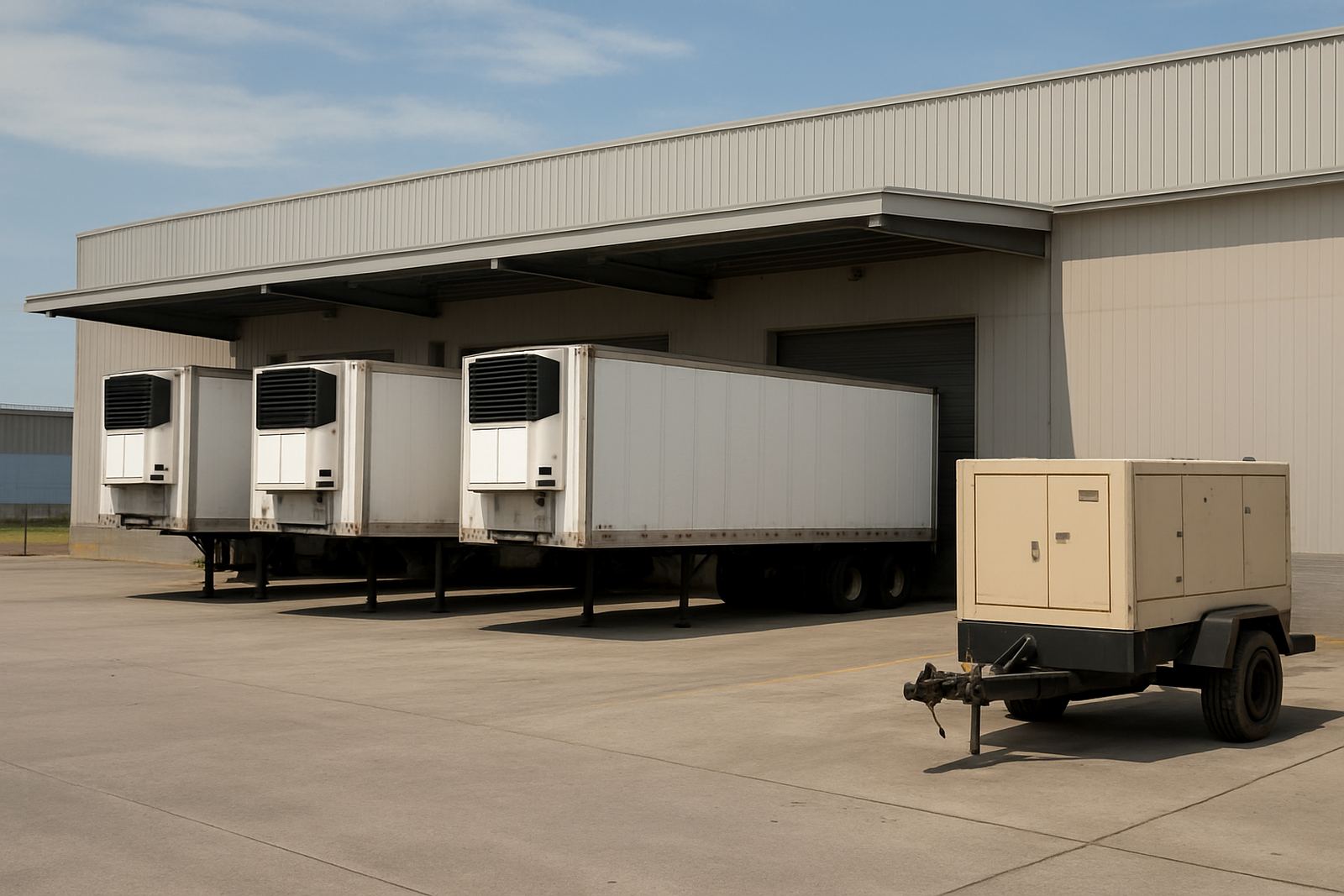
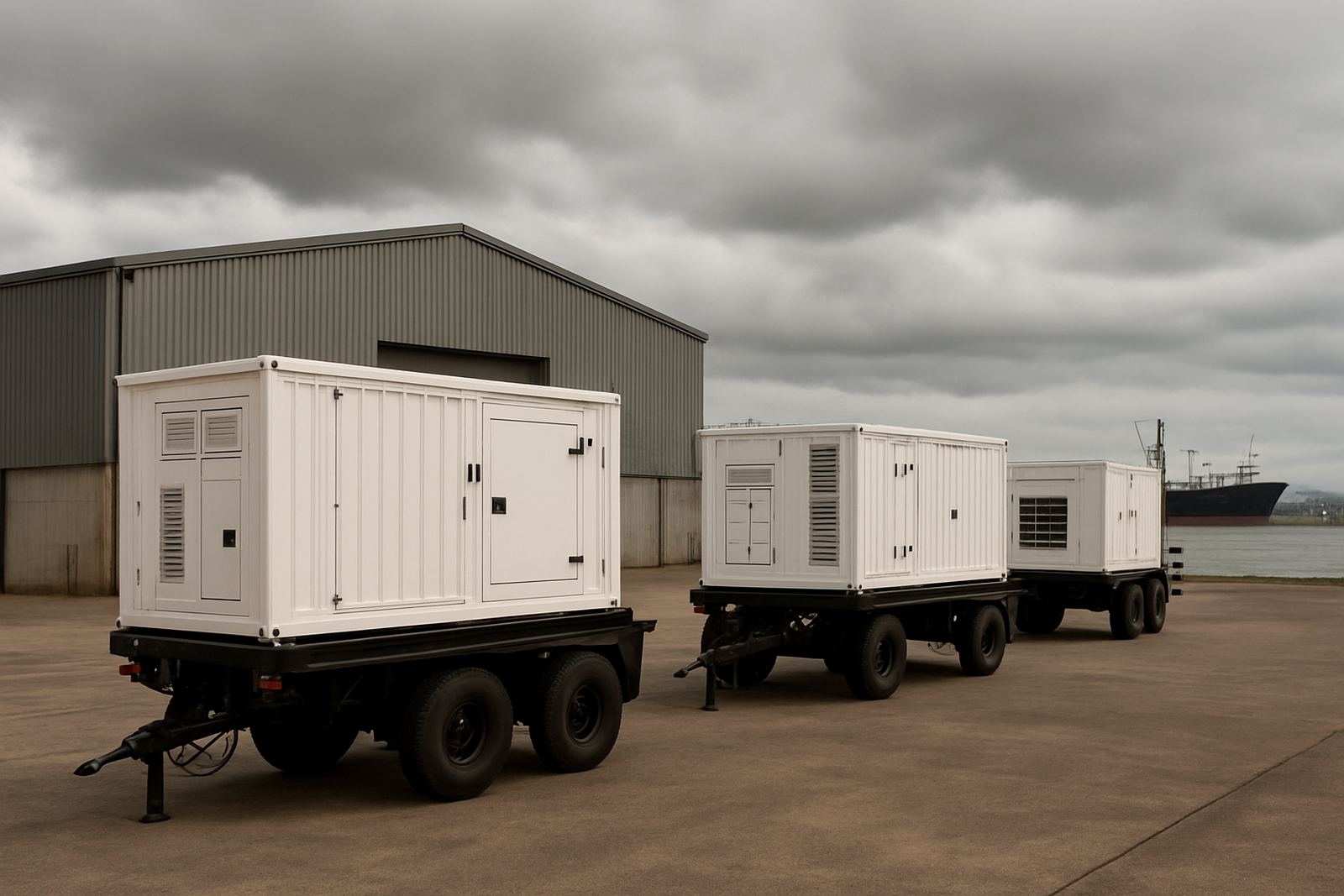
Machines Africa Hub supplied the clearing, shipping coordination and delivery management around the generator units. The cargo itself consisted of two standby generator sets with acoustic canopies, day tanks and accessory packs, each unit in the 180 kVA to 220 kVA class, depending on the machine rating supplied for the site. Combined, the shipment weighed just over 9 tonnes and required careful lift planning at both ends.
We also managed the supporting paperwork needed for release and site receipt. That included customs entries, cargo status updates, transport instructions and the final proof of delivery package for the client file. For a facilities team, having that record in one place makes future maintenance, insurance and compliance checks much easier.
- Customs clearing for the shipment
- Port collection and release control
- Inland transport to the Paarden Eiland site
- Document management for handover records
- Coordination with site offloading crew
The job ran over 2 weeks from pre-arrival document review to final delivery, with the longest lead time spent on release coordination rather than transport. The actual Cape Town run was short, but the planning made the difference.
Constraints on the ground
The main constraints were timing, storage exposure and the need to protect the equipment against coastal conditions. Paarden Eiland sits close to the harbour, so salt in the air is always part of the picture. Generator units, switchgear and control panels do not like sitting around in damp conditions, especially if they are waiting for installation crews to arrive.
There was also the usual port-side pressure around truck availability and site access. We worked around those issues by keeping all parties informed and by setting firm collection and delivery times. In practical terms, that meant fewer calls, fewer surprises and no last-minute scramble for additional handling equipment.
- Coastal humidity and salt exposure during handling
- Fixed installation window on the client side
- Shortage of slack time for storage or rebooking
- Need for accurate weights and lifting details
Because the team was already familiar with generator movements and harbour logistics, we could keep the process moving without unnecessary hold-ups. The client did not need to chase multiple suppliers for updates, and that saved time across the whole project.
Outcome and what we would repeat
The generators were released, collected and delivered without avoidable delay, and the installation crew received them in sequence with the project plan. The client stayed within schedule and avoided the cost of extended port storage or missed site labour. Most importantly, the equipment arrived in a condition ready for offloading and installation.
On another Cape Town backup power job, we would again start with document control, secure the collection window early, and keep a fallback plan for storage and rescheduling.: start with document control, lock in the collection window early, and keep a fallback plan for storage and rescheduling. For backup power projects in Cape Town, that method works because it respects both the port process and the realities on site.
- Project completed within the planned 2 week window
- No unnecessary storage days added
- Delivery aligned with installer availability
- Equipment handed over ready for site work
For businesses in Paarden Eiland, Jet Park, City Deep or along the Durban harbour corridor, the lesson is the same: when machinery is tied to operations, the transport plan has to be as solid as the equipment itself.
Key facts
| Project location | Paarden Eiland, Cape Town |
|---|---|
| Client type | Industrial distribution facility |
| Cargo | Standby generator units and accessories |
| Unit size | 180 kVA to 220 kVA |
| Total shipment weight | Just over 9 tonnes |
| Timeline | 2 weeks from pre-arrival check to delivery |