What the Phoenix team needed in a busy Durban week
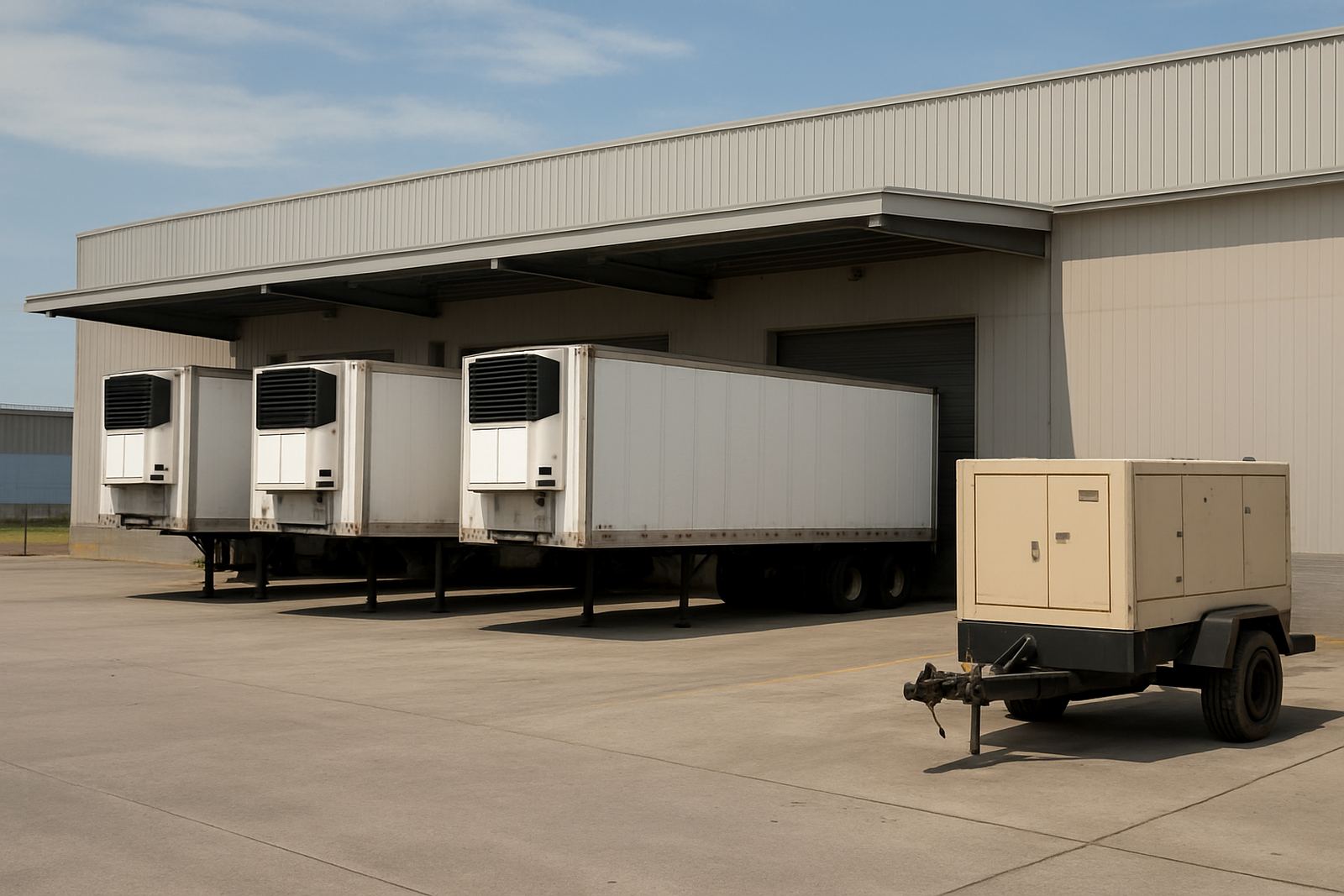
The client was a growing cold chain operator based in Phoenix, Durban, running reefers for food and pharma-linked cargo. They had two reefer trailers and one generator set arriving through the port, with pressure to get equipment released before weekend congestion built up and storage charges started climbing. Their main concern was time. Every extra day in the depot meant higher costs, delayed route planning and the risk of spoilt service commitments to customers in KwaZulu-Natal and Gauteng.
The brief was clear: clear the machinery, confirm the papers, release the units, and arrange onward movement without holding up the rest of the operation. The client also needed practical guidance on tariff classification, port paperwork and the handover from harbour to road transport. It was not a large, complicated import, but it had tight timing and no room for missing docs or a wrong release instruction.
Constraints at the port and on the road
Durban harbour corridor work is never just about one step. The trailers were ready on paper, but the release depended on correct packing details, transport instructions, and the right customs entries. The client also had to manage load-shedding at their own yard, so the generator set was not a luxury item, it was part of keeping the whole cold chain stable. Coastal humidity in Durban added another concern, because equipment standing too long near the port can start picking up surface corrosion and moisture wear.
There was also a time window around road movements into Johannesburg. With traffic around Umbilo, Springfield Park and the N3 interchange, the move had to be timed properly to avoid delays. We planned the sequence around depot availability, gate times and inland truck scheduling, so the release and collection did not end up waiting on each other.
- Reefer trailer release through Durban port controls
- Generator set cleared with supporting import documents
- Road movement timed for Durban to Gauteng dispatch
- Paper trail kept clean for audit and future shipments
How we handled the clearing and release process
We started with import planning and document review, then checked the invoice, packing list, serial details and cargo description against the entry requirements. Retief Labuschagne, our Clearing Lead, handled the tariff classification and release process, while Nomsa Dlamini coordinated with the client on missing details and handover timing. Where there were small gaps in the supporting papers, we sorted them before the cargo reached the point of delay. That saved the client from unnecessary back and forth at the port.
Once the entry was in place, we managed the shipping coordination, customs clearing and cargo release steps. The equipment was then prepared for inland transport, with Luthando Mchunu arranging the fleet side of the move and checking collection timing. We also advised on cargo insurance for the road leg, which is sensible for high-value temperature control equipment moving through busy routes and multiple handovers.
- Document management and entry checks
- Tariff classification for the generator set and trailer units
- Port collection once release was confirmed
- Inland transport planning from Durban to the client yard
Timeline from instruction to delivery
The full project ran over three weeks. Week one covered document collection, import planning and classification. Week two dealt with customs clearing, release coordination and port-side instructions. Week three covered collection, inland transport and final delivery to the client’s operating base. That timing worked because we kept the client informed at each stage and did not wait for last-minute surprises to build up.
The key was sequencing. By lining up the port release, truck availability and yard offloading in advance, we reduced idle time. The generator set was delivered ready for use, and the trailers arrived without unnecessary holding charges. For a cold chain operator, that can make a big difference, especially when customer orders are already booked and reefer availability is tight.
Results for the Phoenix operation
The client got control of the assets quickly and could place them into service without losing days to port delays. The trailers were released and moved inland, the generator set was cleared cleanly, and the paperwork trail was kept in order for future imports. That matters because once a transport operator starts growing, the real cost is often not the freight alone but the interruption to trips, chilled deliveries and depot planning.
They also gained a better view of the import process for future shipments. After this project, the client had a clearer sense of what documents must be ready before cargo lands, which charges can be avoided with faster action, and where to plan for Durban-specific bottlenecks. It was a tidy result, and the team could get back to running routes instead of chasing release notes.
- Faster release with less storage exposure
- No missed handover on the inland leg
- Cleaner import file for the next shipment
- Better planning for port and depot timing
What we would do again for a similar cold chain move
For another Durban reefer or generator move, we would still confirm documents early, check serial and equipment details before arrival, and lock in the collection plan before clearing is finalised.: confirm documents early, check serial and equipment details before arrival, and lock in the collection plan before clearing is finalised. For reefer and generator assets, that early planning is worth it because delays at Durban can snowball quickly, especially when trucks, depot access and customs windows all need to line up. It is also wise to factor in bonded storage only if there is a real reason, since extra handling can add cost without adding value.
For a growing operator in Phoenix, the practical approach is simple. Keep the paper trail tight, know the collection date before you promise service to customers, and use a team that can manage the port side and the road side together. That is what we did here, and it is how we would do it again for any similar cold chain release in Durban, Jet Park or City Deep.
Key facts
| Project type | Reefer trailer and generator set release |
|---|---|
| Client profile | Growing temperature controlled transport operator |
| Location | Phoenix, Durban with port work through the harbour corridor |
| Timeline | 3 weeks from instruction to final delivery |
| Key services | Import planning, customs clearing, port collection, inland transport |
| Core equipment | Reefer trailers and one generator set |