Project overview for a busy Montague Gardens workshop
The client was a heavy vehicle service operation in Montague Gardens that needed imported fleet tools for brake testing and lifting work. The kit was being brought in for workshop use on trucks, trailers and municipal fleet units, with the main goal being to get the equipment landed, cleared and on site without delaying fitment or losing workshop time.
Our brief was practical. Keep the freight moving, make sure the documents were in order, and coordinate the Cape Town leg so the equipment could be received without damage. The site had limited offloading space, nearby business traffic and a short access window, so the delivery plan had to fit the area instead of forcing the area to fit the delivery.
- Client type: heavy vehicle repair and fleet support workshop
- Town and area: Montague Gardens, Cape Town
- Job focus: imported brake testing and lifting systems
- Main risk: delay at the port or missed offloading slot
What the brief demanded from the start
The equipment arrived as a mixed technical shipment, with items that needed correct tariff classification and clean supporting paperwork. Some components were bulky, some were sensitive to handling and some needed careful checking against packing lists before release. On this kind of job, one line missing on the invoice can slow things down at customs, so we worked through the paperwork early and kept the importer updated.
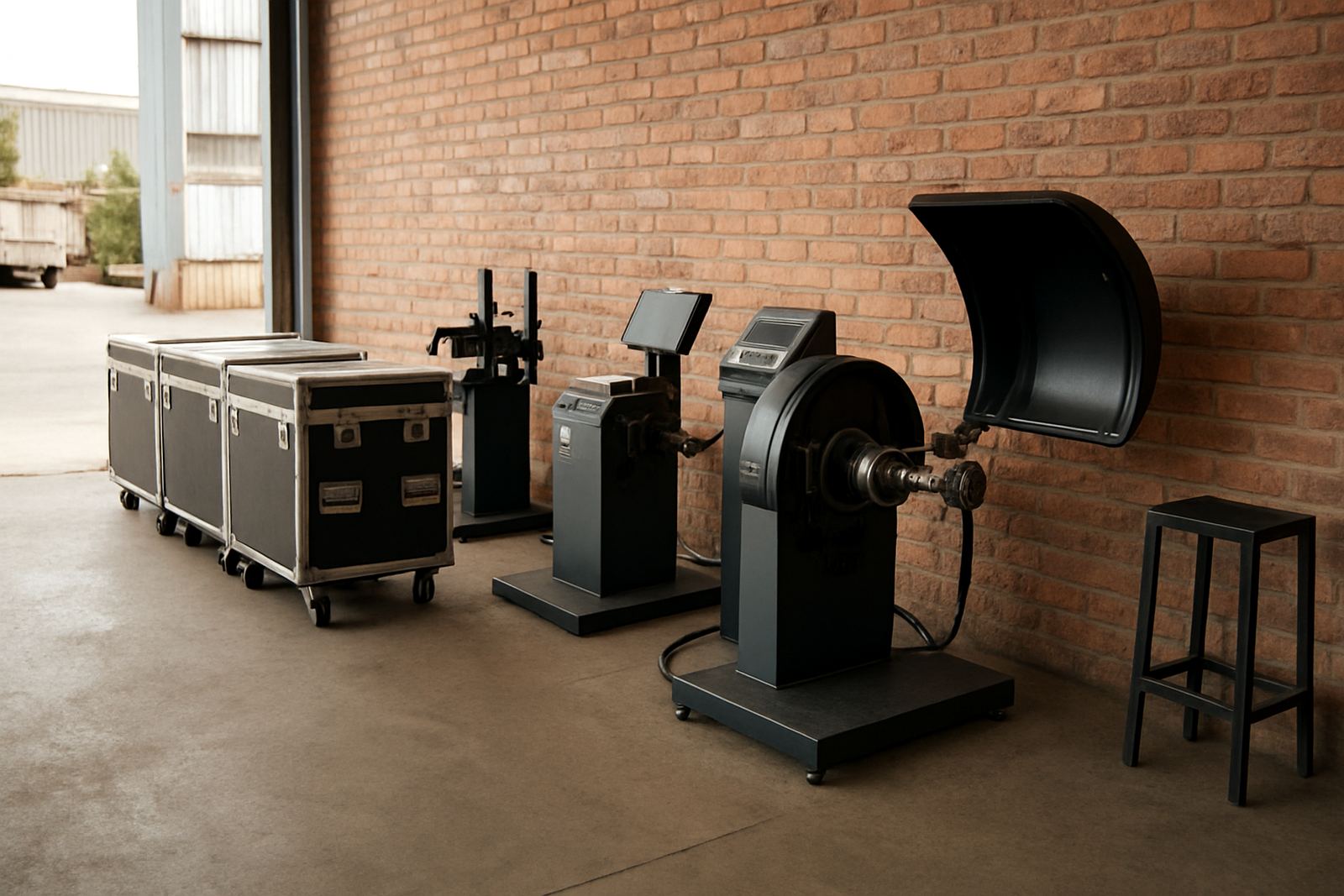
The client also needed clarity on where each item would land. One section of the system was going into a lifting bay, while the brake testing gear was being positioned for workshop use. That meant we had to understand the site layout, loading height and offloading method before the freight left the port side. It sounds simple, but it saves a lot of backtracking later.
- Correct tariff codes for machinery and workshop equipment
- Pre-clearance document check before arrival
- Delivery sequencing matched to installation order
- Clear handover notes for the site team
Constraints around port timing, access and handling
The biggest constraint was timing between clearing and delivery. Cape Town harbour movements, truck availability and the workshop's own fitment schedule all had to line up. We also had to plan around load shedding at the receiving site, because a stop-start offload on a manual gate or lifting point can waste time and put pressure on the crew.
Montague Gardens is straightforward once you know the roads, but the working yards are not all built for long stays or wide turning circles. The truck had to be suitable for the street layout and the receiving bay had to be clear before arrival. The client asked for a single coordinated drop rather than a split delivery, so we arranged the lift and transport to match that. If the weather turned coastal damp, the packing still needed to stay sound, especially on electrical and control parts.
We also checked that the delivery timing would not clash with local traffic peaks or municipal restrictions around stopping in service lanes. That kept the job steady and reduced the chance of a failed attempt.
How we handled the import, clearance and Cape Town delivery
Machines Africa Hub managed the job from the import planning stage through to delivery in Cape Town. We reviewed the packing list, commercial invoice and transport instructions, then classified the items and prepared the clearing file. Where descriptions were too broad, we tightened them up so the customs entry reflected what was actually in the shipment.
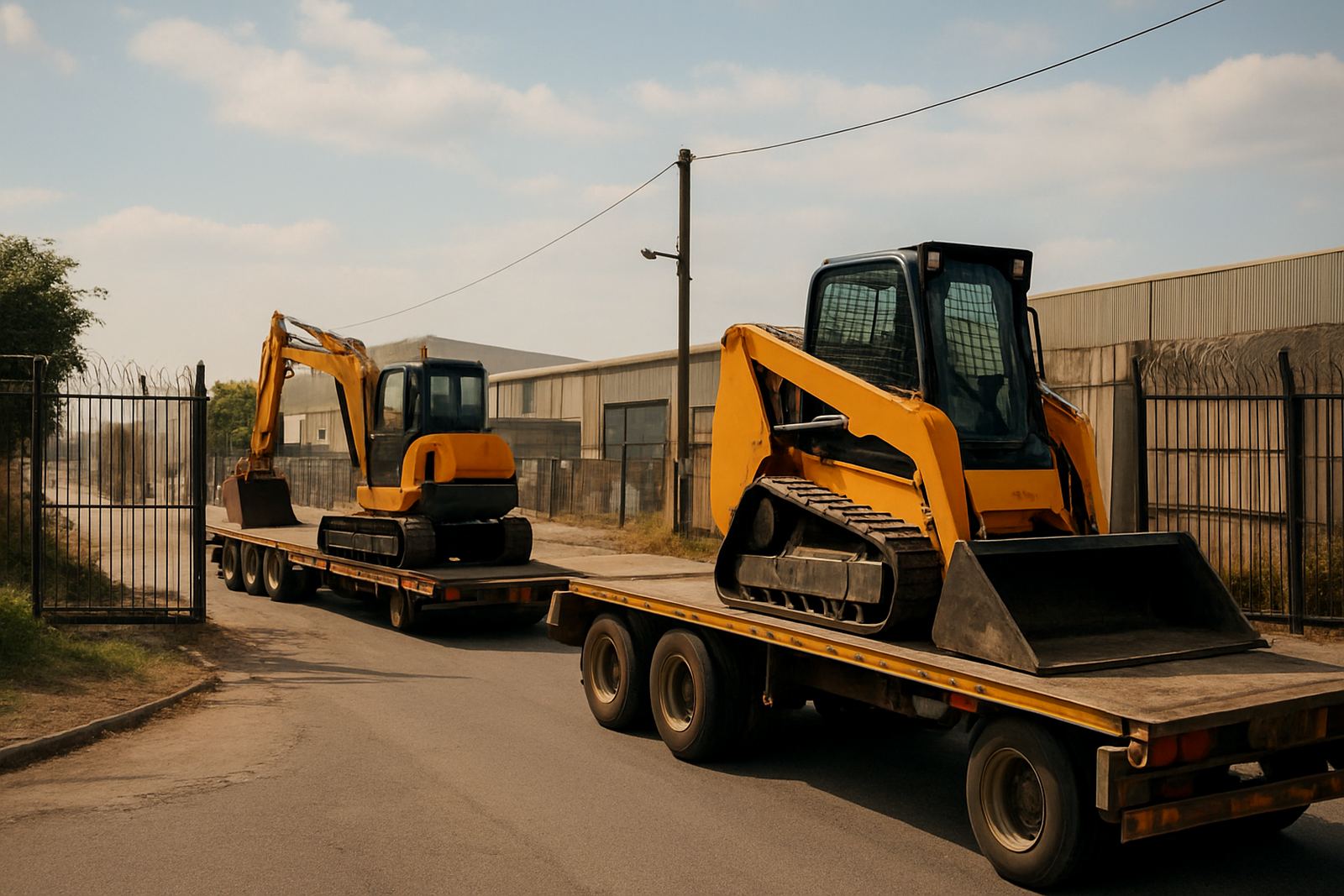
Once the freight was released, we coordinated port collection and inland transport into Montague Gardens. The delivery used site offloading support with the right lifting gear for the crate sizes, and our team kept the client informed at each stage. The receiving team did not need to spend time chasing paperwork or wondering when the truck would arrive, which is the point of the exercise really.
- Import planning and document management
- Customs clearing and tariff classification
- Port collection and inland transport from Cape Town port area
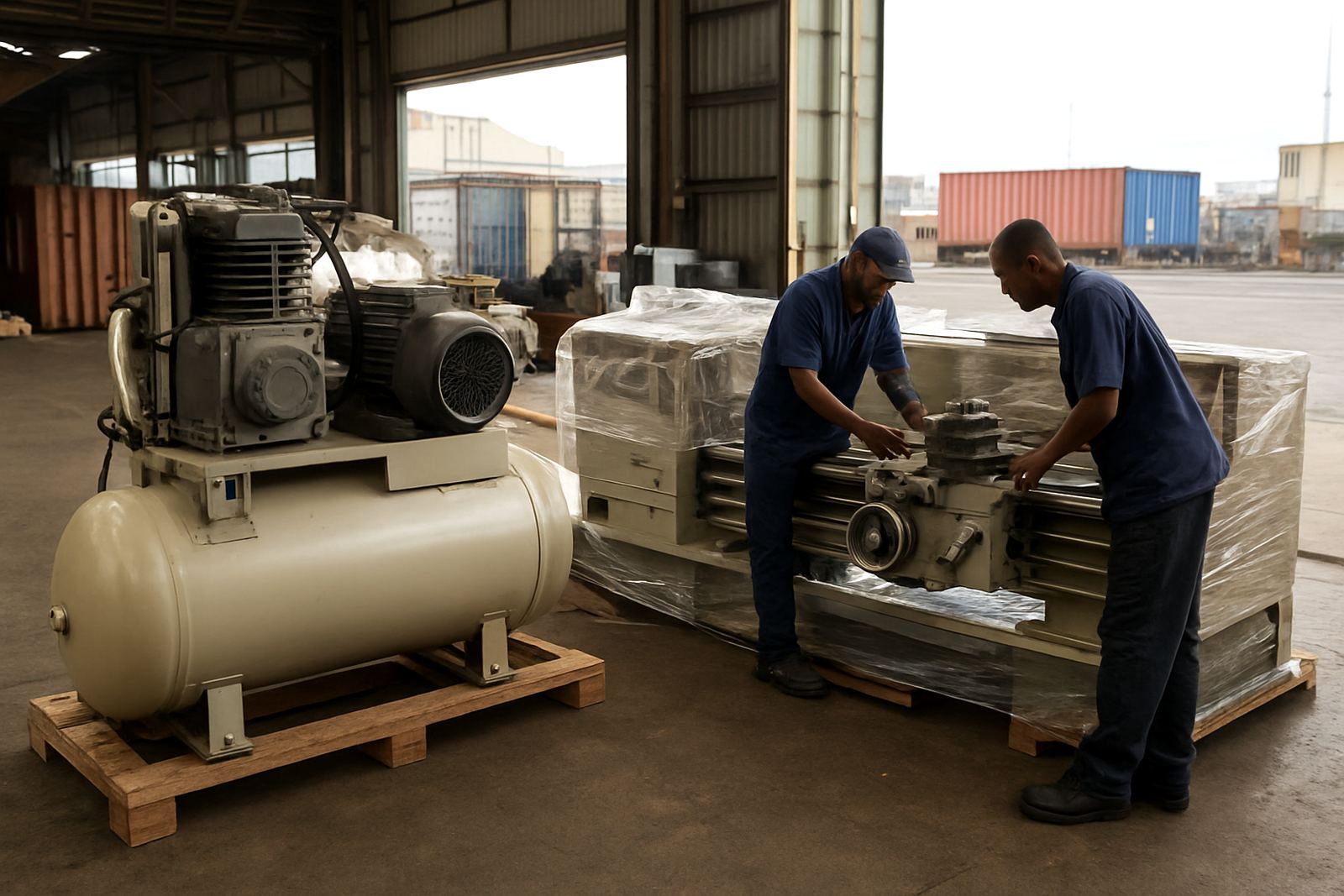
- Site offloading with handling suited to heavy workshop equipment
- Optional bonded storage if release timing shifts
Timeline and key measurements
The full move ran over 4 weeks from document review to site delivery. Week 1 covered paperwork, classification and confirmation of the freight details. Week 2 dealt with the shipping leg and arrival planning. Week 3 covered customs release and port collection. Week 4 was delivery into Montague Gardens and handover to the client team.
The main equipment package included a brake testing system with a working length of about 7.2 metres in its packed form, plus lifting components packaged across 3 crates and 2 accessory boxes. The heaviest single crate came in at just under 1.4 tonnes, so the offloading plan had to match the weight not just the size. Total cargo width on the largest crate was a little over 1.2 metres, which made aisle and gate checks important before the truck left the port.
We also kept an eye on the local conditions at receiving time. Montague Gardens can be busy in the mornings, and a late truck there quickly starts eating into workshop hours.
Results for the workshop and what we would repeat
The job landed on time, cleared without a hold at release, and reached the site ready for fitment. That gave the workshop a clean start on installation and let them schedule their technicians instead of waiting around for freight. The client had the equipment on hand for their heavy vehicle service work and could move ahead with brake testing and lifting tasks in a controlled way.
If we were to do this same type of project again, we would keep the same approach: early document review, firm offloading booking, and direct communication with the receiving team in Cape Town. For imported fleet tools and workshop systems, that mix works because it cuts out uncertainty. It also keeps the job practical, which matters when the equipment is needed for day to day fleet uptime rather than storage.
- Freight delivered in line with the installation window
- No rework needed on the customs paperwork
- Site offloading completed without damage
- Client able to start fitment straight away
Why this matters for fleet operations in Cape Town
Fleet workshops in Cape Town often need imported tools that are too heavy or specialised for ordinary handling. Brake test rigs, lifting systems and support equipment all need the same attention as vehicle parts, because a delay in one item can hold up the whole bay. For sites in Montague Gardens, Paarden Eiland and nearby industrial areas, a clean import process saves time and keeps workshop planning under control.
Our team in Durban, Johannesburg and Cape Town works with freight that has to move on time and arrive in the right condition. For this project, that meant keeping the paperwork tidy, matching transport to the site and making sure the client could get on with the job. Simple enough when everything is lined up, but it takes proper coordination behind the scenes.
Key facts
| Project area | Montague Gardens, Cape Town |
|---|---|
| Client type | Heavy vehicle workshop and fleet support operation |
| Equipment | Imported brake testing and lifting systems |
| Timeline | 4 weeks from document review to delivery |
| Largest crate weight | Just under 1.4 tonnes |
| Services used | Import Planning, Customs Clearing, Port Collection, Inland Transport, Site Offloading, Document Management |