Industrial yard support in Richards Bay
The client needed plant support equipment on site for a busy industrial yard servicing maintenance and materials handling work in Richards Bay. The brief was straightforward on paper: get a telehandler and a tow tractor into South Africa, clear them without delay, and deliver them ready for yard use. In practice the job needed close control of shipping dates, clear paperwork and a plan for port release because the operation could not afford long standstill time.
The equipment was imported through the Durban harbour corridor, then moved inland under road transport arrangements suited to the load size and the receiving site access. Our team handled the full movement from pre-arrival planning through to release and delivery, with the clearing file managed between Durban and our Johannesburg support counters for tariff checks and trade compliance.
What the client had to work around
The receiving yard in Richards Bay had limited laydown space and active vehicle traffic, so the delivery had to be timed around incoming shifts and offloading windows. Coastal humidity also mattered because the equipment would sit outdoors before final positioning, and the client wanted packaging, lifting points and start-up condition checked before handover. The tow tractor and telehandler were both needed quickly, but not at the cost of incorrect classification or avoidable port storage.
- Limited offloading area and live yard traffic
- Short lead time between vessel arrival and site readiness
- Exposure to coastal conditions during storage and transit
- Need for accurate import documents and tariff classification
- Coordination between Durban port, inland transport and the receiving team
Our import and clearing plan
We started with import planning before cargo arrival. That included checking the commercial invoice, packing list, serial numbers, equipment descriptions and origin details so the clearing entry could be prepared properly. The tariff line for each unit was confirmed by Retief and Fatima, with a focus on the actual function of the machines rather than a broad description that might slow customs processing. Where the paperwork needed correction, we pushed it back immediately to avoid port penalties.
From there we arranged customs clearing, container release and port collection in the Durban harbour corridor. The equipment was then scheduled for inland movement to Richards Bay using a truck matched to the load dimensions. Because the yard had a firm start date, we kept the transport booking aligned with the release window so there was no idle time on the stack or at the transport yard.
- Pre-arrival document review and import file setup
- Tariff classification and customs entry preparation
- Port collection after release
- Inland transport to Richards Bay
- Site offloading with the receiving team on standby
Equipment handled on this job
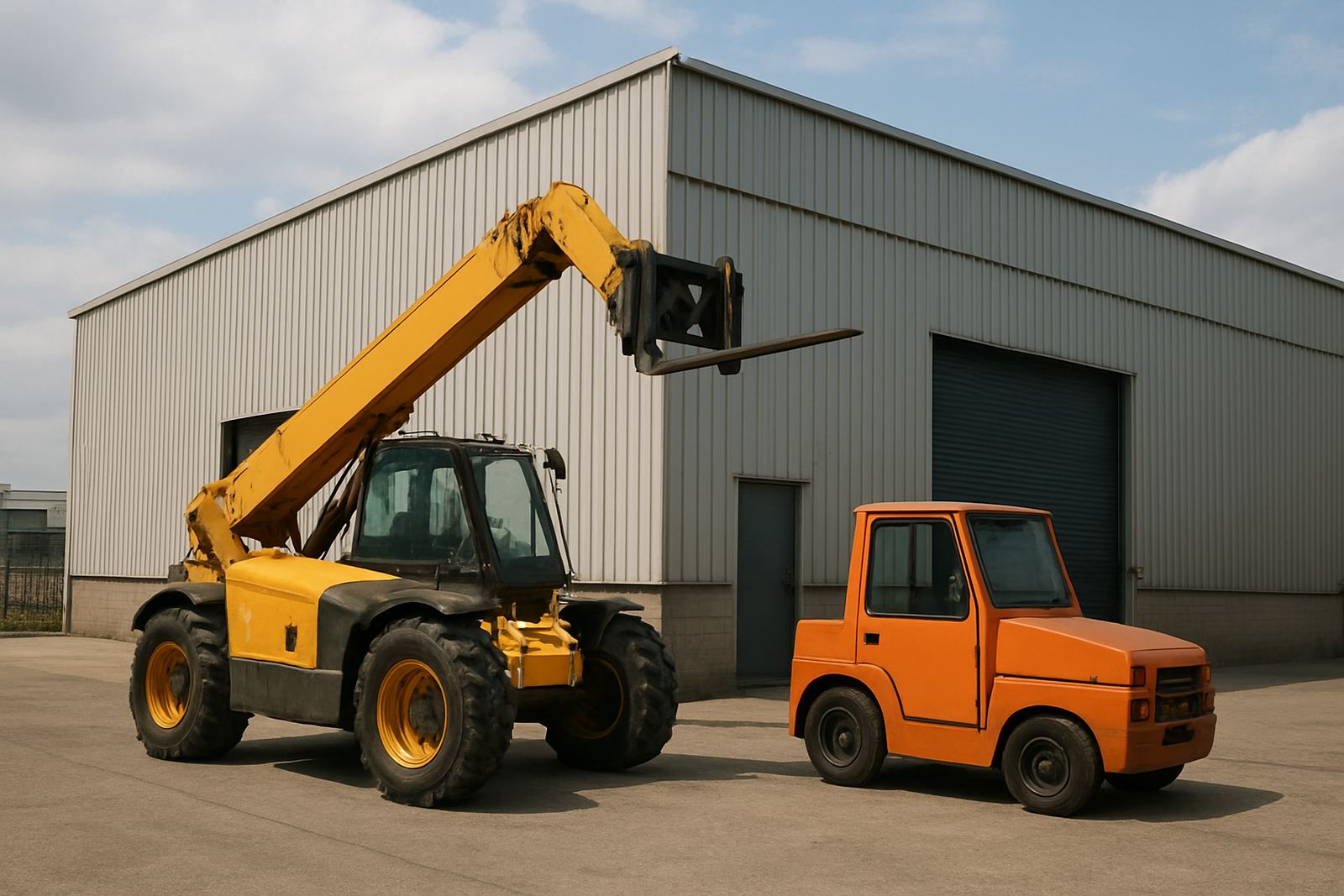
The shipment included one telehandler and one tow tractor, both suited to industrial yard support work. The telehandler was the larger of the two units, with a lifting capacity suitable for handling pallets, site materials and maintenance items at height. The tow tractor was selected for controlled movement of trailers and support loads around the yard. Both machines were checked against the shipping papers and delivered with the identifiers matched to the clearing file, which kept the release process clean and reduced the risk of delay at collection.
As part of the handover, we made sure the offloading sequence matched the site layout. That meant the telehandler came off first where access was best, followed by the tow tractor once the receiving crew had the positioning area clear. It sounds small, but on a live industrial site that ordering saves time and avoids double handling.
Timeline from booking to delivery
The full job ran over three weeks. Week one covered import planning, supplier document review and sailing confirmation. Week two covered vessel arrival, customs entry, tariff checks and release. Week three covered port collection, inland transport to Richards Bay and site offloading. The timing held because everyone knew their window and the file was managed early, not after the cargo landed.
Weather and port congestion can easily upset a schedule on this route, especially when a yard wants machinery offloaded before the next shift starts. We kept the client updated through each stage so the site team knew exactly when to prepare the receiving area and when to keep labour available. That avoided idle time, and there were no last minute changes once transport was booked.
- Week 1: import planning and document control
- Week 2: customs clearance and port release
- Week 3: collection, delivery and offloading
What the project achieved
The main result was simple: the client got both machines into Richards Bay on schedule and could put them into service without chasing missing documents or waiting on release problems. The yard team had the equipment in place for its support operation, and the inland delivery arrived in one coordinated movement instead of a piecemeal transfer. That matters on industrial sites where every day of delay can hold up maintenance, towing and materials handling tasks.
For us, the project confirmed the value of clear import planning on equipment that is not always classified correctly by first glance. We would do the same thing again by locking in the paperwork early, confirming the tariff line before arrival and aligning collection to the site offloading window. It keeps the process practical, and it keeps the client out of avoidable port costs.
Richards Bay Yard Machinery Shipping Support
Clients bringing equipment into Richards Bay often need more than a standard freight booking. They need someone who understands port handling, trade compliance and the inland leg to a working industrial site. Our base in Durban, with support across Johannesburg and Cape Town, lets us manage the chain without losing sight of the local details that affect release and delivery. For fleet and yard support equipment, that usually means getting the machine to site cleanly and on time, then staying available if extra paperwork or a second movement comes up.
In this case the outcome was solid because the process was controlled from the start. No drama at the port, no confusion on the road, and no wasted hours at the receiving gate. That is the standard we aim for on machinery movements up the east coast, whether the load is for a yard, a fleet operation or a heavy-duty industrial site.
Key facts
| Project type | Industrial yard equipment import and clearing |
|---|---|
| Town | Richards Bay, KwaZulu-Natal |
| Cargo | 1 telehandler, 1 tow tractor |
| Timeline | 3 weeks from planning to site delivery |
| Route | Durban harbour corridor to Richards Bay |
| Services used | Import Planning, Shipping Coordination, Customs Clearing, Tariff Classification, Port Collection, Inland Transport, Site Offloading |