Commercial workshop upgrade in Umbilo
The client was a medium-sized automotive service operator in Umbilo, working from a busy industrial strip where access is tight and delivery timing matters. The Umbilo fitout needed strict coordination between ship release, customs clearance and on-site placement.: get imported workshop equipment off the ship, through customs, and into position without holding up the fitout team. The upgrade formed part of a larger move to increase daily vehicle throughput, improve safety, and reduce downtime for routine servicing and brake testing.
We were asked to manage the full movement chain for the equipment, from import planning to inland transport. That included the vehicle lifts, tyre fitting equipment, wheel balancing gear and brake testers, plus the paper trail that sits around each item. In this kind of job there is very little room for delay because contractors, electricians and installers are all waiting on the same delivery window.
What had to be cleared and delivered
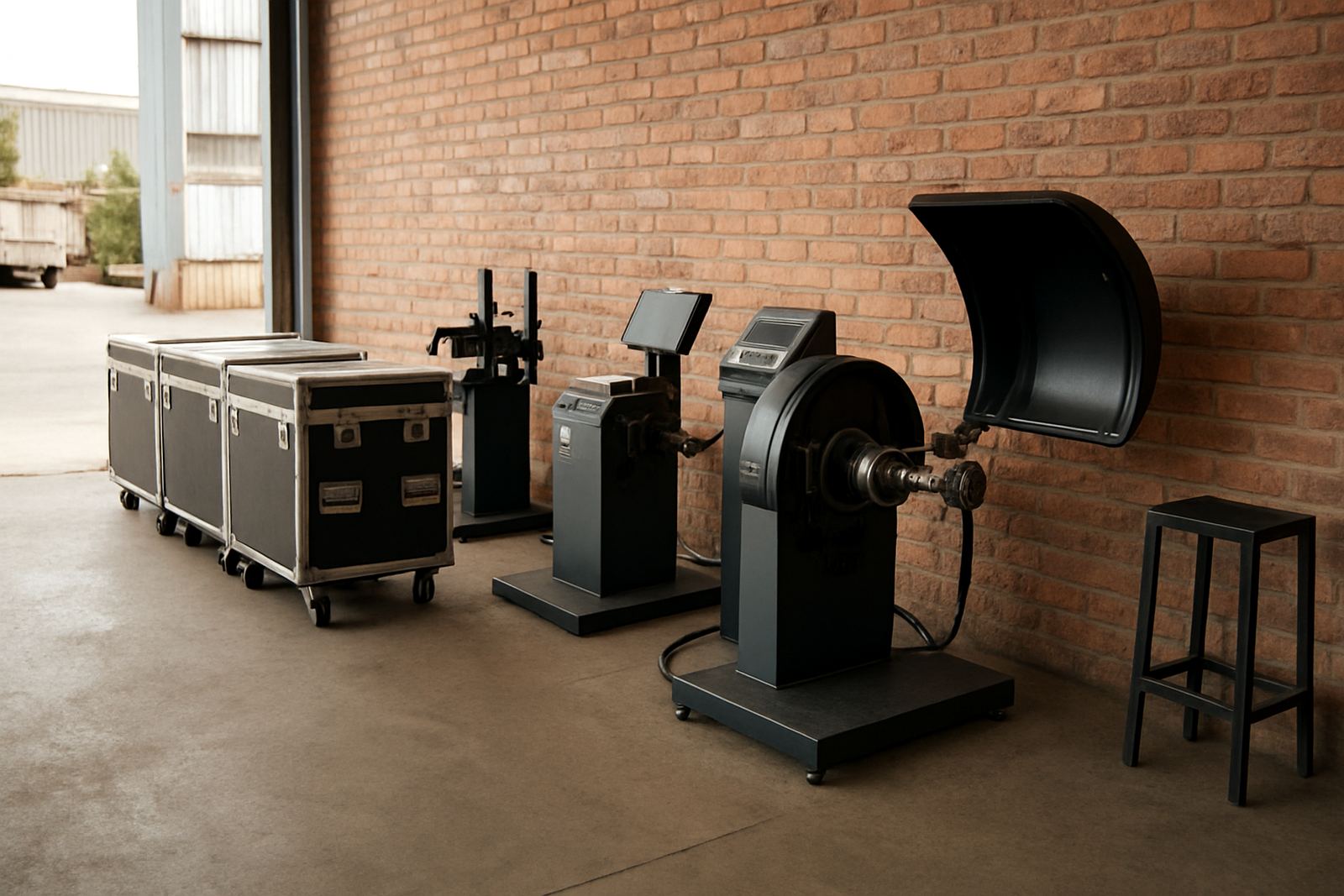
The shipment was made up of workshop machinery with mixed weights and handling needs. The main items included two-post vehicle lifts rated at 4 tonne each, a tyre changer and wheel balancer set, and a roller brake tester for passenger and light commercial vehicles. The lifts came in long crates with separate hydraulic and electrical components, while the tyre equipment needed careful handling to avoid damage to gauges, beads and control panels.
- 2 x two-post vehicle lifts, 4 tonne capacity each
- 1 x tyre changer with assist arm for low-profile tyres
- 1 x electronic wheel balancer
- 1 x roller brake tester for workshop lane installation
- Associated tool cabinets, hoses, anchors and control boxes
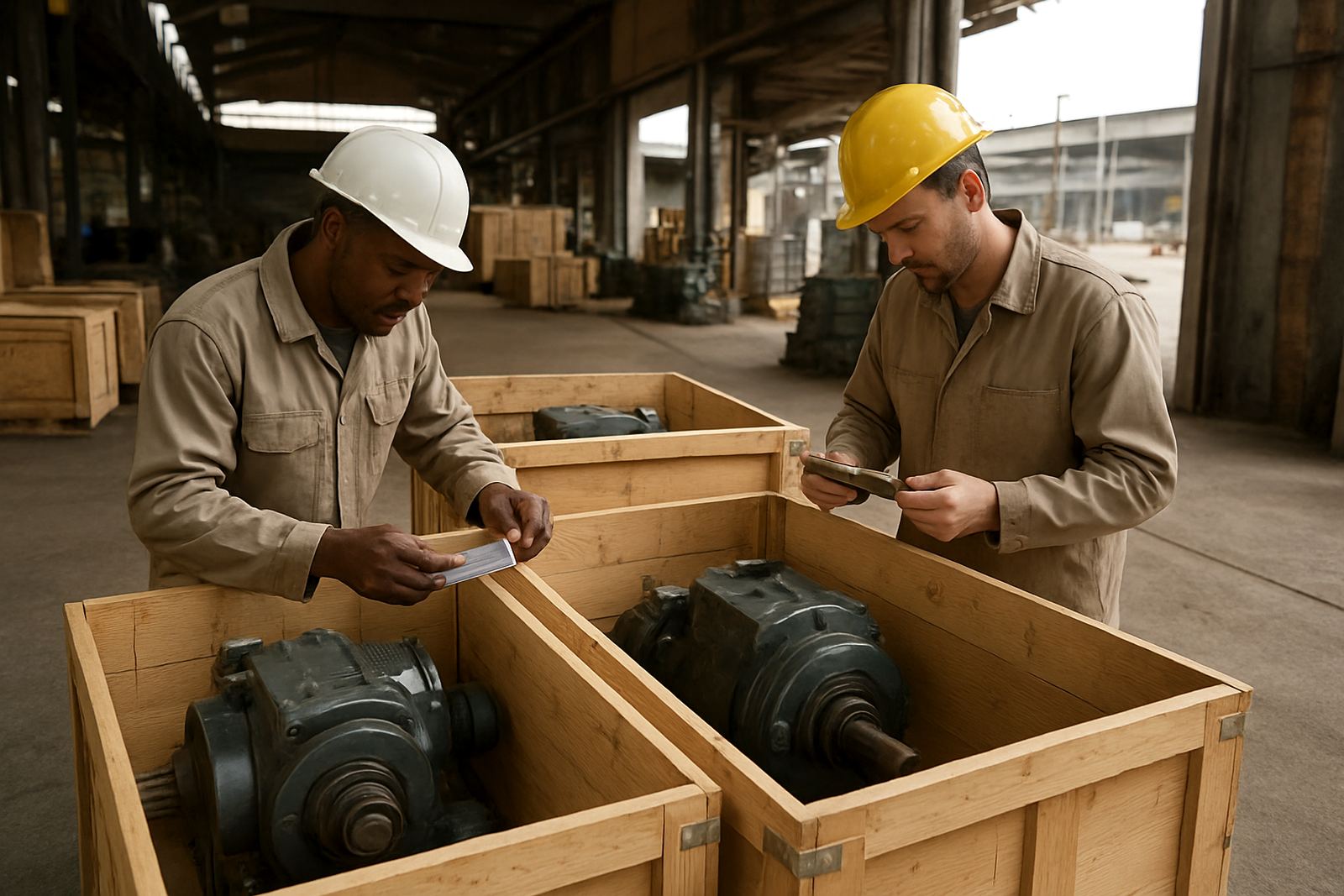
Because the equipment would be installed inside an operating workshop, every unit had to arrive clean, complete and in the right sequence. Missing bolts or damaged crate corners can slow a fitout by days, so we checked packing lists against the actual cargo before release and again at delivery. That sounds simple but it saves a lot of grief later on.
Clearing through Durban harbour without losing time
The cargo landed through Durban harbour during a week when the port was under the usual pressure of mixed imports and limited collection slots. Our clearing team handled tariff classification, customs entry, document review and release coordination. With machinery imports, the description on the commercial invoice, packing list and transport documents has to line up properly or the release can stall at the worst possible moment.
Fatima Cassim on trade compliance checked the supporting papers early, while Retief Labuschagne managed the clearing side and release instructions. That meant we could flag anything that needed correction before the cargo hit the release stage. The importer also needed cargo insurance to cover the move from port to Umbilo, since workshop equipment is vulnerable to shock damage and water exposure, especially in Durban humidity near the harbour.
We arranged collection once release was confirmed and timed the uplift to avoid unnecessary standing time. On jobs like this, a few extra hours at the terminal quickly becomes extra cost, and sometimes a missed delivery slot at site as well.
Transport, offloading and site control
For inland movement we used a suitable flatbed arrangement with loading gear matched to the crate sizes and weight spread. The lifts required stable stowage and proper restraint points, while the brake tester crate needed a careful route plan because the workshop entrance had limited turning space and low tolerance for reversing mistakes. Umbilo industrial streets can be narrow with parked vehicles, so the driver had to work within a fairly tight margin.
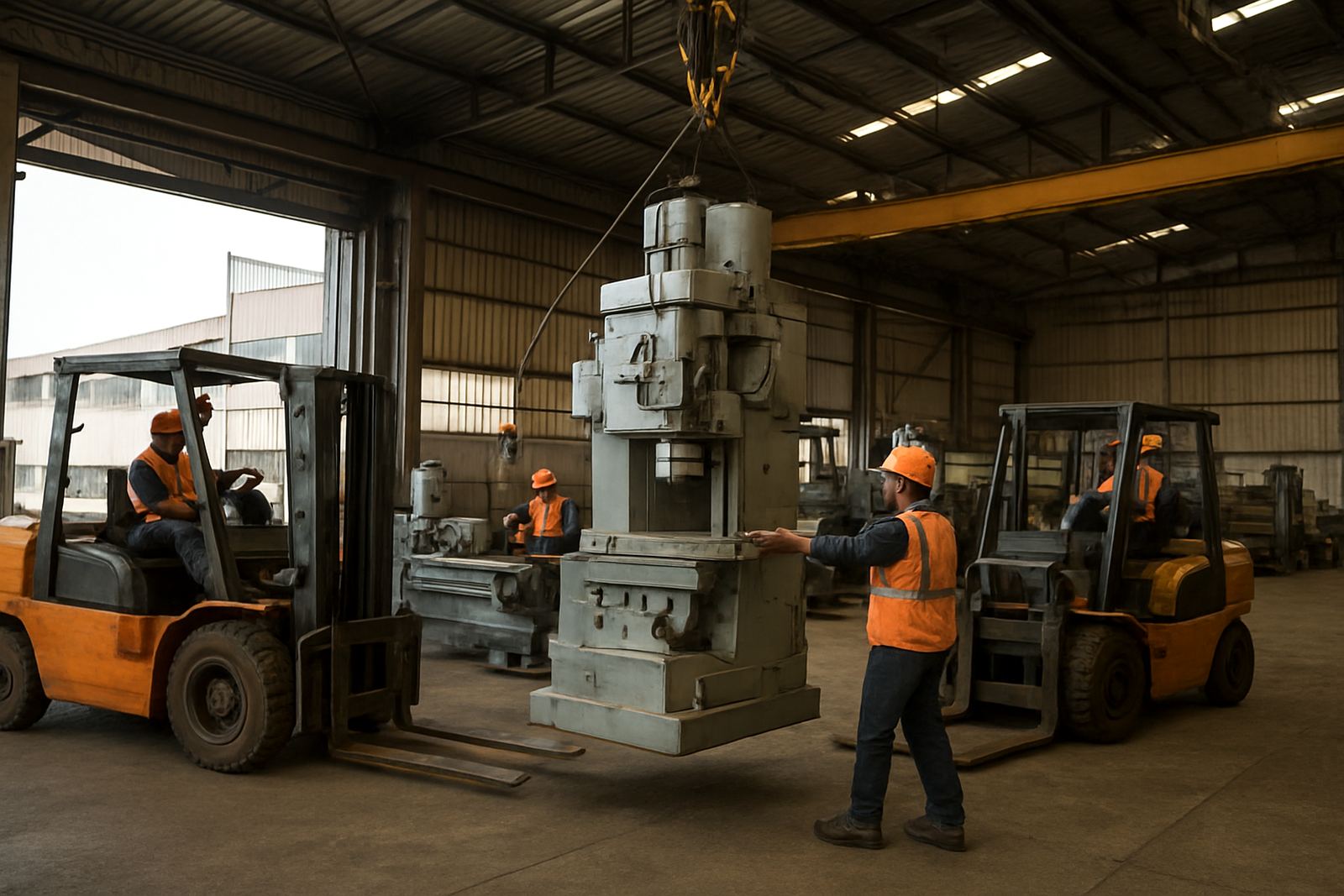
Luthando Mchunu coordinated the fleet side and worked with the client on the delivery window. Nomsa Dlamini handled client updates so the workshop manager, installer and electrician all knew when the cargo would land. At site we completed offloading in sequence, placing the heaviest items first and keeping the smaller components together for the installation crew. We also made sure the crates were positioned so the fitout team could start unpacking straight away, not move things twice.
- Delivery planned around workshop access and traffic flow
- Offloading done in sequence to match installation order
- Equipment placed for easy unpacking and floor marking
- All shipping papers handed over with the cargo
Timeline from release to handover
The project ran over three weeks from the first document check to final handover. Week one was planning, document review and tariff confirmation. Week two covered vessel arrival, customs release and port collection. Week three covered inland transport, site offloading and proof of delivery. The timing was tight because the workshop had already booked installers, electrical contractors and floor marking work around the equipment arrival.
For the client, the main value was that they did not have to chase five different parties to keep the job moving. The harbour, transport, clearing and site teams were all lined up through one point of contact. That reduced admin and made it easier to keep the fitout on schedule, even with one small delay at the terminal that would otherwise have pushed the delivery into the next day.
Results for the workshop team
The equipment arrived complete and on time for installation, which allowed the workshop to continue with its upgrade without losing booked labour. The vehicle lifts were positioned for anchoring, the tyre equipment was ready for commissioning, and the brake tester was delivered with the supporting documents needed for the next stage of setup. The client could focus on the fitout itself instead of sorting out port queries, container release issues, or last-minute transport problems.
From a logistics point of view, the job confirmed what usually works best for workshop projects in Durban: early document control, a clear delivery window, and proper coordination between clearing and transport. It also helped that the cargo was released before the site team was forced to wait around with idle labour. That saves money, and in a busy trade environment it matters more than people think.
Key facts
| Project type | Import release and delivery for commercial workshop fitout |
|---|---|
| Location | Umbilo, Durban |
| Main cargo | Vehicle lifts, tyre equipment, wheel balancer and brake tester |
| Lifting capacity | Two-post lifts rated at 4 tonne each |
| Timeline | 3 weeks from document review to site handover |
| Services used | Import Planning, Customs Clearing, Port Collection, Inland Transport, Cargo Insurance, Site Offloading |