Garden Route relocation with a tight handover
The client was a construction contractor moving a small fleet of earthmoving units from the Durban harbour corridor to a site near George. The brief was straightforward on paper: get two machines released, clear the paperwork, arrange inland transport and make sure the equipment arrived ready for work. In practice, the timing mattered because the contractor had crews waiting in the Western Cape and could not afford idle days on the ground.
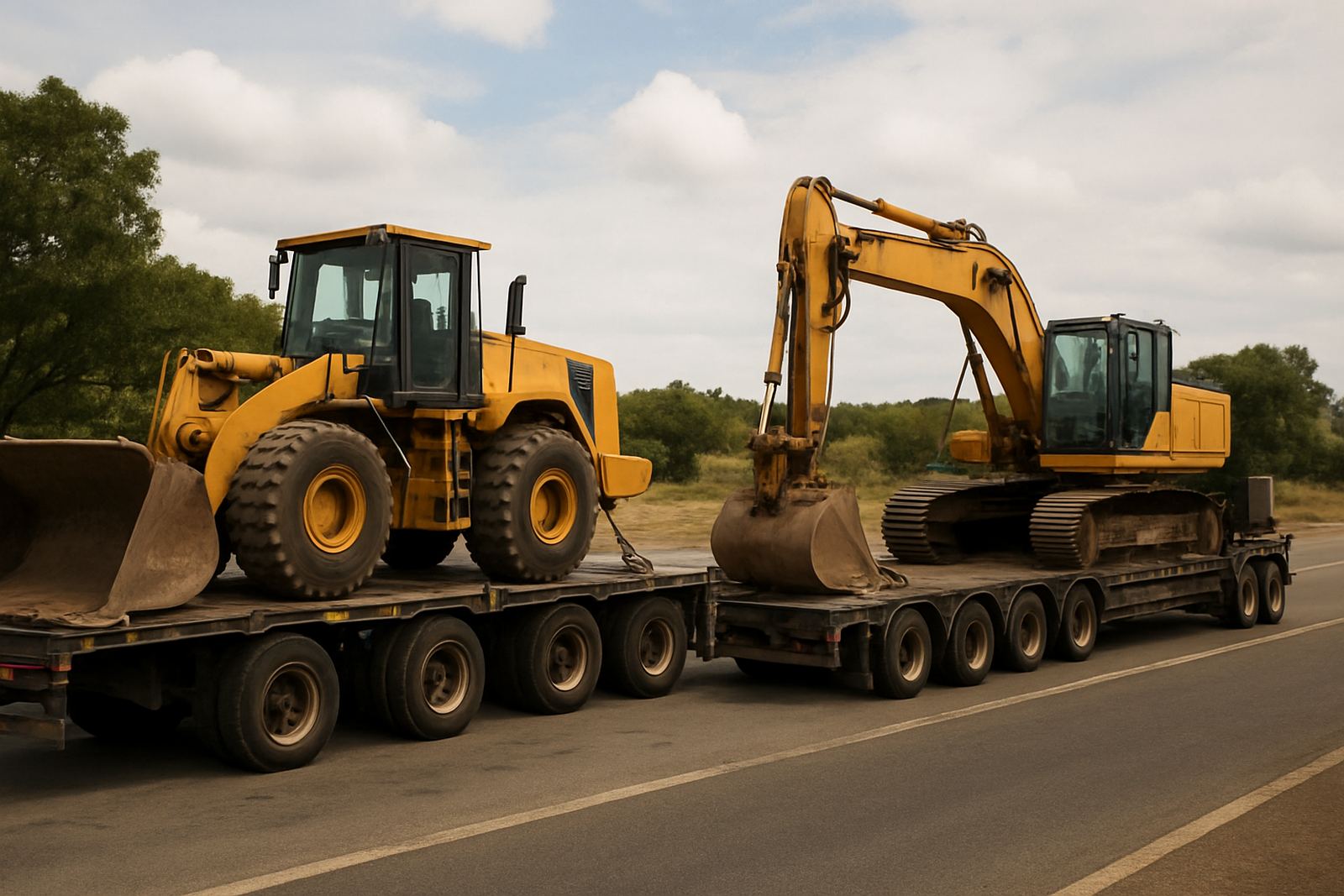
The units were a mid-sized wheel loader and a tracked excavator, both imported equipment with commercial use history and normal wear from site work. The loader was used for stockpile handling and general site loading, while the excavator was needed for trenching and bulk earthworks. We treated the move as a live project, not just a transport booking, because any delay at the port would have pushed the whole programme back by at least a week.
What made the move difficult
There were three main constraints. First, the cargo had to be cleared through Durban with correct tariff classification and release documents in place before the transport window opened. Second, the route to George needed planning around abnormal load timing, road conditions and stop points that suited the machines’ height and weight. Third, the client wanted minimal exposure to port storage charges, which meant the release had to be timed properly and the collection truck positioned without wasting time.
Durban humidity also played a part. We checked that the machines were protected against salt air while standing in the port area and that transport to the inland leg was handled quickly after release. On this type of move, even a small delay can mean extra storage, extra handling and unnecessary risk to hydraulic lines, batteries and exposed steel components.
- Release location: Durban harbour corridor
- Destination area: George and surrounding Garden Route sites
- Risk points: port storage, route timing, document errors, weather exposure
- Operational issue: contractor crews were already mobilised in the Western Cape
Our clearing and logistics support
We managed the import planning, customs clearing and transport coordination as one chain. Retief Labuschagne handled the clearing lead on the shipment, with Fatima Cassim checking the tariff side and document pack before release. Nomsa Dlamini kept the client updated on status, while Luthando Mchunu arranged the inland movement and delivery window. The handover was managed from our Umbilo base, with support through our clearing counters in Johannesburg and Cape Town where needed.
We prepared the file to avoid back-and-forth at release. That meant checking serial numbers, equipment descriptions, invoice values, packing details and supporting transport instructions before the port release was requested. Once customs release was confirmed, the loader and excavator were moved on flatbed transport for the inland leg. Site offloading was arranged at the receiving end so the contractor did not need to hire extra plant just to get the units off the truck.
- Import planning and document control
- Tariff classification and customs clearing
- Port collection and inland transport
- Site offloading at destination
Timeline from release to arrival
The full movement took two weeks from document sign-off to confirmed arrival in George. Week one covered the final paperwork check, customs submission, release confirmation and positioning of transport equipment in Durban. Week two covered collection, inland transit and offloading at site. We built in a small buffer for traffic, weather and loading delay, because a coastal route can shift quickly if there is rain or roadworks.
The machines left Durban after release and reached the Garden Route within the planned window. The contractor had their equipment on site in time for their next phase of work and did not need to hire substitute machines. That saved them cost and kept the programme moving. We also kept the client informed at each stage so their supervisor could plan labour and fuel around the arrival time.
- Week 1: document control, customs lodgement, release planning
- Week 2: collection, linehaul, delivery and offloading
- Total project duration: 2 weeks
- Outcome: no missed start date on the receiving site
Results that mattered on site
The main result was a clean transfer with no port hold-up and no damage claims. The loader arrived ready for material handling and the excavator arrived with no transport-related issues. Because the release was handled properly, the contractor avoided extra yard charges and did not lose time waiting on late paperwork. That is often where these jobs slip, especially when serial numbers, values and transport instructions do not line up.
For the client, the benefit was practical. Their team could focus on getting the machines into service and not on chasing follow-ups between the port, transport operator and clearing side. The units were delivered in working condition and the receiving crew signed off the handover without problems. It was the sort of result that looks simple at the end but only works when the chain is controlled from the start.
What we would do again on a similar move
For another relocation like this, we would repeat the same approach: confirm the file early, align customs and transport before release, and build the route plan around the actual dimensions of the machines. We would also keep a stronger check on timing during peak port periods, because Durban can tighten up quickly when volumes rise or when weather interrupts normal collection slots.
We would use the same method for contractors moving plant between KwaZulu-Natal and the Western Cape, or for fleet operators shifting equipment inland through Johannesburg and Cape Town. The key is to treat machinery logistics as a working system, not a once-off booking. That means direct contact, accurate paperwork and steady follow-through from collection to delivery. It is simple enough when every step is handled properly, but there is no room for guesswork.
Key facts
| Project | George Construction Arrival |
|---|---|
| Client type | Construction contractor relocating plant |
| Equipment moved | Wheel loader and tracked excavator |
| Route | Durban harbour corridor to George, Western Cape |
| Timeline | 2 weeks from sign-off to delivery |
| Services used | Import Planning, Customs Clearing, Port Collection, Inland Transport, Site Offloading |