
Project brief from a busy recycling yard
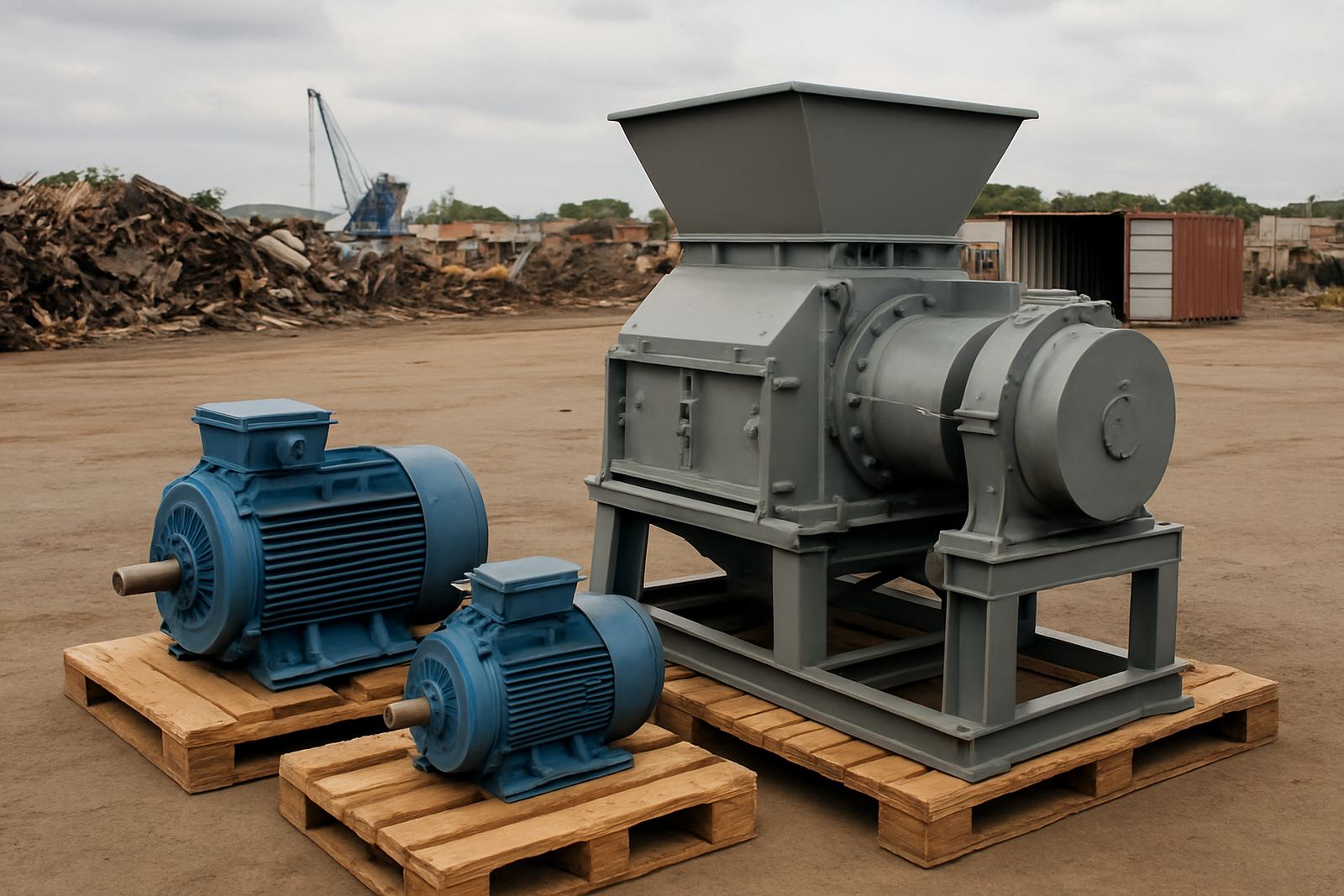
The client was a materials recovery facility in Verulam, serving mixed plastics and light industrial waste streams for the north coast and Durban metro. They needed a medium-duty granulator imported from overseas and moved to site with enough planning to avoid delays at the port, and enough care to protect the machine during offloading and positioning.
The brief was simple on paper. Get the machine into South Africa, clear it correctly, move it inland, and have it ready for the installation crew. In practice, it meant managing shipping dates, supplier documents, tariff classification, and a narrow delivery window at a yard where forklifts, balers, and incoming loads were moving all day.
The client wanted one point of coordination from the moment the cargo left origin. They had a production team to keep running and could not afford a machine sitting in the harbour because of missing paperwork or an incorrect code. That is where our planning started.
What made the move tricky
The biggest constraint was timing. The facility could not accept the granulator during peak receiving hours, and the delivery had to fit around labour shifts and yard access in Verulam. The route also needed to account for Durban harbour congestion, road conditions, and the fact that heavy equipment does not like sitting in coastal humidity any longer than it has to.
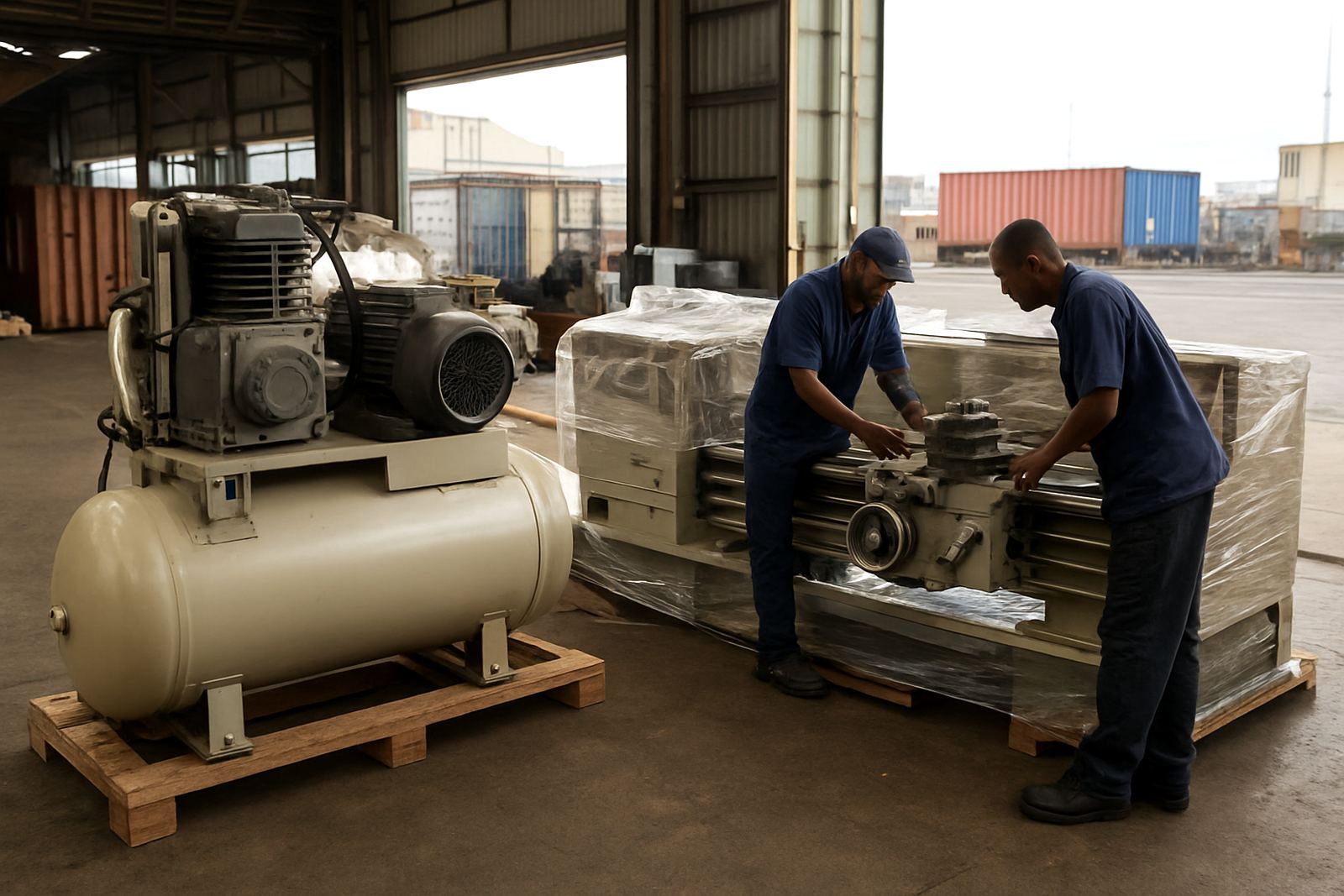
We also had to work with a machine that arrived as a single heavy crate with auxiliary parts packed separately. The crate needed stable handling, clear marking, and a clean paper trail so customs could accept the shipment without back-and-forth. One missing document can hold a machine for days, so the focus was on accuracy before the vessel even berthed.
- Importing a granulator with multiple loose parts and no room for rework
- Coordinating collection around Durban port congestion and storage cut-off times
- Delivering to a working recycling yard with limited offloading space
- Keeping the shipment compliant with customs, tariff, and transport requirements
How we handled the import and clearing
We started with import planning, checking the supplier paperwork, packing list, invoice details, machine dimensions, and serial references. From there, our clearing lead and trade compliance specialist worked through tariff classification and the customs entry so the declaration matched the actual machine and not just the description on the invoice. That saved time at entry and reduced the risk of queries.
Once the vessel details were confirmed, we arranged shipping coordination and port collection through Durban. Because the load had to move quickly after release, we prepared the inland leg in advance rather than waiting for clearance first. That meant the truck, collection slot, and delivery team were ready to go as soon as the cargo was available.
We also handled document management through each step, including release documents, transport paperwork, and the consignee instructions needed for site access. A clean file makes a big difference when there are multiple people involved, and in this case it kept everyone on the same page.
- Import planning and pre-clearance document review
- Tariff classification and customs entry preparation
- Port collection and release coordination in Durban
- Transport paperwork and delivery instructions for the Verulam site
Inland haulage to Verulam and site handling
The inland leg from Durban harbour corridor to Verulam was scheduled for a weekday morning, outside the rush that can build up on local routes. The machine travelled on a flatbed suitable for the crate size, with the load secured for coastal road conditions and the short but stop-start trip north of the city. The route was short in distance but needed discipline, because a few loose hours can become a full day if traffic or port release slips.
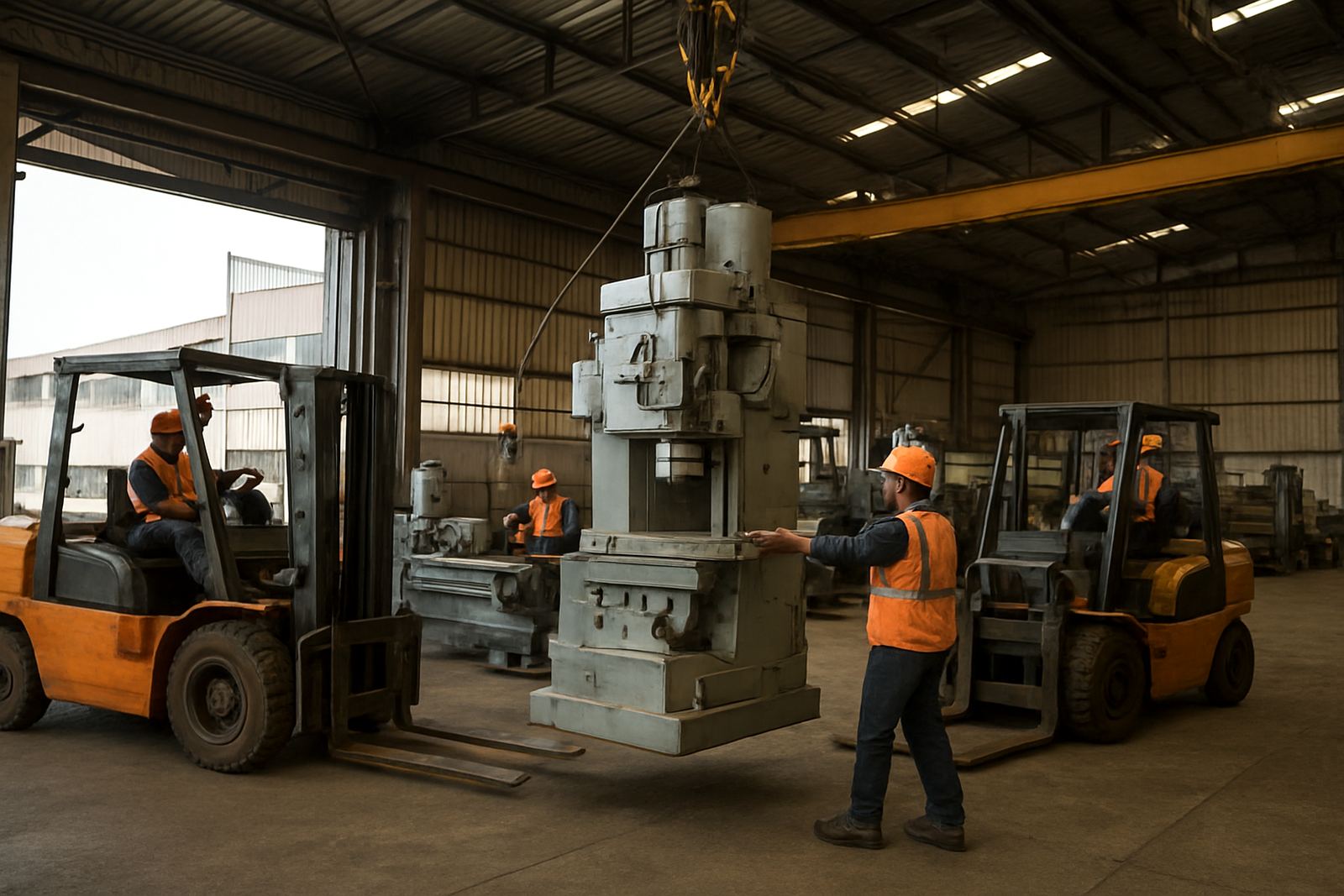
On arrival, we coordinated with the site team for offloading. The yard had limited manoeuvring space, so we used the agreed drop zone and kept the truck on site only as long as needed. The granulator was positioned for the client’s installation crew, with the accessories checked against the packing list before handover. There was a small delay while the yard cleared a receiving bay, but the schedule held and the machine came off without incident.
The client also asked us to advise on temporary storage, in case the installation team was delayed by internal prep. We gave them options for bonded storage and short-term holding, but in the end the machine moved straight through to site. That saved them storage cost and kept the project moving. No one wanted a granulator sitting in a depot any longer than necessary.
Timeline and project milestones
The full process ran over four weeks from booking to final site handover. The first week was document review and import planning, followed by vessel tracking and customs preparation. The second week covered arrival, clearing, and release at Durban. The third week was collection planning and inland transport, and the fourth week closed out the offload and handover to the client’s installation team.
This timing worked because the steps were sequenced before the cargo landed. There was no waiting around for a quote, a permit, or a transport slot once the container reached port. The client had a tight programme and needed facts, not guesses, so we kept updates clear and brief.
- Week 1: import planning, tariff review, and document checks
- Week 2: vessel arrival, customs clearing, and release
- Week 3: port collection and haulage booking
- Week 4: Verulam delivery, offload, and handover
What changed for the client after delivery
The granulator was on site, undamaged, and ready for installation on schedule. More importantly, the client avoided demurrage pressure, missed receiving slots, and the extra handling that often comes with a poorly planned import. For a recycling facility that depends on throughput, that matters just as much as the machine itself.
The project also gave the client a repeatable process for future equipment imports. They now know which documents to gather early, how to plan around Durban port activity, and what to expect when moving machinery into a working yard in Verulam. That makes the next import easier, especially if the next item is bigger or arrives with a tighter turnaround.
From our side, the job confirmed that careful coordination still wins over last-minute scrambling. The machine was not special because it was expensive. It was special because the client needed it to earn its keep, and every day saved in the supply chain helped that happen. The yard team was pleased to get it off the truck without drama, which is always the best sign.
What we would do again for a similar upgrade
We would repeat the same approach for another recycling or sorting upgrade in Durban, Verulam, Pinetown, or anywhere along the harbour corridor. Start with the paperwork, confirm the tariff position early, arrange transport before the vessel arrives, and keep the site team informed on the exact delivery window. That basic discipline prevents most of the headaches.
For facilities working in coastal humidity, dusty yards, or load-shedding conditions, we would also recommend planning the receiving area in advance. Clear access, a checked offloading path, and a backup power plan for the first start-up all help the machine move from cargo to production without trouble. It is not fancy work, just practical work done in the right order.
- Confirm import documents before shipment leaves origin
- Book inland transport before port release where possible
- Keep the site ready with a clear offloading bay
- Allow for short-term storage only if the installation crew is not ready
For teams importing equipment into South Africa, that approach keeps costs under control and gives everyone a cleaner handover. It also means fewer phone calls asking where the machine is, because everyone already knows where it is supposed to be.
Key facts
| Project type | Granulator import, clearing, and inland haulage |
|---|---|
| Client sector | Materials recovery and recycling |
| Location | Verulam, north of Durban |
| Route covered | Durban harbour corridor to site delivery |
| Timeline | 4 weeks from planning to handover |
| Services used | Import Planning, Customs Clearing, Port Collection, Inland Transport, Document Management |