Packhouse Expansion in Nelspruit, Limpopo Border Trade Flow
The client was an agricultural packhouse operator in Nelspruit adding support equipment for a larger handling area. The project called for two forklifts, conveyor sections, guards, rollers and loose fittings to be brought in and delivered ready for installation. We handled the movement through the Durban harbour corridor, then turned it inland to the Lowveld with the right checks at each step.
The brief was simple in words but not in practice. Keep the machinery moving, clear it without delay, and make sure the load reached site in the order the installers needed. Because the packhouse was in season, the team could not afford a missed truck slot or a long wait at the gate. Even a half day delay would have pushed back the fitment crew and the cold room schedule.
What Made the Load Difficult to Move
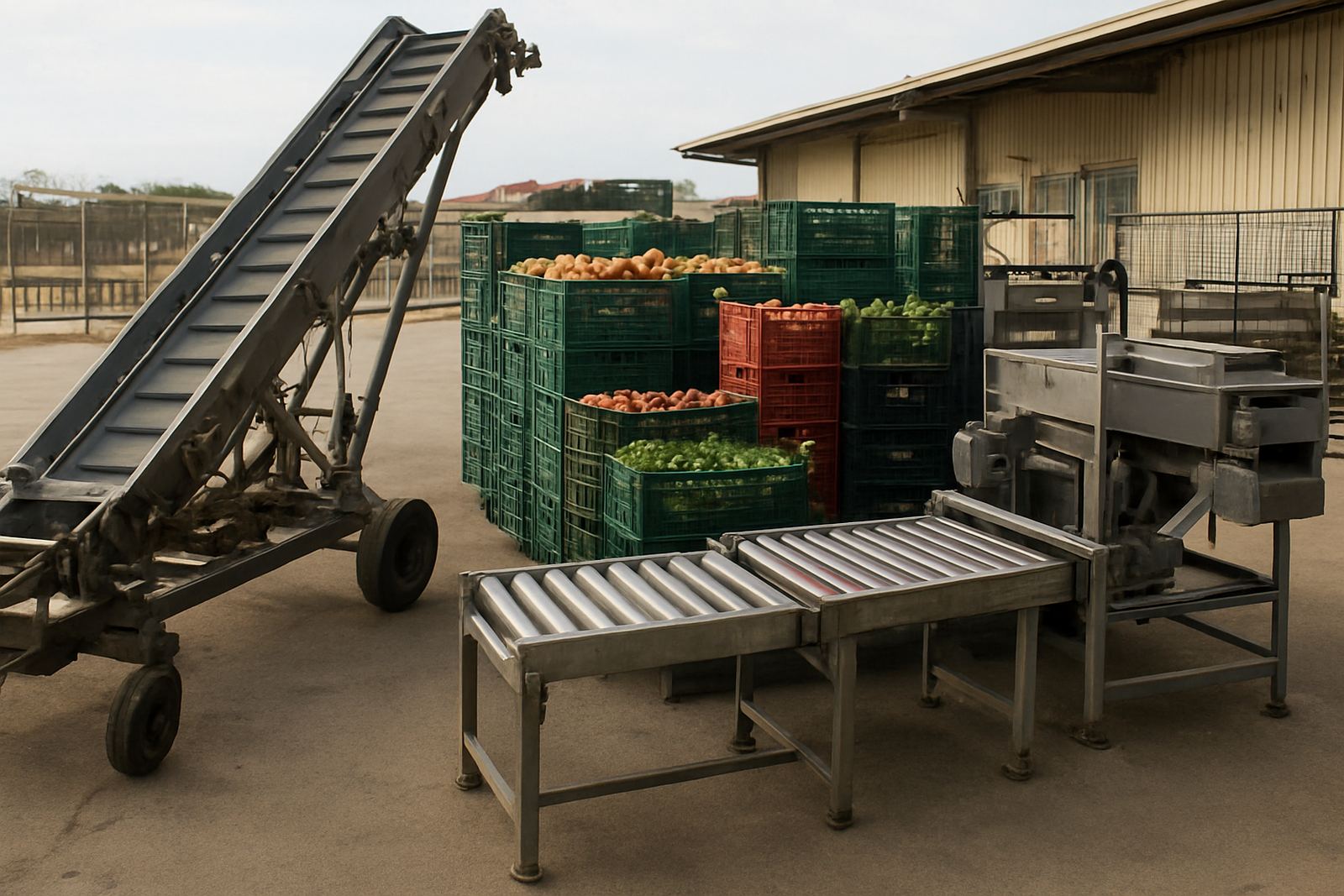
The cargo included a mix of heavy and awkward pieces. The forklifts needed equipment lifting checks, while the conveyor sections were long, light and prone to rubbing if tied down badly. Some sections were over 6 m in length, with the main forklift units weighing in the 3 to 4.5 tonne range each. That meant we had to plan the transport sequence carefully and match the truck type to the load profile.
- Mixed cargo with heavy units and long steel sections
- Site access controlled around active packhouse traffic
- Harvest season timing with limited offload windows
- Humidity and dust exposure on the road to Nelspruit
- Clearance documents had to align with the packing list, no guesswork
We also had to think about handling at both ends. Durban port conditions can change fast with vessel timing, while inland delivery into the Lowveld can mean long running hours and road checks. The load needed enough restraint, but not so much pressure that it damaged the conveyor frames or bent brackets.
Import Planning, Clearing and Tariff Classification
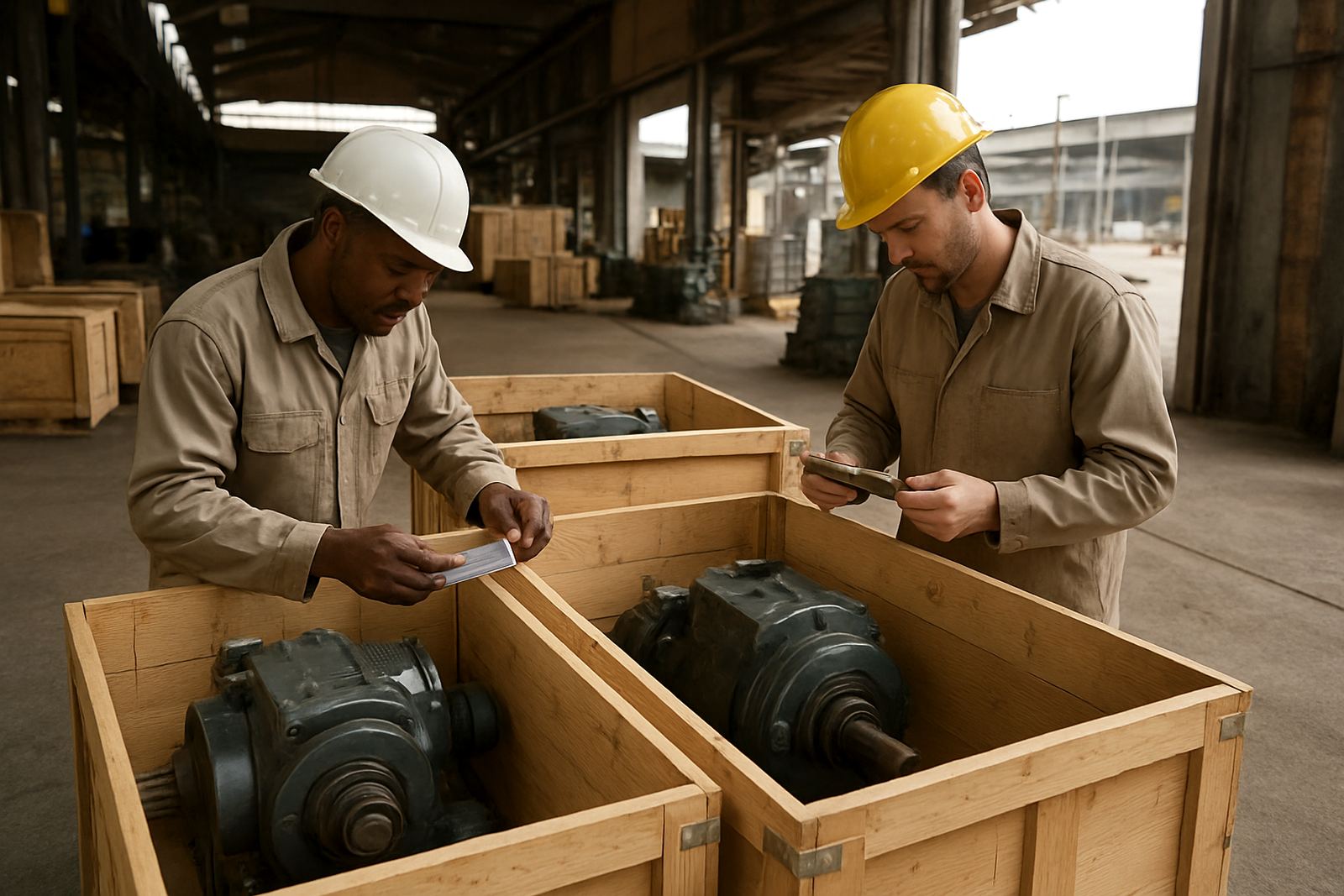
We started with import planning and document management so the cargo could be classified before arrival. The machinery was checked against the invoice, packing list and technical descriptions to confirm tariff classification and duty treatment. That helped avoid delay at the port and reduced the chance of customs queries once the shipment landed.
Our clearing lead handled the entry through Durban, then we arranged port collection and kept the client updated on release timing. Where needed, cargo insurance and bonded storage options were available, but for this project we kept the line moving straight through. That saved time and kept the machinery out of extra handling cycles that often cause damage.
- Customs entries prepared from full cargo detail
- Tariff classification confirmed before vessel arrival
- Port release managed with collection timing matched to truck availability
- Documents shared with the client for sign-off at each stage
Inland Transport to the Lowveld
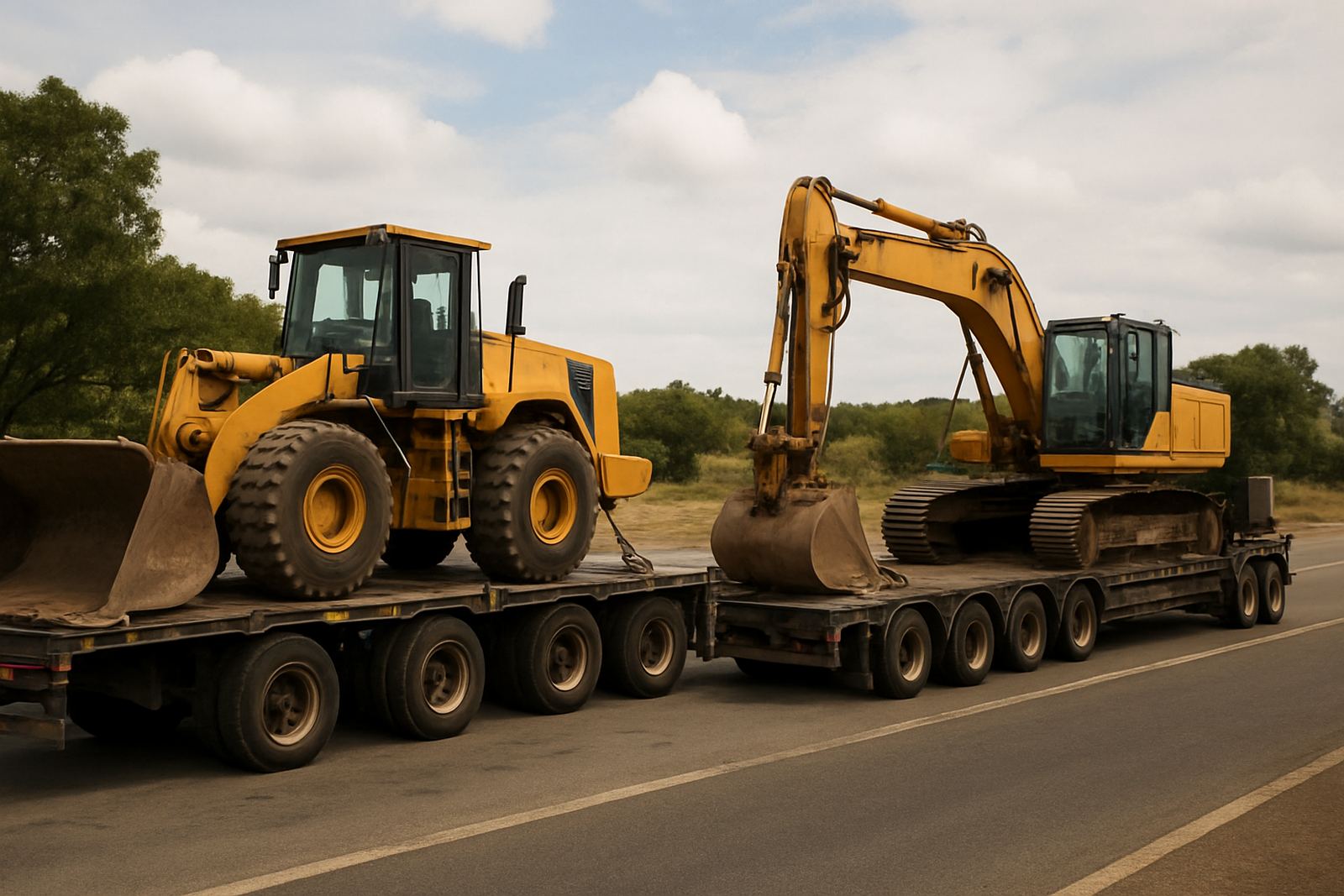
Once cleared, the equipment was loaded for inland transport to Nelspruit on a planned uplift. We used a flatdeck for the longer conveyor sections and a separate heavy vehicle for the forklift units so each part could be secured properly. The route was planned around travel time, weighbridge checks and fuel stops, with enough buffer for road conditions and normal load-shedding related terminal delays at the client side.
Transport coordination mattered just as much as the clearing. If the trucks arrived too early, the site crew was not ready. Too late and the offloading window was gone. We kept one point of contact in Durban and one in Johannesburg so the handover stayed clean from port to final delivery, and there was no confusion about who was doing what.
Site Offloading and Hand-Over at the Packhouse
On delivery day, our team arranged site offloading support so the forklifts and conveyor sections could be moved off the truck in the right order. The packhouse had limited turning space, and active movement of fruit bins around the yard, so the offload had to be short and controlled. We worked with the site contact to place each item close to the install area and keep the route clear for the fitment crew.
The result was a clean handover. All major components arrived intact, the packing was complete, and the client could start assembly without chasing missing fittings or damaged brackets. The project stayed within the planned timeline of three weeks from document finalisation to site delivery. That is the sort of job where good freight control shows up in practical ways, like fewer phone calls and no rework.
Steps We Would Apply on a Similar Job
If we handled a similar agricultural expansion again, we would follow the same method but lock in the measurements even earlier. For conveyor work especially, a few extra centimetres can change the transport plan and the offload sequence. We would also keep the client involved on truck ETA updates so the site team can prepare pallets, lifting gear and labour without standing around waiting.
For packhouse cargo in the Nelspruit area, the best result comes from early planning, proper classification and direct communication from port to site. The job is not flashy, it is just careful work done on time and that is what keeps a project moving.
- Confirm dimensions and weights before vessel departure
- Match transport to each item, not just the full load
- Align site offload with the installation crew schedule
- Keep clear records for customs, insurance and handover
Key facts
| Project | Nelspruit Agri Handling |
|---|---|
| Client type | Agricultural packhouse operator |
| Location | Nelspruit, Mpumalanga |
| Cargo | 2 forklifts, conveyor sections, guards, rollers and fittings |
| Timeline | 3 weeks from document finalisation to site delivery |
| Services used | Import planning, customs clearing, port collection, inland transport, site offloading, document management |