Why this Springfield Park upgrade mattered
The client is a mid-sized fabrication business in Springfield Park, Durban, working on sheet metal, light structural parts and repeat production for local industry. They had reached the point where one more shift was not enough, so the brief was simple: get three key machines into the workshop, on time, with no avoidable delays at the port or at delivery.
The shipment included a press brake for accurate folding, a panel bender for repeat bends on smaller parts, and a plate roller for curved sections and cylindrical work. Together the set was meant to reduce subcontracting, shorten turnaround times and give the team more control over quality. The client needed the machines in place before a scheduled run of work for a transport equipment contract, so timing mattered just as much as condition on arrival.
- Project location: Springfield Park, Durban
- Client type: fabrication and metal forming workshop
- Main aim: expand in-house capacity without interrupting current orders
- Key risk: equipment arriving at the wrong time for workshop prep
Import planning from supplier to port gate
We started with import planning so the clearance process would not stall once the cargo landed. That meant checking the commercial invoice, packing list, equipment descriptions, weights and serial references before the ship reached Durban. We also confirmed how each machine would be classified for customs, which is where many delays start if the description is too vague or the tariff line is not lined up correctly.
Because the cargo was bound for a Durban suburb with limited yard space, we planned the collection around the workshop setup date and the available forklift contractor. The client did not want machines sitting in storage for days while floor space was being cleared, so we set a narrow delivery window and worked backwards from it. In practice, that saved time and a fair amount of stress too.
- Tariff review completed before vessel arrival
- Document pack checked for invoice, packing list and arrival details
- Collection plan matched to workshop readiness
- Communication kept open between shipper, terminal and client
Clearing, bond handling and transport through Durban
Once the shipment landed in Durban, our clearing lead handled the customs entries and the release steps. The load was kept moving through the Durban harbour corridor without unnecessary handovers, and the port charges were tracked so the client knew what to expect before release. For cargo of this type, the main pressure points are usually document mismatches, inspection holds and missed collection slots. We kept all three under control.
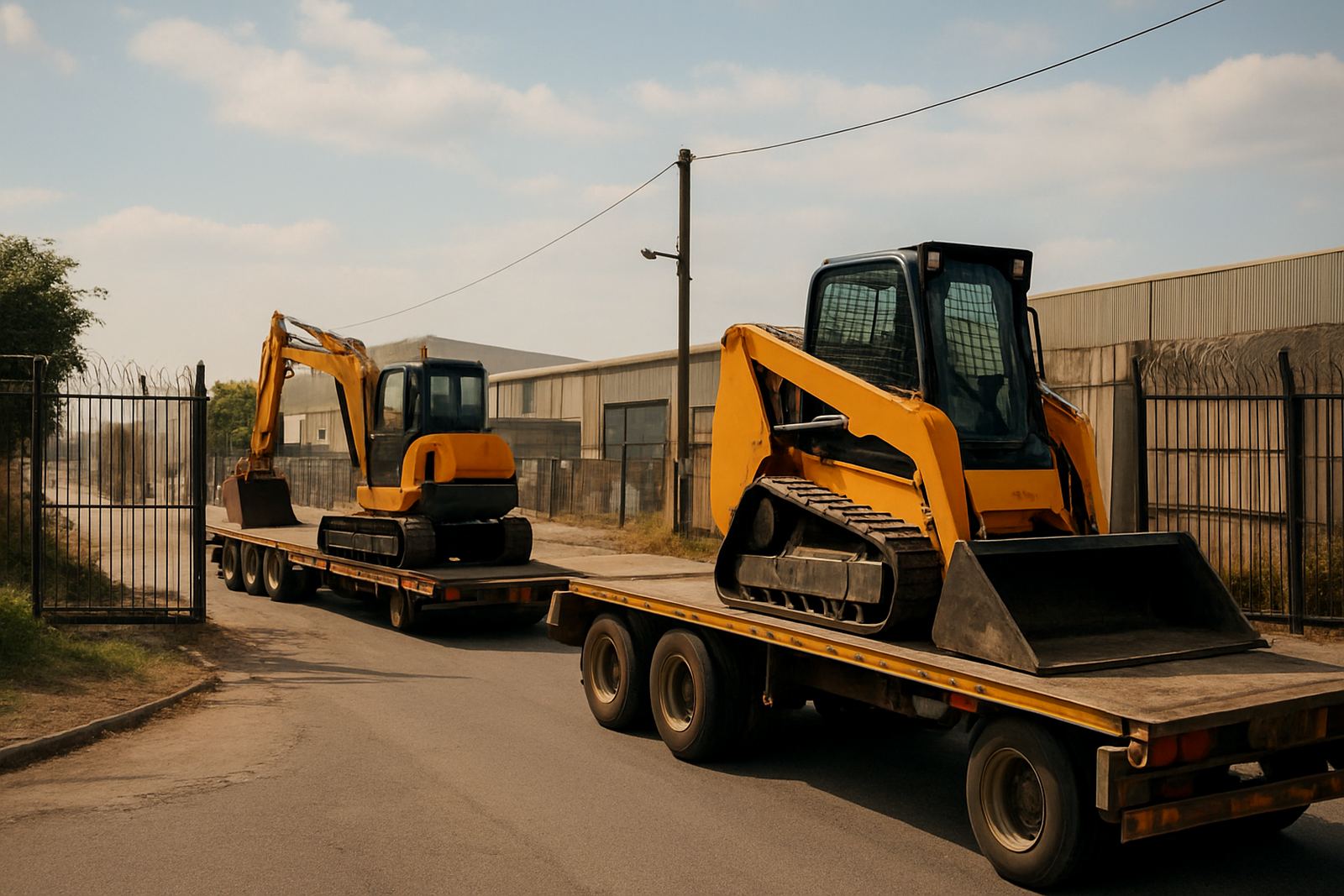
We arranged inland transport out of the port area and into Springfield Park on suitable flatbed equipment with proper lashings for the heavier items. The press brake and plate roller needed careful positioning because of their weight and centre of gravity, while the panel bender was handled as a precision unit to avoid damage to guides and controls. Durban humidity can be hard on exposed steel and electrical cabinets, so the machines were wrapped and secured for the trip even though the run was short.
- Customs clearing completed through Durban port processes
- Inland transport arranged to Springfield Park workshop
- Equipment secured for coastal conditions and road vibration
- Delivery timing matched offloading crew availability
What we supplied on the project
Our role covered the full movement chain rather than just a single leg. That included import planning, shipping coordination, customs clearing, tariff classification, port collection, inland transport, cargo insurance and site offloading. We also managed the document flow so the client did not have to chase a stack of messages while their production floor was being prepared.
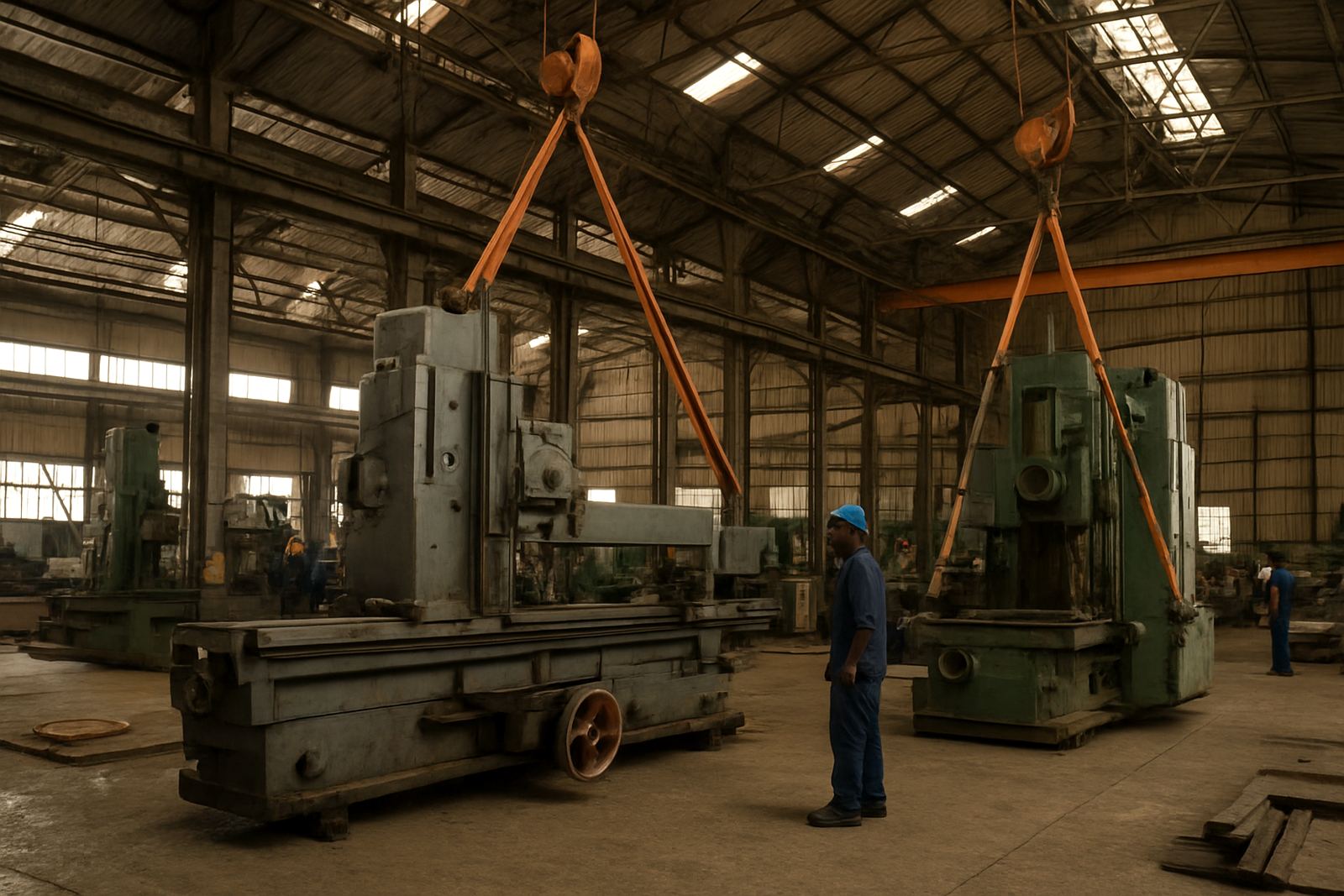
At the workshop, our team stayed on site for offloading and placement guidance. The machines were moved into the right bays with enough clearance for future maintenance access, cable runs and material handling. The client had already marked out the floor space, but final positioning still needed small adjustments once the machines were on the ground. That is normal on this kind of job, and it is exactly where experienced handling saves time.
- Import planning and document management
- Tariff classification and customs clearing
- Port collection and inland transport
- Site offloading and placement guidance
- Cargo insurance arranged for the move
- Bonded storage kept available as a backup option, though not needed on this job
Machines cleared for the fabrication line
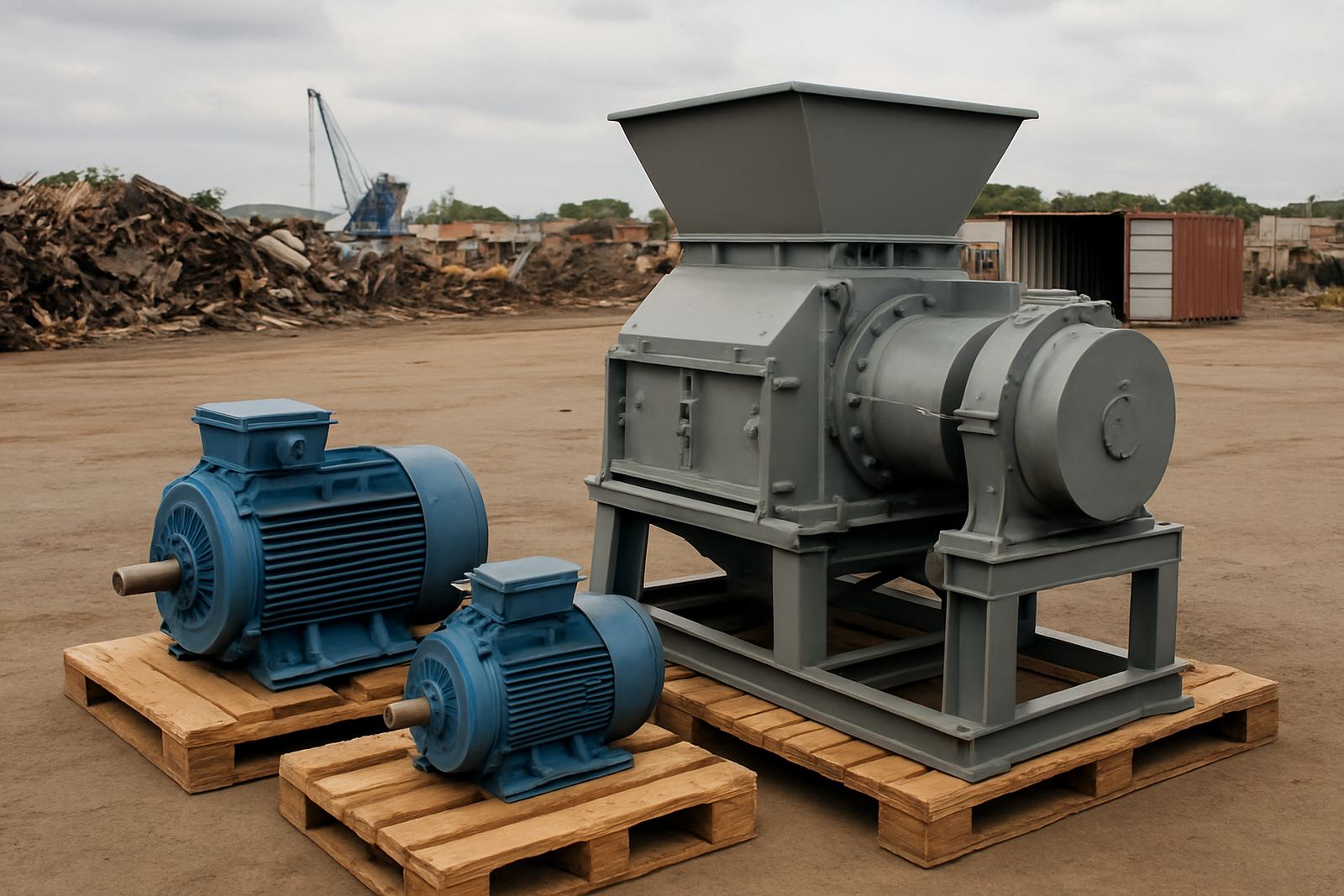
The load consisted of three core items with different handling needs. The press brake was the heaviest unit, built for repeated folding work with a long bed and strong back-gauge control. The panel bender was more compact but required careful treatment because of its accuracy and moving parts. The plate roller rounded out the set, giving the client the ability to form curved sections and lighter cylindrical work in house.
Below is the practical spec summary we worked with on this project. These were the details that mattered for planning, road transport and workshop positioning, not just the sales brochure style stuff.
- Press brake: heavy-duty sheet metal folding machine, approximately 3 to 4 metre working length
- Panel bender: precision folding unit for repeat parts, compact footprint for workshop use
- Plate roller: three-roll machine for curved sections and plate forming
- Total shipment: 3 machines on one controlled movement
- Destination: Springfield Park, Durban
- Handling requirement: careful offload with clear access and level ground
Timeline, handover and the outcome
The full job ran over three weeks from document prep to final placement. Week one was paperwork and planning. Week two covered vessel arrival, customs release and collection scheduling. Week three was inland transport, offloading and final checks at the workshop. That timeline worked because every step was lined up before the next one began, rather than waiting for a surprise at the port.
The result was straightforward and useful: the client received the machines in good order, on a controlled schedule, and could start installation work without chasing missing documents or extra storage days. Their workshop team could then set up tooling, power points and material flow around the new line. For a fabricator under pressure from deadlines, that kind of outcome is worth more than a fast promise. It has to land, literally and figurativey.
- Project duration: 3 weeks
- Outcome: machines delivered, cleared and placed without avoidable delay
- Operational gain: more work kept in house
- Financial gain: less subcontracting and fewer hold-ups on urgent jobs
Lessons we would apply on a similar job
On this project, the strongest lesson was to lock in the delivery window early and keep the port, truck and site teams aligned from the start. We would use the same approach again for any fabrication client bringing in heavy forming machines to Durban, especially where the workshop is already running and cannot afford chaos at the gate.
We would also keep the same focus on clear descriptions, weight checks and workshop access details. In places like Springfield Park, City Deep or Jet Park, the movement itself is only one part of the job. The rest is making sure every person involved knows when the cargo arrives, where it goes, and what is expected at offloading. That is how you keep a project moving without paying for avoidable mistakes.
- Confirm site readiness before port release
- Keep equipment descriptions exact for clearing
- Match truck size to access roads and yard space
- Protect machinery from moisture and salt air during transit
Key facts
| Project | Springfield Fabrication Line |
|---|---|
| Client type | Fabrication business in Springfield Park, Durban |
| Machines cleared | Press brake, panel bender, plate roller |
| Timeline | 3 weeks from planning to final handover |
| Services used | Import planning, clearing, inland transport, site offloading |
| Project area | Durban harbour corridor and Springfield Park |