Regional fleet growth through Durban harbour
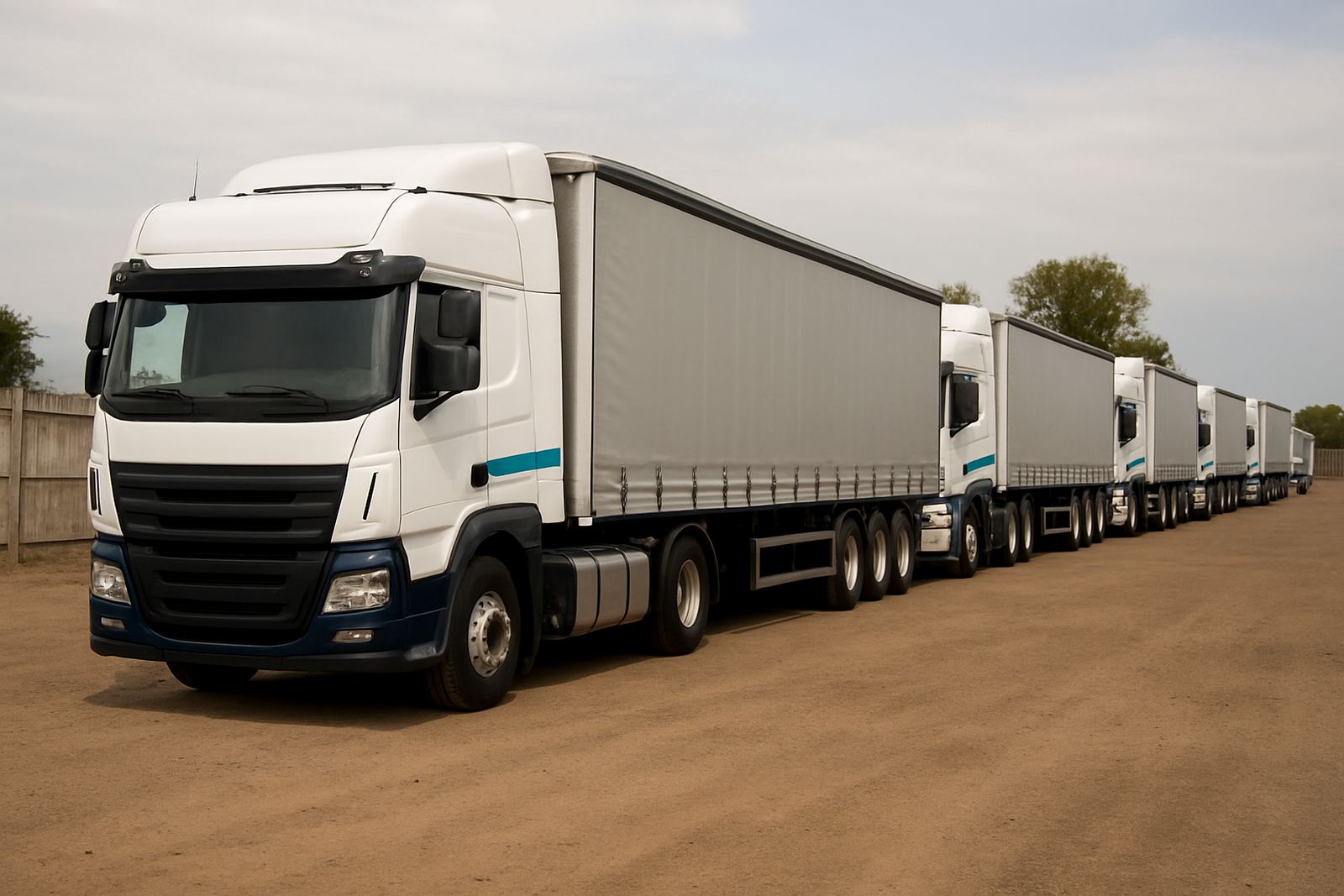
The client was a regional logistics operator based in KwaZulu-Natal with depots serving Durban, Gauteng and selected inland routes. The operator needed a staged import plan, not just a simple vehicle release.: bring in multiple truck tractors and matching trailers, clear them without delays, and release them in stages so the operator could manage drivers, fitment and route allocation without tying up too much cash at once.
The units moved through the Durban harbour corridor, with clearing support from our Johannesburg and Cape Town counters where supporting paperwork and supplier documents had to be aligned quickly. The client needed the fleet to be ready for linehaul and distribution work, including general freight, container work and contract haulage. The schedule had to fit around storage cut-offs, weekend port activity and the usual pressure that comes when vessel arrival dates shift by a day or two.
What had to be managed before release
From day one, the job had practical limits around release timing, workshop capacity and port exposure. The operator wanted the fleet in service before month-end, but did not want all units released on the same day because drivers, fitment teams and workshop space were limited. There were also customs and port handling issues to watch, especially document matching, tariff classification and storage charges if any entry was held longer than planned.
Durban humidity also needed to be considered. The client had to receive the trailers and tractors in a condition that allowed for immediate inspection and dispatch, so we arranged release planning around site availability and storage access. The units were collected in phases from port storage and moved inland on a controlled timetable. That reduced standing time and made it easier for the client to check each unit before putting it into rotation.
- Multiple truck tractors imported for long-haul and regional fleet use
- Matching trailers for general freight and container movements
- Phased release from port storage to avoid congestion at the client yard
- Co-ordination with port access rules, storage deadlines and inland dispatch times
Our scope from paperwork to collection
We handled import planning, customs clearing, tariff classification, document management and port collection. The work started with checking the commercial invoices, packing details and release instructions so the entries could be processed correctly the first time. From there we set the collection sequence, booked inland transport and made sure the trucks and trailers could be moved without unnecessary waits at the harbour.
Because the fleet was coming in as a group rather than one unit at a time, we split the release into batches and tied each movement to the client’s ready date. That way there was no scramble at the yard. Our clearing lead coordinated the entries, while the operations team watched storage status and collection timing. If a port instruction changed, we adjusted quickly and kept the client informed in plain terms.
- Tariff classification matched to each vehicle and trailer type
- Customs entries prepared for phased release
- Port collection arranged to limit storage and demurrage exposure
- Inland transport scheduled to the client’s receiving points
- Site offloading coordinated where the client wanted direct delivery
Timeline and sequence over four weeks
The project ran over four weeks from document finalisation to final delivery. Week one covered import planning, document review and customs pre-checks. In week two the first units were cleared and booked for collection from port storage. Week three focused on the remaining tractors and trailers, with inland transport staged to match site readiness. By week four the full group had been released, received and checked by the client team.
This kind of work only moves well when every step is connected. A small delay on a release note can become a storage bill, and a missed collection window can push a unit into the next day’s port queue. We kept the sequence tight. That helped the client avoid idle equipment and gave them a cleaner handover into operations.
- Week 1: document control, import planning and tariff checks
- Week 2: first clearing batch and port collection
- Week 3: second clearing batch and inland movement
- Week 4: final release, offloading and client sign-off
Results for the operator
The client received a complete fleet expansion without having to manage the port process themselves. The tractors and trailers were released in workable groups, which let the operator allocate drivers, workshop checks and route planning in a sensible order. There was less pressure on the yard and no need for emergency rebooking.
Importantly, the client had a clearer cost picture. By limiting avoidable storage time and keeping collection steps in sequence, we reduced the risk of extra port charges and hold-ups. The operator was able to put units into service quickly, which mattered because their own customer contracts were already scheduled against the new fleet. The result was a cleaner rollout and less downtime between arrival and revenue work.
- Fleet delivered in phases, not all at once
- Reduced exposure to storage and delay costs
- Units received ready for inspection and allocation
- Better alignment between import timing and operating needs
What we would repeat on the next fleet import
If we were doing the same project again, we would follow the same discipline: confirm documents early, lock in the collection order before cargo lands, and keep the release plan tied to actual yard capacity. For fleet operators in Durban, that matters because harbour access, traffic and storage rules can change the economics of a project very quickly.
We would also keep the communication line open between the client, clearing team and inland transport provider from the start. When tractors and trailers arrive together, the key is to avoid one weak link slowing the rest. That is especially true if the fleet has to move through Johannesburg or Cape Town support points on the way to final deployment. We have found that a practical release plan beats last-minute fixing every time.
For operators expanding in South Africa, the safest approach is to treat importing as a sequence rather than a single event. That means better control, fewer surprises and a smoother start in service, even when load-shedding or port congestion puts pressure on the day.
Key facts
| Project type | Fleet expansion for a regional logistics operator |
|---|---|
| Location | Durban harbour corridor, with clearing support from Johannesburg and Cape Town |
| Cargo | Multiple truck tractors and trailers |
| Timeline | 4 weeks from document finalisation to final release |
| Services used | Import Planning, Customs Clearing, Port Collection, Inland Transport, Document Management |
| Project result | Phased collection from port storage with controlled handover to operations |