
Start with the load, not the truck
Before any booking, measure the cargo properly and confirm the real weight, not the estimate from a supplier invoice. A machine that looks manageable on paper can still run over height once skids, lifting lugs, guards, oil trays or pallets are added. Check length, width, height, centre of gravity, and whether the unit can travel upright or must be laid down. If the cargo is awkward or top heavy, say so early. That one detail changes the trailer, the route and sometimes the permit set.
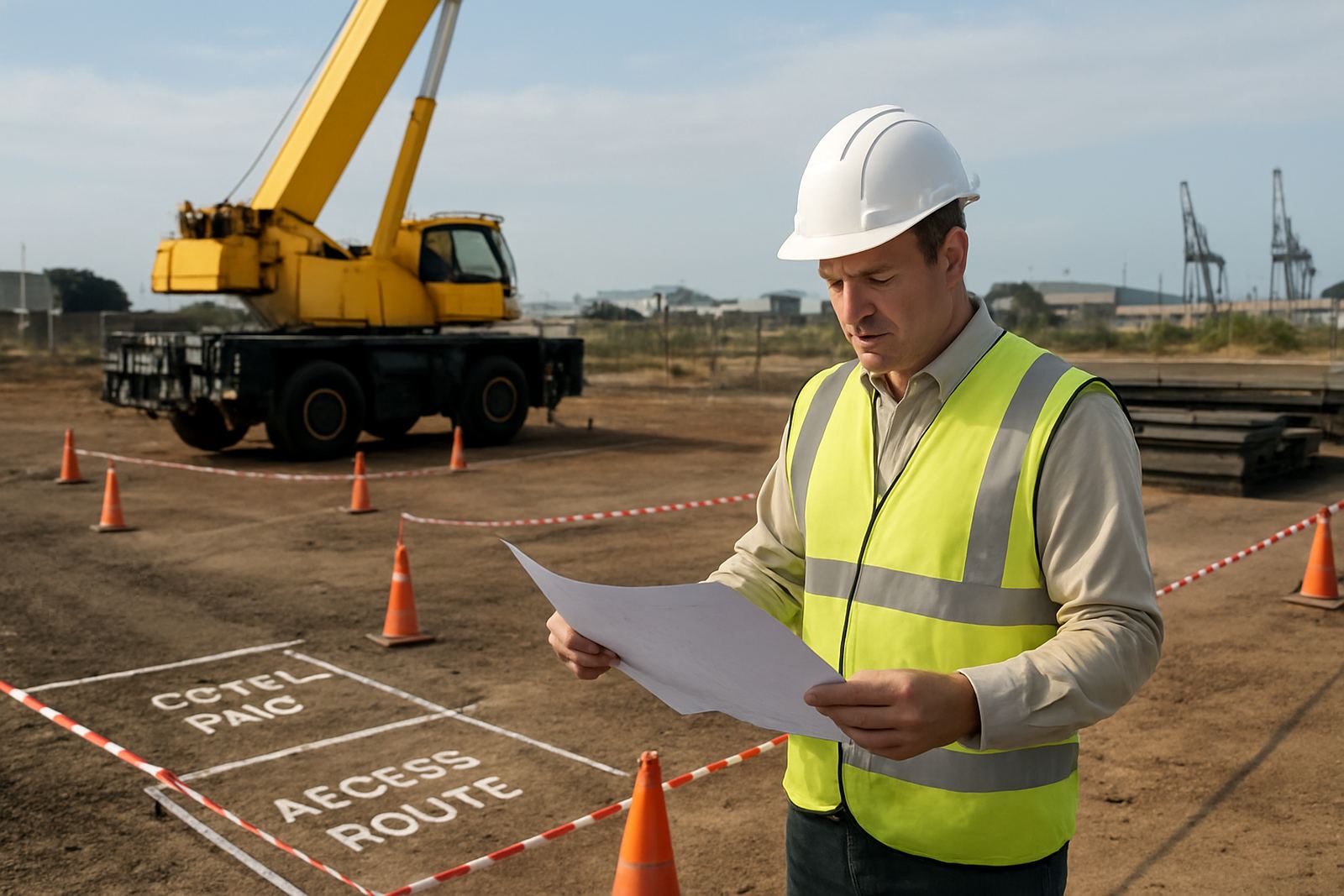
At the planning stage, Machines Africa Hub looks at collection point, delivery point, and every handover point in between. That includes road condition, gate width, yard space, turning circles and overhead obstacles like bridges, cables and gantries. In Durban, where port traffic and narrow industrial roads can slow things down, a clean plan saves hours. If the site is in Umbilo, Springfield Park, Jet Park or City Deep, the loading bay matters just as much as the road outside.
- Confirm dimensions in metres and weight in tonnes
- Note loose parts that must be removed or packed separately
- Check whether the cargo can be lifted from the side, rear or top
- Photograph the unit before loading for condition records
Route surveys and permit checks before movement
A route survey is not just a paper exercise. It is the check that tells you whether the load can pass under bridges, through toll plazas, around roundabouts and past street furniture without damage or delay. For heavy haulage, one low bridge or a sharp corner can stop the move completely. Surveying also helps with municipal rules, especially where abnormal loads need specific times, pilot vehicles, or notice to road authorities. In some corridors, night moves are better. In others, early morning is safer because of traffic and pedestrian movement.
Permits depend on the load size, axle configuration and the roads used. Some loads need provincial permits, some need local consent and some need both. If the move crosses from Durban to Johannesburg or heads toward Cape Town, plan for more than one authority. Good clearing and document management matter here because one missing axle sheet or pack list can stall the whole movement at the border, port or roadside checkpoint.
- Confirm route width, bridge heights and weight limits
- Check permit lead times before loading is booked
- Allow for municipal restrictions, road works and peak traffic
- Keep copies of permits in the cab and with the operations team
Choosing the right trailer for the job
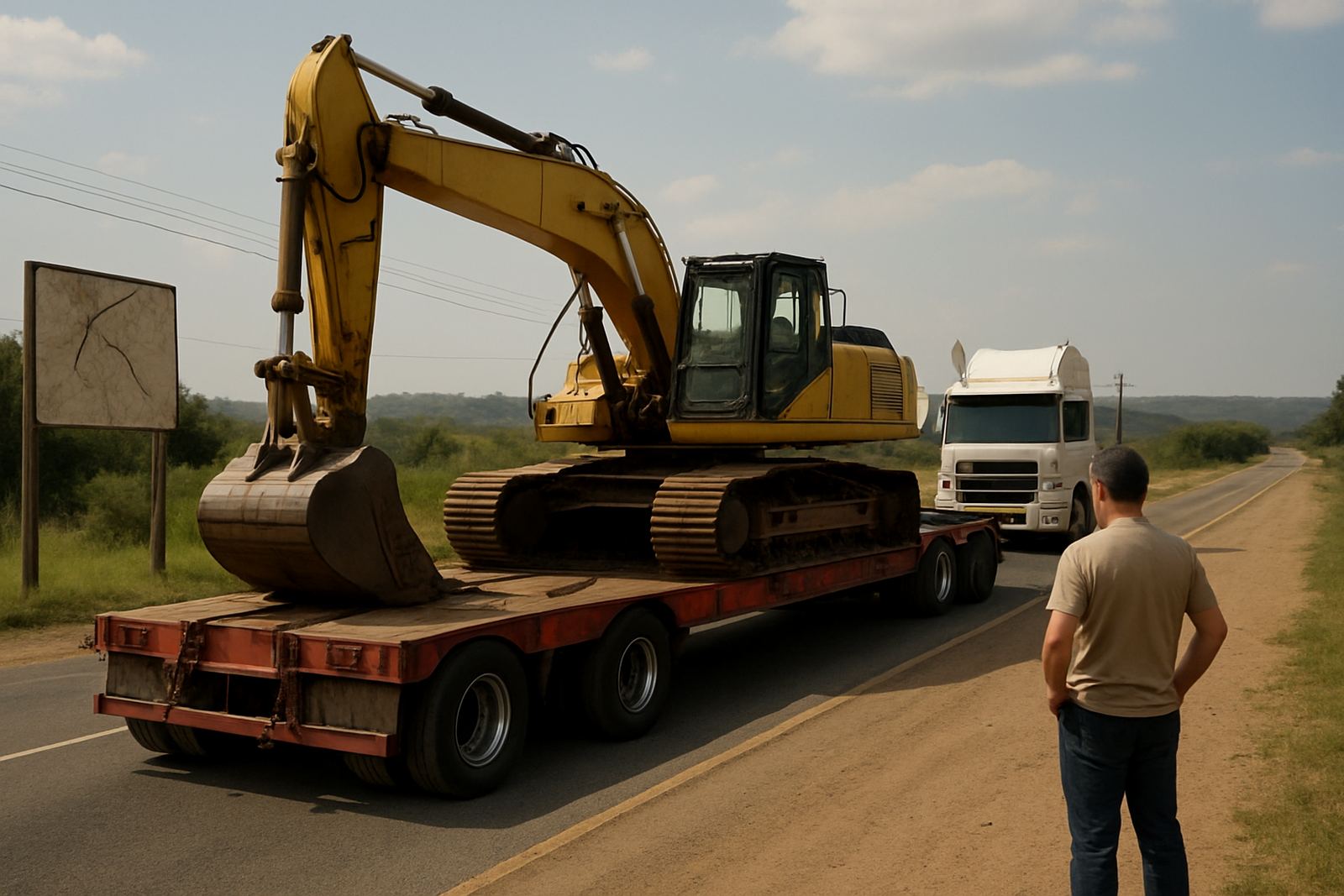
Trailer choice affects safety, cost and how smoothly the load sits on the road. Lowbeds suit tall or heavy machines because they keep the deck low and help with bridge clearance. Step decks are useful where height is tight but the load still needs a stronger platform. Extendable trailers help with long steel items, plant frames and conveyor sections. If the cargo has concentrated weight in one area, axle spread matters as much as the deck length. A trailer that looks suitable but carries the load badly can cause tyre wear, axle overload or unstable steering.
In coastal areas like Durban and Paarden Eiland, humidity and salt air can affect exposed metal, lashings and electric connections. That means the trailer and tie-down gear need to be inspected before departure, not after the first stop. For machinery moves that involve sharp edges or delicate control panels, the load may need timber packing, rubber protection or shrink wrap. In heavy haulage, small prep saves big repair bills later. It also reduces delays if the cargo is going straight to a site offload in one trip.
- Lowbed for tall and heavy units
- Step deck for height-sensitive cargo
- Extendable trailer for long loads
- Flat deck only where weight and height allow it
Escorts, pilots and on-road control
Escort vehicles are not there for show. They warn other road users, help the driver manage lane position, and spot hazards before the truck gets to them. Depending on the route and permit, the move may need one escort, two escorts, or a pilot vehicle with specific equipment. For wider loads, escorts also help at intersections, especially in built-up areas where traffic lights, taxis and delivery vans leave little room to manoeuvre. Clear communication between driver, escort and dispatcher is critical.
Good control starts before the wheels turn. Confirm radios or phone backups, fuel levels, rest stops and who is responsible if the truck needs to wait at a weighbridge or roadside check. At Machines Africa Hub, the operations team keeps the movement plan tight so the client knows the timing, the risks and the contact points. That includes after-hours moves where fatigue, load-shedding and poor lighting can complicate loading or offloading.
- Agree on convoy order before departure
- Test communication equipment before loading
- Plan stops for fuel, rest and inspections
- Share permit copies and emergency contacts with all drivers
Loading, lashing and site offloading
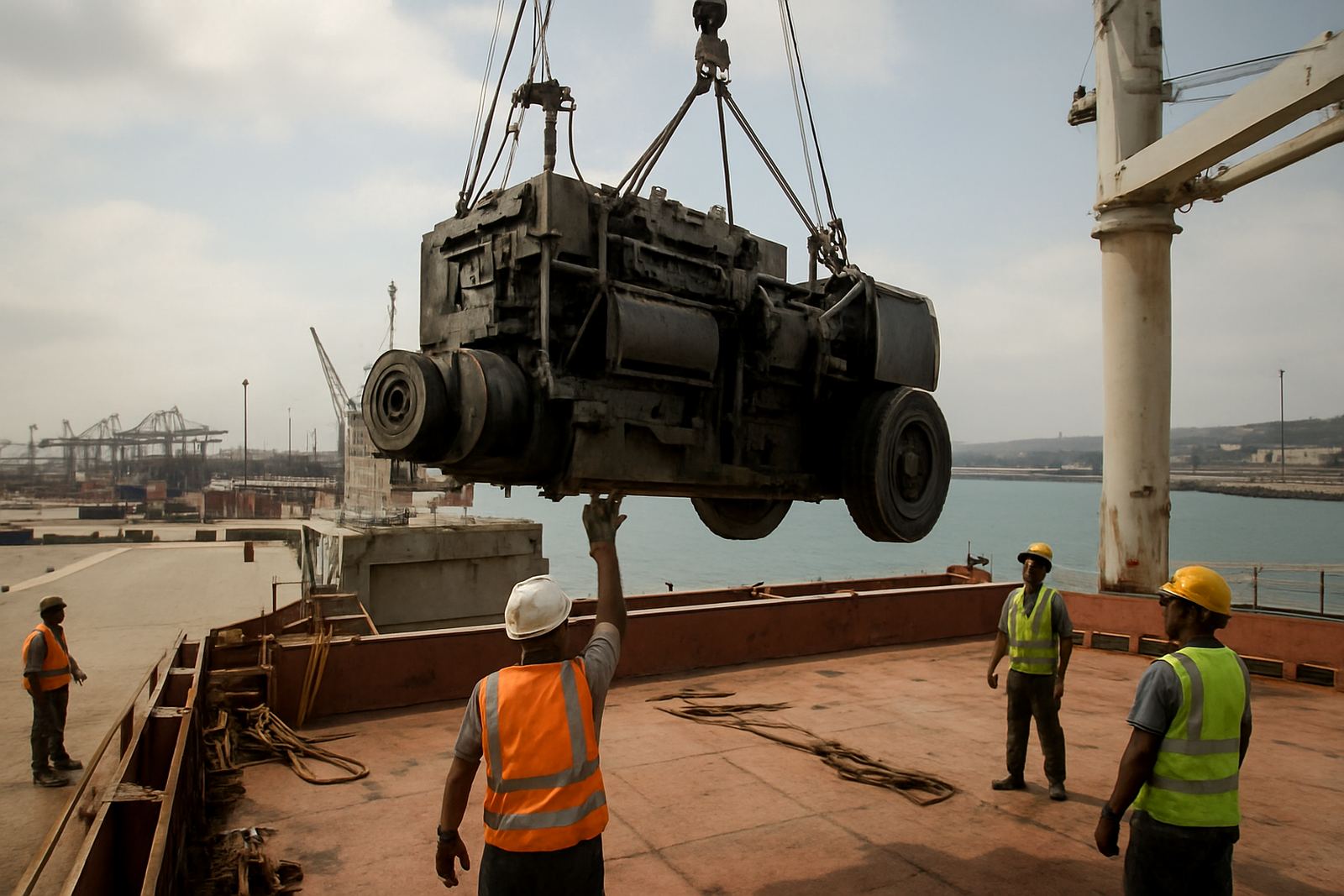
Loading is where many heavy haulage jobs go wrong. The crane or forklift must be rated for the actual point load, not just the total mass. Once the cargo is on the trailer, check that it sits square and that the weight is balanced across the axles. Use proper chains, binders and restraints, and protect any contact points that can cut or crush the machinery. If the machine has hydraulic oil or battery systems, isolate what can be isolated and secure loose components before departure.
Site offloading needs equal care. A good delivery plan checks the yard surface, access road, slope, overhead clearance and space for the receiving crew. If the site is in an industrial area with shared access, speak to the gate office early so the truck does not arrive and sit waiting. For wet weather or coastal sites, plan for slippery surfaces and soft ground. One missed mat or a narrow entrance can turn a simple offload into a long afternoon.
- Use lifting equipment rated for the full load
- Confirm tie-down points before departure
- Inspect the trailer after the first few kilometres
- Prepare the destination yard for offloading
Documents, insurance and final handover
Heavy haulage is easier when the paperwork is ready before the truck reaches the gate. Keep the commercial invoice, packing list, permits, route approval, insurance cover and any customs release documents together. If the machinery came through the port, clearing must line up with the physical movement so there is no storage penalty or release delay. For imported plant and fleet equipment, tariff classification must be accurate because the duty and VAT treatment depends on the correct code and description.
Insurance should match the value and movement risk. Ask whether the policy covers lifting, transit, loading, offloading and temporary storage, not only road travel. Once the load arrives, record the condition, check seals if there are any, and sign off with photos where needed. A clean handover closes the file properly and helps if the next move, repair claim or compliance query comes later. It also keeps your records tidy when the same machine returns for service or relocation.
- Keep a full document pack with the driver and office
- Match permit details to the actual load and route
- Confirm insurance cover for loading and offloading
- Record delivery condition before the vehicle leaves site