What customs needs before a machinery release
For machinery, the main issue is not only what you bought, but how the shipment is described on every document. Customs uses the paperwork to check value, origin, tariff code, quantity and whether any permit, inspection or special handling is needed. If one detail is missing or does not match, the entry can be stopped while corrections are requested.
In practice, the first pack usually includes the commercial invoice, packing list, transport document, import permit where applicable, proof of payment or purchase order, and any technical information needed to classify the machine properly. For used plant and equipment, serial numbers, year of manufacture and a full condition description can help avoid queries. Keep the wording consistent across every page, even small differences in model names can slow things down.
Core documents to keep ready in your file
A good import file is built before the vessel arrives or the truck crosses the border. If your team in Umbilo, Jet Park or City Deep is handling the transaction, the file should be easy to hand over and simple to audit later. It is worth keeping both digital copies and signed originals where required, especially when there are multiple consignments on one account.
- Commercial invoice with seller, buyer, currency and Incoterms
- Packing list showing crate count, weights and dimensions
- Bill of lading or airway bill, depending on transport mode
- Import permit, licence or exemption if the machine is controlled
- Proof of payment or purchase order for valuation support
- Serial numbers, engine numbers or equipment plates for identification
- Technical brochures or specifications for tariff classification
- Insurance certificate when cargo cover has been arranged
If the machinery is being shipped into Durban and then moved inland, make sure the transport instruction matches the final delivery point. A mismatch between the port release and the trucking instruction can create avoidable queries at the depot and sometimes storage charges.
How to check the entry details before filing
Before a clearing entry is lodged, the facts should be checked line by line. This is where many delays start, because a shipment that looks simple can have small details that change the duty outcome or require extra documents. For example, a generator set, compressor or packaging line may sound straightforward, but the correct tariff classification depends on how it is built and what it actually does.
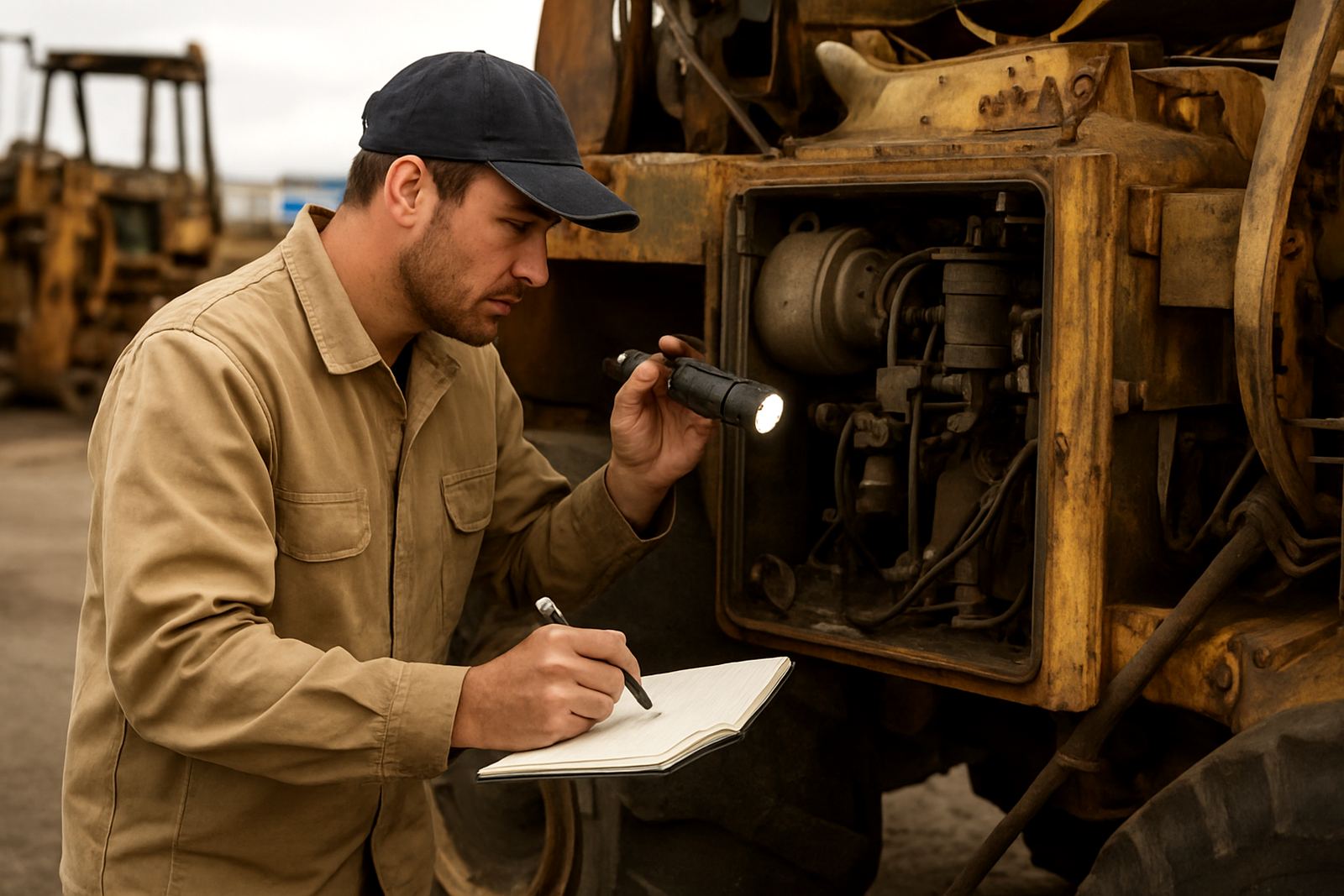
Ask for the full description, not just the trade name. You need the machine type, power rating, capacity, country of origin, whether it is new or used, and whether it comes as a complete unit or split across boxes. If the cargo is second-hand, note any missing parts or refurbishing work. Customs may ask for more proof if the invoice looks vague or the values seem too low for the equipment being brought in.
It also helps to confirm who is the importer of record, who will pay duties and VAT, and which address must appear on the customs entry. A mistake here can hold up release even when the goods are already at the harbour or in a bonded store.
Common clearance problems and how to avoid them
Most release problems are paperwork problems first. Missing signatures, unreadable scans, wrong weights, unsigned mandates and invoices without full seller details are all common. On machinery consignments, the biggest issue is usually classification or valuation, especially when accessories, spares and tools are packed with the main machine. If the papers only mention the main unit, customs may ask for a revised invoice or a breakdown of the charge.
Another issue is permit timing. Some machines need supporting approvals before arrival, not after the truck is waiting at the gate. If the paperwork arrives late, storage and demurrage can start adding up quickly. This matters in Durban especially, where container and break-bulk movements can be affected by weather, terminal congestion and public holidays.
- Check names and VAT numbers are consistent across all documents
- Confirm weights, sizes and package counts before lodging the entry
- Ask for serial numbers on used machinery and major components
- Keep technical sheets for items that may need tariff support
- File permits early where the machine is controlled or restricted
Working with clearing, transport and storage together
Paperwork is easier when clearing, transport and storage are planned as one job. If a machine is going into bonded storage, offloaded on site, or moved from the port straight to a factory floor, each step needs supporting documents. The release instruction, transport booking and delivery address should all line up before the cargo is moved.
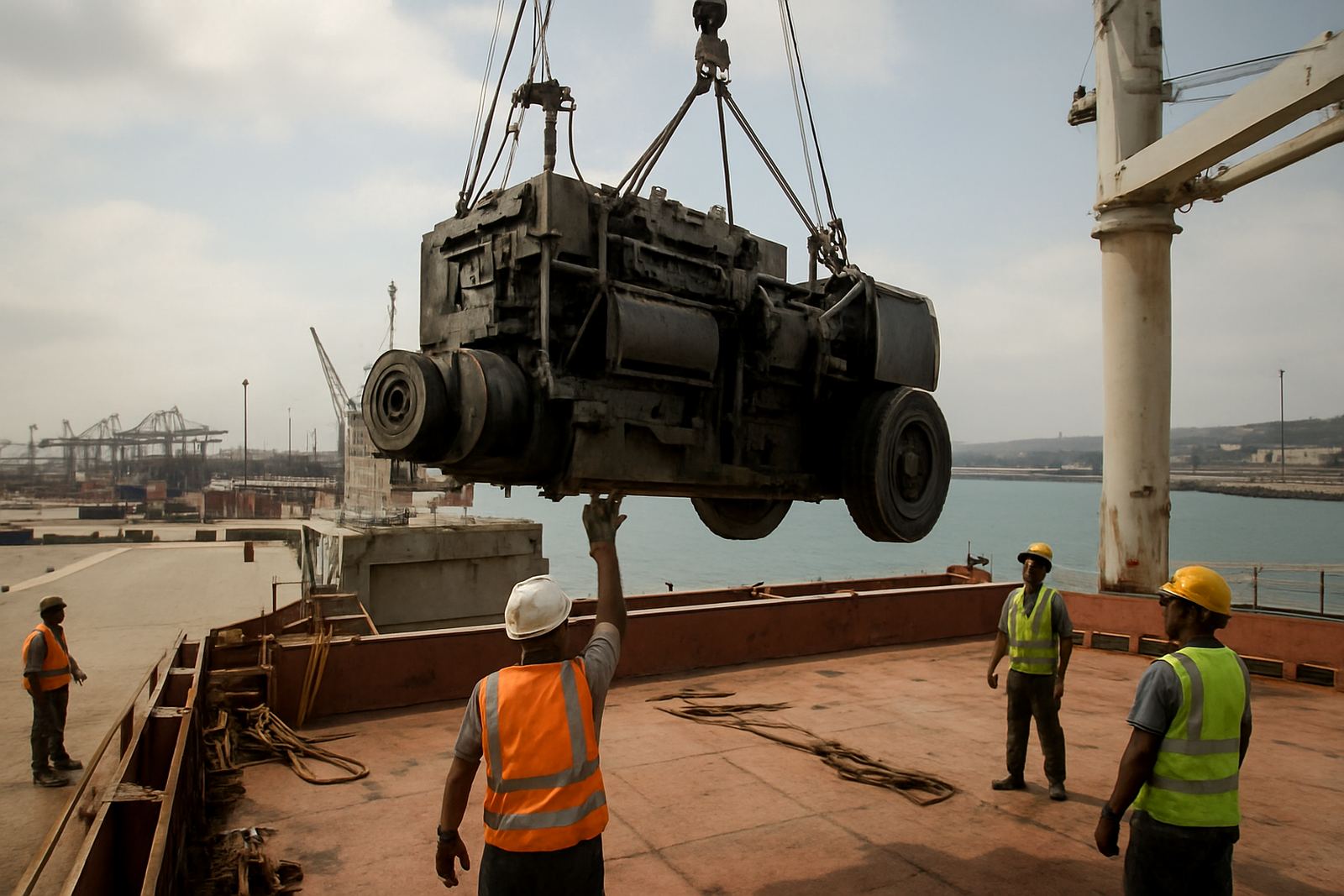
For loads coming through Durban harbour and then heading to Gauteng or the Western Cape, inland transport may need extra documentation for escorts, abnormal loads or site access. If the machine is oversized, include gate measurements, offloading points and the name of the receiving contact. This avoids surprises when the truck arrives in Springfield Park, Paarden Eiland, or at a client site with tight turning space.
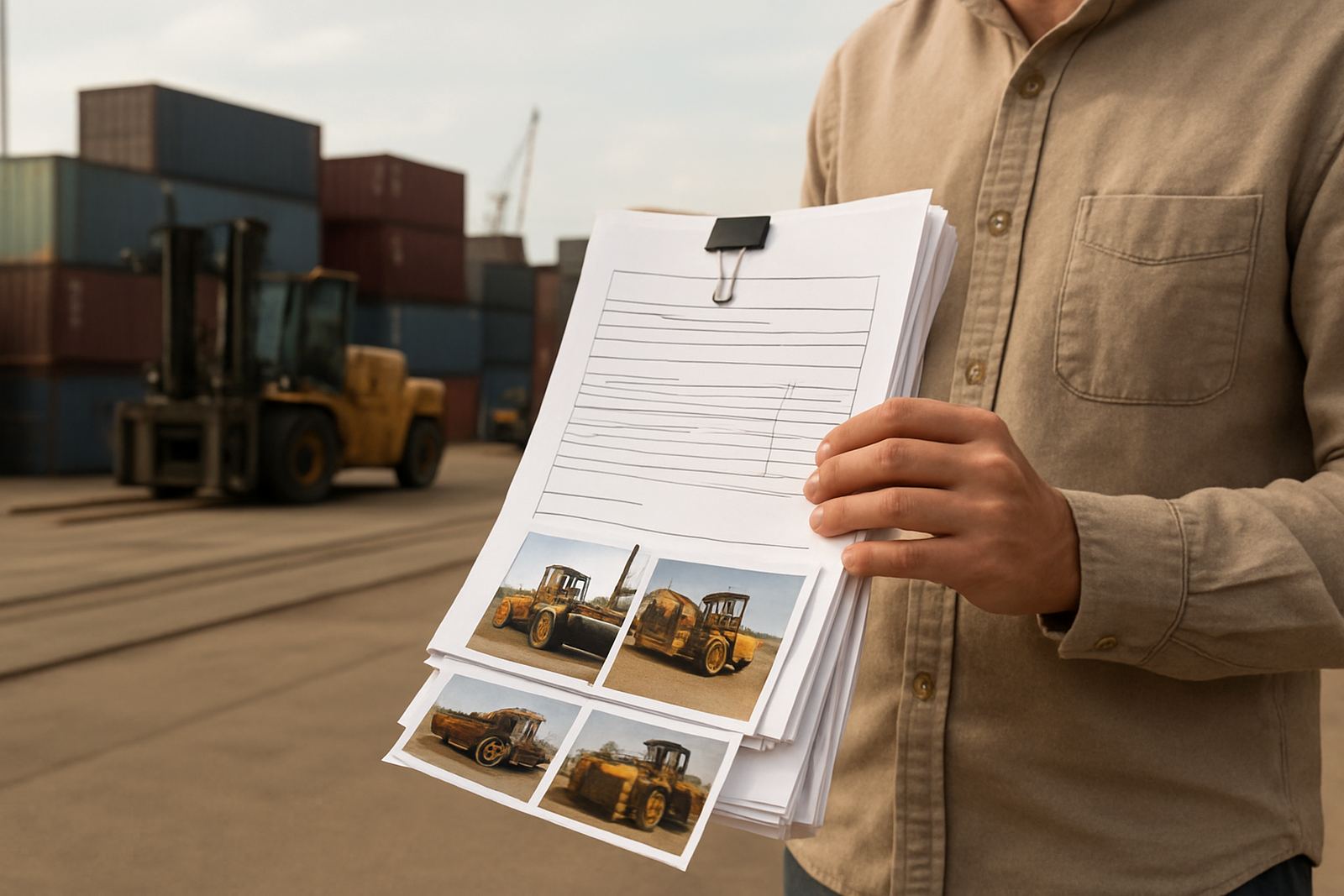
Machinery transport also has practical issues like rain, coastal humidity and load-shedding at storage sites. Good records help if a claim must be supported later. Keep photos, collection notes and handover times on file, especially for high-value plant or fleet equipment.
A simple paperwork checklist before release day
Use this final check before the cargo gets to release stage. It takes less time to confirm the file now than to fix it while charges are running at the terminal or depot. A complete file also helps your team answer customs queries quickly and keeps the shipment moving through Durban, Johannesburg or Cape Town without unnecessary back and forth.
- Invoice and packing list match the cargo exactly
- Transport document names the correct consignee and destination
- Tariff support is on file for the machine type
- Permit or exemption is valid and attached
- Serial numbers and model numbers are readable
- Insurance details are available if cover was arranged
- Release instruction names who may collect or receive the cargo
- Delivery site can handle the size and weight of the machine
If anything does not line up, fix it before lodging the entry. A few minutes spent on the paperwork can save a lot of time at the harbour corridor.