Start with the job, not the price
Before you chase a low price, decide what the machine must do on site. A machine that looks cheap can cost far more if it is underpowered, too heavy for your yard, or difficult to clear through Durban, Johannesburg or Cape Town. Measure the working area, access gates, floor loading and the lifting gear you have available.
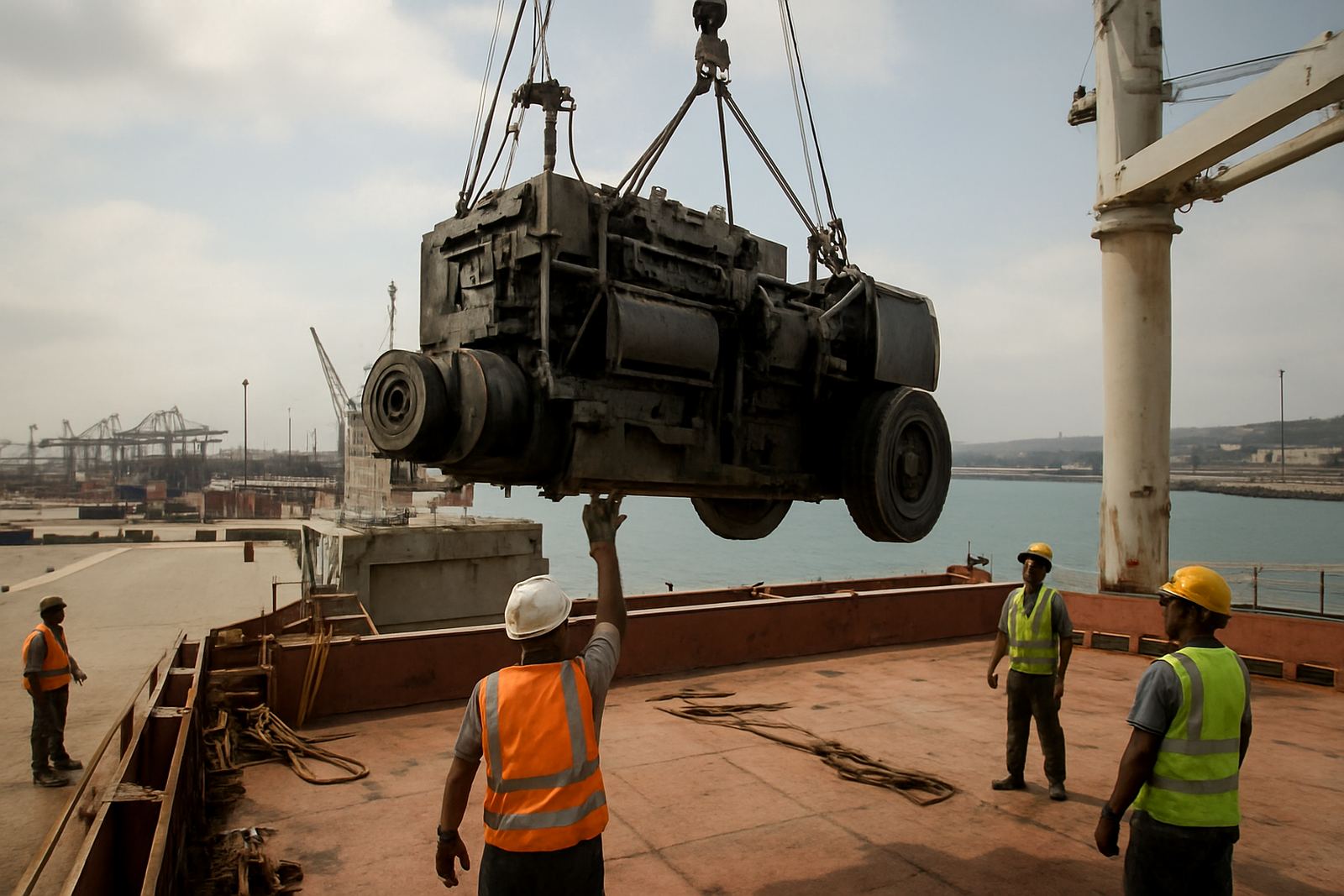
For buyers in Umlubilo? No, in Umbilo, Springfield Park, Jet Park, City Deep or Paarden Eiland, the question is often whether the machine can be offloaded and placed without slowing down the rest of the operation. If you work near the harbour corridor, check whether the unit needs flat-rack handling, breakbulk movement or bonded storage before it reaches your site.
- Confirm machine model, serial number and year of manufacture.
- Check power supply needs, especially 3-phase requirements and voltage.
- Measure weight, width, height and any oversize parts.
- Ask if rigging points, forks or lifting eyes are still usable.
Inspect the condition properly before payment
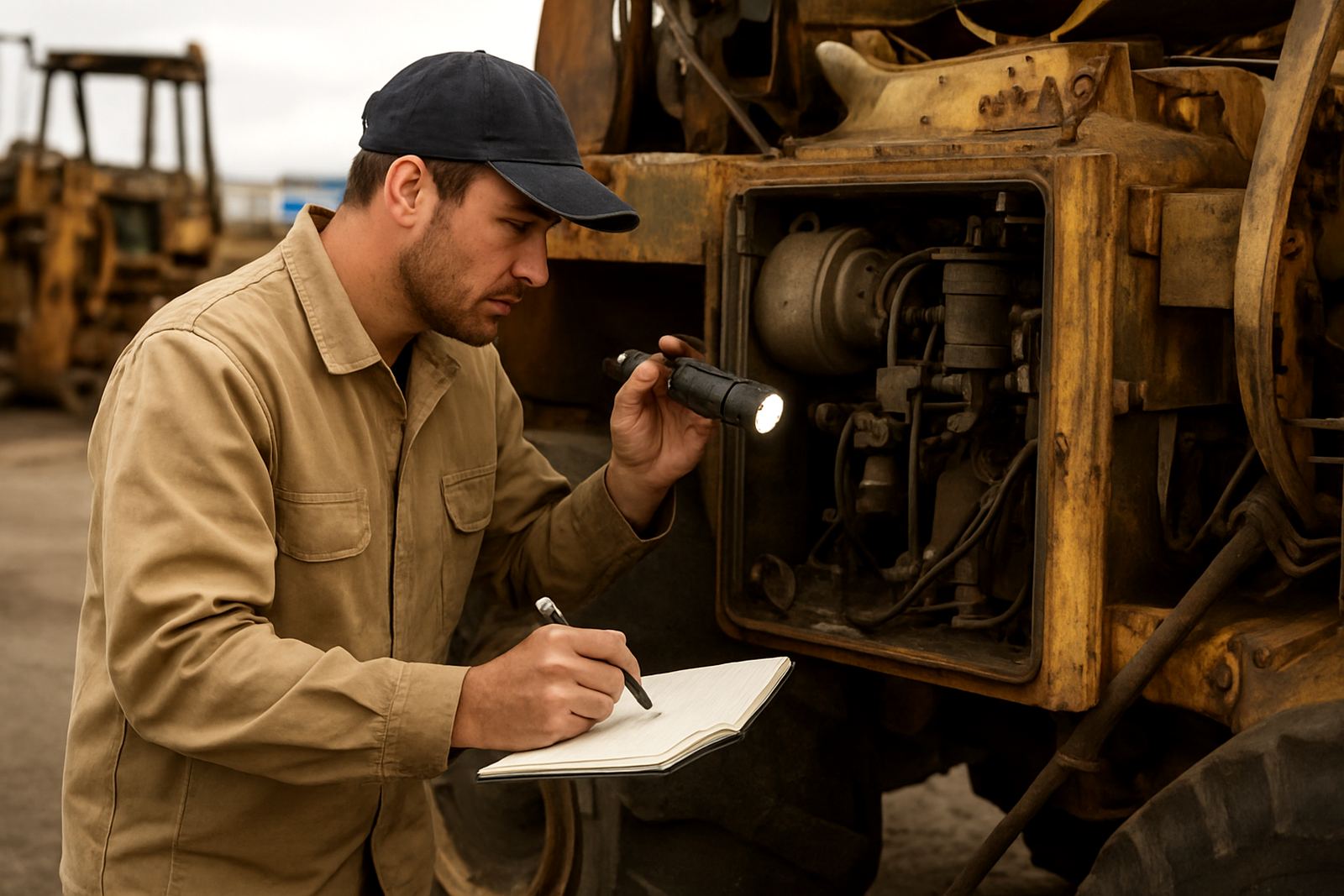
Photos are useful, but they do not show oil leaks, worn bearings, cracked welds or electrical faults. If possible, inspect the machine while it is running and again after shutdown. Listen for knocking, check vibration levels, and look for unusual heat around motors, pumps and gearboxes. In coastal areas like Durban and Cape Town, rust can spread fast on exposed steel, so inspect the frame, panels and control boxes closely.
Test all emergency stops and safety guards. Ask whether the machine has been idle for months, because long storage can mean flat batteries, seized parts or moisture damage. If the machine was standing near the coast, or in an open yard during load shedding, corrosion and electrical issues may already have started.
- Check for leaks at seals, hoses, cylinders and hydraulic fittings.
- Look at tyre wear, chains, belts, rollers and cutting surfaces.
- Open electrical panels and look for dust, moisture or burnt terminals.
- Ask for a short running test under load where possible.
Ask for records that prove the machine's history
Good records reduce risk. Ask for service logs, rebuild notes, operator manuals, import documents and any repair invoices. If the seller cannot show when the machine last had major work, budget for it yourself. A machine with no records may still be usable, but price it as an unknown.
For imported equipment, check whether the serial number matches the paperwork exactly. This matters for customs clearing, tariff classification and future resale. If the unit has been modified, confirm what was changed and whether the modification affects safety or compliance. Missing records can delay port collection and make insurance harder to arrange.
- Service history with dates, hours and parts replaced.
- Proof of ownership and any release notes.
- Operation manuals and wiring or hydraulic diagrams.
- Photos showing the machine in its working condition before sale.
Check whether the shipment is ready to move
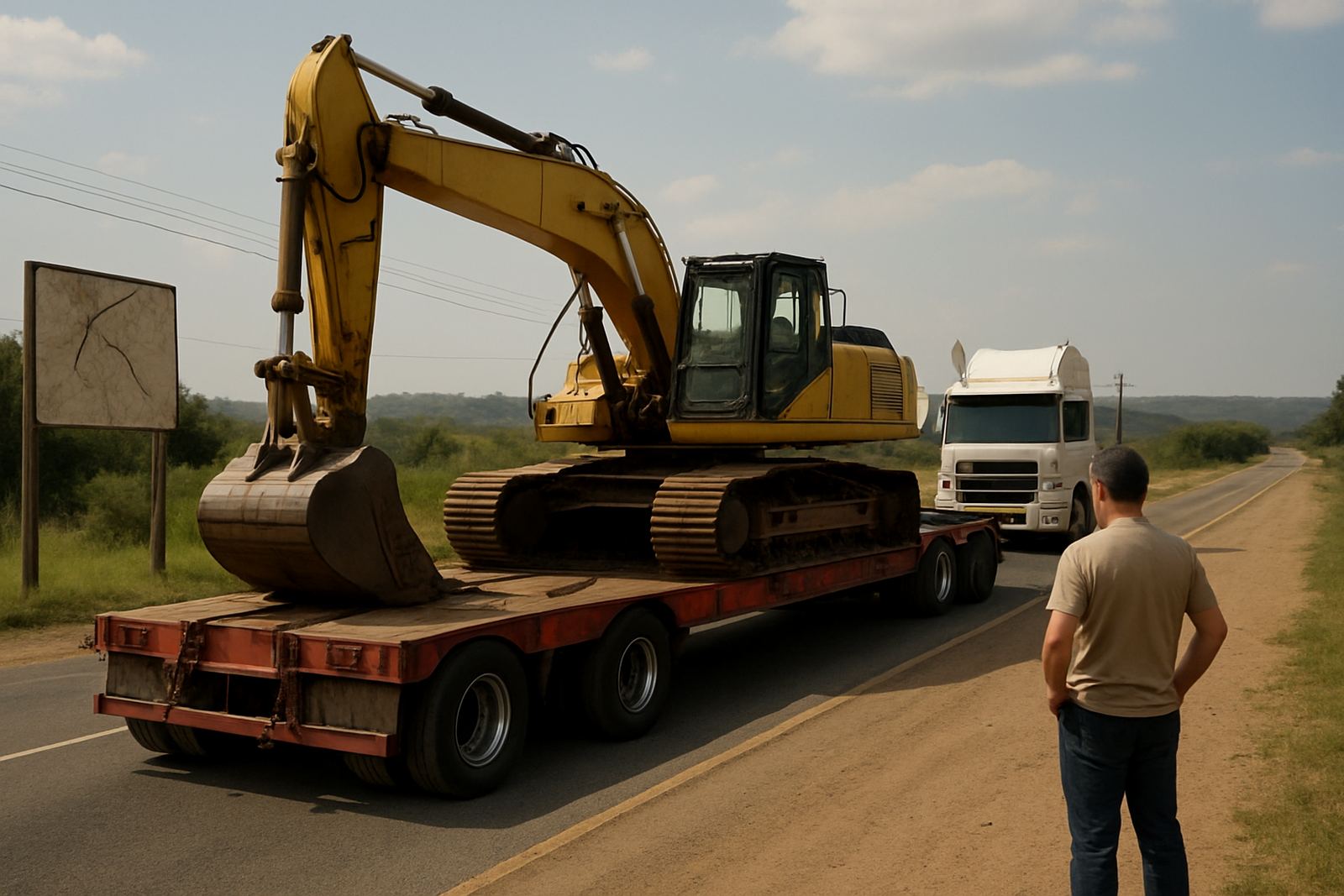
Many used machinery deals fail because buyers only think about the machine and not the move. Before paying, confirm whether the unit can be drained, cleaned, locked, packed and lifted safely. If it is heading into South Africa by sea, ask how it will be secured in the container or on the vessel. If it is already in the country, check whether inland transport from the port or depot needs abnormal load arrangements.
At Machines Africa Hub we often see delays when a buyer has paid, but nobody has measured the cargo for transport or checked whether the collection point can take a truck and trailer. Site offloading needs space, the right lifting plan and enough clearance for the plantroom or workshop entrance. In some industrial parks, municipal rules also limit after-hours offloading, so plan that early.
- Confirm whether the machine is movable, crated or needs stripping.
- Check if fluids must be drained before collection.
- Measure access routes, turning circles and overhead clearance.
- Confirm if bonded storage or port collection is required.
Budget for hidden costs before you sign
The purchase price is only one part of the bill. Used machinery often needs transport, cargo insurance, clearing, port storage, repairs, rigging and commissioning. If the machine comes from another province or another country, you may also need document management and tariff checks before it can move. When a part is missing or the serial plate is damaged, delays can add days, sometimes longer.
Set a reserve for first-service items such as filters, belts, bearings, hoses and electrical parts. For older fleet and automotive equipment, factor in calibration, software checks and test runs. If you are buying for a coastal site, allow for extra corrosion protection and regular maintenance because humid air shortens the life of exposed components.
- Transport from seller to port, depot or your site.
- Clearing, handling and storage charges.
- Repairs, recommissioning and consumables.
- Insurance from collection to delivery.
Use a final sign-off list before transfer of funds
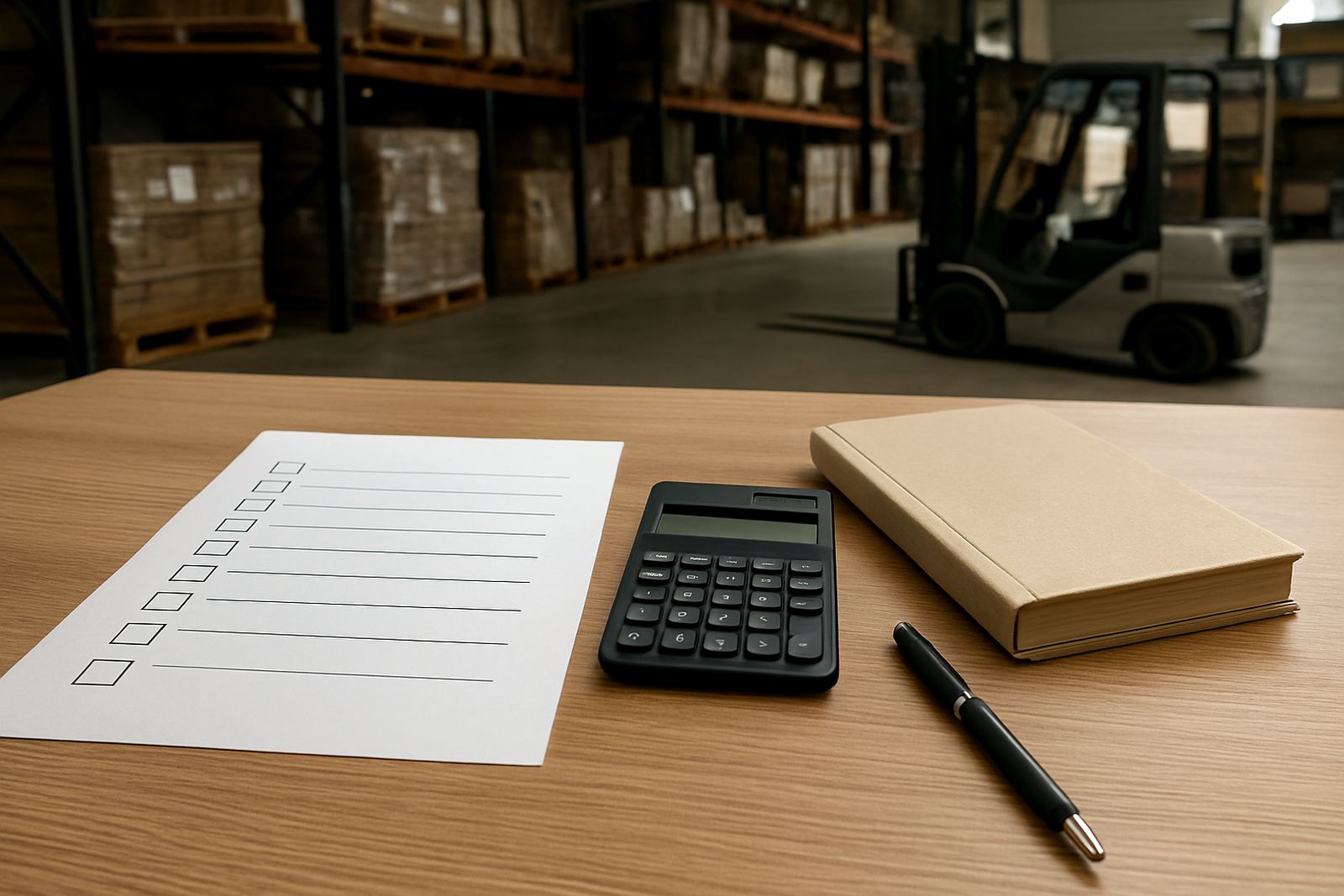
Do not pay in full until the machine, the documents and the collection plan all match what was agreed. A simple sign-off sheet helps everyone stay honest and avoids confusion later. If you are buying across borders, make sure the invoice, packing list, serial numbers and seller details are complete before shipment starts.
Keep one person responsible for each step: inspection, payment, clearing, transport and offloading. That makes it easier to spot problems early and keep the project moving. A few minutes of checking now can save you a week of waiting at the harbour, and a lot of money too.
- Match machine details to invoice and photos.
- Confirm payment terms and release conditions in writing.
- Agree collection date, loading method and delivery address.
- Keep all documents in one file for clearing and insurance.