
1. Confirm exactly what machine you are importing
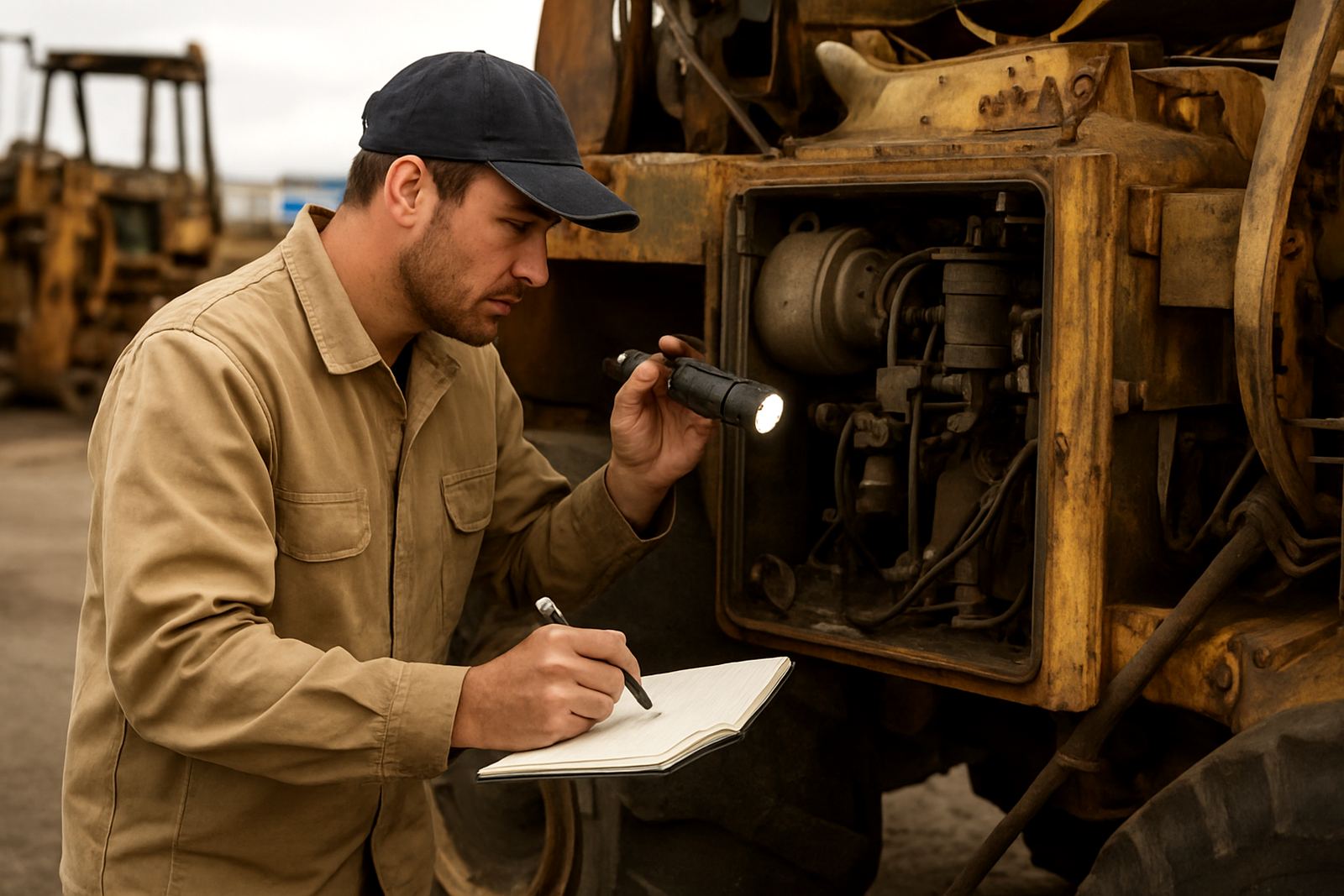
Start with a proper description of the equipment. Customs classification depends on what the machine does, how it is powered, whether it is new or used, and if it arrives complete or in parts. A forklift, generator, packaging line, compressor, and vehicle workshop machine are all treated differently.
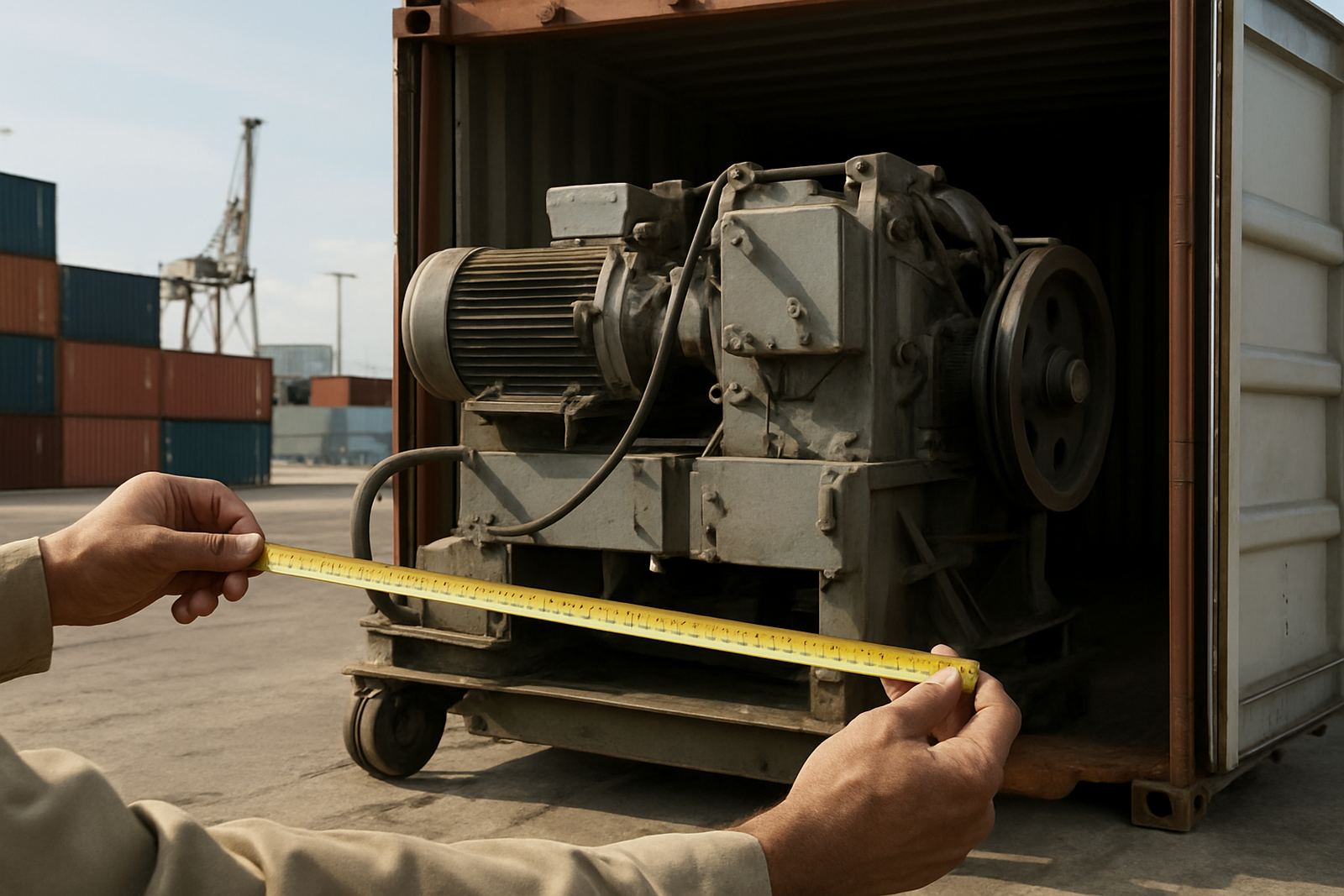
Ask the supplier for the full commercial name, model, serial number, country of origin, year of manufacture, weight, dimensions, and whether any accessories are packed with it. If the machine will be used in Durban, Johannesburg, Cape Town or inland, you also need to know whether it can move as a standard container load or whether low-bed transport is required.
- Exact machine description
- New or used status
- Serial numbers and total quantity
- Weight, length, width and height
- Power supply and any special handling needs
2. Check your import documents before the vessel sails
Most delays happen because a document is missing or the details dont match. Make sure the supplier invoice, packing list, transport documents and any certificates all show the same cargo description. If the machine is second-hand, you may need extra supporting paperwork depending on the item and country of export.
For first imports, keep the names and addresses of the buyer and seller clear and consistent. In South Africa, customs officers may query values that look too low, so the invoice must reflect the real transaction amount, not a sample or estimate. If the machine is going into bonded storage or will be cleared later, that plan should be confirmed early.
- Commercial invoice
- Packing list
- Bill of lading or airway bill
- Supplier and buyer company details
- Proof of payment where required
3. Get the tariff code and duty estimate right
The tariff classification decides duty, VAT treatment and sometimes permit requirements. One wrong code can hold the cargo at the harbour or create a costly amendment later. A proper classification should be done before shipping so your landed cost is realistic.
For machinery imports, the duty outcome can vary a lot between categories. Some items move through smoothly, while others need trade compliance checks or supporting technical notes. If the machine is for a fleet workshop, a logistics depot, or automotive production, make sure the intended use is written down because that can affect the clearing strategy. One small error here can slow the whole job.
- Tariff code confirmed
- Estimated duty and VAT
- Any import permit or certificate checked
- End-use of the machine noted
- Customs value reviewed for accuracy
4. Plan shipping, insurance and port handling early
Once the supplier is ready to ship, you need the transport method set out clearly. Sea freight is usually used for larger machinery, but some urgent parts may travel by air. Either way, confirm the loading method, container type, and whether the machine must be crated, strapped or rust-protected for coastal humidity.
Insurance should match the actual replacement value and route, including loading, sea transit, port moves and inland transport. If the cargo is arriving through Durban and moving on to Gauteng, build in time for port congestion, road checks and weekend movement limits. Weather, labour issues, and load shedding at warehouses can also affect offloading, so there must be a back-up plan.
- Transport mode confirmed
- Cargo insurance arranged
- Loading and securing method agreed
- Arrival window and free time checked
- Final delivery address and access limits confirmed
5. Prepare for customs clearance and port collection
Before arrival, appoint a clearing agent who can lodge the entry and deal with the port release. In Durban harbour corridor jobs, timing is critical because storage charges rise fast once cargo sits too long. If the machine clears in Johannesburg or Cape Town, the release documents still need to be correct at the point of entry.
Keep your importer registration details, tax number and contact person available. If the cargo is going into a factory in Umbilo, Springfield Park, Jet Park, City Deep or Paarden Eiland, the offload site must be ready with the right lifting gear and space. A machine that cannot be lifted safely should not be booked for delivery before the site is prepared.
- Importer details verified
- Clearing instruction issued
- Port release process understood
- Storage and collection plan in place
- Offload equipment booked
6. Arrange inland transport and site delivery
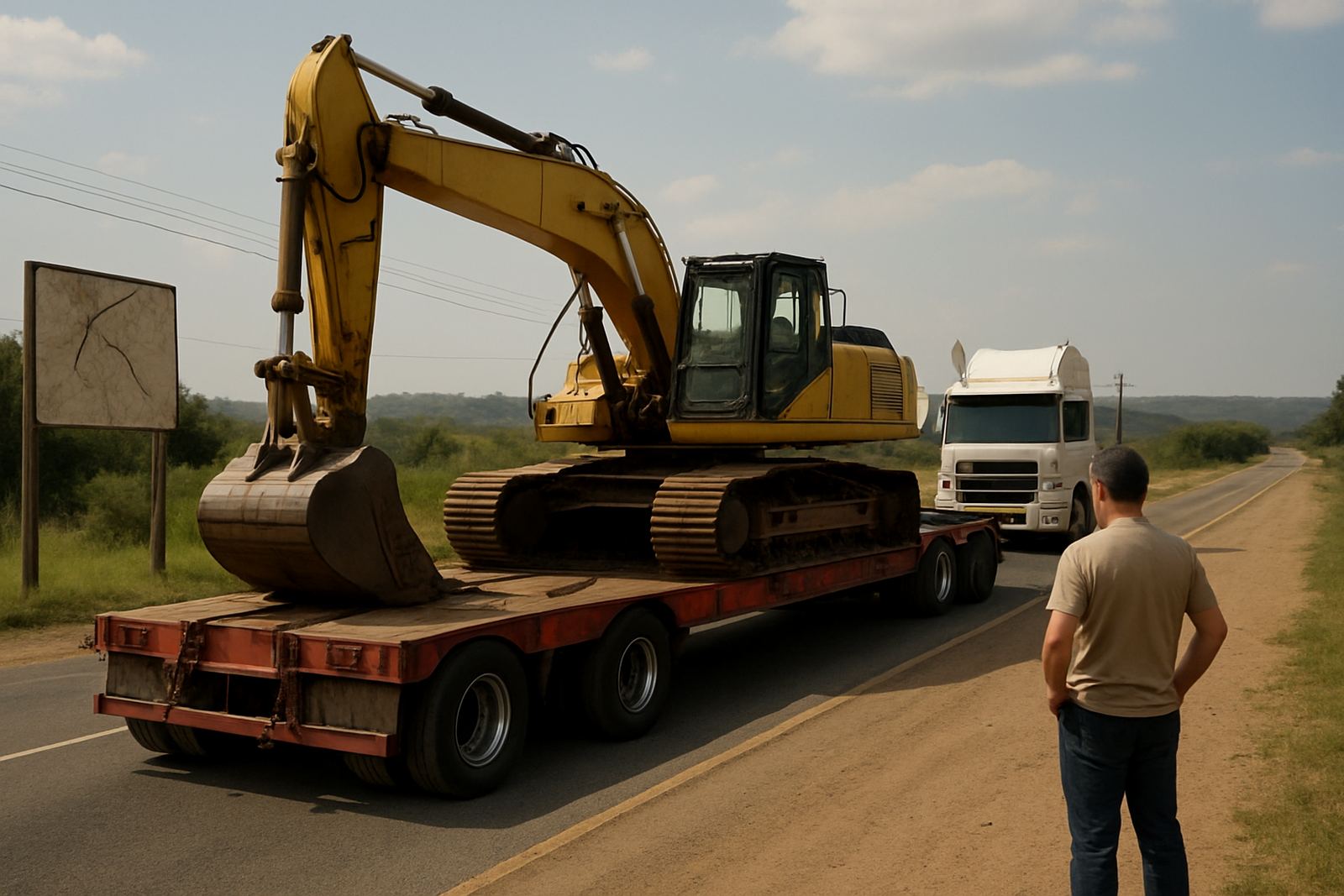
Machinery transport inside South Africa needs more than a truck and driver. You may need a flatdeck, low-bed, escort vehicle, permits for abnormal loads, or site offloading support with a crane or forklift. If the machine is heavy or top-heavy, the route matters as much as the final destination.
Check gate height, driveway access, turning space, power connections and floor loading at the site. In coastal towns, moisture protection is important during transit and storage. Inland, dust and rough roads can still damage control panels, hoses and bearings. A quick pre-delivery check saves arguments later and keeps the machine ready for commissioning.
- Transport vehicle matched to cargo size
- Route and permits checked
- Offloading method confirmed
- Site access measured
- Delivery contact person available on the day
7. Keep a first-import file for future shipments
Your first import should create a clean record for the next one. Save every invoice, clearing entry, payment record, inspection note and transport document in one place. If the same supplier ships again, the next clearance is usually easier when the first file is complete.
Many businesses only import once a year, so it helps to keep a simple checklist with supplier contacts, tariff notes, and delivery details. That way the next machine, part or complete production line can move faster, with fewer delays at the harbour. If you import often, this file becomes part of normal operations.
- Supplier and agent contacts saved
- Final landed cost recorded
- All release and delivery documents filed
- Issues noted for next shipment
- Machine commissioning details kept