Start with the right measurements
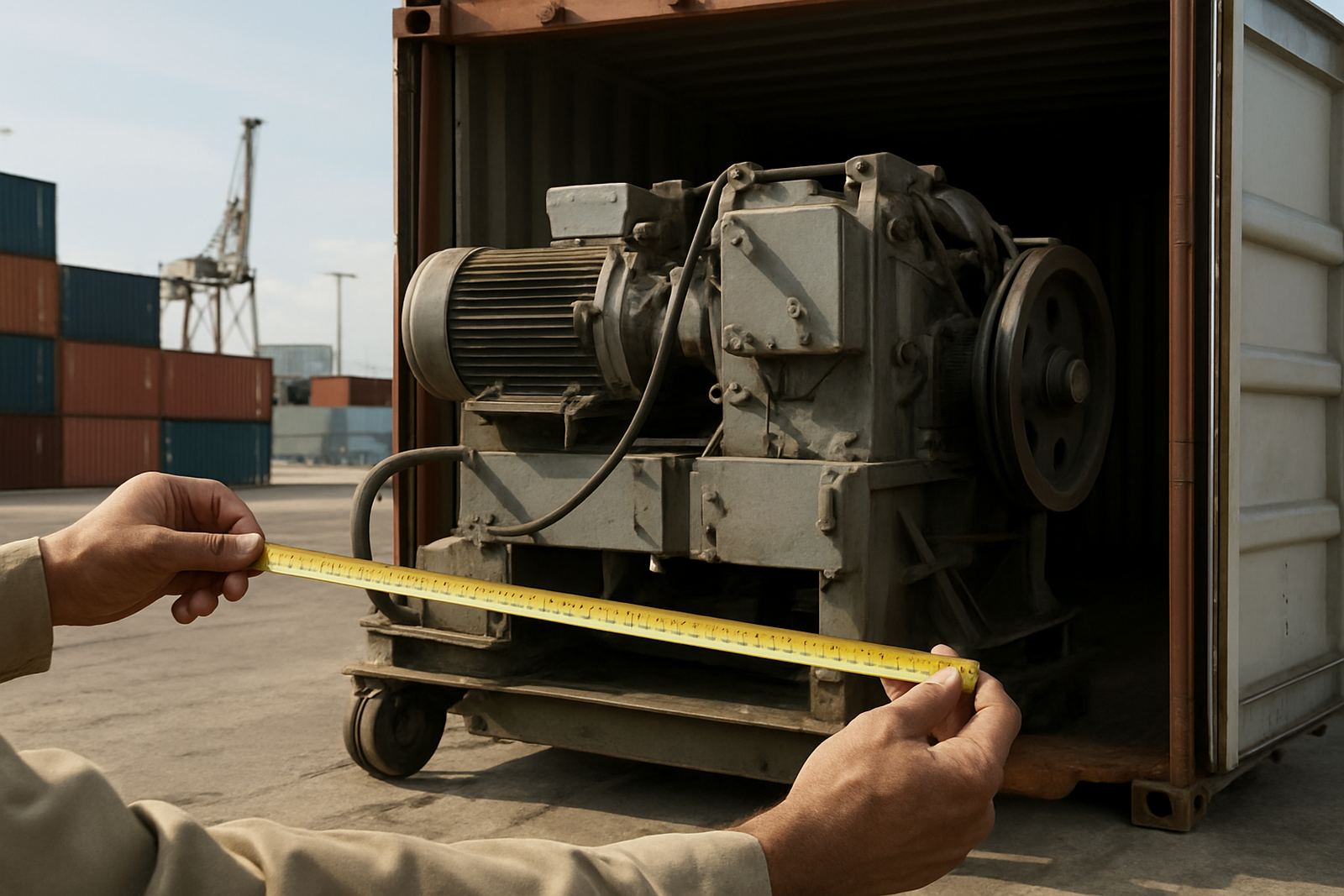
The first mistake is measuring only the machine body and leaving out the parts that make it awkward to load. For container planning, you need the full footprint, height at the highest point, and any overhangs from pipes, guards, frames, pallets, or fork pockets. If the machine sits on skids or a timber base, include that too because a 40 mm base can be the difference between a clean fit and a problem at the gate.
Measure in millimetres and write everything down in one place. Check length, width, height, and weight, then add the position of the centre of gravity if the unit is top heavy. If the cargo is being sent from Durban, Johannesburg, Cape Town or inland depots like Jet Park and City Deep, the same rule applies: the load must suit the container and the handling equipment available at the loading point.
Know the practical container limits
Container sizes are sold by nominal size, but the internal usable space is what matters. A standard 20 ft container normally gives about 5.90 m internal length, 2.35 m internal width, and 2.39 m internal height, though small differences can occur by unit. A standard 40 ft unit is usually about 12.03 m long inside, with similar width and height. High cube containers add a little extra height, which helps with machinery that is just too tall for standard clearance.
Do not forget the door opening. Many loads fit inside the box but will not pass through the doors without turning, tilting, or stripping parts off. If your cargo is near the limits, check both the internal dimensions and the door opening before you commit. For coastal moves through Durban harbour, humidity and salt air can also affect packaging, so allow for proper wrapping and rust protection.
As a rule, leave working space around the cargo where possible. If a machine sits tight against the wall or roof, you can create loading and securing issues that slow the job down. It is better to know that early than to find it on site when the crane is already booked and the truck is waiting.
Use this booking checklist before you confirm
A simple pre-booking check helps prevent expensive changes after the space is secured. It also makes customs clearing smoother because the shipping line, terminal, and clearing team all work from the same details.
- Measure the cargo with all attachments fitted, including buckets, hoppers, arms, hoses, and loose guards.
- Record the total gross weight, not only the machine weight.
- Confirm whether the unit can be tilted, drained, folded, or stripped for loading.
- Check if the load needs a flat rack, open top, or standard dry container.
- Note any fuel, oil, gas, batteries, or residue that may affect acceptance.
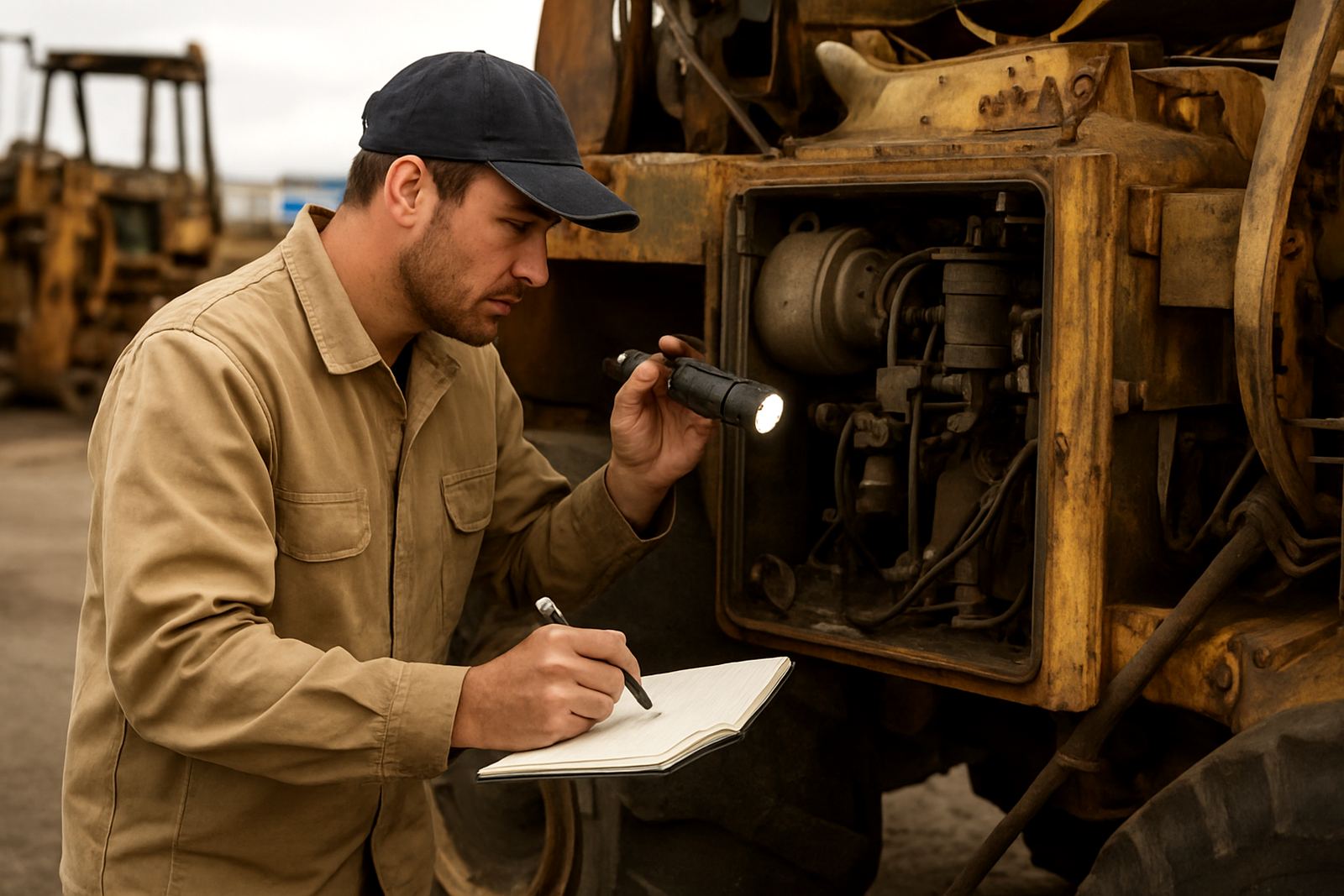
- Take clear photos from all sides and mark the lifting points.
- Confirm the loading site has space for a truck, forklift, crane, or side loader.
If you are not sure about one of these items, do not guess. A wrong detail can hold up shipping instructions, tariff classification, or port collection. That sort of delay is never useful, especially when the cargo has a deadline at a plant or site.
Match the cargo to the container type
Standard dry containers suit boxed items, smaller machines, spares, and equipment that can be strapped down on pallets. Flat racks are better for wide or over-height items that need open sides. Open top units are useful when the cargo must be craned in from above and cannot pass through the doors. In some cases, bonded storage or site offloading may be the better choice while you wait for the right unit or inland transport booking.
Not every machine should be forced into a standard box because it looks close enough. If the cargo touches the roof, it may still be rejected once packing materials are added. If it exceeds the width, door frame, or weight limits, the risk moves from loading problems to port delays and extra handling costs. We see this often with fleet equipment, workshop machinery, compressors, pumps, and automotive sector units moved through the harbour corridor.
For coastal destinations, also think about condensation. Moist air can form inside steel containers, so use desiccants, plastic wrap, and timber dunnage where needed. On long inland legs to Gauteng or beyond, vibration and road dust can also damage sensitive parts if the cargo is not secured properly.
Plan for loading, securing, and road movement
A good fit is not only about dimensions. The cargo must stay still from the loading point to the final site. That means proper dunnage, lashings, chocks, and enough headroom for the lifting method. If a machine has weak base rails or uneven weight, the pack plan must account for that before the truck arrives.
In Durban, Umbilo and Springfield Park often suit pre-load checks and document handling, while Jet Park, City Deep, and Paarden Eiland are useful for inland or Cape-side coordination. If the cargo is moving from a factory floor or warehouse yard, make sure the surface can take the lifting gear and that there is space for turning. Narrow entrances, low gates, and overhead cables are common causes of delay, and they are avoidable with a proper site check.
- Confirm turning radius for the truck and loader.
- Check overhead clearance at gates, awnings, and loading bays.
- Keep lifting slings, spreader bars, and restraints ready before the unit arrives.
- Make sure bolts, loose panels, and small parts are packed and labelled.
Keep the paperwork aligned with the physical cargo
The cargo may fit perfectly, but if the paperwork does not match the actual load, the shipment can still stall. Customs entries, invoices, packing lists, tariff codes, and transport instructions must reflect the real dimensions and weight. If the machine has been stripped down, say so clearly. If accessories are packed separately, list them. If a container is being used under bond or for transit, the supporting documents must line up as well.
For South African imports and exports, this is where accuracy saves money. An incorrect tariff code or mismatched weight can trigger queries, rework, or terminal hold-ups. That is why we always advise checking the physical cargo first, then confirming the documents against it. It sounds basic, but it avoids unnecessary back-and-forth at the port and keeps the booking moving.
Final fit check before vessel cut-off
Two days before cut-off, do one last check with fresh eyes. Confirm the load dimensions, the container type, the collection time, and the trucking line-up. If there has been any change to the machine, packaging, or loading site, update the plan immediately. Even a small change in height or pallet build can affect whether the cargo clears the door and whether the route still works.
A practical fit check should answer three questions: will it fit, can it be loaded safely, and is every document ready? If the answer is yes to all three, you are in a strong position to move. If not, stop and correct the issue before the container is released. That simple pause can save days. and a fair bit of Rand too.