Start with the floor plan, not the delivery date
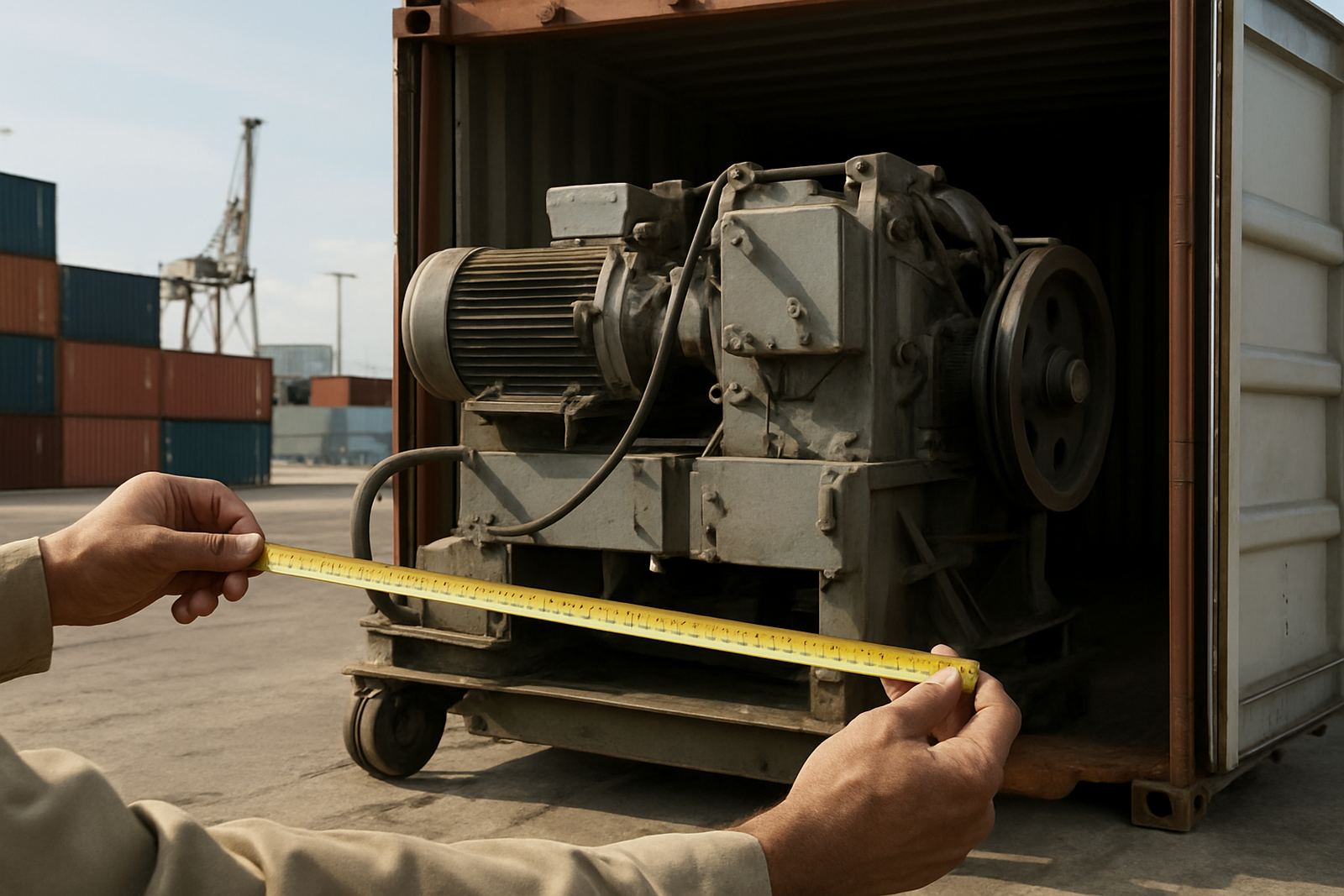
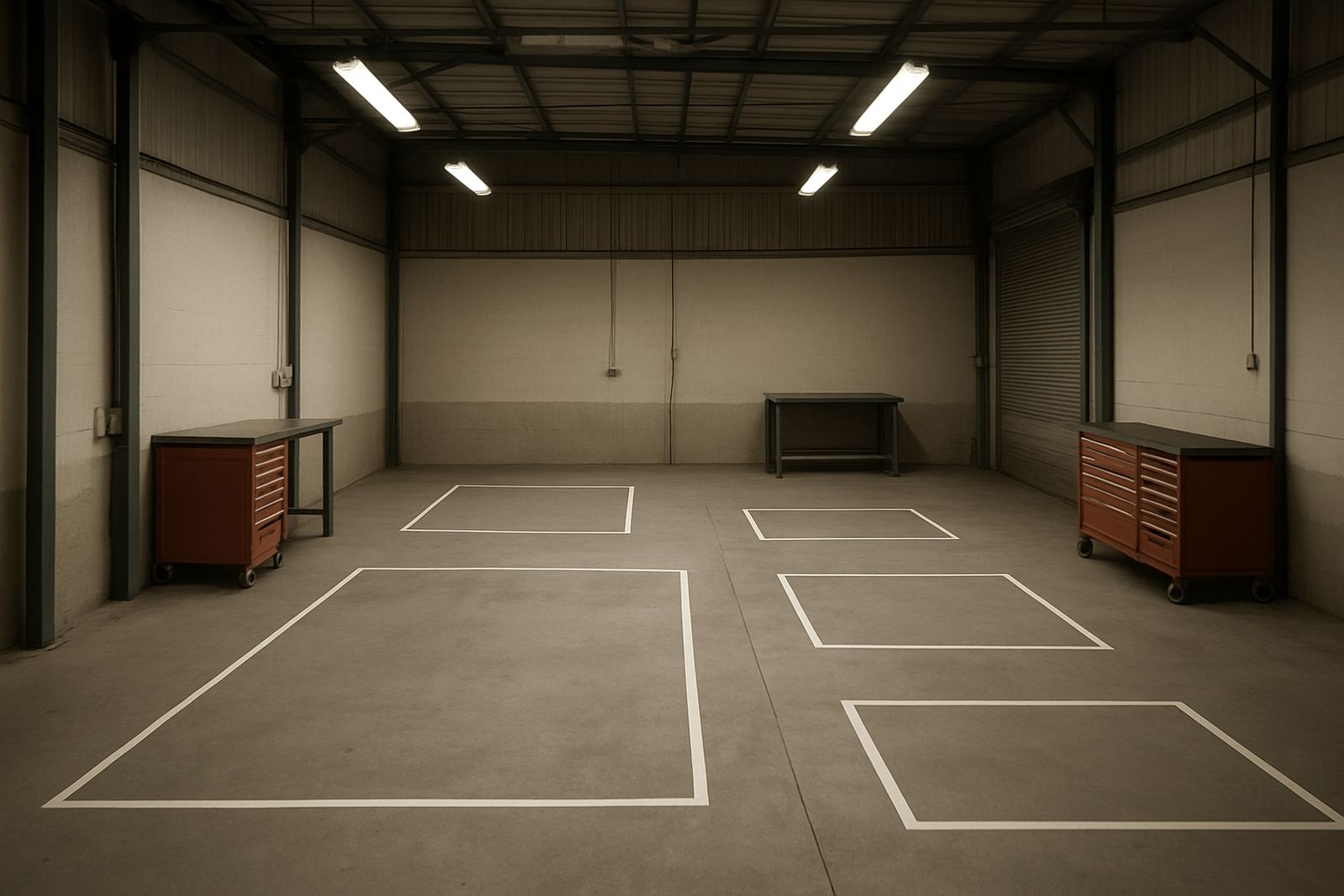
Before any machinery leaves port, map the workshop from the inside out. Measure door widths, roller shutters, column spacing, ceiling height, pit locations, drainage points and the path from offload area to final position. In Durban, many sites near the harbour corridor have tighter access than expected, while Johannesburg and Cape Town sites may face basement ramps, shared yards or strict body corporate rules.
Mark each machine by weight, footprint and service access. A press, lathe, compressor, wash bay unit or diagnostic bay all need different clearances for installation and future maintenance. Leave space for hand tools, pallet jacks, cable runs and the daily movement of staff. If a unit will need servicing every month, do not trap it against a wall or under fixed pipework.
It also helps to identify where the first lift will happen. A machine that arrives on flat rack, lowbed or side loader may need to be moved with a crane, overhead gantry or heavy duty forklift. One small mistake here can delay the whole fitout, especially when the truck has already been booked and security access is timed.
Check power, water and air before the machines land
Many fitouts go wrong because the building services are not ready. Confirm the voltage, phase and load capacity for every machine, then compare that against the site supply and the electrician’s sign off. If you are adding welders, compressors, lifts or automated equipment, the combined load can exceed what the site was designed for.
Plan for load-shedding as part of normal operations. If critical equipment must run during outages, discuss backup power, soft starts and safe shutdown procedures early. For coastal workshops in Durban, Umhlanga or Paarden Eiland, humidity and salt air also affect switchgear, exposed terminals and stored components so sealed cabling and proper protection matter.
- Confirm available amperage and phase at each bay.
- Check compressed air outlets, water points and drainage falls.
- Allow space for isolators, trunking and maintenance access.
- Test backup power before the first machine is connected.
Do not wait until installation day to discover a breaker mismatch or missing earthing point. A one hour inspection with the right trades can save days of hold-up and a nasty bill later.
Stagger arrivals to suit the workshop sequence
Phased delivery makes a fitout easier to control. Heavy anchor equipment should arrive first, followed by support machines, then cabinets, tools and smaller items. If you bring in all the loose equipment before the main units are set, the site becomes cluttered and the risk of damage goes up.
Work backwards from the first production date. If the vehicle bay must open on a Monday, the main lifts, levelled machines and utility connections should be done first, with testing and commissioning after that. Keep a clear sequence for offloading, moving, positioning and final handover so each party knows when to step in and when to stand back.
Use a delivery register that shows ETA, vehicle type, pallet count, crate size and who signs at each stage. In mixed industrial areas like Springfield Park, Jet Park and City Deep, shared access roads and security gates can slow vehicles down, so accurate timing is worth more than a rushed promise.
- Heavy plant first, then utility equipment, then consumables.
- Book offload windows that match site labour availability.
- Keep a buffer day for weather, congestion or port delay.
- Confirm who receives, checks and signs each consignment.
Make lifting and offloading safe and practical
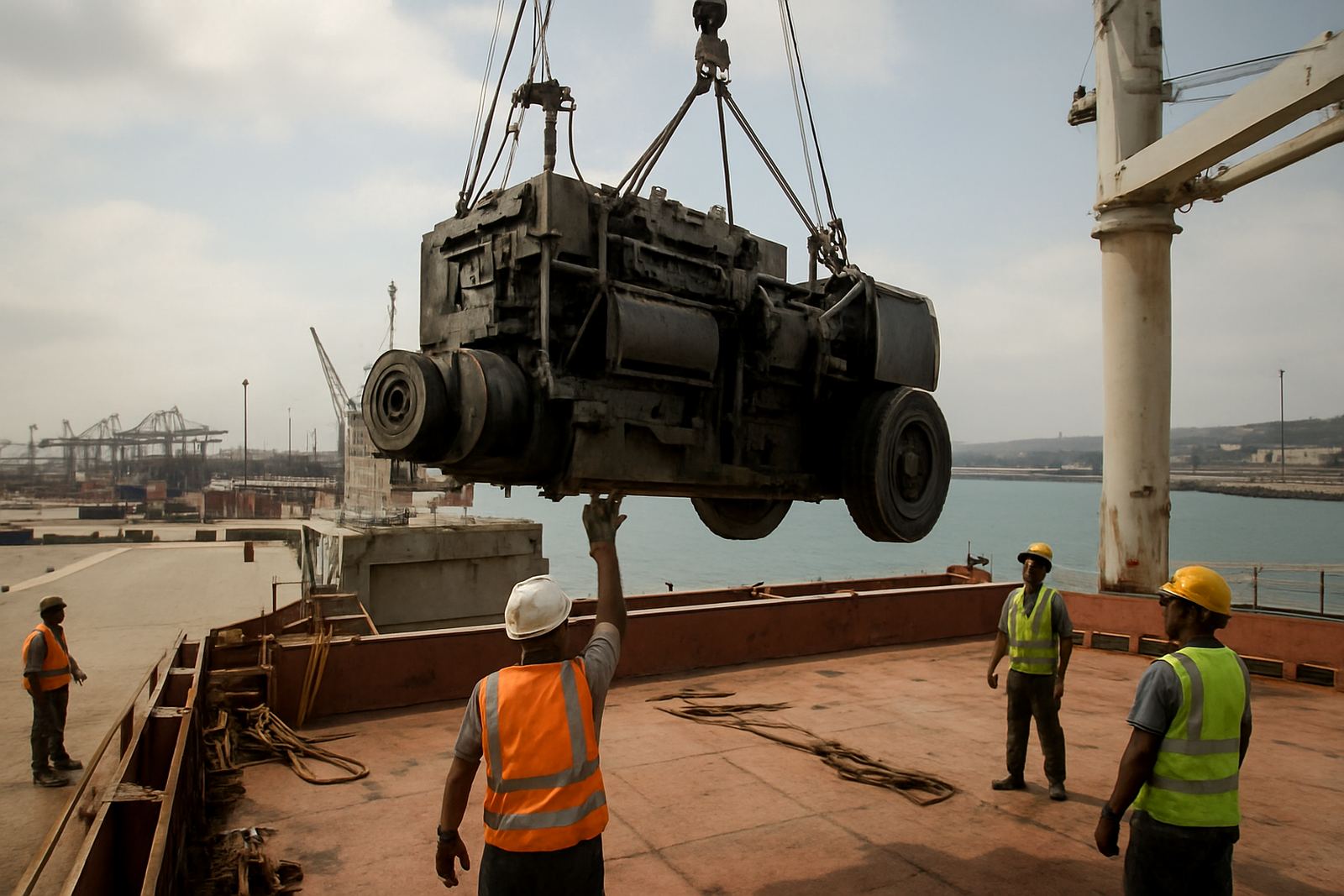
Every machine should have a defined lifting point and a written offload method. Check the crate, skids or frame before moving anything. If the unit is top heavy, awkwardly shaped or sensitive to tilt, use the correct lifting gear and keep the move slow. A hurried offload can bend guards, break feet or shift internal components.
For workshop fitouts in South Africa, access can be as important as lifting capacity. Narrow lanes in Umbilo, tight warehouse entries in Paarden Eiland and busy shared yards in the Durban harbour corridor all need clear marshalling. Make sure the truck can get close enough to reduce manual handling, but not so close that it blocks escape routes or damages paving.
Keep the floor clean and dry before the first arrival. Dust, oil and standing water are common causes of slips and poor positioning. If the final location is on a finished floor, use protective mats, timber spreaders or temporary boards so the machine can be nudged into place without marking the surface.
Plan document flow, customs and site handover together
Workshop equipment often needs more than transport. Import paperwork, tariff classification, customs clearing, port collection and inland transport all need to line up with the site schedule. If the documents are incomplete, the machine can sit at port or in storage while installers wait idle.
Keep one folder for invoices, packing lists, serial numbers, insurance notes, permits and release instructions. This is especially useful when several machines arrive in one week or when a mix of new and used equipment is being cleared. Good records also help if a unit must be claimed, inspected or moved into bonded storage before installation.
Before handover, make sure site staff know who will inspect the equipment on arrival and who will report damage, shortages or document errors. A short delay on the phone is better than a dispute after the truck has left the gate.
- Match packing lists to actual crate counts.
- Record serial numbers before offload starts.
- Keep insurance details close to the receiving team.
- Confirm release and site access before dispatch.
Use a simple workshop fitout checklist
A clean checklist keeps the project moving. Start with building readiness, then move to lifting, utilities, delivery sequencing and final positioning. When each item has an owner, the fitout becomes much easier to manage and less likely to stall because of one missing signature or tool.
- Measure all doors, bays and turning circles.
- Confirm floor loading and anchor points.
- Check electrical supply, air and water connections.
- Set delivery dates in the correct build order.
- Assign a receiver for each machine and crate.
- Arrange site offloading, rigging and protection materials.
- Test every unit before sign off.
If your workshop is being set up for fleet maintenance, automotive work or general mechanical repairs, keep enough breathing room around each bay for future growth. A good fitout should work on day one and still make sense three years later when the team grows or the line-up changes. Sibusiso Ntuli and the team at Machines Africa Hub can help coordinate the movement side so your workshop build stays on track.