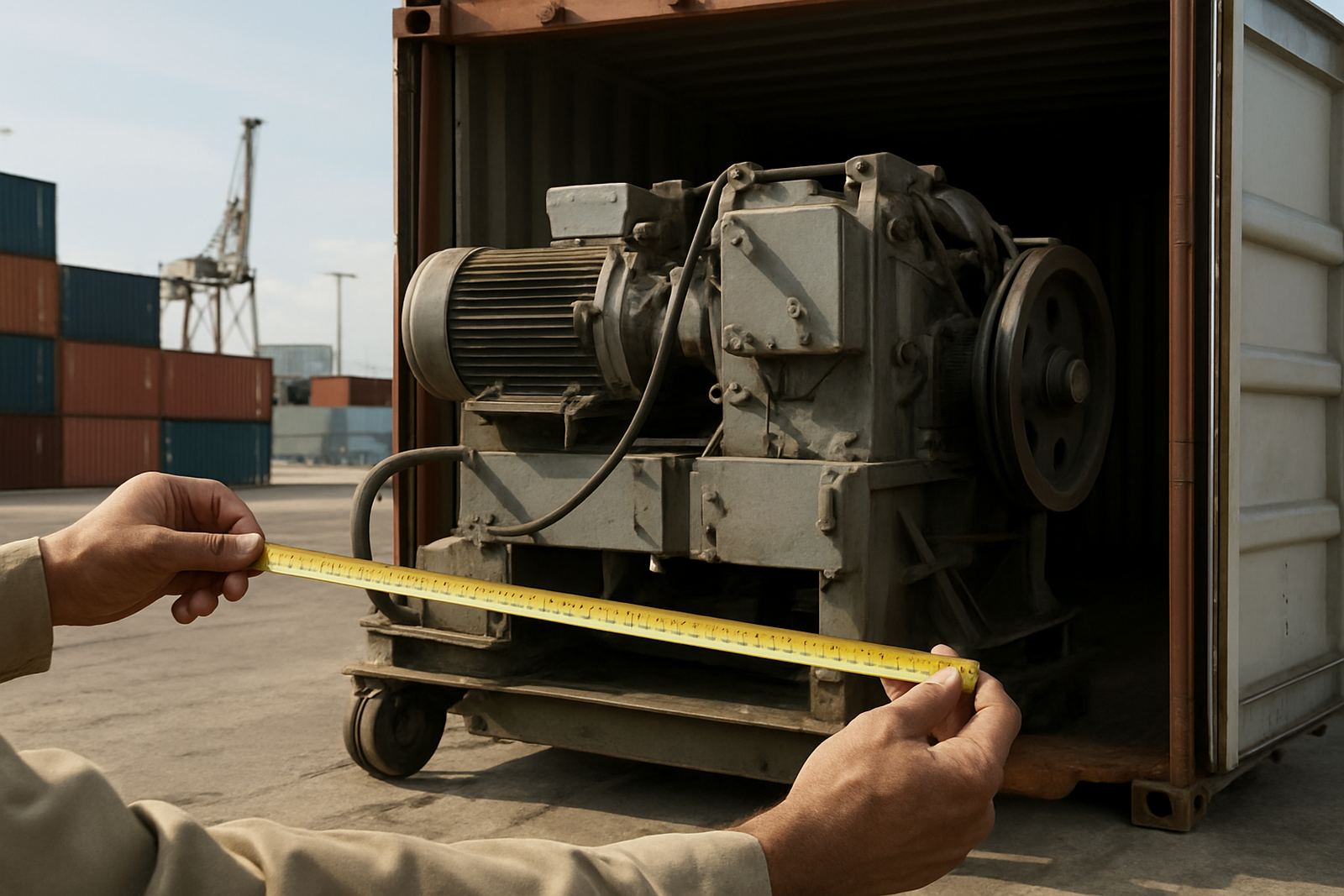
Check the route from gate to final position
Before the truck arrives, walk the full route from the entrance to the planned offloading point and then to the final position. Check gate width, turning circles, overhead pipes, low branches, kerbs, loose paving and any steep ramps. In Durban and the harbour corridor, tight access and uneven yard surfaces are common, so it helps to measure properly and not rely on a rough look from the road.
For larger machines, make sure there is space for the carrier to reverse or swing safely. If the site is in a shared industrial yard in Umbilo, Springfield Park or Jet Park, speak to neighbours or security in advance so access is not blocked by parked cars, containers or forklifts.
- Measure gate width, height clearance and turning space
- Confirm ground conditions for truck and crane or forklift movement
- Remove parked vehicles, pallets, scrap and loose material
- Check for low power lines, overhangs and drainage covers
Prepare offloading gear before the truck reaches you
Offloading runs better when the right gear is already on site. That includes a forklift with enough capacity, suitable lifting slings, spreader beams, skates, jacks or a crane if the load needs it. Do not wait for the vehicle to arrive before arranging this. Delays at the gate can lead to waiting charges and, if the carrier has another booking, missed delivery windows.
In coastal areas like Durban and Paarden Eiland, damp air and salt can affect exposed metal and electrical parts. Keep tarpaulins, plastic wrap and dry storage ready if the machine needs to sit for a few hours before placement. If your yard gets hot, dusty or if load shedding affects your internal handling equipment, make sure you have backup power or a manual plan for the critical steps.
- Confirm lifting capacity in tonnes, not guesses
- Check fuel, batteries and tyre condition on the forklift
- Keep slings, chains and shackles within reach
- Have a dry, level space ready for temporary placement
Get paperwork and people lined up early
Site delays often start with missing paperwork. The driver may arrive, but no one can authorise the handover, no one has the delivery note, or the receiving team is not on site. Nominate one person to receive the machine, one person to check condition and one person to sign off. If the delivery is tied to customs release or port collection, keep the documents in one file and make sure the team knows who is handling what.
For clients moving cargo through Durban, Johannesburg or Cape Town, this is especially important when the load changes hands between port, depot and final site. If there are bonded storage conditions, access rules or municipal entry controls, sort those out beforehand. It saves time and helps avoid arguments at the gate.
- Delivery note, release papers and site contact list
- Receiving staff names and phone numbers
- Proof of access authorisation for estates or depots
- Any lifting plan, risk note or induction document required by the site
Mark the final position before the load comes off
Once a machine is on the truck bed or in the container, there should already be a clear place for it to sit. Mark the floor with chalk, tape or cones so the operator knows the exact position. Leave enough working room around the machine for future maintenance, ventilation and safe access to panels, hoses and doors. If the item is for a workshop, warehouse or fleet yard, think about how it will be serviced later, not only how it will be delivered today.
Also check floor loading. A machine may fit through the door, but still cause damage if the slab is too thin or the surface is not level. In City Deep and similar logistics areas, many sites are busy and shared, so setting out the position early helps keep other traffic moving.
Plan for weather, power and site conditions
South African weather can change the job quickly. Wind on the coast, summer rain in Durban, heat in inland yards and dust in open areas can all affect offloading. If the machine is sensitive to moisture or should not stand in direct sun, have cover ready and keep the offload as short as possible. In areas where municipal schedules or load shedding may interrupt normal operations, make sure the receiving team can still communicate and move the load safely.
Check whether the site surface is wet, oily or cracked. A forklift or jack can slip on a polished warehouse floor and a crane truck can sink into soft ground after rain. If the site is not ready, it is better to reschedule than force the drop and risk damage.
- Watch wind and rain forecasts for the planned delivery day
- Have cover ready for exposed machines and control panels
- Check ground firmness after rain or water seepage
- Keep radios or charged phones ready in case of power cuts
Use a clean sign off process after placement
Sign off should happen after the machine is placed, inspected and confirmed against the delivery notes. Check for dents, broken brackets, oil leaks, loose fittings or missing parts. If the unit is crated, check the crate condition before it is opened and take photos where needed. If there is any damage, note it immediately and do not leave it for later. Small issues become expensive when nobody records them at delivery.
Once the machine is accepted, keep the signed documents with the purchase file, clearing file and transport file. This matters for warranty claims, insurance claims and internal asset control. A neat handover also helps when the next shipment arrives and the site team already knows the process.
- Compare the delivered item against the packing list
- Inspect visible condition before and after unpacking
- Record serial numbers, photos and any remarks
- File the signed proof of delivery straight away