

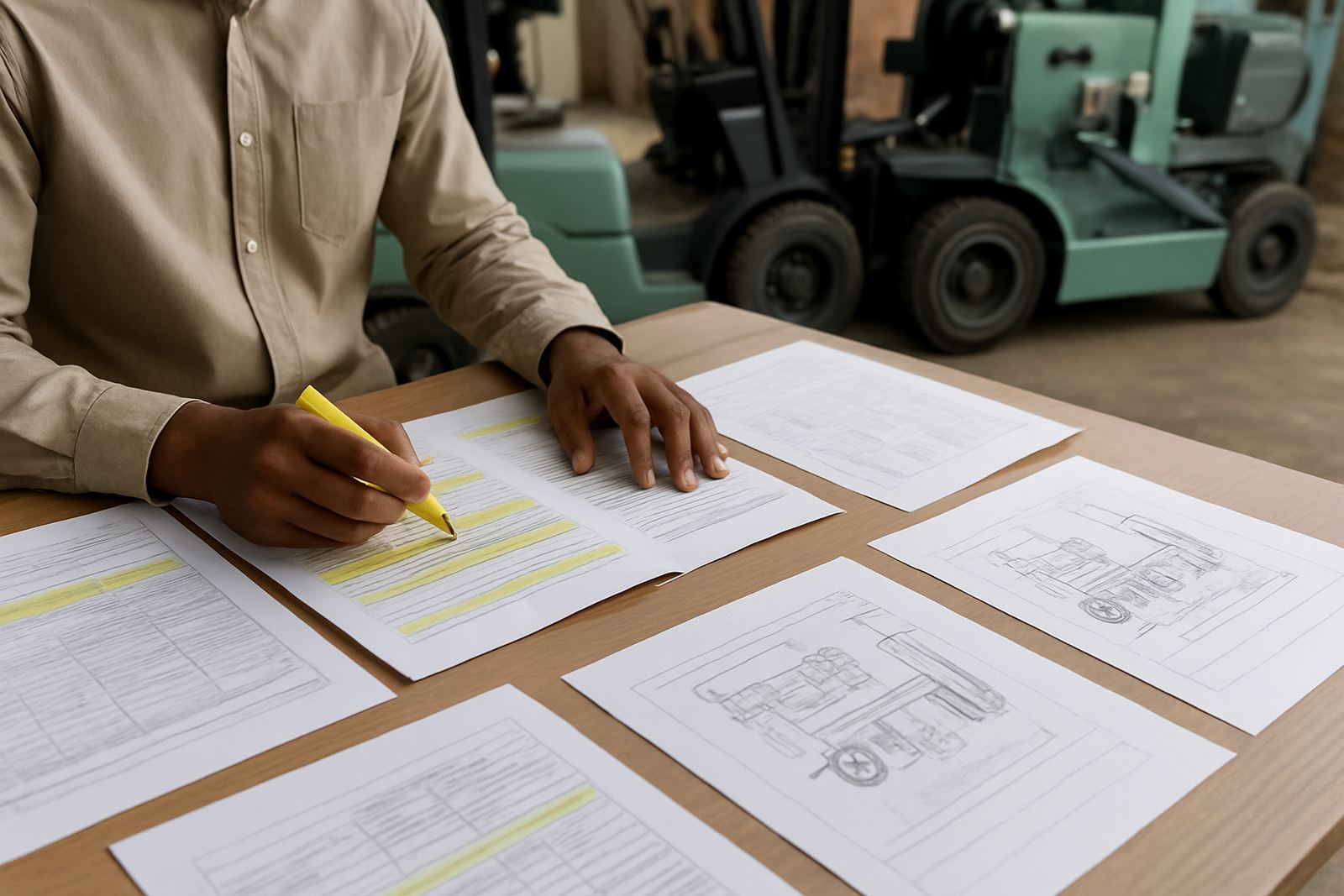
Start with the machine’s real function
Tariff classification begins with use. A unit that cuts, lifts, mixes, packs or compresses may sit in a different heading from a similar looking machine that only moves, stores or controls material. That is why two items with the same frame, motor size or weight can land under different tariff codes.
In practice, the clearing file should describe what the machine does in a working line, what it is made to process, and whether it operates alone or as part of a system. In Durban harbour corridor jobs, this matters because port charges, storage time and duty estimates can change when the code is confirmed late. We often see delays where the invoice says only “machine” and the packing list gives no fnction detail at all.
For clearing through Johannesburg or Cape Town, the same rule applies. The classifier must be able to read the function from the paperwork, not guess from a photo.
Use a 5 point classification checklist
Before goods ship, work through a simple check so the code is backed by facts. This saves time at the port and reduces the chance of rework when Customs asks for more detail.
- What does the machine do in a production or service process?
- Does it work on its own, or as part of a line with other units?
- Is it electrical, hydraulic, pneumatic or manual?
- What is the rated capacity, voltage, pressure, speed or output?
- Are there accessories, spare parts or attachments that change the main use?
Keep this checklist with the invoice, packing list and technical brochure. If the supplier is overseas, ask for a plain language description, not only a model number. A model number helps, but it does not replace the technical story behind the item.
Common mistakes we see at the port
Many delays start with simple paperwork errors. The biggest one is using a broad description like “industrial equipment” or “spares”. Another is mixing together items with different functions on one invoice, then expecting one code to cover everything. That can cause a wrong duty rate, a hold on release, or a query on the permit side where another department gets involved.
Other mistakes include leaving out serial numbers, not showing whether the goods are new or used, and failing to state if the machine is for resale, lease or in-house use. Where bonded storage is involved, the goods should be identified clearly so counts match at every move.
- Do not rely on a supplier’s commercial name alone
- Do not group machine heads, frames and control units unless they truly belong together
- Do not ignore attachments that give the unit its main function
- Do not use one code across a mixed shipment without checking each line item
Documents to prepare before shipment
A good tariff file is built before the container sails. The clearing team should have the invoice, packing list, freight details, insurance note and any technical literature that explains how the machine works. If the goods are second-hand, refurbished or reconditioned, say so clearly and include the condition. That matters for valuation and may affect how the Customs review is handled.
For loads moving through the Durban harbour corridor, we also check whether the cargo needs special handling at collection, whether an overwidth truck is needed, and if site offloading is part of the plan. Coastal humidity can affect exposed metal parts, so packing should protect against rust on long sea legs and short port delays alike.
Where classification is not certain, it is better to flag the issue early than to force a guess. A missing detail today can become a storage bill tomorrow.
How tariff code choice affects cost and timing
The tariff code drives more than duty. It can affect VAT calculations, import controls, documentation, and how quickly a consignment is released. A code with the wrong rate may make the landed cost look better on paper than it really is, which puts pressure on pricing once the goods arrive.
In fleet and automotive related cargo, the function can also decide whether an item is treated as workshop machinery, handling equipment or a part. That distinction changes how we plan inland transport from the port to places like City Deep or Springfield Park. If the cargo is time critical, we check the code before vessel arrival so there are no surprises at the gate.
For clients operating across South Africa and into neighbouring markets, good classification also supports smoother document management. One clear code per correct item makes audits, finance checks and re-export planning easier.
When to ask for a tariff review
Ask for a review when the machine is unusual, combines several functions, or sits close to a known tariff line. The same applies if your supplier gives a vague description, if the unit has been modified, or if you are importing a spare module that may not stand alone as a machine. A review is also wise when a shipment contains both new and used equipment.
Our team in Umbilo works with clearing files for Durban, Johannesburg and Cape Town, and we often start with a function summary, then work through the technical detail with the client. Sibusiso Ntuli and the team will usually ask for the same core items: function, power, capacity, accessories, and where the machine will be used.
When in doubt, get the classification checked before cargo lands. It is cheaper to spend time on the code now than to pay for storage, rework or a late release later.