Why forklift fit fails at the container door
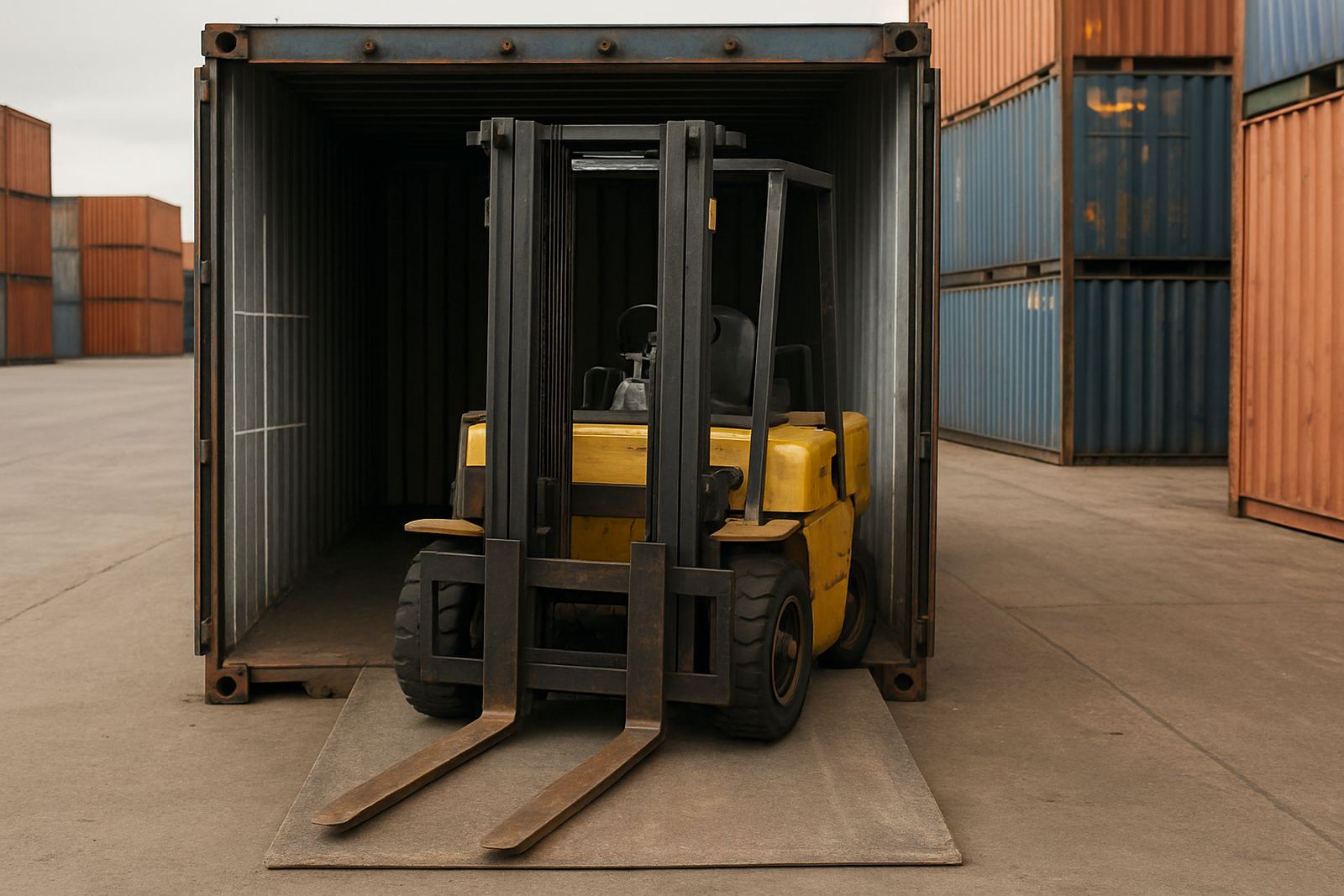
Most import problems start with a simple assumption: if a forklift fits on a truck or in a yard, it will fit in a container. It does not work like that. Container fit is about width, height, mast angle, tyre profile, fork length, weight distribution and how the machine is secured once it is inside.
On paper, the numbers can look fine. In practice, a forklift can catch on the door frame, exceed the internal height once the mast is lowered, or sit too high on its tyres for safe loading. If the unit arrives at Durban harbour and it cannot be loaded as planned, the result is usually repacking, extra handling and storage charges. That cost adds up fast, especially when the cargo has already moved through shipping, clearing and port collection.
For businesses in logistics, fleet support and the automotive sector, this is not only a cost issue. It can also affect delivery dates, site booking slots and labour planning. One missed container fit check can push a project back by days.
Measure the machine before you book freight
The best time to check container fit is before the booking is confirmed. We always recommend proper measurements from the actual machine, not from a brochure or sales note. Small differences in tyre size or mast setup can change the final height enough to matter.
Use these measurements as a starting point:
- overall length with forks fitted
- overall width across the widest point
- overall height with mast lowered
- mast height when collapsed and tilted forward
- machine weight with fuel or battery installed
- fork width and fork overhang
If the forklift is electric, allow for battery weight and any access restrictions for charging after delivery. If it is diesel or gas, the customs and shipping documents must describe the unit correctly. A mismatch between the physical machine and the paperwork can trigger questions at clearing stage.
In busy corridors like Durban, Springfield Park and Jet Park, getting the numbers right before loading saves time. It also helps with planning the right container size, whether the unit can travel as roll-on or must be craned, and if a bonded storage step is needed.
Choosing between a standard box, high cube or flat rack
Not every forklift should go into the same type of container. The right choice depends on the exact dimensions and whether the machine can be kept secure without affecting compliance or transit safety. A standard dry container suits many compact units, but taller or wider forklifts may need a high cube or special equipment.
Here is the practical side of the decision:
- A standard container suits lower-profile machines with manageable fork length and mast height
- A high cube gives extra vertical space when height is the main issue
- A flat rack may be needed for oversize or irregular equipment
- Stripping attachments can create savings if the parts are easy to refit on site
The cheapest option on freight rate is not always the cheapest overall. If the machine is forced into the wrong box, you can pay more in labour, packing materials and delay than you save on shipping. We see this often with buyers who are trying to fit a machine into a container based on guesswork. The better approach is to match the equipment to the shipping method first, then price the route.
Clearing risks that come with a bad fit
Container fit affects customs clearing too. When a forklift is repacked, split into parts, or reloaded after inspection, the supporting documents must still match what is arriving. If the invoice says one unit and the packing list now shows separate parts, the clearing process becomes slower and can attract queries from officials.
Tariff classification, origin documents, transport legs and cargo insurance all need to follow the actual shipment profile. A machine that arrives under a different description from the booking can complicate duty calculation and release. That is why clear document management matters from the first quote to final delivery.
For importers moving through the Durban harbour corridor, the risk is higher when the cargo lands during peak port activity or bad weather. Coastal humidity, rain and congestion can stretch timelines, and a small hold-up becomes a bigger one if the machine has to sit in storage while the paperwork is corrected.
Good planning reduces exposure to these problems and keeps the unit moving from port to site without unnecessary handling.
A Durban example: saving a fleet buyer from repacking
A fleet maintenance client in Umbilo recently needed a compact forklift moved into the country for workshop use in Gauteng. The machine looked small enough on first review, but the mast height and fork position changed the fit once the shipping dimensions were checked properly. If it had been booked into the wrong container, the unit would have needed repacking in Durban before inland transport to City Deep.
By checking the measurements early, the team adjusted the shipping method, arranged customs clearing through the Johannesburg counter and planned inland transport for the right day. The machine moved without a storage extension, and the client avoided an extra handling cycle. That matters in real terms: fewer lifts, less damage risk and no wasted time waiting for a container to be opened and repacked.
This kind of planning is especially useful for businesses that operate across multiple branches or depots. A forklift that is destined for Paarden Eiland, Jet Park or Springfield Park needs to arrive in a condition the receiving team can use immediately. No one wants a machine arriving late and then finding out it must be offloaded again before it can even be commissioned.
What importers should confirm before the vessel sails
Before shipping, confirm the following with your clearing and logistics team:
- exact forklift make-up including attachments, battery or fuel system
- final dimensions after mast lowering and any part removal
- container type and loading method
- port collection point and inland delivery address
- whether bonded storage is needed before final dispatch
- insurance cover for loading, transit and offloading
These checks are small compared with the cost of a failed fit. They also help with municipal and site access issues. Some facilities have low gates, loading bay restrictions or timed delivery windows that must be planned in advance. If the machine is not measured properly, the delivery truck may arrive and still be turned away.
With load-shedding affecting workshop schedules and delivery timing in some areas, importers need reliable coordination, not guesswork. A measured plan keeps the machine moving, protects the cargo and helps the receiving team prepare the site in good time.
The value of fit planning from port to site
Forklift container fit is not a technical extra, it is part of the import plan. When the measurements, paperwork and transport method line up, the cargo can move through shipping, clearing and inland delivery with fewer stops. That is especially important for South African businesses balancing deadlines, labour costs and port charges.
Machines Africa Hub handles import planning, shipping coordination, customs clearing, tariff classification, port collection, inland transport, cargo insurance, bonded storage, site offloading and document management. From Umbilo in Durban, with clearing support in Johannesburg and Cape Town, the aim is simple: get the machine in, clear it properly and deliver it ready for work.
For buyers bringing in forklifts for logistics, fleet and automotive operations, the smartest move is to check fit before the vessel sails. A few accurate measurements today can save a very expensive repacking job tomorrow.