Why heat and cold change the risk profile
Temperature sensitive cargo is not limited to fresh produce or medicine. In our line of work it often means control panels, batteries, hydraulic units, lubricants, seal kits, sensors and complete machines with electronics or fluid systems. Once those items sit in direct sun at Durban harbour or wait overnight in an open yard, performance can change quickly. Oil thickens in cold inland mornings, seals can harden, and condensation can form when a warm load moves into a cooler warehouse.
In South Africa, the route matters as much as the cargo type. A load that is fine in Springfield Park may face coastal humidity in Durban, then dry heat on the N3, then a cold start in Johannesburg. That swing can create corrosion, voltage faults and fluid separation if the cargo is not planned for it from the start.
What needs special attention before the truck moves
The key is to identify the weak points early. Not every machine needs a climate controlled truck, but many loads need the right packing, timing and handling. We usually check the manufacturer or supplier paperwork, the type of fluid in the system, whether the unit is sealed, and if any electronic modules have been removed or secured. If a machine is going into bonded storage first, the storage conditions should be confirmed before the cargo reaches the port.
- Fluids that can thicken, separate or leak under heat and vibration
- Battery packs and control units that should not be exposed to direct sun
- Rubber hoses, belts and seals that can crack after long weather exposure
- Painted or coated surfaces that may sweat in humid coastal conditions
- Items that must stay upright to prevent oil migration or leakage
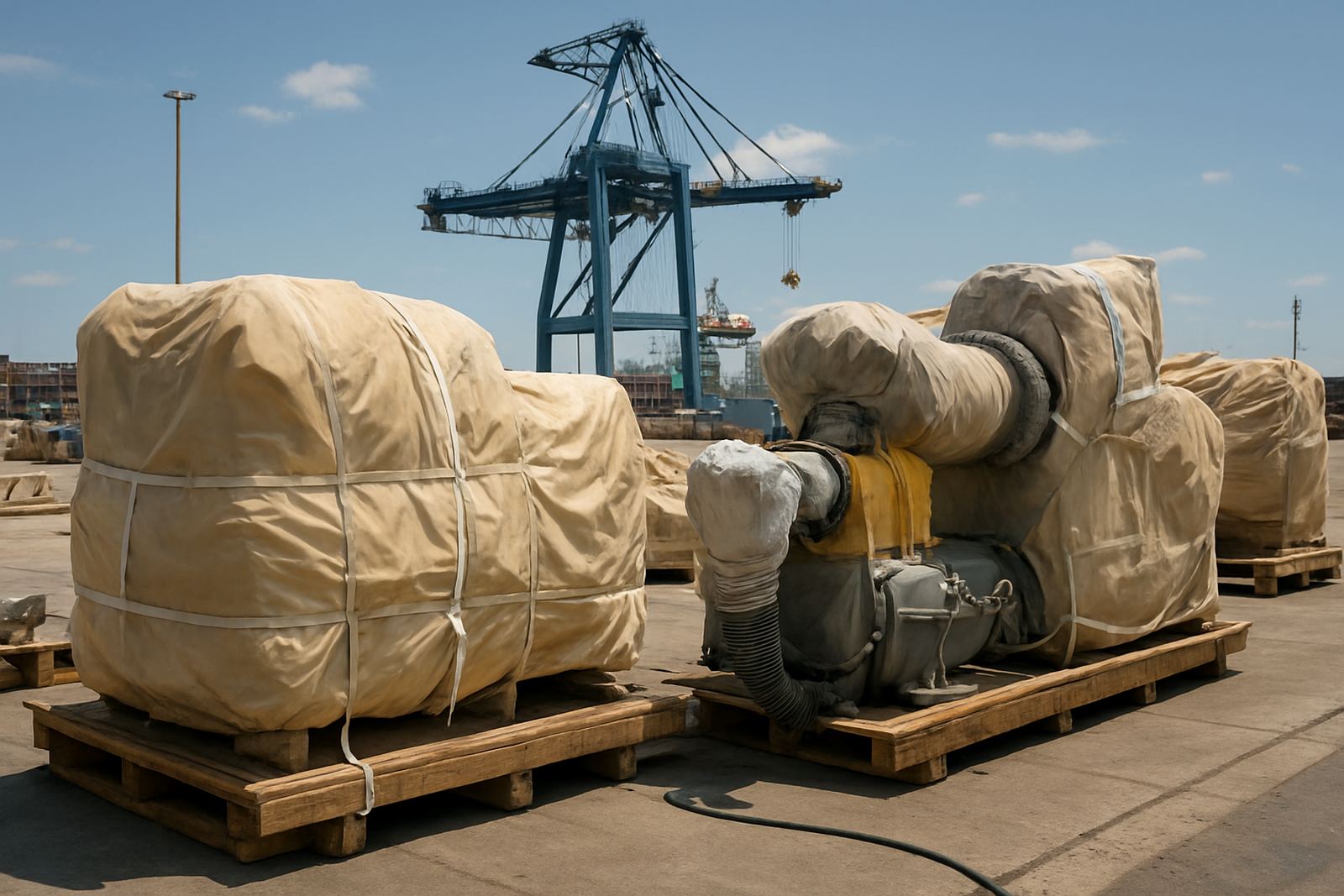
It also helps to confirm whether the cargo needs desiccants, shrink wrapping, insulated blankets or simple shade at point of offloading. A few small steps can prevent expensive delays later.
Durban to Gauteng: the local route that tests preparation
A practical example is a hydraulic power unit imported through Durban harbour for a fleet workshop in Jet Park. The unit may clear well, but the real risk starts at collection. If it sits on the quay in full sun for hours, the outer casing heats up, while a cooler container interior can still hold moisture. By the time the load reaches the Highveld, the temperature shift can affect seals and electrical connectors.
For that reason, we plan collection windows carefully and keep document control tight. When cargo is temperature sensitive, a missed release note or a late customs instruction is not a small admin issue. It can mean an extra night in the port system, which is where heat, humidity and theft risk all start to stack up. In Durban and Cape Town, the weather can turn fast and the cargo must be ready before the truck arrives.
Packing and marking that actually helps on site
Good packing does more than keep the item neat. It tells handlers how to move it, where to place it and what not to do. Site teams in Umbilo, Paarden Eiland or City Deep need simple instructions that are visible and practical. The aim is to cut handling time and prevent last-minute guessing at the loading point.
Useful packing steps include:
- Marking upright arrows and centre of gravity points clearly
- Using moisture barriers for electronics and exposed metal parts
- Securing hoses and fittings so they do not rub during transit
- Keeping labels readable after rain, spray or port dust
- Adding temperature caution notes where the contents are sensitive to heat
If a load has to move through more than one handover point, the packing should be strong enough for each stage. A neat load that breaks down at the second transfer is a poor result and often avoidable.
Timing, routing and insurance decisions
Temperature sensitive cargo should travel when the timing suits the load, not only when the truck is available. Early collections can reduce sun exposure in Durban. Night running may suit some inland legs, but it also brings different risks around security and rest stops. For cargo going to Cape Town, a direct route with fewer stops may be better than a slower multi-drop plan, especially if the cargo includes fluids or calibrated parts.
Insurance should match the actual risk. A standard transit policy may not be enough if the cargo needs special handling, temporary storage or site offloading under weather exposure. It is better to ask the right questions up front than to find out later that a claim was weakened by poor packing or delay. That bit of paperwork matters more than many people think.
How we manage sensitive loads across the harbour corridor
At Machines Africa Hub, we handle temperature sensitive cargo with the full chain in mind, from import planning and tariff classification through to port collection, inland transport and site offloading. That matters for clients in Durban, Johannesburg and Cape Town because the cargo may pass through more than one climate zone before it reaches the workshop or yard. Our team in Umbilo coordinates with clearing counters in Johannesburg and Cape Town, so the release, transport booking and delivery timing are aligned.
For fleet operators and automotive businesses, the real value is not theory, it is avoiding preventable downtime. A generator control panel, a compressor unit or a hydraulic assembly can arrive in good condition if the route is managed properly. For a business that relies on machinery every day, that reliability saves time, labour and repair costs.
We also keep the practical side simple for clients. Clear documents, direct communication and realistic delivery windows reduce the chance of a cargo sitting in the wrong place for too long. That is especially important when load-shedding, humidity or inland temperature swings can complicate a normal movement.