
Why trailer specs decide more than just carrying capacity
When a fleet in South Africa buys or hires a trailer, the first question is often how much it can carry. That matters, but it is only one part of the job. The wrong trailer can sit too high for a fifth wheel, weigh too much before loading, or place the load in a way that makes turning and braking harder than it should be.
For operators moving machinery, vehicles or parts between Durban, Johannesburg and Cape Town, the details count. A trailer that suits a flat export load may not suit a low-clearance machine coming out of a container, or a vehicle that must be tied down with proper axle spacing and access points. Good planning saves fuel, tyres and time at the gate.
In practice, the trailer spec should work with your trucks, your loading method and your regular routes. If the trailer is wrong, the whole chain feels it.
Axle count and spacing affect road behaviour
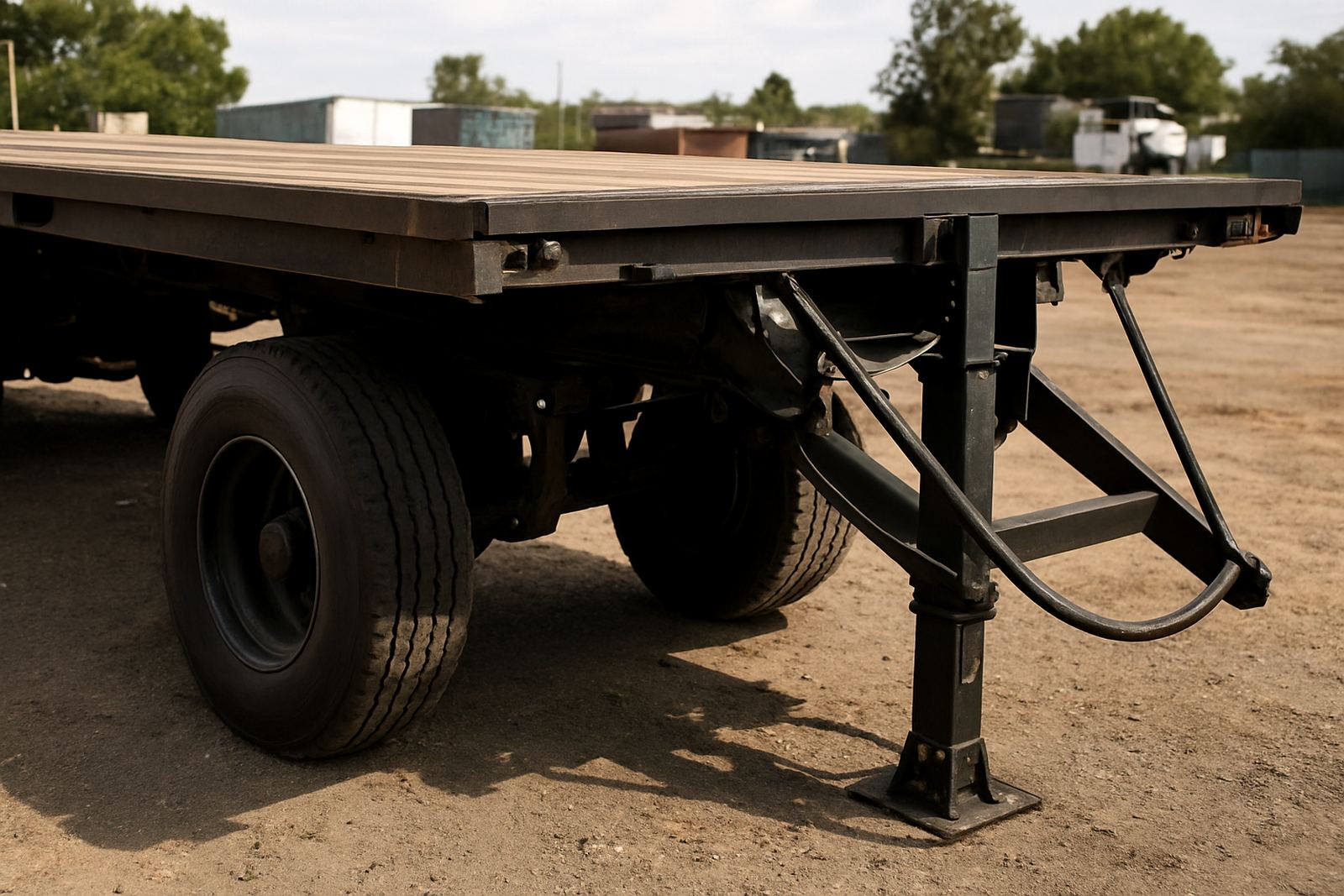
Axles are not just there to carry weight. They spread the load, help with stability and influence how the trailer handles on bends, slopes and uneven yard surfaces. A two-axle trailer may be fine for lighter work, while a tri-axle unit gives better weight spread for heavier freight and can be steadier on long runs.
Spacing matters too. Close-set axles can be better in some yard conditions, but they may scrub tyres more when turning tightly. Wider spacing can improve weight distribution, though it may change how the trailer reacts on rough roads or during reversing. In places like Springfield Park and City Deep, where space can be tight and trucks queue in bursts, that steering behaviour becomes very noticeable.
- Check whether the axle setup suits your average payload, not only the maximum rating
- Ask how the axle spacing affects tyre wear on frequent turns
- Match axle choice to the roads you use most, including coastal routes and inland highways
- Confirm that braking and suspension are set for the actual work, not just the brochure figure
Kingpin height must match the truck and the load
Kingpin height is one of those measurements that can create a headache if it is ignored. If the trailer sits too high or too low for the truck’s fifth wheel, you may get poor coupling, uneven weight transfer or extra strain on the unit. That can show up as tyre wear, unstable handling, or delays every time the trailer changes tractor.
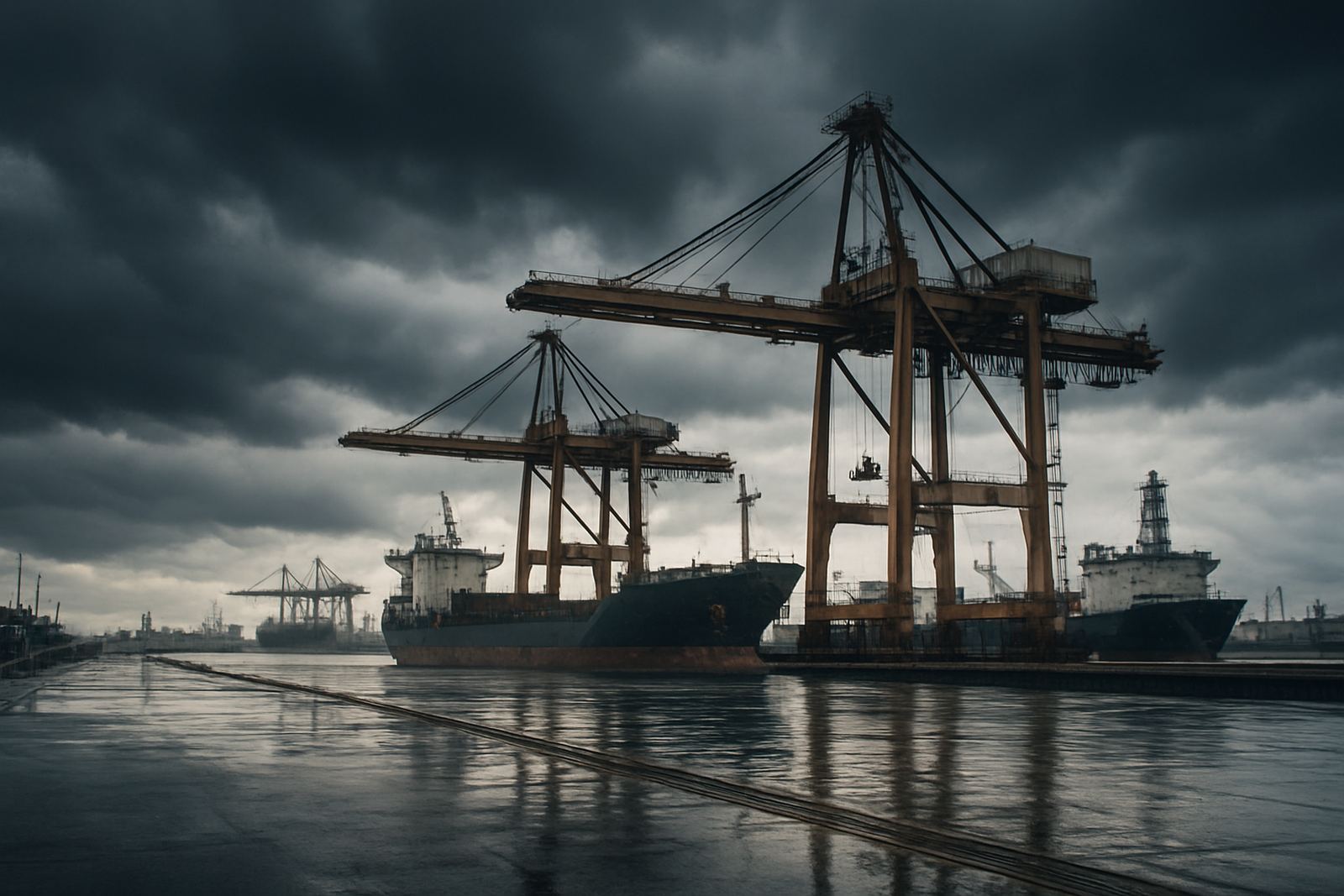
This is especially important when trailers move between Durban harbour and inland depots. A trailer that works behind one prime mover may not sit correctly behind another, even if both are within the same fleet. If your team uses different trucks for port collection, linehaul and local delivery, the kingpin height must be checked against all of them.
Measure the coupling point properly and keep it on record. It sounds basic, but it saves time at the gate and on site. In humid coastal conditions around Umbilo and Paarden Eiland, it also helps if fittings are inspected often because corrosion can start early.
Tare weight changes what you can carry in real terms
Tare weight is the empty weight of the trailer, and it has a direct effect on payload. Two trailers may look similar but carry very different amounts once the legal and practical limits are applied. If a trailer is too heavy on its own, you lose useful payload before the freight is even loaded.
That matters in sectors where every kilogram counts. Automotive parts, machinery components and equipment for fleet maintenance can all be dense enough that a few hundred kilograms of extra tare changes the job economics. It can also affect permit planning, route choice and fuel use over a month.
- Compare tare weight against your usual cargo, not just the maximum legal gross mass
- Ask how fitments like toolboxes, spare wheels or extra brackets affect the final tare
- Check whether a lighter trailer still gives you the strength needed for ramps, site work and loading forks
- Keep weighbridge records so you can spot patterns across different trips
If a trailer only works when loaded to near the limit every time, it is probably not the best fit for a mixed fleet.
Deck layout should suit your loading method and freight type
Deck layout decides how quickly you can load, secure and offload the cargo. A straight flat deck may suit general freight, while a step deck or lowbed style can help with taller machines and awkward dimensions. Ramps, tie-down points, side access and deck height all change the way a load is handled.
For machinery moving through the Durban harbour corridor, this is often where the job succeeds or slips. If the cargo arrives on a container or needs site offloading in Umbilo or Jet Park, the deck should allow for the gear you actually have on hand. Forklifts, cranes and telehandlers all need space and a clear approach.
Consider the following before you settle on a trailer layout:
- Where the load will be picked up and how it will be placed on the deck
- Whether the deck height works with loading banks, docks or site ramps
- How the tie-down points line up with the cargo frame or wheel positions
- Whether the deck allows safe access for chains, straps and edge protection
A Durban example: the right trailer keeps a port job moving
Take a freight movement from the Durban harbour area to a warehouse in Johannesburg. The load is a medium machine with awkward width and a heavier rear section. A trailer with the wrong axle setup could make the trip less stable on the N3. A kingpin height mismatch could slow the handover at the yard. Too much tare weight would cut into the payload and may force another trip.
Now add practical issues like port collection times, congestion near the harbour, and the need to clear documents quickly. If the trailer is also used for work in Cape Town or across coastal routes, corrosion resistance and regular checks become part of the spec discussion too. Salt air is hard on fittings and electricals, so maintenance intervals should be planned properly.
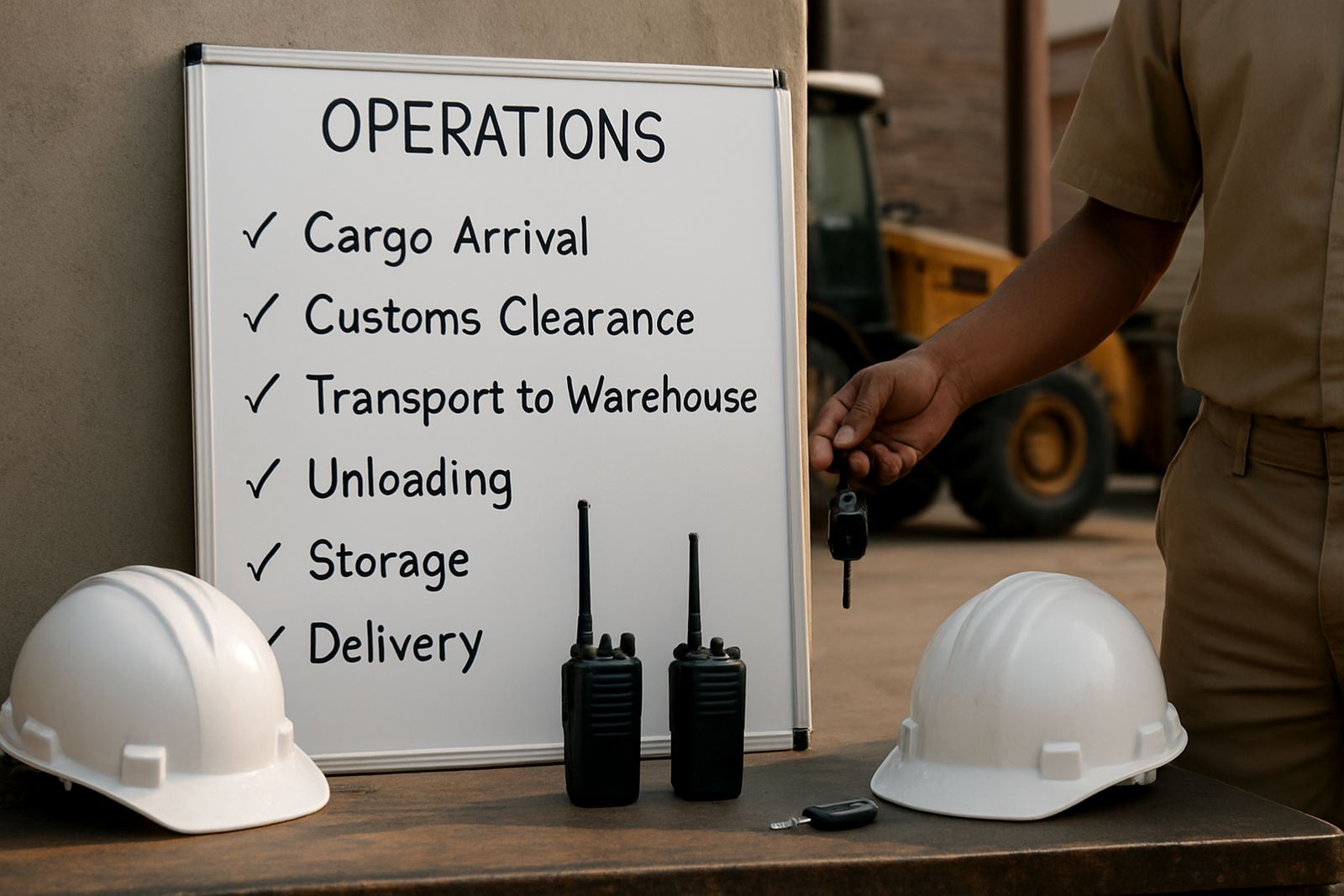
That is why the trailer spec should be treated as part of the logistics plan, not an afterthought. The right combination supports customs clearing, inland transport and site delivery without turning every move into a problem.
Checklist before you commit to a trailer
Before you buy, hire or allocate a trailer, line up the practical checks. This is the quickest way to avoid a unit that looks good on paper but causes delays in daily use. A short review now can prevent months of friction later.
- Confirm axle count, spacing and suspension type
- Measure kingpin height against each tractor unit in the fleet
- Record tare weight with all normal fitments fitted
- Check deck length, height and loading access for your cargo
- Review tie-down points, ramps and side clearance
- Match the trailer to the route, site conditions and port work
If your fleet handles mixed loads, keep spec sheets close to the dispatch team and the loading crew. Good records make it easier to rotate trailers between Durban, City Deep and Paarden Eiland without confusion.