
Why brake tester imports need more than freight booking
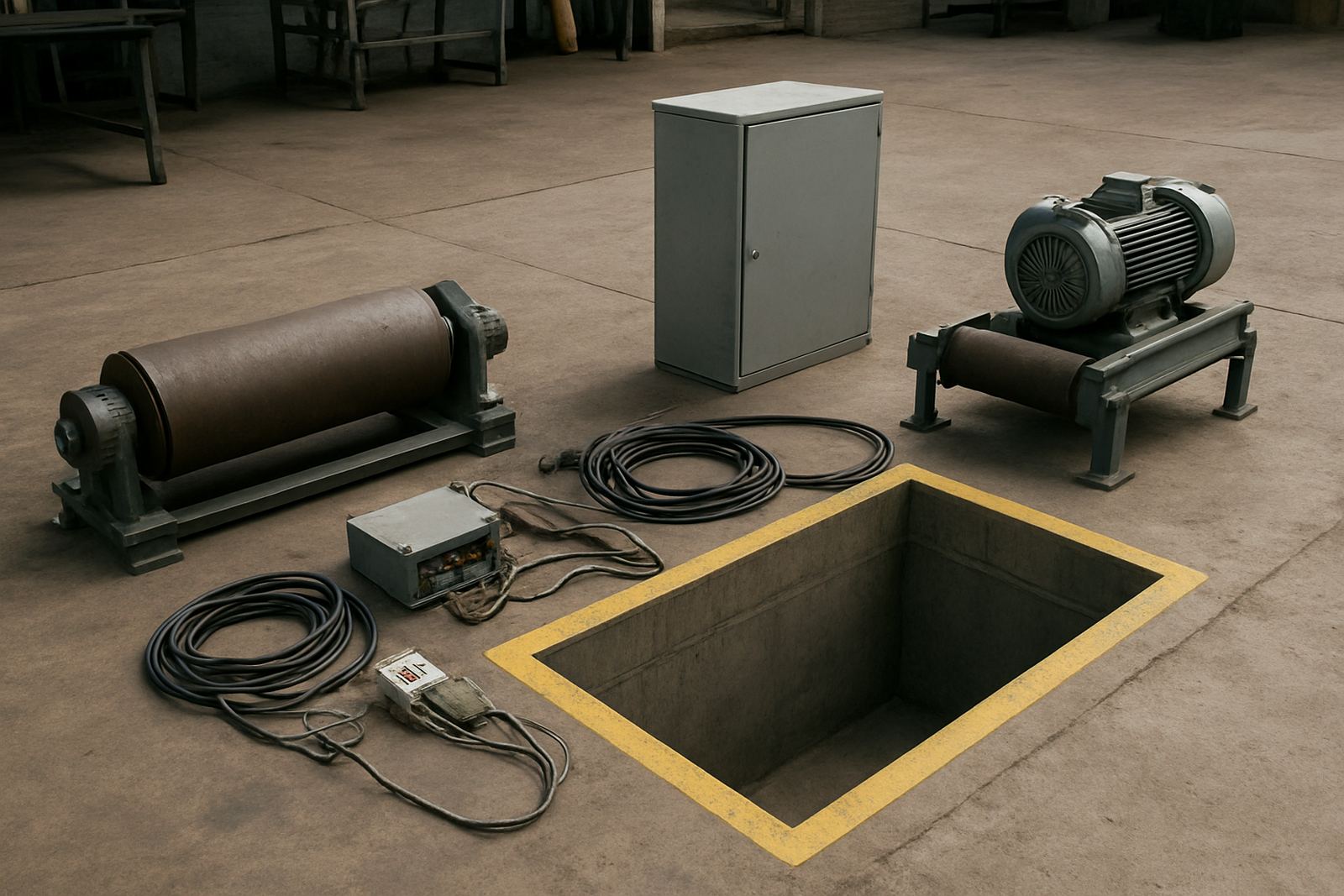
Brake testers look straightforward on paper, but they arrive as a mix of frames, rollers, control boxes, load sensors and cabling that all need to be tracked properly. If one bracket is missing or a sensor is damaged in transit, the installer may have to sit and wait while the rest of the equipment is standing on site.
That is why the import plan must cover the full journey from supplier to workshop floor. It starts with confirming the model, gross mass, overall dimensions and whether the unit is meant for a pit, surface mount or in-ground setup. In Durban, we often see delays where the machine clears fine but the site is not ready because the pit depth was measured after the order was placed. That can become an expensive rework.
- Confirm the test lane layout before shipping
- Check power needs, especially three-phase supply
- List every loose component and accessory
- Keep the packing list matched to the bill of lading
Pit dimensions, floor levels and site prep in local workshops
Brake testers are often installed in inspection lanes, fleet depots and mechanical workshops where the concrete work is already set. If the pit is 40 mm too shallow or the floor is out by a few millimetres, the installation team may have to adjust on site. That is rarely the best use of time, especially when the workshop is meant to return to full duty after a shutdown.
In places like Springfield Park and City Deep, where workshops can run tight schedules, it helps to get the civil drawings checked against the machine specs before cargo is booked. Coastal humidity in Durban can also affect exposed steel parts during storage, so covering, drying and fast turnover matter. We have seen units sit in a yard for only a week and still pick up surface rust if the packaging was not right.
A proper site check should include:
- Pit width, length and depth
- Drainage and water ingress risk
- Cable route and conduit points
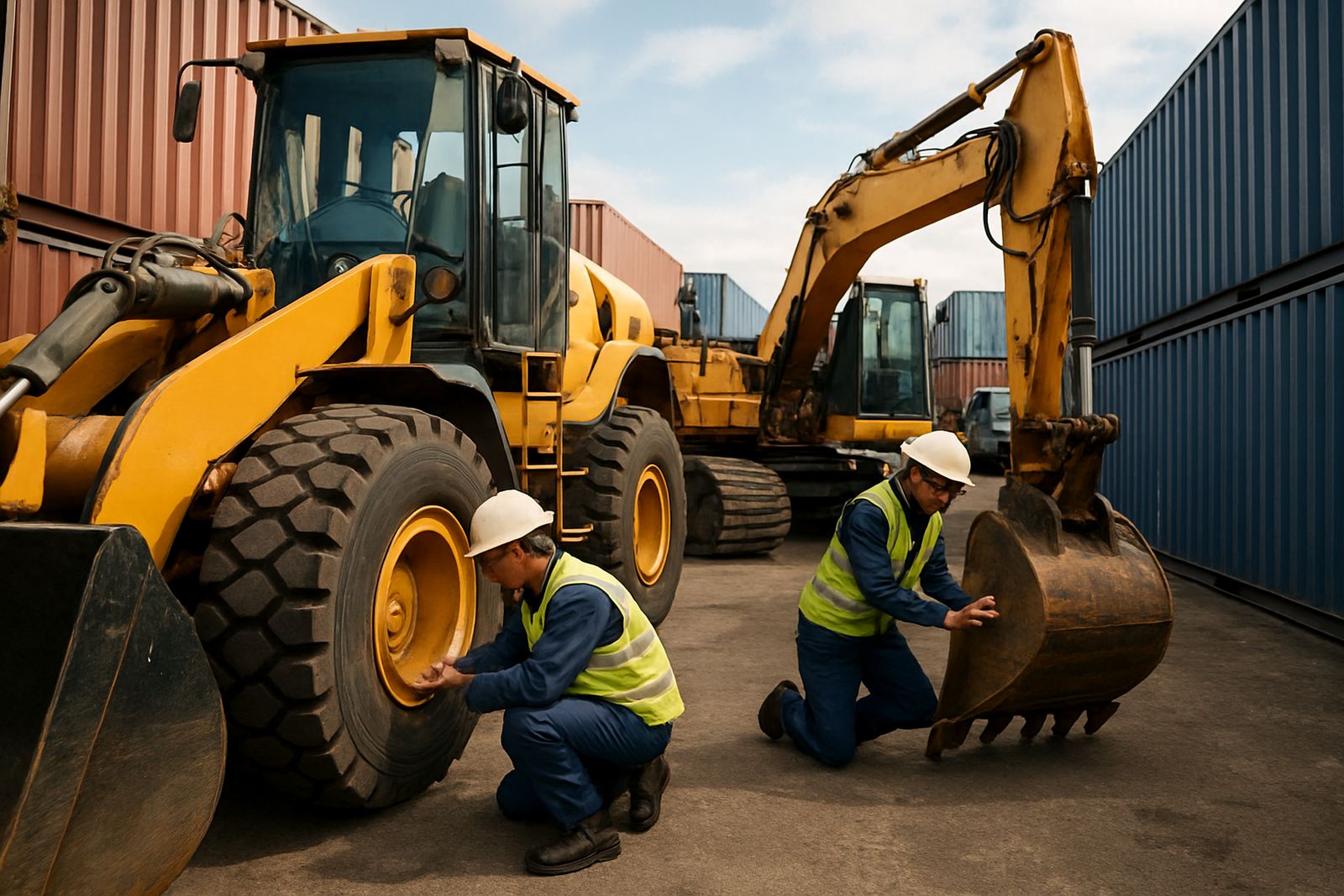
- Access for forklift or crane offloading
- Whether the floor can take the point load
Power supply, cabling and load-shedding planning
Most brake testers depend on stable electrical supply, and that needs attention before the machine lands in South Africa. A client may have the workshop booked, the transport ready and the installer lined up, but if the distribution board cannot handle the load, the unit stays boxed. With load-shedding still affecting many sites, more importers are asking whether the machine can be started on generator power or needs direct municipal supply.
It is worth confirming voltage, phase, earthing and control panel requirements with the supplier while the order is still overseas. Do not wait until the container arrives. If the machine includes separate screens, printers or linked software modules, each item should be recorded and protected. Missing one control cable can hold up commissioning for days.
For busy operators in Durban harbour corridor, the safest approach is to plan the electrical work together with the import schedule. That allows the clearing process, inland transport and site prep to run in step instead of in circles. It saves money and, honestly, a lot of stress too.
Tracking loose parts from port to workshop floor
Brake testers often ship with several smaller components packed across different cartons or crated sections. These include calibration weights, brackets, display units, cables, bolts, manuals and sometimes special adapters. When those items are not marked clearly, the receiving team at the depot can waste hours trying to match parts to the right frame. That is one of the main causes of avoidable installation delay.
Good document management makes a real difference. The packing list should show what is inside each package, and the cargo should be checked at every stage from origin to port collection, then again at delivery. If the consignment moves via bonded storage or temporary staging, the labels need to stay legible and consistent.
- Number each carton or crate before shipping
- Photograph the contents at dispatch
- Keep a matching check sheet at receiving
- Separate loose accessories from main structural parts
In a climate like Durban, where rain and humidity can act quickly, proper wrapping matters as much as the paperwork. A small tear in shrink wrap can turn into a problem by the time the truck reaches Umbilo or Paarden Eiland.
Customs classification and clearing without costly guesswork
Tariff classification for brake testers should be handled carefully because the rate, the supporting documents and any compliance checks all depend on how the item is described. A vague description can lead to queries from customs, while a precise one helps the file move faster through the clearing process. It is better to state the machine type, use, model range and whether it forms part of a vehicle testing system.
Invoices, packing lists, transport documents and insurance papers must all tell the same story. If one document says the cargo is a workshop machine and another says automotive diagnostic equipment, the file may be queried. That is where a local clearing lead can save days by sorting out the description before submission. In some cases, clients also need guidance on whether the brake tester should be imported with spares or whether those items should move in a separate shipment.
We always advise clients to keep the supplier communication, final commercial invoice and transport instruction together from the start. It sounds basic, but basic is what prevents hold-ups at the port.
Durban harbour to inland delivery, with one clean handover
Once the cargo is cleared, the next step is to move it safely from the port to the workshop or testing centre. For Durban imports heading to Johannesburg, a well-planned inland haul can make the difference between an easy handover and damaged equipment. Brake testers are not fragile in the same way as electronics, but their alignment faces and fitted parts still need protection from jolting and moisture.
For one fleet workshop in Umbilo, a brake tester arrived in separate packed sections after sea freight through Durban. The site had already confirmed pit dimensions, and the electrician had wired the feed point before delivery. Because the documents were in order, the cargo cleared quickly, was moved into bonded storage for a short hold, then delivered to the site in one trip. The installation team offloaded directly, and the workshop was back in service without the usual back-and-forth over missing parts. That is the kind of result clients need when the vehicle lane is already booked and the vehicles are waiting.
When the whole chain is handled well, from import planning to site offloading, the machine arrives ready for proper assembly rather than guesswork.