
What marine insurance covers on machinery cargo
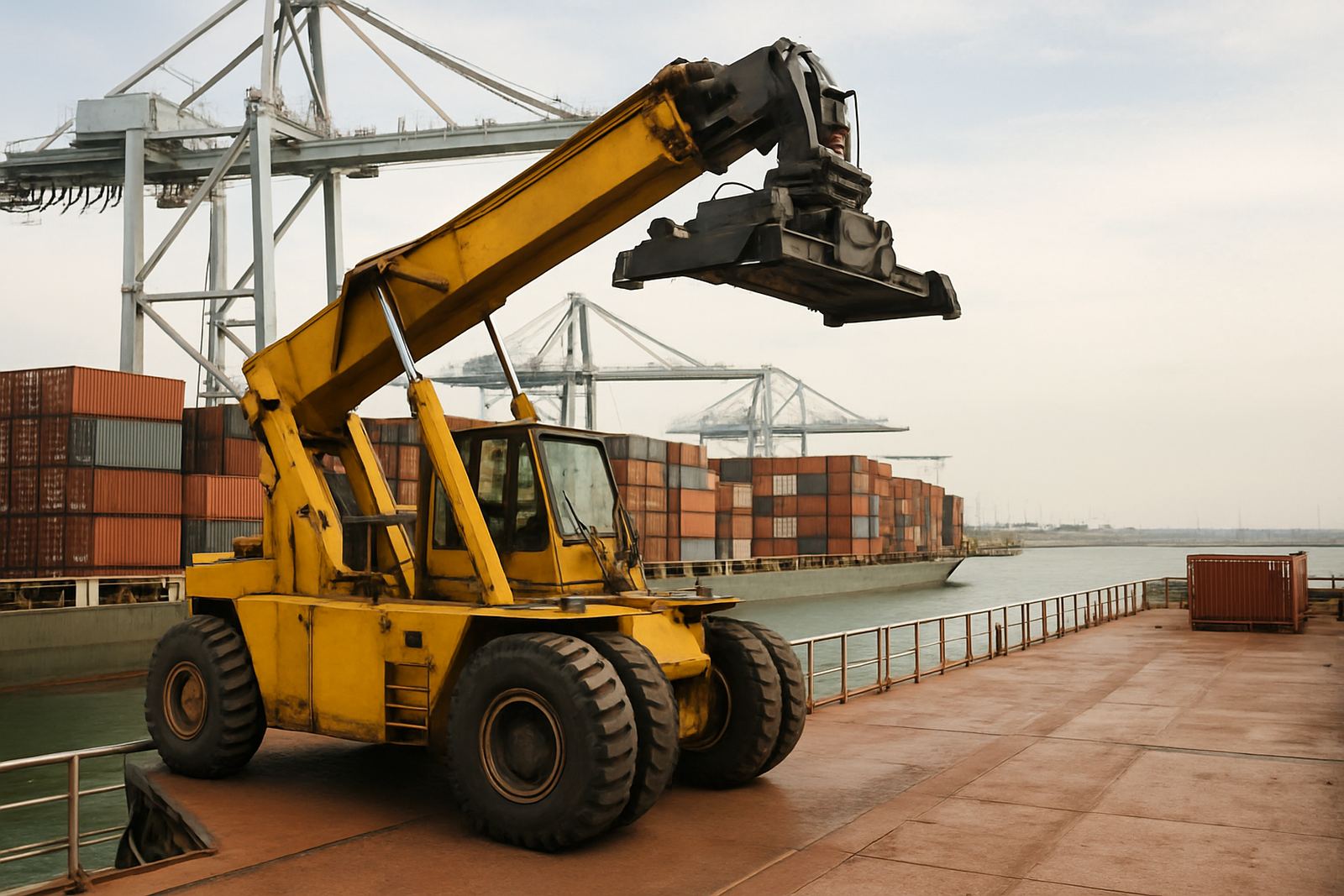
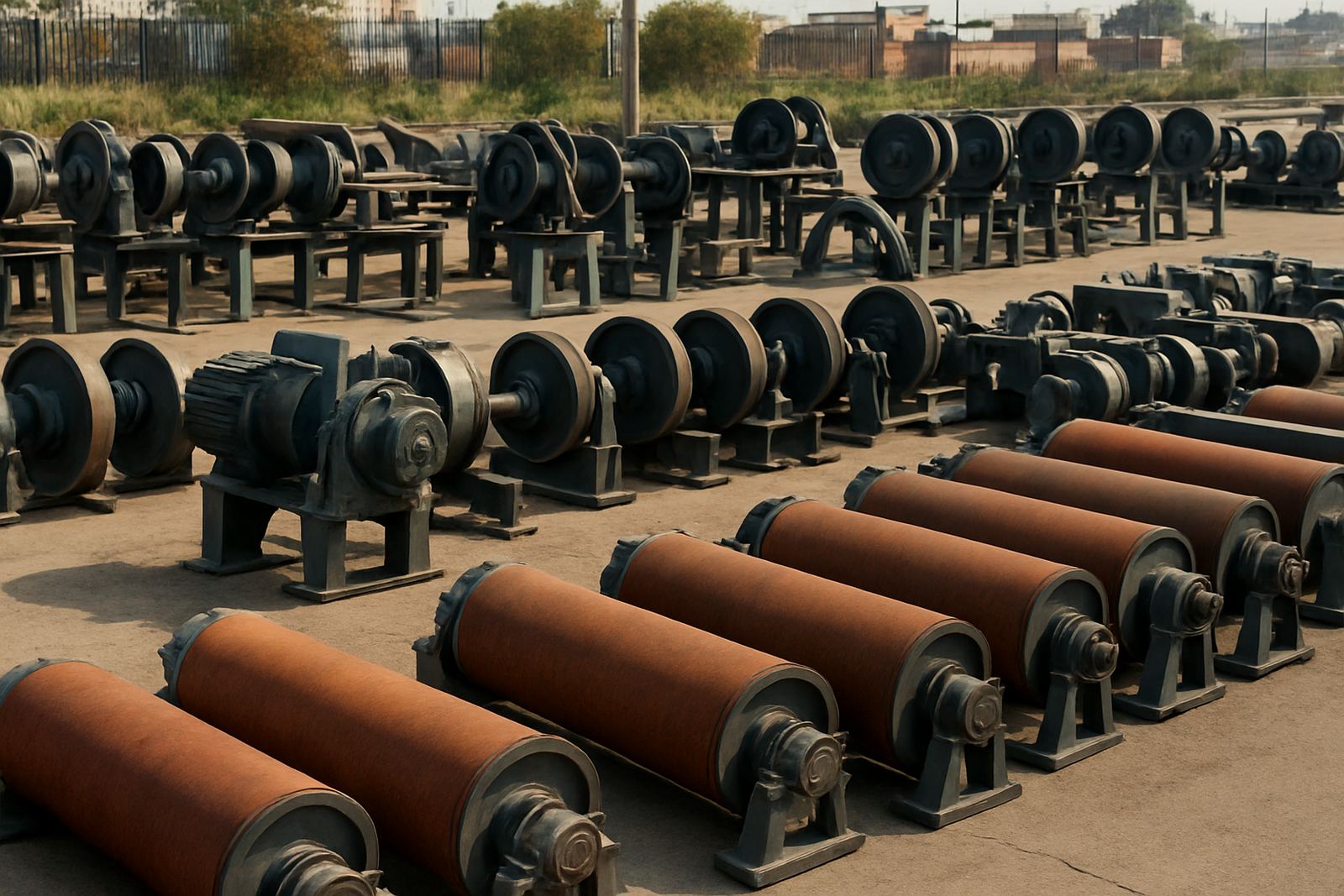
Marine insurance covers loss or damage to cargo while it is being moved, stored in transit, or handled at points along the route. For machinery, that can include items such as presses, generators, pumps, compressors, forklifts, earthmoving parts and complete production lines. It also matters for spares and smaller loads, because one bent shaft or cracked housing can stop a job just as quickly as a full machine failure.
The main idea is simple. If the cargo is exposed to a transport risk, the insurance should help with the financial loss when the unexpected happens. That may be rough handling during loading, water entry in a container, theft from a parked trailer, collision on the N2 or damage while goods are offloaded at site. The policy wording decides what is included, so the detail matters more than the label on the cover.
- Loss in transit from theft or disappearance
- Damage from impact, dropping or poor handling
- Water damage from rain, spray or container leaks
- Transit storage risks at port or bonded premises
Why machinery loads need more than a basic transport mindset
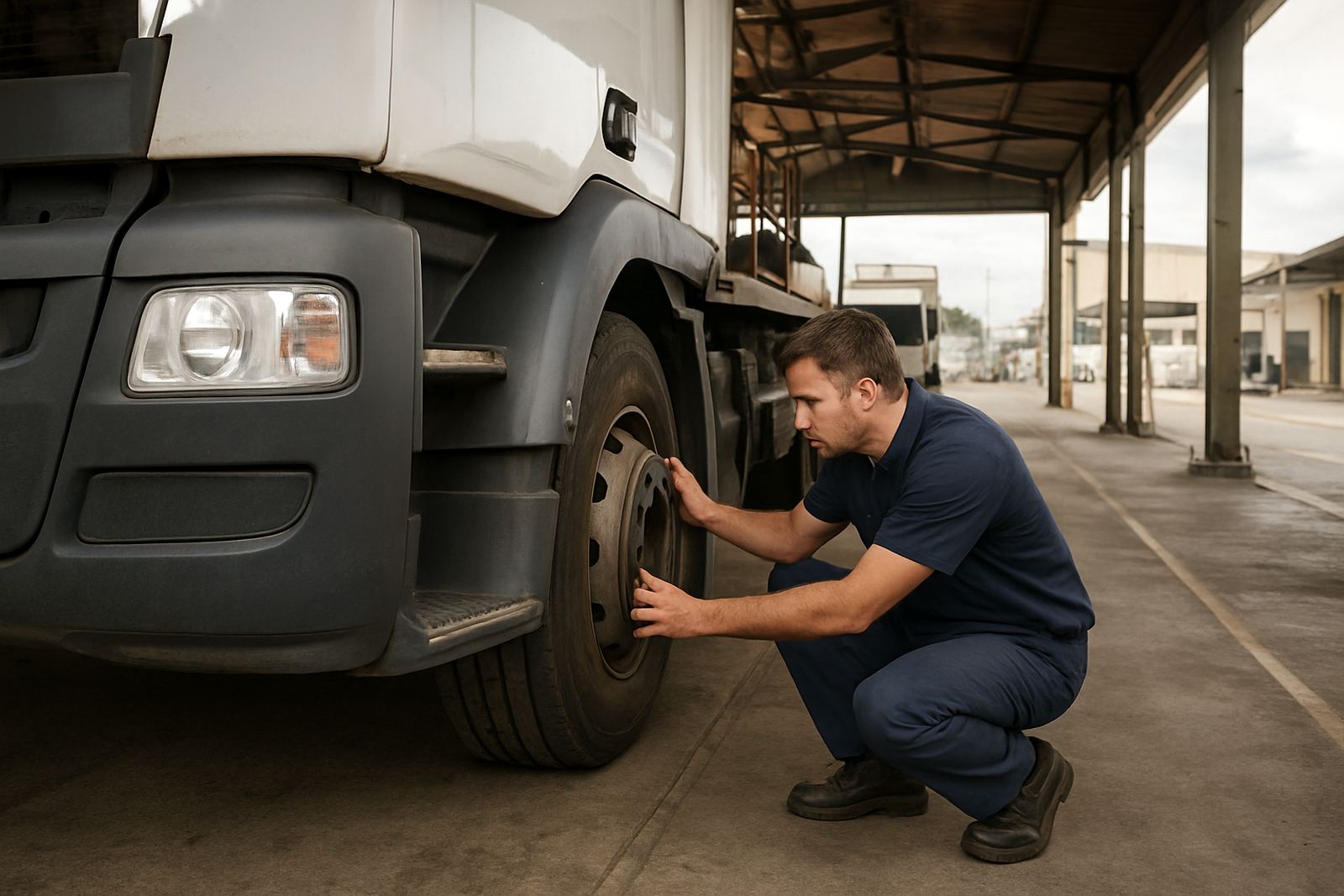
A machinery movement is not the same as ordinary cargo. The item may be top-heavy, oil-bearing, sensitive to vibration, or too large for standard packaging. Some machines travel in crates, some on flat-racks, and some on lowbeds after local collection. Each step adds risk. If the lifting points are wrong or the load shifts in a sudden stop, the damage can be serious and expensive.
In Durban, salt air and summer rain can also create problems during wait time at the port or in storage yards. In Johannesburg, the risk may come from a longer road leg, cross-border delays or overnight storage while waiting for site access. Good cover should match the route, the handling method and the value of the equipment. A low-value item can still cause a big loss if the repair needs specialist parts or machine downtime stretches for days.
It is also worth checking whether the insurer accepts second-hand machinery at the declared value you use for customs and transport. If a machine is under-declared or described badly, a claim can become slow, messy and incomplete.
The main cover choices to ask about before shipment
Not every policy is the same. Before a shipment moves, ask what the cover actually responds to and when it starts and ends. Some policies cover port-to-port only. Others can include warehouse-to-warehouse, inland legs, temporary storage and offloading at the final site.
- All risks cover can offer broader protection for accidental physical loss or damage, subject to exclusions.
- Named perils cover only responds to the risks listed in the wording, so it needs careful checking.
- Single transit cover works for one movement and suits one-off imports or high-value loads.
- Open cover is often used when a business imports regularly and wants repeat shipments covered under one arrangement.
Ask about deductibles, loading limits, country exclusions and whether the policy covers crane lifts, fork truck handling and storage during port congestion. If your cargo spends two days in a bonded store because of customs queries, that time should not sit outside the protection by mistake.
How value, packing and documents affect a claim
Insurance is only as good as the information behind it. The declared value should reflect what the cargo is really worth to the owner, not just a rough guess. For imported machinery, that usually means the invoice value plus freight, packing, insurance and sometimes duties depending on the policy structure. If the value is too low, the payout may not cover the full loss.
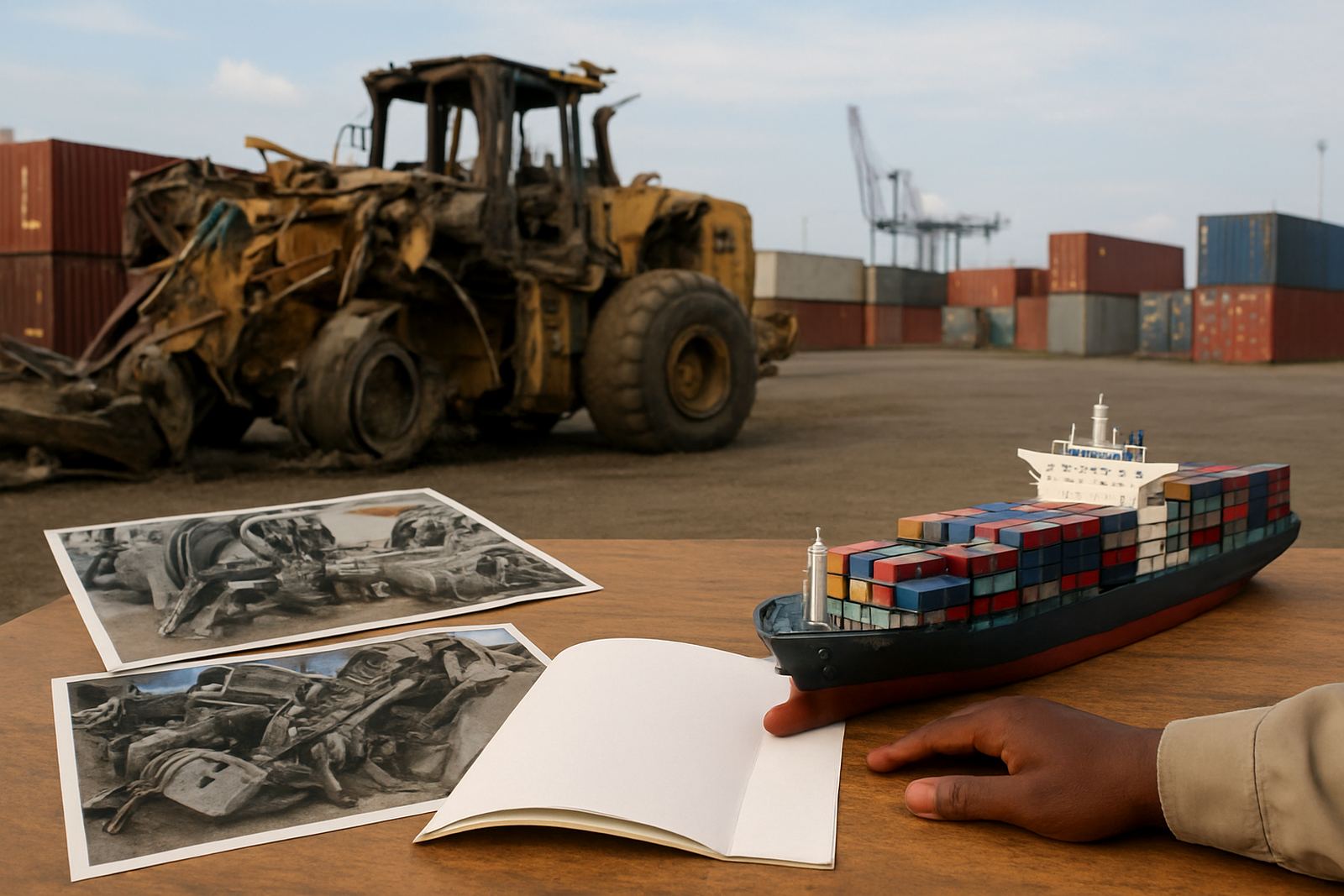
Packing matters too. A machine on a pallet with no edge protection is more exposed than one secured inside a proper crate with moisture control and clear lift points. If a claim happens, the insurer may ask for photos, the packing list, the bill of lading, delivery notes and damage reports. Missing papers can slow things down. In practice, good document control is part of the cover. It is boring work, but it pays when something goes wrong.
- Keep invoices, packing lists and transport papers together
- Photograph cargo before loading and after offloading
- Note visible marks, crush points or wet packaging immediately
- Report damage as soon as it is found, not days later
A Durban harbour corridor example that shows the gap
Say a client imports a used compressor through Durban for a factory in Springfield Park. The unit arrives in a container and is booked for customs clearing, port collection and delivery to site. On the road from the harbour, the truck hits a sudden stop in traffic and the crate shifts. The casing cracks, and oil leaks onto the packing. The machine still looks presentable from the outside, but the repair cost is high because parts must be sourced and fitted by a specialist.
If the cargo was insured correctly, the business has a chance to recover the financial loss. If it was not insured, or the cover did not include loading and inland transport, the owner carries the full hit. That can be painful for a small contractor, and it can be worse for a fleet operator that needs the machine in service the same week. A few hundred Rand saved on poor cover can turn into tens of thousands lost later.
Local conditions matter as well. In Durban, rain, humidity and port delays can affect packaging. In Jet Park or City Deep, long offloading queues and yard handling can add more exposure. The right policy should match the route, the storage points and the final delivery to site.
A practical checklist before you release the cargo
Before a machinery load moves, run through the cover with the same care you would use for the transport plan. Insurance should fit the equipment, the route and the timing. It also helps to speak early with the clearing agent, because policy details sometimes need to align with customs values, incoterms and where the risk transfers.
- Confirm the cargo value and currency used for cover
- Check that inland legs, storage and offloading are included
- Make sure the packing method suits the machine type
- Keep all shipping and clearing documents in one file
- Know who to call the moment damage is seen
For businesses moving equipment through Durban, Johannesburg or Cape Town, the best insurance is the one that fits the route you are actually using. If the wording is clear, the documents are in order and the cargo is handled properly, claims are far less stressful. That is the real value of getting it right before the truck leaves the yard.