
Why conveyor shipments fail at the packing stage
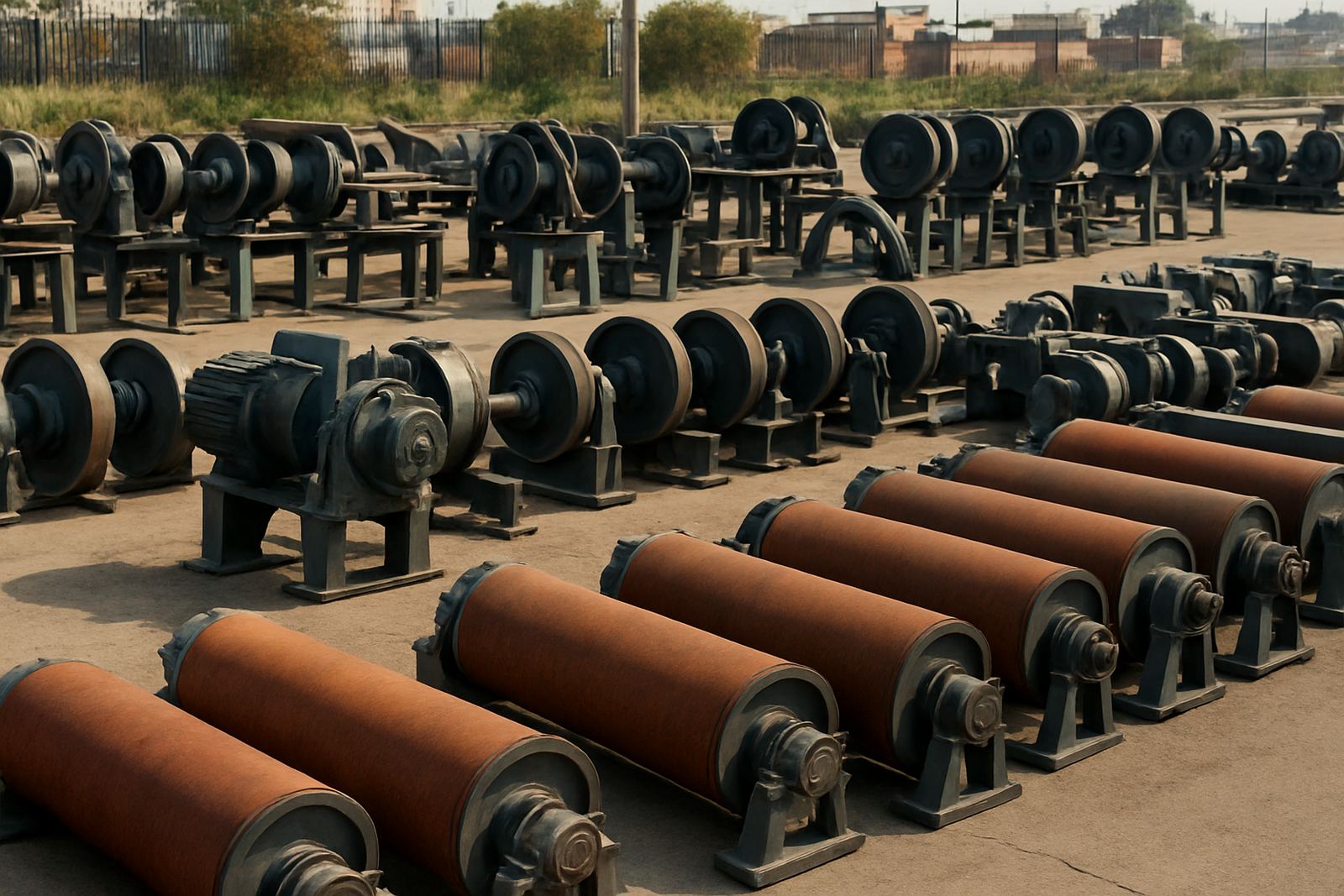
Conveyor systems are rarely a single item. A project may include frames, rollers, drives, motors, sensors, control panels, guards, chutes and small fitting packs. If those pieces are packed into mixed crates without a proper packing list, the team receiving the cargo has to guess which section belongs where and that slows everything down.
For importers into Durban, Johannesburg or Cape Town, the risk is not only about missing parts. It is also about how the cargo is described on the shipping papers. Conveyor lines often arrive in sections of different lengths and weights, and customs clearing needs a clean description that matches the invoice, packing list and transport booking. When the paperwork is mixed up, the shipment can sit at the port while someone tries to sort out the detail.
What a useful packing list should show
A good packing list for conveyor line shipments should read like a site guide, not just a warehouse note. It must show what is in each crate, the count of loose items and the gross and net weights. For conveyor projects, the best lists also note section numbers, if any parts are marked for the infeed, transfer point or discharge end, and whether there are electrical items that need dry handling.
- Crate or pallet number
- Section reference, such as line A, line B or module 3
- Dimensions in metres or millimetres
- Weight per item and total weight
- Whether the load is loose packed, skidded or crated
- Any lifting points or fragile components
- Serial numbers for motors, gear units or control panels
When these details are present, the clearing agent, trucker and receiving team can all work from the same packlist. It makes it easier to plan the offload, arrange forklifts and avoid unnecessary damage during handling.
How ports and inland routes affect conveyor cargo
In the Durban harbour corridor, conveyor cargo often lands under time pressure because project managers want the line at site as soon as possible. The port leg may be followed by inland transport to factories in Springfield Park, Jet Park or City Deep, or direct delivery to a plant near Umbilo, Pinetown or Richards Bay. Each route has different handling needs.
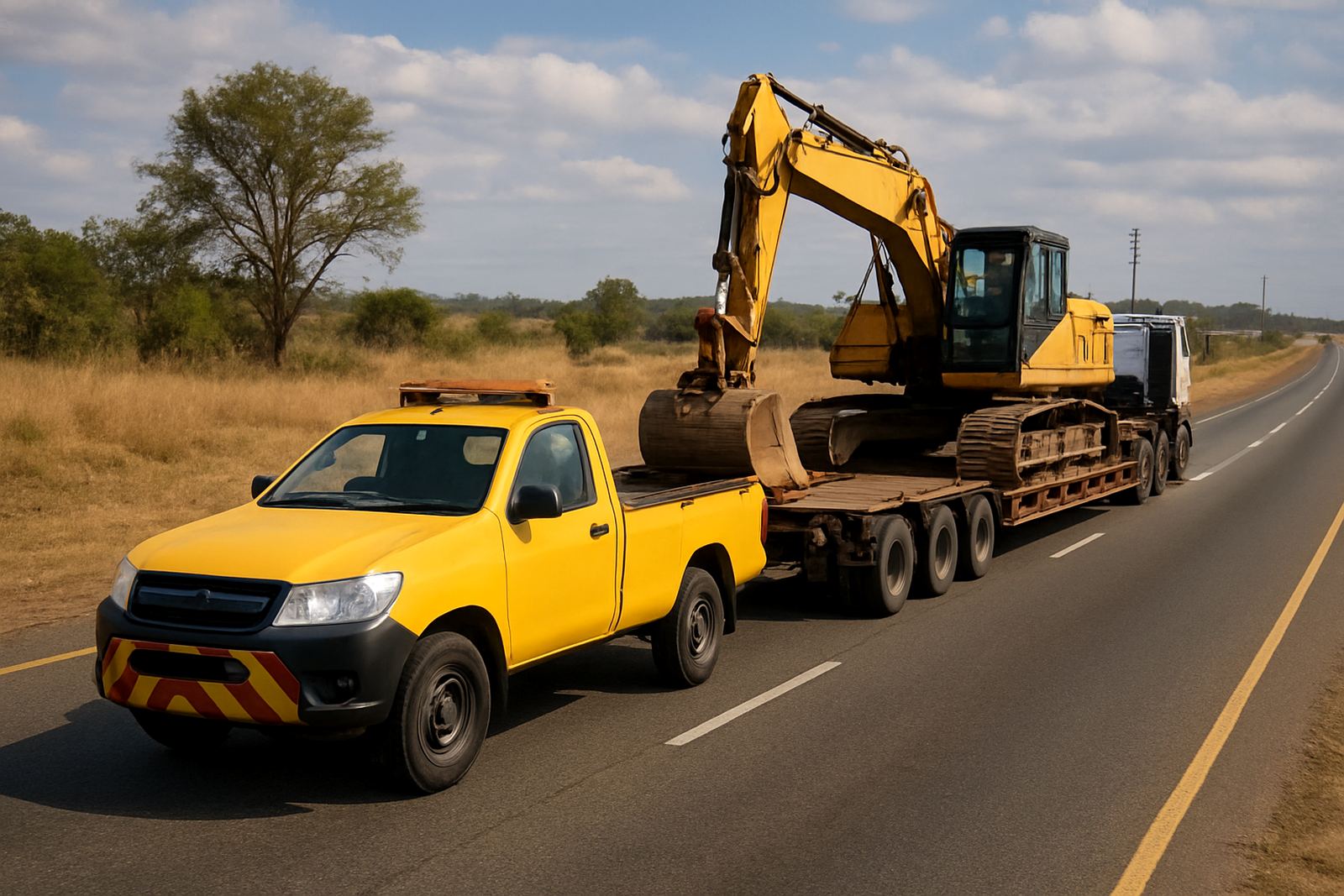
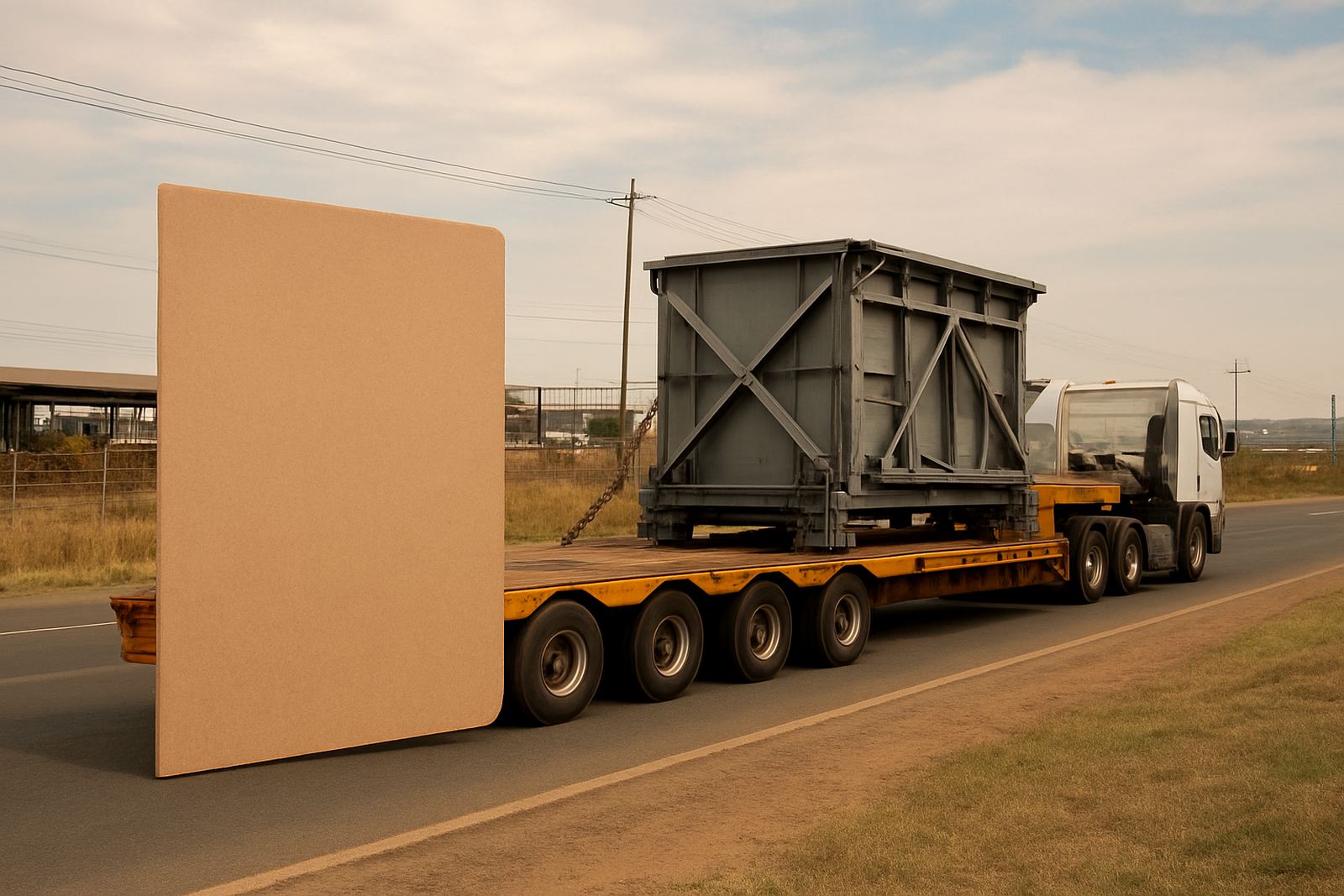
A long conveyor beam that clears easily in Durban may still need route planning for inland transport if the load is over length or over height. On some moves, the issue is not the border or the customs entry, it is the final kilometre to the site gate. Low trees, tight turns, municipal restrictions and load limits can all matter. Careful planning saves money and avoids having a truck arrive only to be turned back at the gate.
For coastal imports, humidity is another issue. Motors, control gear and precision bearings should be protected from salt air and standing water. If a crate sits too long on the quay or in an open yard, rust can start before the line even gets to the factory.
Document control for sectional conveyor systems
Conveyor projects often involve more than one supplier, especially when the structure, mechanical parts and electrical controls come from different places. That is where document management becomes critical. The invoice should line up with the bill of lading, the packing list and the tariff classification. If one document says 18 crates and another says 19, someone has to explain the difference before release.
Trade compliance also matters because some conveyor shipments include parts that can be classified in different ways depending on use. A complete conveyor line may be treated differently from individual components. The tariff code affects duty, VAT and what supporting papers are needed. Getting this right early is better than trying to fix it after the cargo has already reached the harbour.
- Keep one master packing list for the full project
- Mark each crate clearly on two sides
- Match section numbers to the site assembly order
- Keep copies of test certificates if required
- Store all documents in one file for clearing and delivery
Local example from Durban to a Gauteng plant
A food processing plant in KwaZulu-Natal ordered a new conveyor line for packaging and pallet movement. The shipment came in multiple crates through Durban, with some sections for the main line and smaller cartons for sensors and fittings. The packing list was detailed enough to show which frame section linked to each motor bracket and which crate contained the emergency stop units.
Because the cargo was clearly marked, the clearing process moved faster and the inland truck to Gauteng was loaded in the right sequence. The plant manager could check the items against the installation plan before the contractor arrived. If the crates had been mixed, the site team would have spent hours opening boxes and counting pieces instead of starting the fitment work.
That kind of planning is useful whether the delivery is going to an Umbilo workshop, a Jet Park warehouse or a manufacturing line in Cape Town. Conveyor shipments are often time-sensitive and the cost of one missing bracket can be more than the freight difference on the whole job.
How Machines Africa Hub handles conveyor line movements
Machines Africa Hub manages the import planning, shipping coordination, customs clearing and inland transport needed for conveyor line shipments. Based in Umbilo, Durban, with clearing support in Johannesburg and Cape Town, the team works on project cargo that needs careful paperwork and practical handling from port to site. Sibusiso Ntuli and the team, including Retief Labuschagne on clearing and Fatima Cassim on trade compliance, keep the shipment aligned with the documents so the cargo can move without avoidable holds.
For conveyor projects, the real work starts before the vessel arrives. The cargo needs a checked packing list, the route needs to be suitable for the final delivery point and the receiving team needs to know what is coming off the truck first. When a shipment includes bonded storage, site offloading or cargo insurance, those steps are arranged to suit the load and the timeline. That way the importer can focus on the line installation, not the paper trail.
Before you book the next conveyor shipment
Before the next conveyor line leaves the supplier, ask for a packing list that can be used by the clearing agent and the installer. Make sure each crate has a clear mark, each section has a reference, and each document shows the same counts and dimensions. If the line is split between Durban and another inland point, plan the delivery sequence before the cargo lands.
- Confirm the full section list before shipment
- Check that fragile items are packed dry and secure
- Match crate numbers to the assembly order
- Plan port collection and inland transport together
- Keep one contact person for clearing and delivery updates
With conveyor shipments, careful paperwork is not admin for the sake of admin. It is what lets the line arrive in the right pieces, on the right truck and in the right order for installation.