Why oversize permits start with accurate measurements
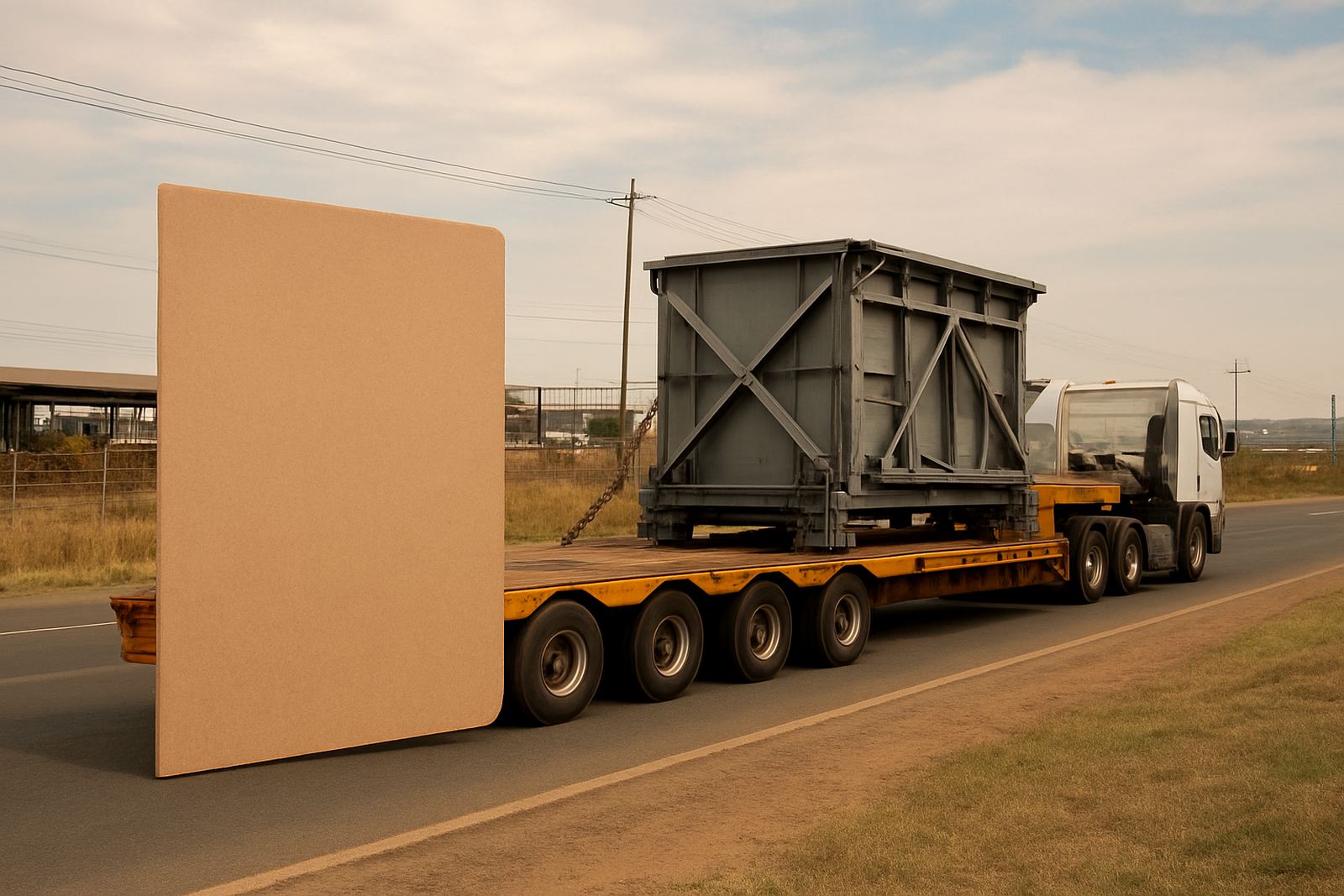
Before any permit is lodged, the load must be measured properly on the trailer or lowbed, not from a drawing or a rough guess. Length, width, height and mass all matter, and so do axle loads, overhangs and the actual turning circle. A machine that looks manageable on paper can become a problem once it is chained down and the deck height changes the final overall height.
For work moving through the Durban harbour corridor, this is where many applications lose time. Road conditions, bridge clearances, overhead cables and interchange geometry all need to be checked against the real dimensions. If the cargo is 3,2 metres wide but the application says 3,0 metres, the route study may be rejected or pushed back for correction. That means more calls, more paperwork and a later slot for collection.
- Measure the load after loading, not before.
- Include the trailer, spreader beams and any attachments.
- Record both metre and millimetre detail where possible.
Timing matters more than most exporters expect
Permit authorities want a movement plan that makes sense in real traffic conditions. A route that looks fine at 10:00 can be unworkable at 16:30 when commuter traffic, taxi activity and port congestion are at their worst. Oversize loads often need off-peak travel windows, escort coordination and enough time for slow sections through towns, toll points and urban interchanges.
In practice, this means building the trip around realistic speed limits and road use rules. A machine leaving Durban for Jet Park may not travel the same way as a general freight truck, and it certainly wont keep a normal line-haul schedule. If the route includes inland collection from City Deep or onward delivery to Paarden Eiland, the permit timing has to suit both the port and the receiving site. Leave breathing room for inspections, weighbridge checks and weather delays, especially during coastal rain and strong winds.
- Avoid peak traffic in Durban, Johannesburg and Cape Town wherever possible.
- Plan for overnight parking if the route cannot be completed in one run.
- Allow extra time for escorts, loading delays and weekend restrictions.
What permit officers and route planners usually look for
Permit teams are checking risk. They want to know that the load can move without damaging infrastructure, blocking intersections or creating a danger for other road users. If the application is complete, with the right route and the right escort detail, the process is far easier to manage. Missing documents, vague origin points or an unclear delivery site usually lead to queries.
For oversize machinery, the usual file should include the cargo description, registration details for the truck and trailer, weight ticket if available, loading point, delivery point and the proposed travel dates. If the load is headed from Springfield Park to an industrial site in Umbilo, or from Durban harbour to a client in Cape Town, the route must be stated clearly, not loosely. The more exact the movement plan, the easier it is to keep everyone aligned.
- Consistent dimensions across invoice, packing list and permit form.
- Clear contact details for driver, controller and receiving site.
- Route notes for narrow streets, low bridges and restricted turns.
Local route risks from Durban harbour to the inland cities
Durban remains a key gateway, but the harbour corridor brings its own issues. Port gate delays, peak-hour congestion on the approaches and tight industrial roads around Umbilo and Springfield Park can all affect a permit plan. Once the load heads inland, route choices around City Deep and Jet Park need careful handling because of heavy truck volumes and day-time traffic pressure. For Cape Town movements, Paarden Eiland and surrounding municipal roads can require special attention if the cargo is wide or high.
A practical example is a press machine arriving at Durban harbour for a manufacturing plant in Gauteng. If the cargo measures 4,1 metres high on the deck and the route crosses a low structure near an interchange, the team may need a different corridor or a night movement window. If that is only discovered after the truck is loaded, the delay is costly. The permit work should happen before the vessel arrives, so the collection slot and inland carrier are ready to move when cargo is released.
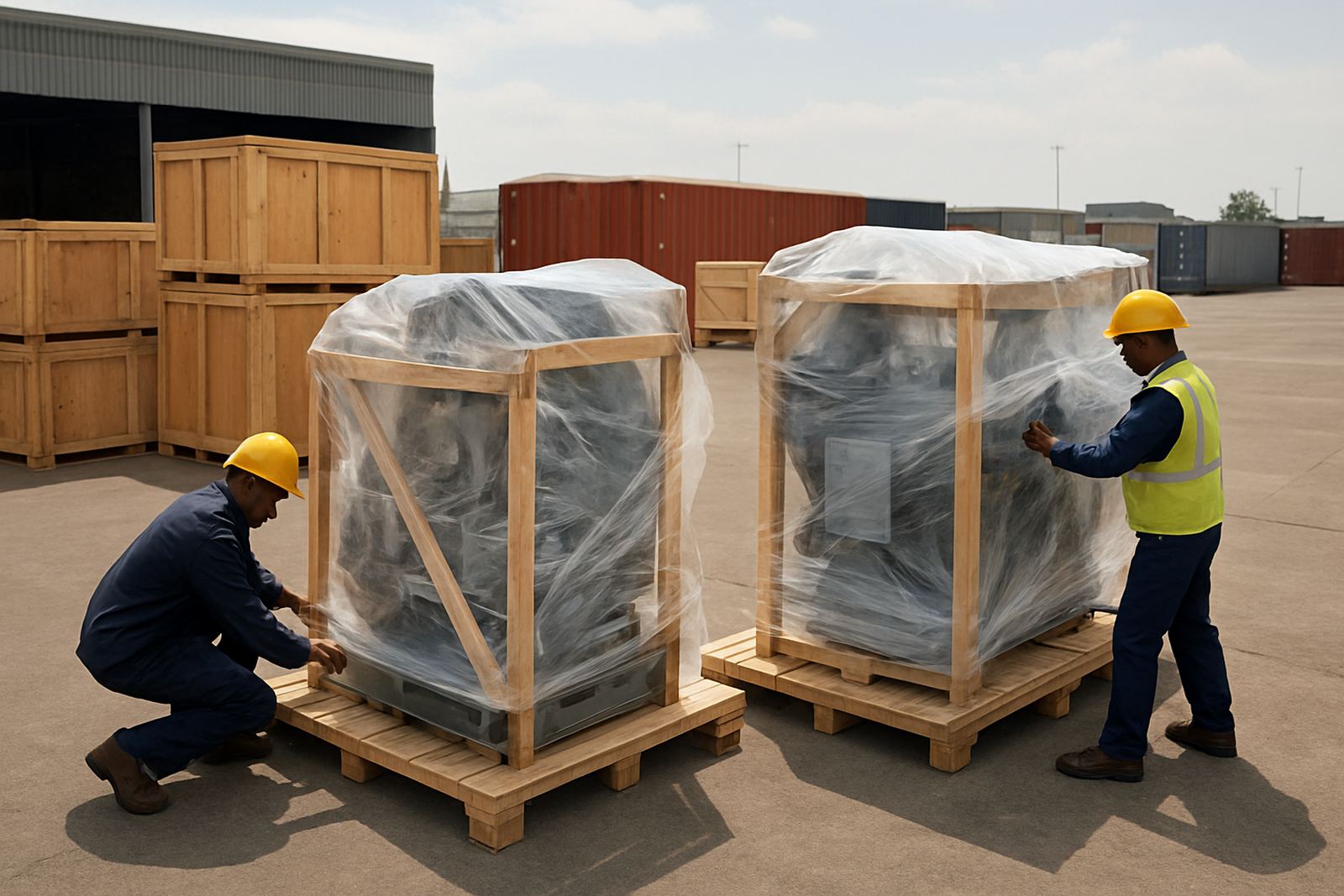
Coastal humidity also matters for machinery sitting in storage before dispatch. Corrosion can start quickly, so bonded storage and prompt site offloading help reduce risk while the permit process runs. In summer, load-shedding can affect warehouse lighting and handling schedules too, which means the storage and transport plan has to stay flexible.
Paperwork that keeps oversize moves from stalling
Good paperwork is not admin for the sake of admin. It is what keeps a permit from getting stuck between customs, transport and the receiving site. When a machine is imported, every document should describe the same cargo in the same way. Small differences in serial numbers, dimensions or site names can trigger questions and slow down clearing.
At Machines Africa Hub, the aim is to keep the file clean from shipping coordination through customs clearing and port collection. That includes tariff classification where needed, document management, and a route plan that matches the physical cargo. If the application is for a fleet workshop in Durban or a fabrication yard in Cape Town, the delivery address must be complete and usable for the final offload. A vague industrial area name is not enough.
- Commercial invoice and packing list.
- Transport documents with matching cargo details.
- Site contact name, access times and offloading requirements.
- Any special instructions for escorts, cranes or forklifts.
How to reduce delays before the truck even leaves the yard
The fastest oversize permit is usually the one that was prepared properly the first time. Start with real dimensions, then check the route against the load rather than trying to fit the load into a standard road plan. If the machine needs bonded storage, site offloading or an inland transfer after port release, the timing has to be lined up in advance. That avoids long idle periods where the truck and driver are waiting while someone still fixes paperwork.
For businesses moving machinery across South Africa, a simple checklist can save days. Confirm the cargo size, check access at both ends, and make sure the permit request reflects the actual movement date, not an ideal one. If the load is going from Durban to Johannesburg, or from Jet Park back to the harbour corridor for export, the schedule must account for traffic, permit approval time and any municipal restrictions at the receiving site. That kind of planning is often the difference between one clean movement and a week of hold-ups.
When the details are right, oversize permits become a controlled process instead of a scramble. It is practical work, but it pays to be exact.