Why serial numbers matter from port to workshop
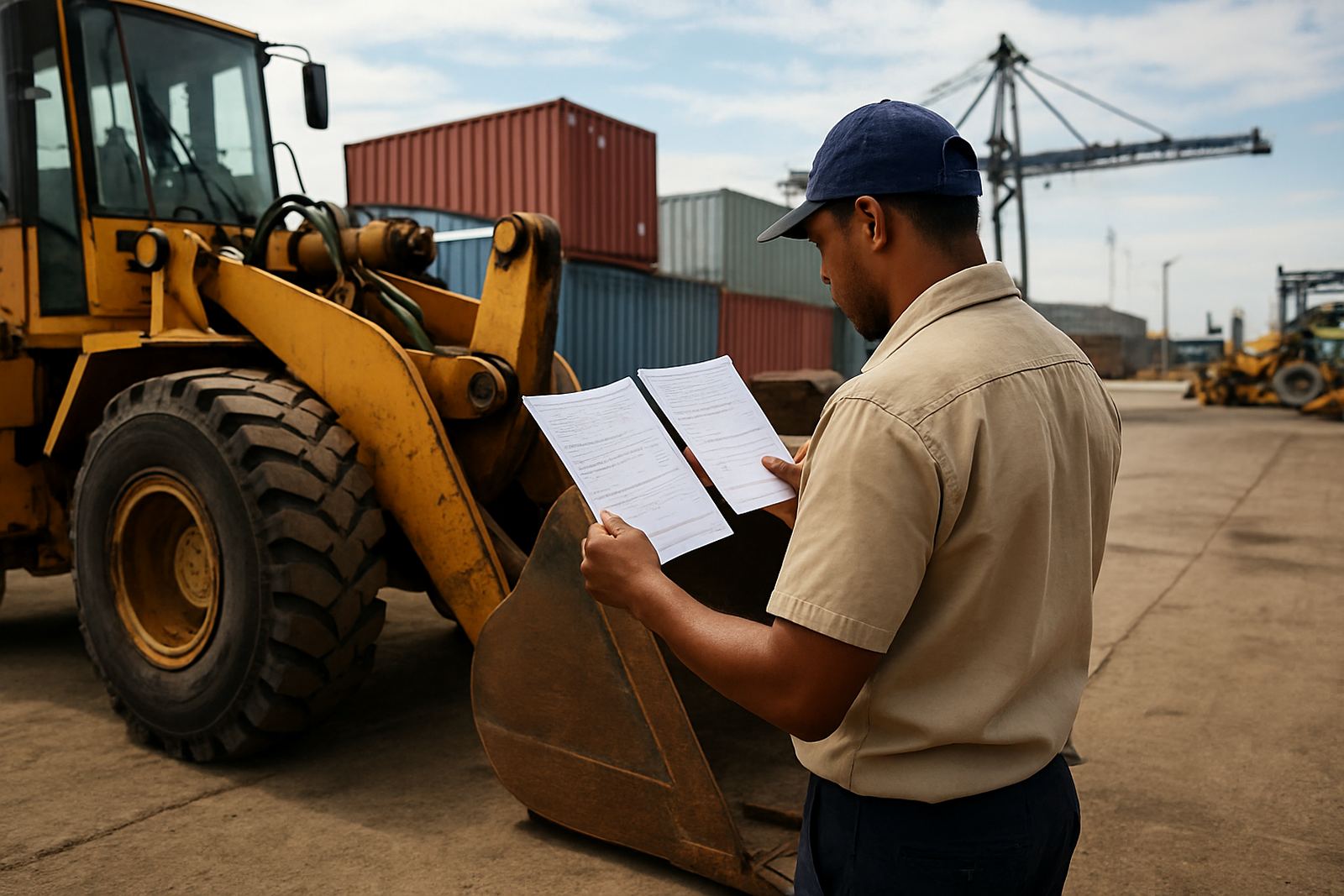
In machinery work, the serial number is the point where paperwork and the physical machine meet. If the number on the invoice does not match the plate on the unit, delays start quickly at the harbour, at the depot, or when a claim is lodged after damage in transit.
For importers moving plant through Durban, Johannesburg or Cape Town, serial control helps prove exactly what entered the country, what was cleared and where it is now. It is also useful for machines that are split across sites, such as one unit working in Jet Park while its sister machine is kept in Springfield Park for standby. Without a clean record, a simple transfer can turn into a long search through messages and photos.
At Machines Africa Hub, serial recording sits alongside import planning, customs clearing and document management because one weak link can affect the whole chain. That includes port collection, inland transport, bonded storage and site offloading.
What should be recorded for each machine
A proper serial record should identify the machine clearly enough that a customs officer, insurer or workshop manager can match it without guesswork. The more complete the entry, the easier it is to move the machine later or support a claim if something goes wrong.
- Serial number exactly as stamped on the machine plate
- Model description, type and capacity
- Engine number, if relevant to the asset
- Year of manufacture and country of origin
- Invoice number, packing list and bill of lading reference
- Container number, seal number and port of entry
- Site location, fleet number and internal asset tag
- Condition notes, photos and date received
Where a machine has an attachment, motor or control unit, keep those numbers too. It is common for an insurer or workshop to ask which part was damaged and the answer is much easier when each component has its own record. Even a small typo in the serial can slow things down when the container is already on the truck and waiting for release.
The customs side: why accuracy saves time and money
Serial numbers support tariff classification, customs declarations and proof of value. When the description and number line up across all documents, the clearing process is cleaner and the risk of queries is lower. If the numbers do not match, the shipment can be held while the paperwork is corrected, which is never welcome when demurrage and storage charges are running.
For used machinery, the serial number can also help verify that the unit declared is the unit arriving. This is especially important for mixed cargo or repeat imports from the same supplier. A business bringing in forklifts, generators or workshop equipment into Durban harbour needs that chain of proof from the start not after the vessel has berthed.
In practical terms, a good serial record helps with:
- Matching the cargo to the clearance file
- Supporting tariff classification decisions
- Proving ownership during inspection or audit
- Reducing disputes over substituted or incomplete shipments
Insurance and claims: the record that proves what was lost
Insurance cover is only as useful as the paperwork behind it. If a machine is stolen from a yard in Umbilo, damaged during site offloading in Paarden Eiland, or affected by moisture in coastal storage, the insurer will ask for clear identification. The serial number links the claim to a specific item, not just a general category.
For flood, fire or transit claims, keep the serial record with dated photos, loading notes and the original invoice. If the machine was underbonded or stored in a shared facility, the insurer may also want evidence of where it was kept and who had control of it. This is where clear record keeping pays off because it reduces back and forth when the matter is already stressful.
We often see businesses insure the shipment but forget to keep a live asset list after delivery. That becomes a problem months later when a machine is moved to a different branch or loaned to a contractor. A simple update after every transfer keeps the trail intact.
Workshop control and fleet management need the same discipline
Serial control is not only for imports. In fleet management and workshop operations, the serial number helps track service intervals, replacement parts and warranty history. A machine that works in a dusty site near City Deep will not have the same maintenance record as one operating indoors in a clean warehouse.
Use the serial number to link each machine to its service book, repair notes and parts list. That makes it easier to see which unit has repeated faults, which one is due for inspection and which one should be retired. It also helps when a technician says, for example, that a pump was replaced on one machine but not the other, which can save time on call outs.
- Attach service dates to the serial record
- Record hours run or kilometres where relevant
- Log breakdowns, repairs and parts fitted
- Note which site or driver had the machine at the time
For operations in Durban, Johannesburg and Cape Town, one central register works better than separate spreadsheets in each branch. It gives management a clear view of the full asset base, even when load-shedding disrupts daily routines and machines are shifted around to keep work moving.
A Durban example: one machine, three documents, one clear trail
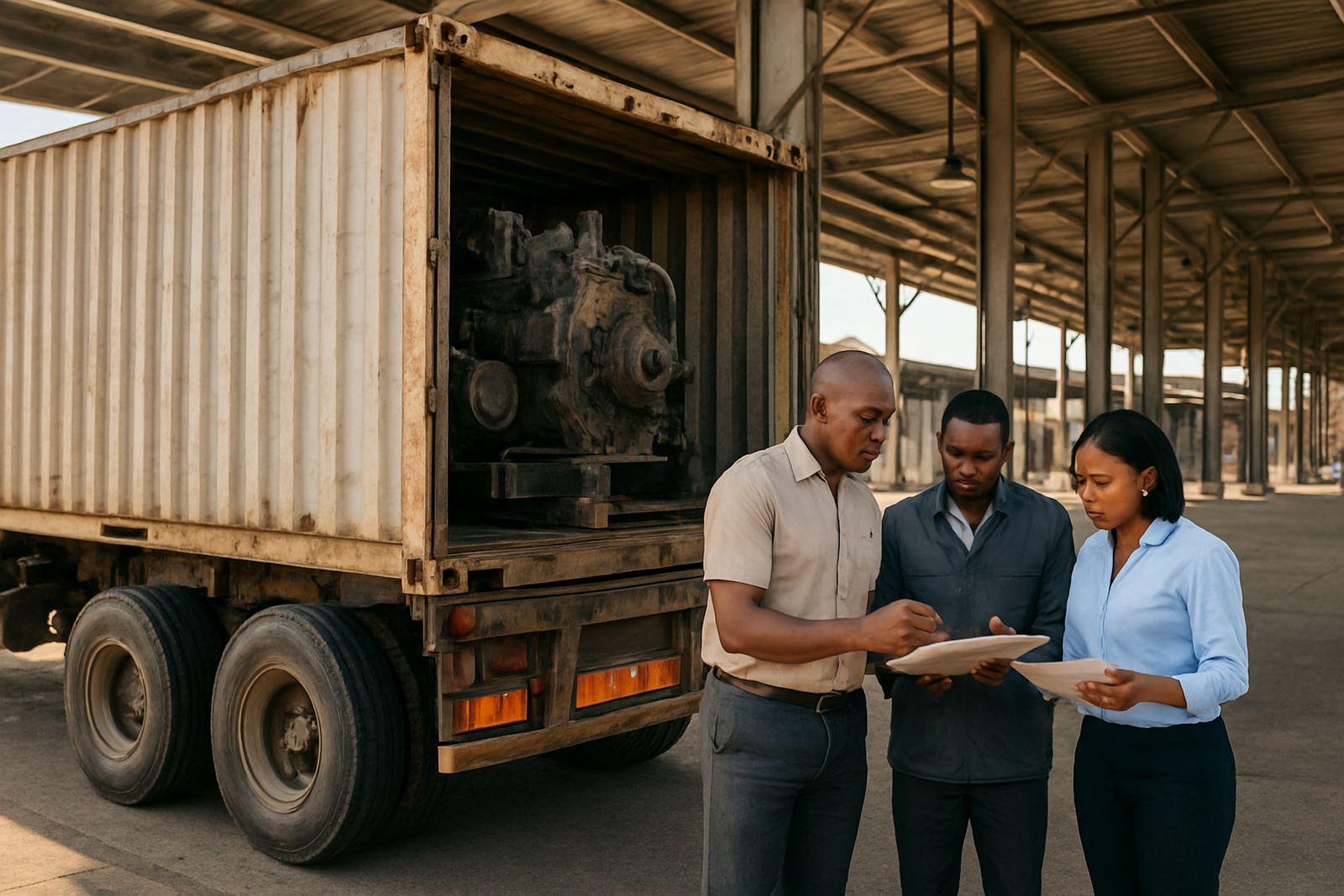
Take a coastal logistics company bringing in a used reach stacker through Durban harbour for work between Umbilo and Springfield Park. The container arrives during a wet spell, the road is busy and the team wants the machine released fast. The customs entry, invoice and serial plate all have to match before the unit is cleared for port collection.
If the company has already logged the serial number, taken a photo of the plate and filed the purchase documents, the clearing lead can check the details before the vessel lands. After release, the same serial is used for inland transport notes, offloading records and insurance cover at the receiving yard. Months later, if a hydraulic issue comes up, the workshop can trace the machine back to its import file in minutes.
That is the point of serial control. It is not admin for the sake of it, it is the thread that holds customs, insurance and workshop history together.
A practical routine for keeping serial records in order
Good serial control does not need fancy systems. It needs discipline, clear responsibility and updates at every handover. One person should own the record, even if several departments use it. In smaller firms that may be the operations manager, while larger fleets may split the task between clearing, stores and maintenance.
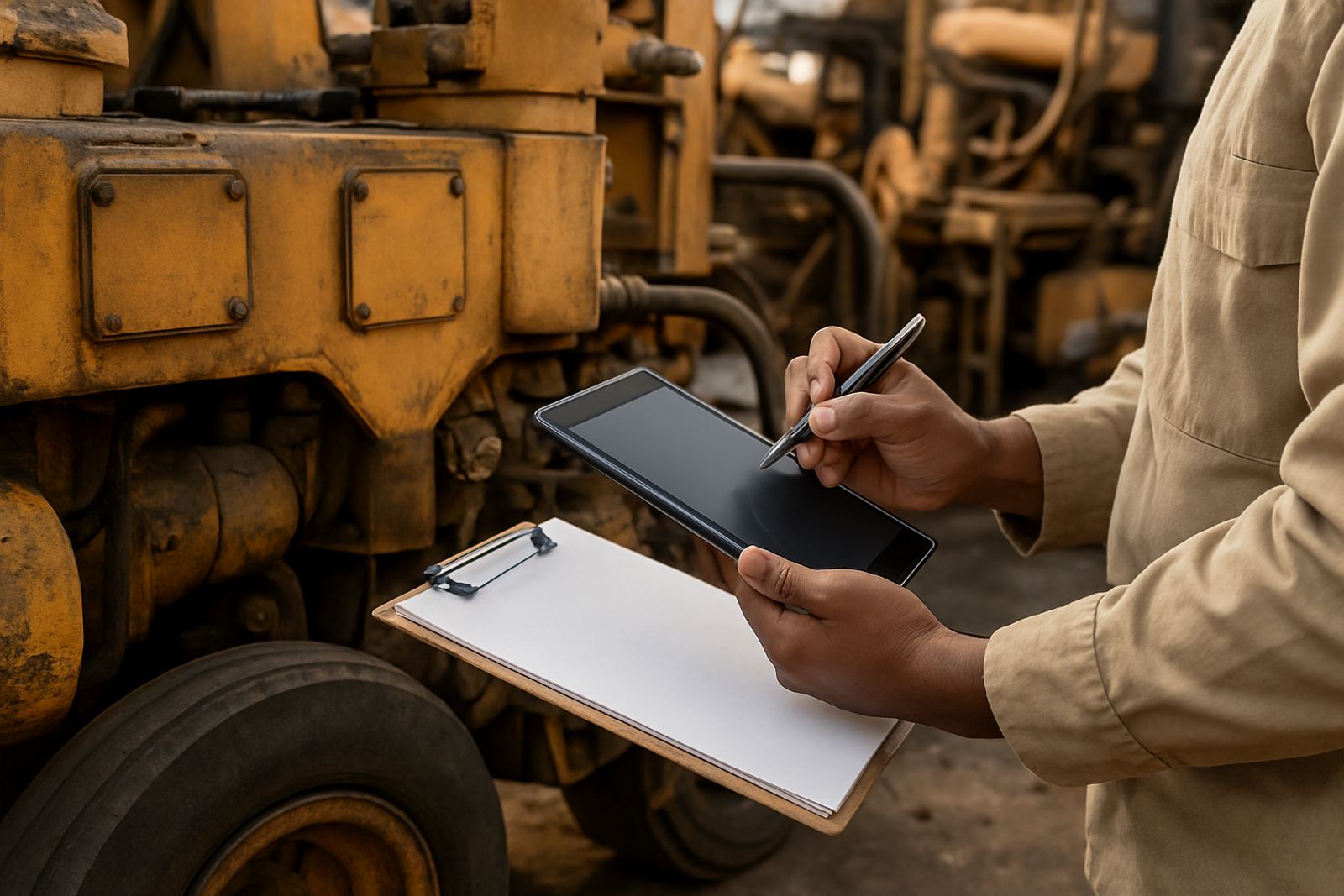
Use one master register for all machines and update it whenever anything changes. Check the plate before payment, before shipping, on arrival and before issue to site. Keep copies of the invoice, packing list, clearance documents and photos in the same file. If the unit moves between Durban, Jet Park or Paarden Eiland, log the date, truck details and new location.
When the paperwork is right, machines move faster and there is less arguing later about who had what. That is plain business sense and it saves money.