

Why customs stops happen before the cargo even moves
A customs stop usually starts long before the container reaches the quay crane or the border gate. The most common trigger is a mismatch between the goods, the invoice and the declaration. If the description is vague, the values do not make sense, or the tariff code is wrong, the shipment is flagged for review.
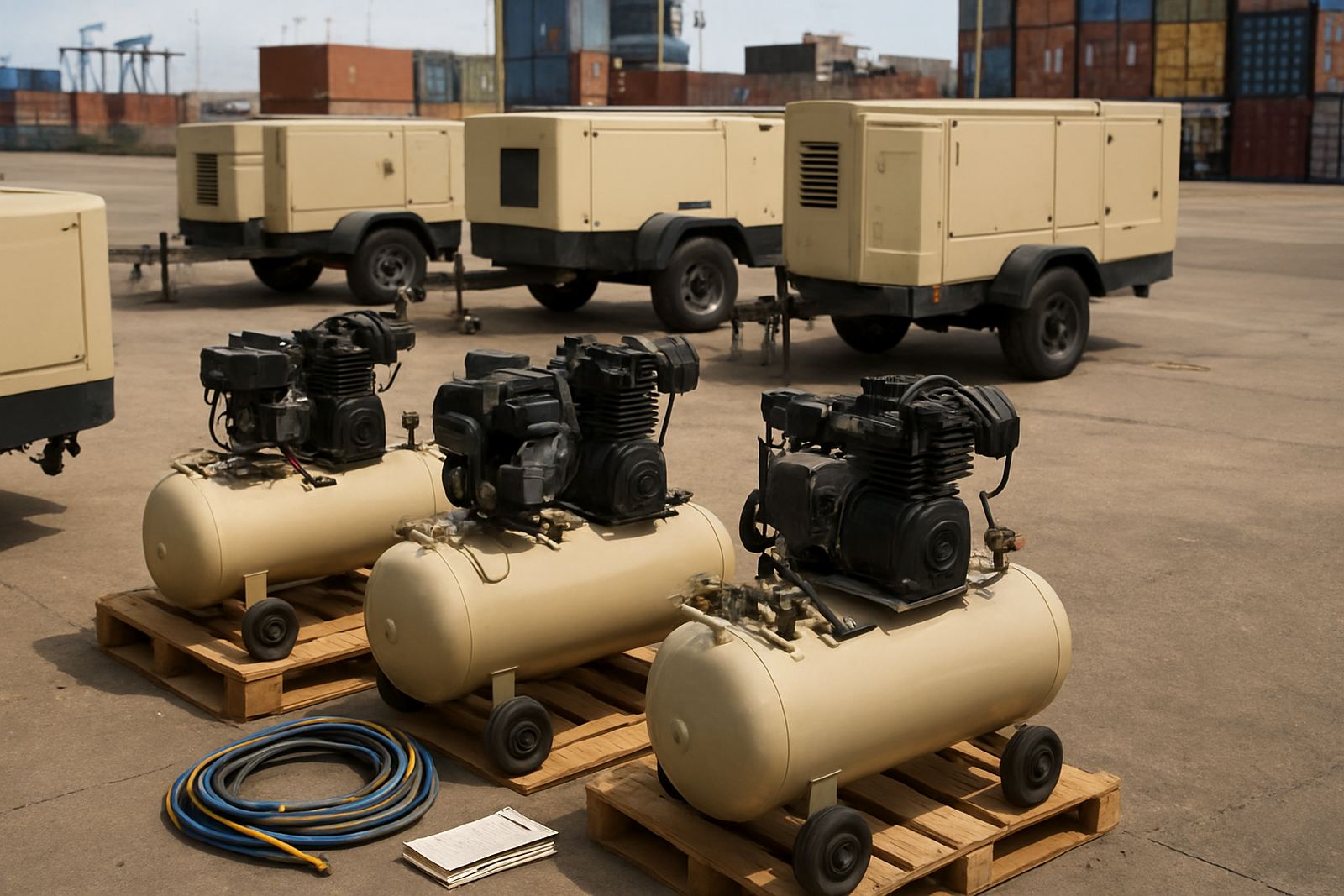
At the Durban harbour corridor we see this often with machinery, fleet spares and automotive equipment. A box that is described as parts may contain a complete assembly, while a second-hand unit may need extra paperwork for condition, serial numbers and origin. Customs wants a clean paper trail that matches the cargo exactly.
Importers can reduce disruption by checking the basics early: supplier invoice, packing list, bill of lading or airway bill, import permits if needed, and the correct tariff classification. If there is any doubt on duty rate or vat treatment, get it settled before the vessel arrives. Waiting until the cargo is on the ground in Durban often means fees start running while people are still looking for documents.
The paperwork gaps that trigger delays most often
Missing or inconsistent documents are one of the fastest ways to get stopped. A customs officer does not have to guess what the cargo is. If the invoice says one thing and the packing list says another, the file can be held for inspection or query. That applies to containerised cargo, break-bulk and road freight coming through the inland depots too.
Common problem areas include:
- Supplier invoice with no model numbers, serial numbers or unit counts
- Packing list that does not match the physical load
- Values that look too low for the goods being imported
- Missing origin details on machinery or vehicle-related items
- Incorrect importer details or tax numbers on the declaration
- Permit or certificate not attached where the item is controlled
One missing line item can hold up the full consignment, even if the rest of the file is in order. For time-sensitive cargo, especially plant spares and fleet equipment, that can mean lost shifts and a site sitting idle.
Tariff classification is where many stops begin
Tariff classification is not just an admin box to tick. It decides the duty rate, whether extra documents are needed, and whether customs wants a closer look. Machinery and automotive cargo are especially sensitive because similar items can fall into very different codes depending on how they are built and used.
For example, a hydraulic unit, a complete engine-driven machine and a spare gearbox part may all look related, but they are not treated the same. If the code is chosen only from a catalogue title, the declaration may be wrong. That can lead to a query, an amendment, or in some cases a formal stop until the importer supplies more detail.
Good classification needs clear information: technical description, power source, intended use, whether the item is new or used, and any manuals or photos that help identify it. In our work through Springfield Park, Jet Park and City Deep, we see fewer delays when the file is built properly the first time and not patched up after the shipment has already landed.
Inspections, scans and physical checks at Durban and inland depots
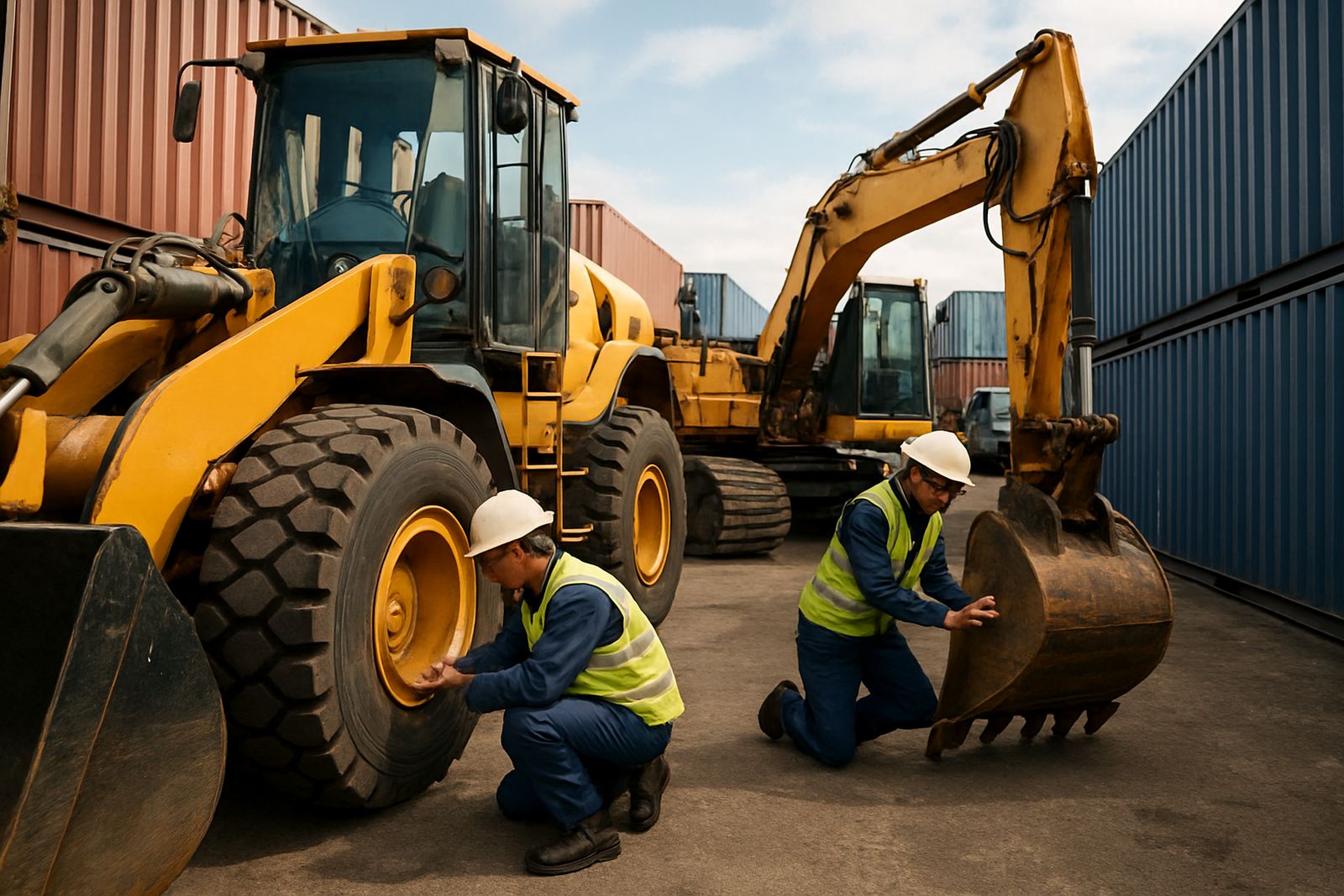
Some stops are not caused by bad paperwork at all. Customs and other border authorities may select cargo for scanning or physical inspection based on risk, route, commodity or random selection. Durban harbour has a constant flow of mixed cargo, so machinery containers and vehicle-related loads can be pulled for checks even when the documents are in order.
These inspections often take longer when the cargo is packed tightly, poorly labelled or loaded in a way that makes access difficult. A container that needs to be unpacked on a busy day can sit while equipment and labour are arranged. If the goods must be moved to bonded storage first, that adds another step and another cost.
To keep the process moving:
- Label pallets, crates and loose items clearly
- Keep serial numbers and machine IDs easy to find
- Load containers so key items are accessible
- Share photos of the cargo before arrival when possible
- Have someone available to answer queries quickly
In summer, coastal humidity can also affect packaging and paperwork if the cargo is left exposed during handling. A damp document pouch or rusty fastener is enough to slow down a check while everyone waits for the next step.
How local operating conditions add pressure to a customs stop
In South Africa, a customs stop is rarely just a customs issue. Load-shedding, traffic on the N3, port congestion and municipal access rules can turn a small delay into a much bigger one. If the release is granted after hours, but the truck cannot enter the area or the site is not ready, the cargo simply waits and charges continue.
That is why planning for collection and delivery matters as much as the clearing itself. If a machine is going to a workshop in Umbilo, a distribution yard in Paarden Eiland or a fleet depot in City Deep, the vehicle, offloading gear and site contact should already be lined up. A missed call or a closed gate can cost half a day.
Our advice is simple: do not let customs clearance operate in isolation. Shipping, clearing, inland transport and offloading should all be part of the same plan. When those pieces are connected, the chance of a shipment getting stuck drops sharply.
A Durban example: a stopped delivery that could have been avoided
A client bringing in used workshop machinery through Durban harbour had supplied a short invoice, no serial numbers and only a general description of the equipment. The cargo was selected for verification and the file was queried because the declared value did not match the item condition. By the time the correct supporting documents arrived, the container had already spent extra time in the stack.
What caused the delay was not a complicated ruling. It was simply a weak file. The importer had the right cargo, but not enough detail to prove it quickly. Once the details were corrected, the shipment cleared, but the extra storage and coordination cost more than the original compliance work would have cost upfront.
The lesson for importers in Durban and the inland corridors is clear: a good paper trail is cheaper than an urgent rescue. If the cargo is high value or tied to production, treat the document pack as part of the freight cost, not an afterthought.
What importers should do before the cargo lands
The best way to reduce customs stops is to prepare before the vessel or truck is on the move. That means checking the commercial documents, confirming the tariff code, and making sure the logistics plan can handle a delay if one happens. A day of planning can save several days of sitting on storage charges.
We recommend this basic checklist:
- Confirm the exact cargo description with the supplier
- Match the invoice, packing list and transport documents
- Check whether permits, licences or certificates are required
- Verify the duty and vat treatment before shipment
- Plan collection, bonded storage and site offloading in advance
- Keep one person responsible for fast document responses
Machines Africa Hub works across Durban, Johannesburg and Cape Town to keep these moving parts aligned. When the documents, shipping, clearing and inland transport are handled together, the shipment is far less likely to sit waiting for someone else to fix a problem.