Why compressor type changes the import plan
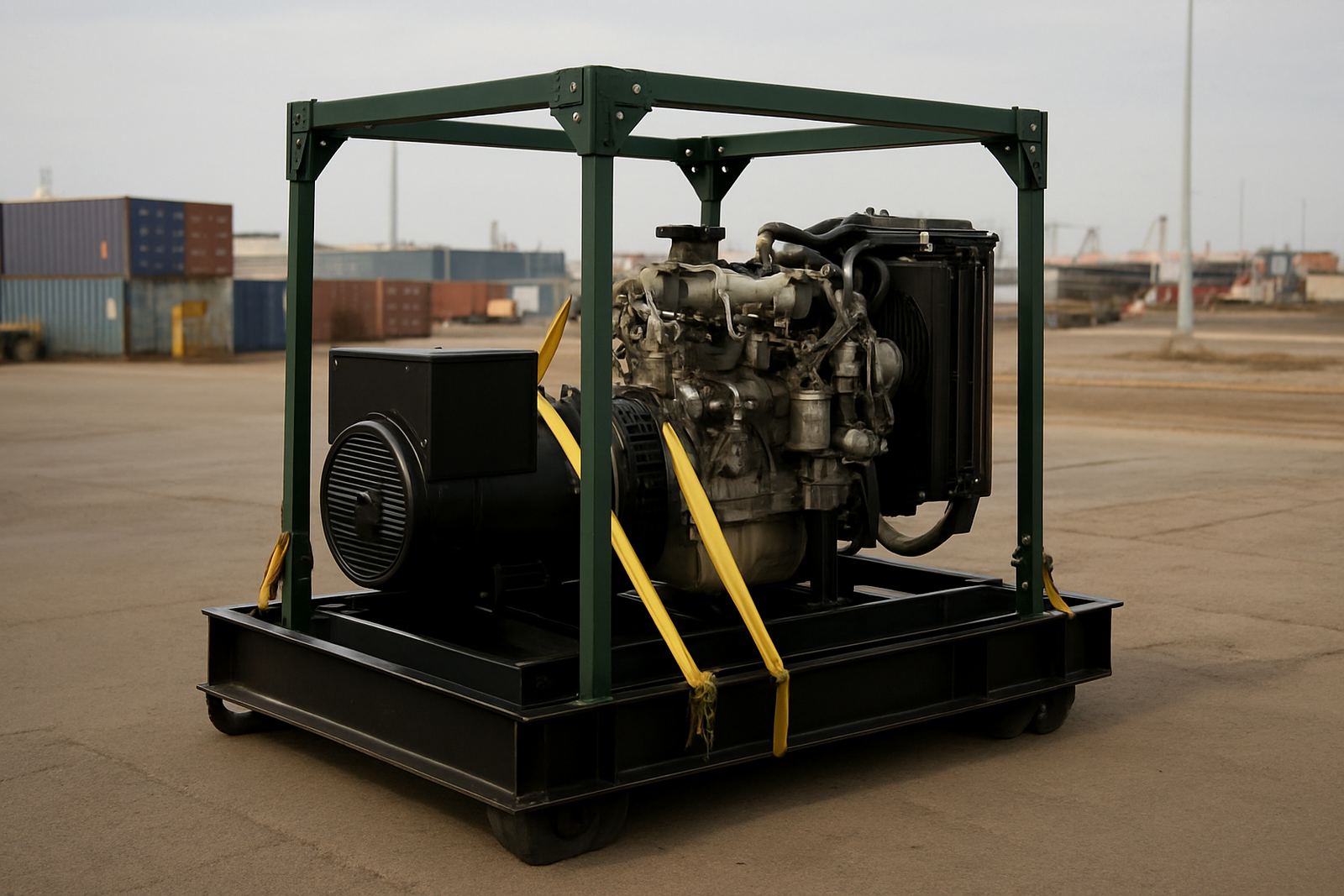
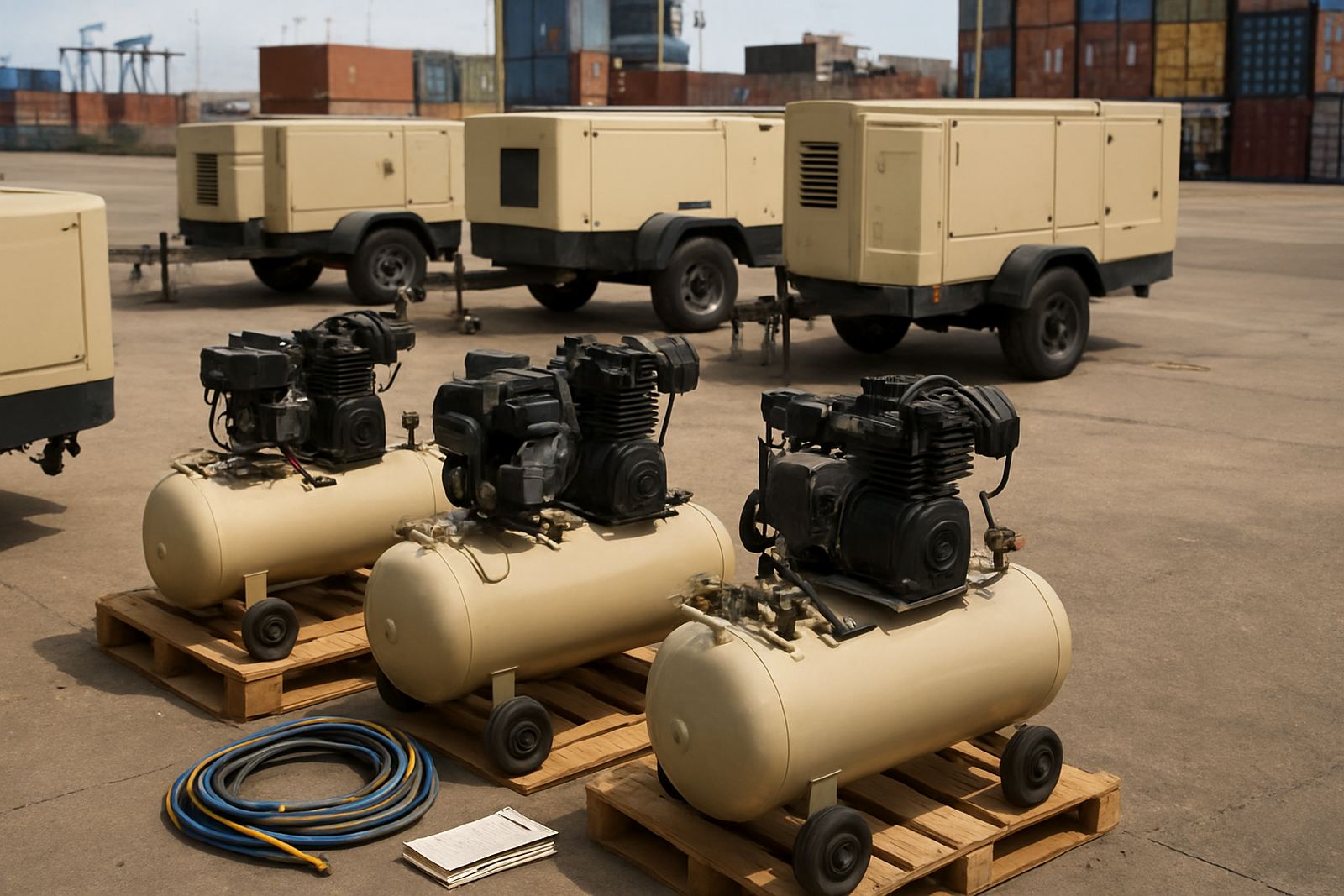
Towable compressors and skid compressors may do the same job on site, but they are not treated the same during shipping or customs release. A towable unit usually arrives with wheels, a drawbar and brake gear, so the carrier and clearing agent need to know if it will be moved as a complete roadworthy unit or as cargo with parts secured separately. A skid compressor, by contrast, sits on a base frame and normally needs lifting gear, chains and a clear offloading plan at the final point.
That difference affects the booking, the cargo description, the tariff code and even how the equipment is packed into a container or onto a flat rack. If the compressor is under pressure components, fitted with a receiver tank or supplied with a diesel engine, those details matter for release and inspection. In Durban’s port area, a small mistake on the shipping line paperwork can add days to the turnround and storage charges climb quickly.
What to confirm before the cargo leaves origin
Before export, make sure the supplier sends full technical details. A vague line like compressed air equipment is not enough for clearing or for the insurer. The invoice should show the make, model, serial number, power source, dimensions and gross weight. If the machine is on a trailer, include the tow hitch details and tyre condition. If it is skid mounted, confirm the lifting points and whether the frame can take fork lift tynes or only crane slings.
- Overall length, width and height in metres
- Gross weight and any single lift weight over 2 tonnes
- Engine type, fuel type and power rating
- Whether the unit is complete, partial, or stripped for transport
- Any battery, oil, coolant or compressed air residue still inside
We also check whether the cargo is going to Durban, City Deep, Jet Park or Cape Town for release. A compressor that lands at the harbour and then moves inland needs proper routing, collection timing and an address where it can be offloaded safely. That is especially important for construction firms working in Umbilo, Springfield Park or the wider Durban harbour corridor where yard space is tight.
Clearing and tariff classification without guesswork
Compressor imports often slow down because the tariff classification was left to the last minute. The description on the commercial invoice must match what the machine actually is. A towable air compressor is not the same as a fixed industrial compressor, and a unit with an engine may fall into a different heading to one driven by electric motor. The customs value also needs to include freight, insurance and any related costs where required.
For South African release, we look at the paperwork as a full set and not just the invoice. That includes the bill of lading, packing list, export entry if needed, insurance cover and any permits if the machine has special components. If the equipment is second hand, the condition report should be honest. Clearing officers in Durban know when a description is too thin and that can hold the shipment while questions are raised.
Nomsa on the client services side often sees the same problem: the cargo has arrived, but one line on the paperwork does not match the freight booking. Fatima then checks the classification, while Retief confirms the release steps with the clearing counter. That simple handover saves a lot of back and forth.
Handling and offloading at the point of delivery
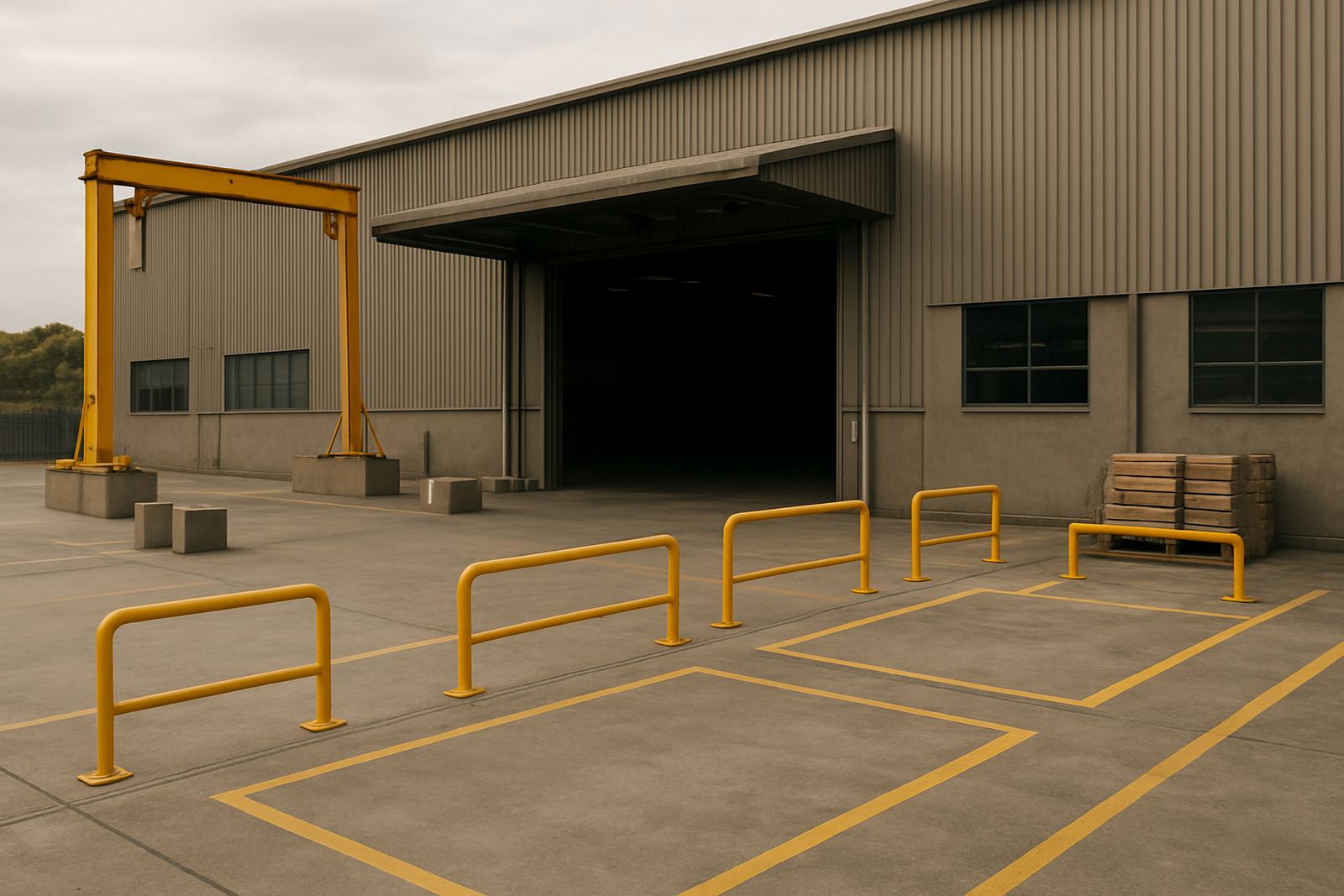
Once the compressor is released, the job is not finished. Towable units need a ramp, a towing plan and enough yard space to turn safely. Skid units usually need a crane, gantry or fork lift, depending on the frame. If the site is near the coast, salt air can affect exposed fittings during storage so the unit should be covered and moved onto a hard surface as soon as possible.
Site access should be checked before the truck moves. We ask for gate width, turning radius, overhead cables, surface condition and whether the receiving team has a competent operator on site. Load shedding can affect offloading too, especially where the site depends on electric hoists or compressor tests after arrival. If testing is delayed, the cargo may need short term storage until power is stable.
- Confirm offloading equipment before the truck leaves the port
- Check whether the receiving site has concrete, gravel or soft ground
- Keep the compressor level during handling to protect oil systems
- Allow space for wheel chocks, slings, chains and safety cones
- Plan for after-hours delivery if municipal access rules limit daytime entry
Insurance, storage and inland transport costs
Many importers focus on the freight charge and forget the costs that come after landing. If a compressor sits in bonded storage at the port while documents are corrected, demurrage and storage start building. Inland transport from Durban to Johannesburg or Cape Town needs the right load plan, especially for oversized towable units that may require a lowbed or abnormal load escort depending on dimensions.
Cargo insurance should cover the full transit from origin to final delivery point, not only the sea leg. Machines with delicate gauges, air receivers or control panels can be damaged by vibration and poor lashing. A skid compressor loaded without proper blocking can shift in transit and that turns a release delay into a repair claim. We always advise clients to keep photos of the unit before packing and after collection.
For businesses working in fleet management or the automotive sector, timing matters because a compressor often supports workshop output. One day without air supply can delay tyre work, spray jobs or maintenance schedules. Good planning keeps the machine moving from harbour to site with fewer surprises.
A Durban example that shows the difference
A client in Umbilo imported two compressors for different jobs. One was a towable diesel unit for road maintenance, the other a skid mounted electric compressor for a workshop in Springfield Park. Both landed through Durban, but the release plan was not the same. The towable unit needed tyre checks, trailer dimensions and a safer port collection window. The skid unit needed crane offloading and a confirm on the fork spacing before the truck was dispatched.
The towable machine cleared quickly because the supplier had listed the chassis number, weight and engine details clearly. The skid unit was delayed for a day because the invoice only said compressor set and the customs team had to ask for a better technical description. That small gap caused storage to tick over, nothing major but enough to show why detail matters.
For importers moving equipment into Durban, Jet Park, City Deep or Paarden Eiland, the lesson is simple. Different compressor types need different handling, different documents and different delivery planning. If those pieces are aligned early, the shipment can move through clearing and onto site with far less friction.