Check the gate before the container reaches the road
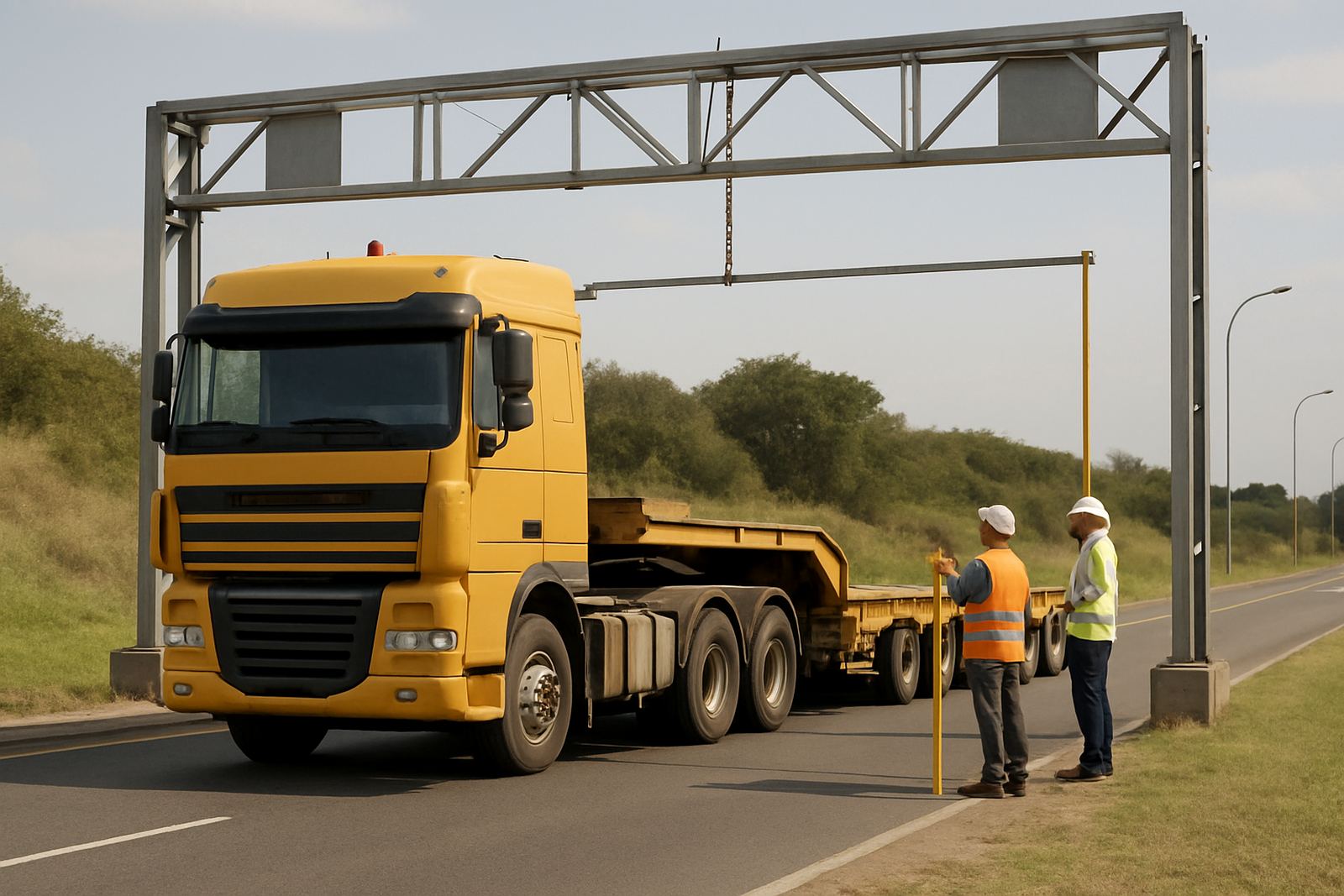
Before any machine leaves the port, the destination must be ready for the actual vehicle that will arrive. A 20 foot container, flat rack, lowbed or curtain-side truck all need different access, turning space and offloading equipment. In Umbilo, Springfield Park, Jet Park or City Deep, the problem is usually not the machine itself, but a narrow entrance, low tree branch, weak paving or a boom gate that opens too slowly.
Do a physical check of the site access at the same time as you confirm your delivery date. Measure the gate width, entrance height, turning radius and surface condition. If your operation is near Durban harbour, remember coastal humidity can affect stored steel and electrical panels, so the receiving point should be dry and easy to secure. If load-shedding is affecting the area, make sure gate motors, lighting and forklifts have a backup plan, or at least a manual fallback.
- Confirm the delivery vehicle size and weight before booking the route.
- Remove low wires, loose gravel, poles and temporary fencing from the access line.
- Arrange a marshal or security guard for peak traffic times.
- Test access after rain if the yard is soft or prone to puddling.
Foundations and floor loading must be ready, not guessed
Too many sites receive machinery onto a slab that was built for light storage, not production equipment. A press, compressor, generator set or automated line may need more than a flat patch of concrete. It may need anchor bolts, grout, vibration pads, drainage or a level tolerance that a general contractor can verify before the truck arrives. If the machine sits off level, you can end up with alignment problems, excessive wear or nuisance shutdowns from day one.
Ask the manufacturer drawings for the floor loading, fixings and service clearances, then compare that against the actual site. In a Durban industrial yard, salt air and summer rain can affect exposed metal edges and bolt pockets, so sealing and surface finish matter. In older buildings around Paarden Eiland or City Deep, the slab may be strong enough but not neatly flat. That is the kind of detail that causes a half day delay and a lot of frustration.
- Confirm the slab thickness, reinforcement and load capacity with a competent person.
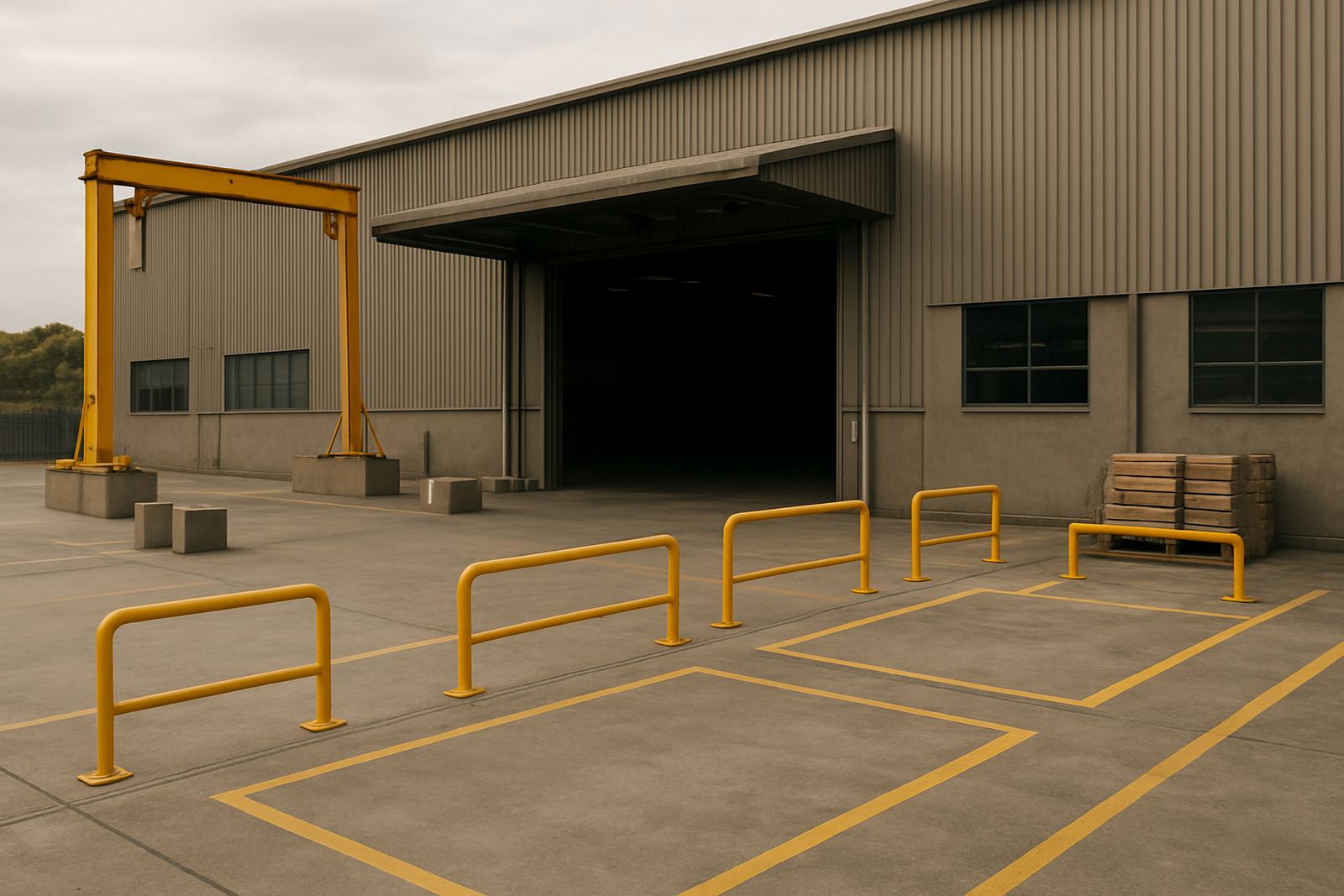
- Mark the final machine position before offloading starts.
- Leave space for maintenance access, cable runs and ventilation.
- Keep shims, packing pieces and holding-down bolts on site.
Receiving teams need names, phones and a plan
The site handover should never depend on one person who might be stuck in traffic on the N2 or inside a meeting in Sandton. Nominate the person who signs for the cargo, the person who receives the machine, the forklift operator, the electrician and the safety officer. If there are multiple contractors on site, each one needs to know when they are expected and what they are responsible for.
Keep a short receiving pack on the day. It should include the delivery note, packing list, drawings, lifting points, serial numbers and any special instructions for fragile control panels or hydraulic lines. When a client prepares this properly, the offload is calmer and quicker, and the machine can be checked against the paperwork while the driver is still present. That small step helps avoid disputes later on if a crate is short, damaged or marked incorrectly.
- Send one contact list with after-hours phone numbers.
- Brief the security team so access is not delayed at the boom gate.
- Assign someone to take photos before, during and after offloading.
- Have the receiving note ready for signature on the day.
Plan the offloading gear for the exact piece of machinery
Not every machine can come off the truck with the same pallet jack or fork truck. A compact lathe is one thing, but a 12 tonne generator, a long conveyor section or a fleet workshop lift may need a crane, spreader beams, longer forks or a telehandler. The correct gear depends on the centre of gravity, packing method and the point where the load can safely be lifted.
Before the shipment reaches South Africa, confirm what gear is available at the destination and whether the operator has the right lifting licence. If the machine has to move into a basement, under a canopy or through a low door, measure the clearance properly. A common mistake is assuming the final position is easy because the yard is open. The tight spot is usually the last 6 metres.
- Match the lifting gear to the weight and shape of the machine.
- Check that chains, slings and shackles are rated and in good condition.
- Plan the travel path from truck to final position.
- Keep barriers in place so staff do not walk under suspended loads.
Documents and permits should be finished before the truck moves
Site readiness is not only about steel and concrete. It is also about the paperwork that allows the shipment to move without stoppages. Customs entries, tariff classification, import permits, insurance details and release documents should be settled before the port collection happens. If the cargo is bound for bonded storage or an inland facility, the receiving address and contact person must be correct, or the handover can stall at the worst possible time.
For machinery going into municipal areas, check whether the site needs any special access permission for heavy vehicles or abnormal loads. Some locations in Gauteng and coastal industrial zones have time restrictions, security access rules or weight limits on internal roads. Sorting those details early is cheaper than paying for extra standing time later on. It also gives your transporter a clean handover with fewer last minute phone calls.
- Verify consignee details, site address and trading name on all documents.
- Check if the load needs escorting or time-based entry.
- Keep copies of permits and release papers with the site team.
- Confirm the insurance value and any exclusions before the truck departs.
A Durban example: when readiness saved a full day
A logistics client in Umbilo was expecting two imported machines for a workshop upgrade, with one unit coming by sea and the other arriving inland from Johannesburg. The cargo cleared through Durban harbour on schedule, but the site team had not yet measured the driveway after a recent repair. There was also a temporary signboard at the entrance and no clear marshal for truck arrival. It could have become a long and expensive delay.
After a quick site review, the entrance was cleared, the machine positions were marked and the receiving team was briefed. The slab levels were checked, the forklift booked and the offload completed in one visit. Because the paperwork, access and handling plan were all ready, the machines were installed the same afternoon and the workshop went live the next morning. That is the value of preparing the site before the cargo arrives, not after.
At Machines Africa Hub, that kind of preparation matters because a good port movement still depends on what happens at the other end. If the site is ready, the machine can move from ship to final position with fewer surprises and less lost time.