Why imported trucks need a fresh roadworthy check
A truck can look complete on arrival and still fail in day to day use. Long shipping periods, standing time in storage yards, and inland transport from Durban, Johannesburg or Cape Town can expose weak batteries, tired tyres, leaking air lines and loose fittings. In the Durban harbour corridor we often see units that are physically sound, yet still need attention before they can be put on a fleet licence or sent out on a contract.
Roadworthiness is not just about passing a box-ticking inspection. It is about making sure the truck can brake properly, steer straight, carry its load legally and cope with South African conditions. That includes humid coastal weather in places like Umbilo and Paarden Eiland, stop-start work around Jet Park or City Deep, and the hard braking that comes with freight and construction use.
- Tyres must meet tread and load requirements
- Brakes and suspension need full functional checks
- Lights, indicators and reflectors must work correctly
- Windshields, mirrors and wipers should be serviceable
The checks that matter before first service
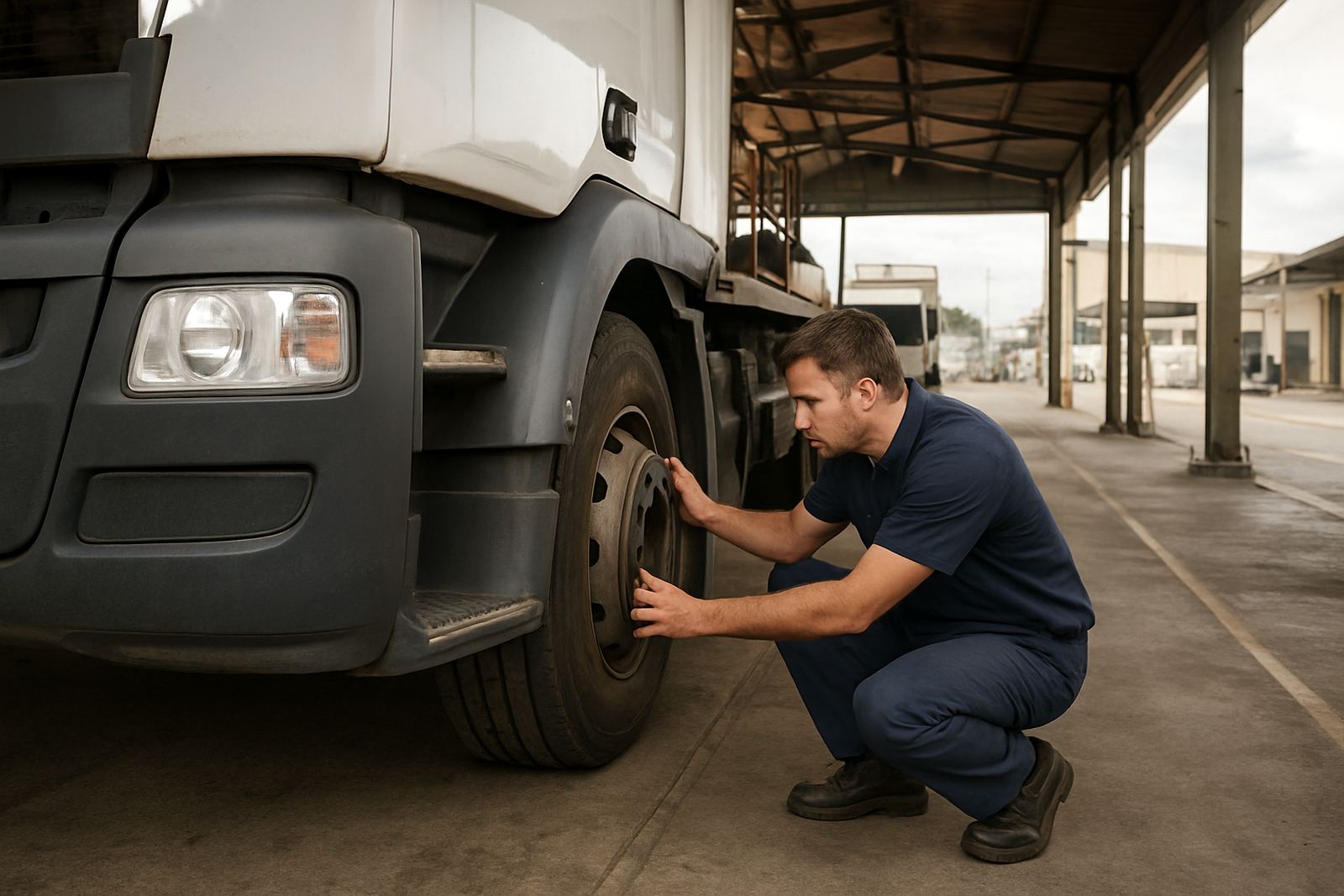
Before an imported truck enters active service, a practical inspection should cover both the mechanical side and the paperwork side. A clean import file does not replace a physical inspection, and a shiny cab does not mean the unit is safe for the road. This is where a proper pre-use process saves time later and can prevent an unplanned breakdown on a delivery run to Rustenburg, Gqeberha or Polokwane.
Our team looks at the details that affect operating risk and compliance. If a truck arrives with a battery problem after port collection from Durban, or if a unit headed for inland transport shows oil seepage under the differential, it is better to identify that before the fleet manager books the first load. Small issues become expensive once the vehicle is carrying cargo, and coastal humidity can make electrical faults worse than they first appear.
- Engine fluids, belts and visible leaks
- Air systems, compressor performance and brake response
- Steering play, wheel alignment and suspension condition
- Lights, horn, mirrors, windows and cab safety items
- VIN and engine number matching against import documents
Compliance details that can hold a truck back
In South Africa, a truck can be mechanically sound but still delayed by missing or inconsistent documents. Tariff classification, customs release papers, cargo descriptions and registration support must line up. If a fleet unit is being moved from bonded storage to an operating yard in Springfield Park or City Deep, the importer needs the right paper trail to avoid delays at the gate or at testing time.
Imported heavy vehicles may also need adjustments to match local requirements, such as lighting position, speedometer readings or warning labels. Depending on the unit and its intended use, the operator may need to review axle ratings, load limits and fitment of safety items before the truck is allowed into routine work. It is worth checking these points early because a small document mismatch can delay a whole fleet handover.
For companies moving units through Durban harbour or taking inland delivery from Cape Town, a good compliance review reduces the chance of rework, penalties and dead mileage. It also helps the client know exactly what still needs attention before the truck is handed to a driver.
How loading, storage and transport affect roadworthiness
Imported trucks often spend time in a port area, a bonded store or an inland holding yard before delivery. During that period, tyres can lose pressure, batteries can flatten and seals can dry out. If the unit was shipped with accessories loose in the cab or body, those items may shift and create damage that is not obvious until inspection. We see this especially when units move between Durban, Jet Park and Paarden Eiland, where timing, storage conditions and handover control all matter.
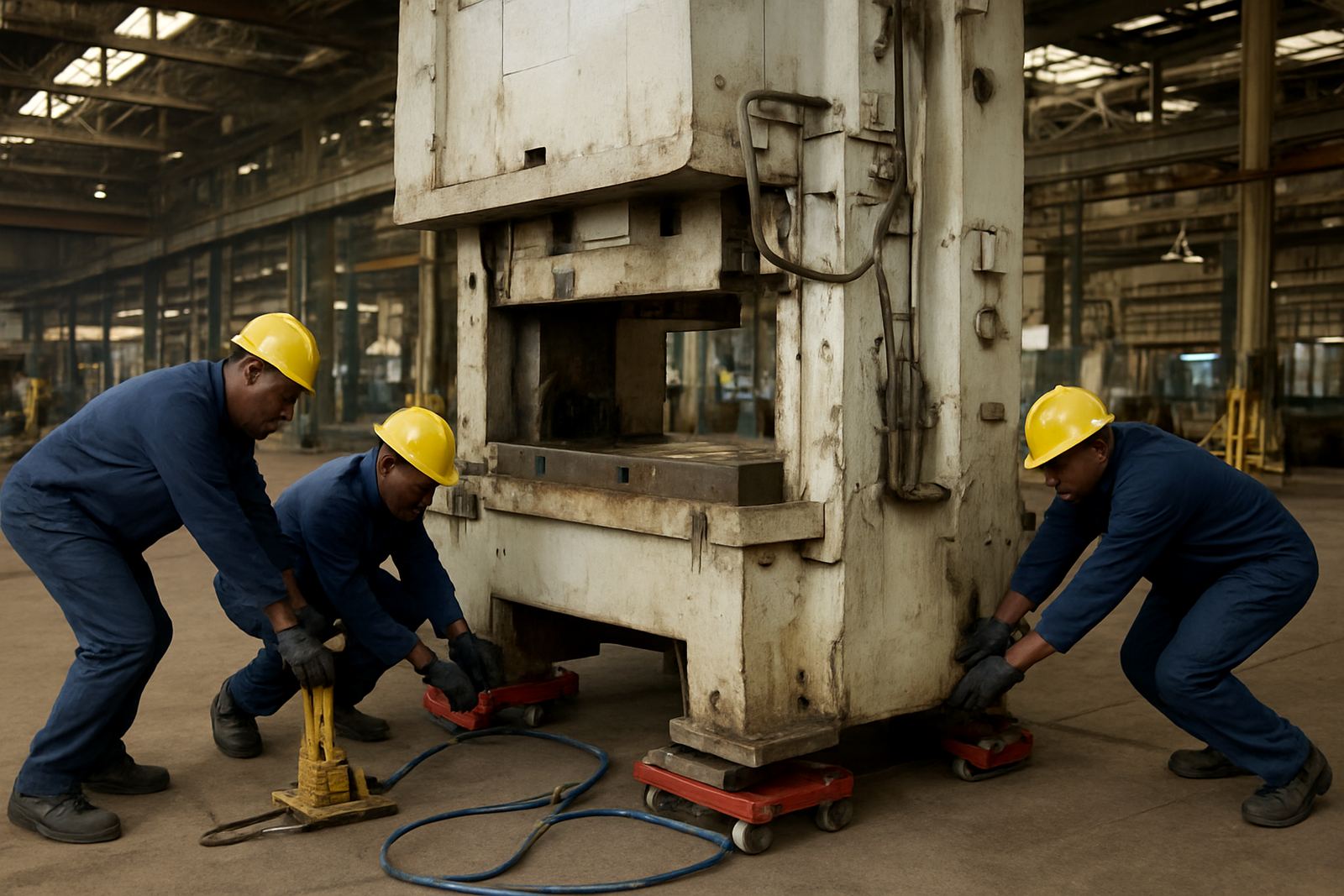
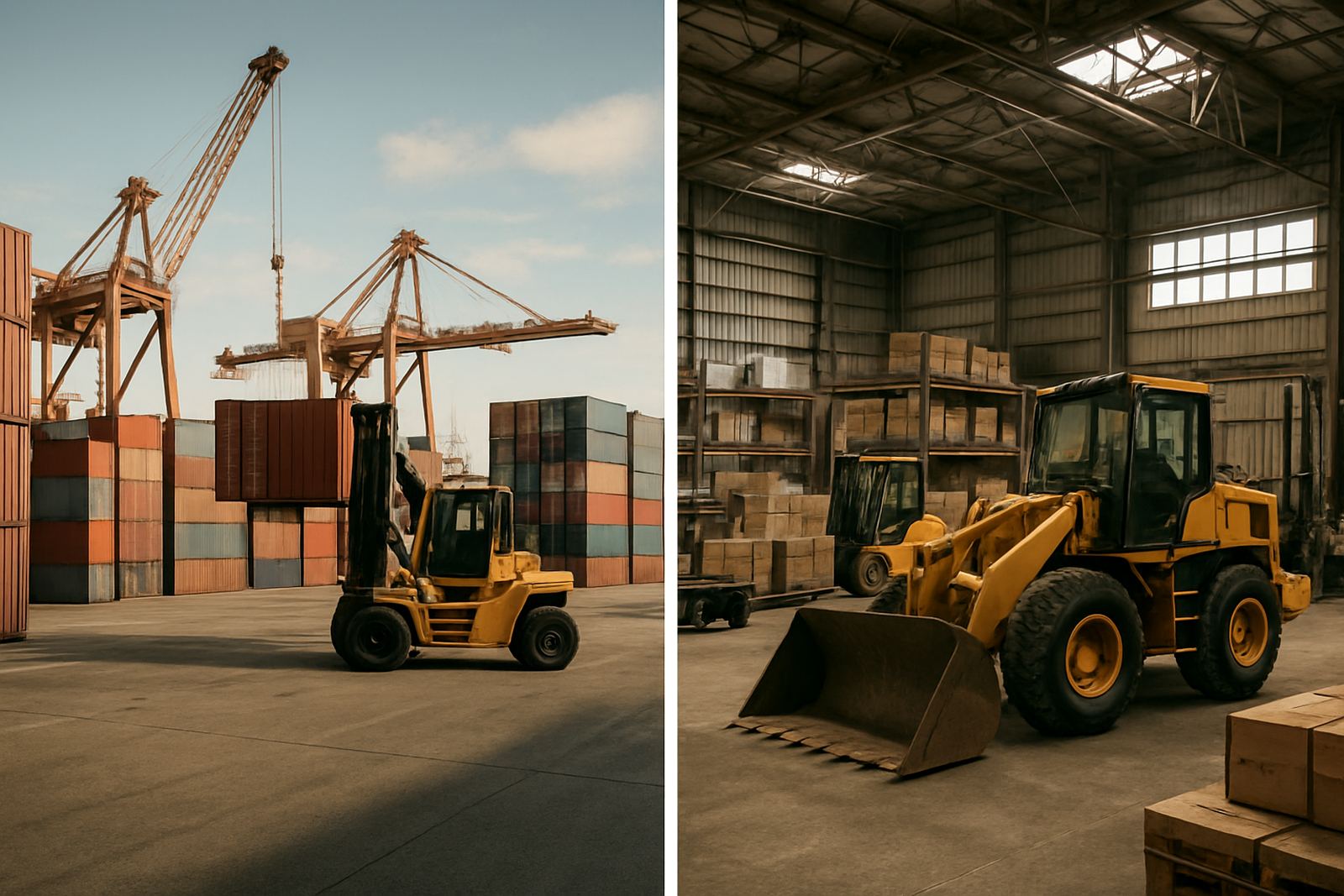
Site offloading should be planned with proper equipment and enough space for inspection straight after discharge. If a truck arrives after a wet sea leg or a long inland move, it should not be rushed straight into service without checking brakes, lights and underbody condition. One short inspection can prevent a driver being stranded in heavy traffic on the N3 or dealing with a fault on a delivery route in the Cape metro.
- Check tyre pressure after storage and transport
- Test batteries and charging systems before dispatch
- Inspect for dents, loose panels and transport damage
- Record any exceptions immediately for claims or repairs
A Durban harbour corridor example from real fleet work
A logistics client bringing in a small batch of imported trucks into Durban recently needed a quick handover for work between the port and inland depots. The units came out of bonded storage with basic shipping paperwork in order, but two trucks needed tyre replacement and one had an electrical fault linked to corroded terminals. Because the inspection was done before dispatch, the client avoided a failed roadworthy attempt and kept the fleet schedule intact.
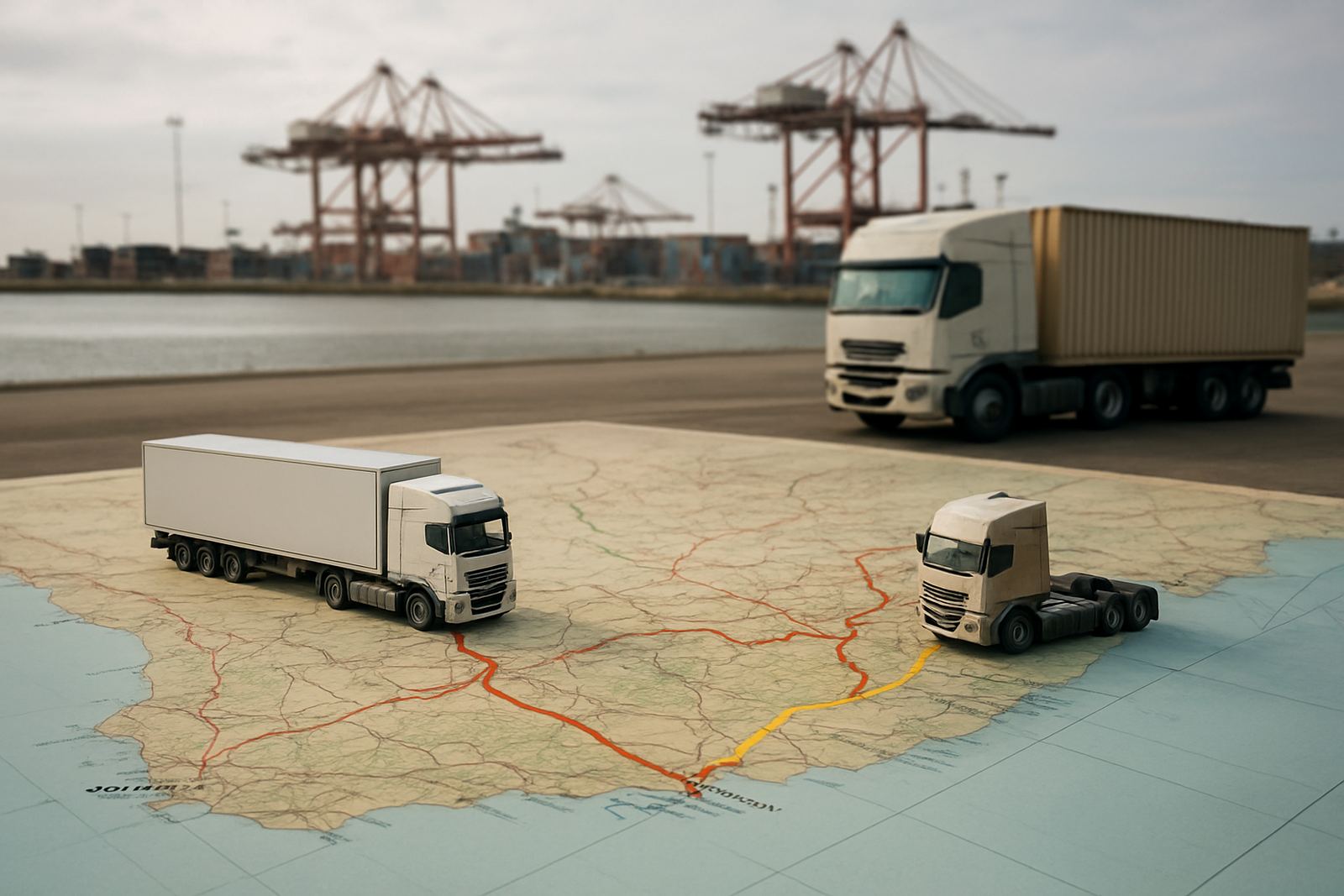
That sort of practical follow-up matters in the Durban harbour corridor. If a truck is meant to run from Umbilo to Springfield Park, or be transferred up to Johannesburg for distribution work, even a half-day delay can affect bookings, driver planning and customer promises. A proper pre-service check gives the operator a clearer picture of what is ready now and what still needs workshop time.
For many fleet owners, the real value is not just compliance, but certainty. They want to know which units can go straight into service and which ones need parts, testing or minor adjustments first.
What fleet managers should prepare before handover
Good preparation makes the roadworthy process faster and less costly. If the importer has the right documents and service information ready, the truck can move from port collection to inspection to deployment with fewer stoppages. This is especially useful for companies that handle mixed fleets across Durban, Johannesburg and Cape Town, where one late unit can affect several routes.
Fleet managers should keep a simple handover file for each imported truck. That file helps the compliance team, the workshop and the driver all work from the same information. It also makes it easier to trace faults later if a unit develops a brake issue or an engine warning light after its first few trips.
- Bill of entry and import release documents
- VIN, engine number and chassis details
- Service records, if supplied with the unit
- Inspection notes and photos from site offloading
- Driver handover checklist and contact details
When the paperwork, inspection and transport plan are aligned, the truck can be put to work with less risk. That is the point of a proper import and clearing process, to keep the vehicle moving and the business focused on its job.