Why route choice matters before the machine leaves port
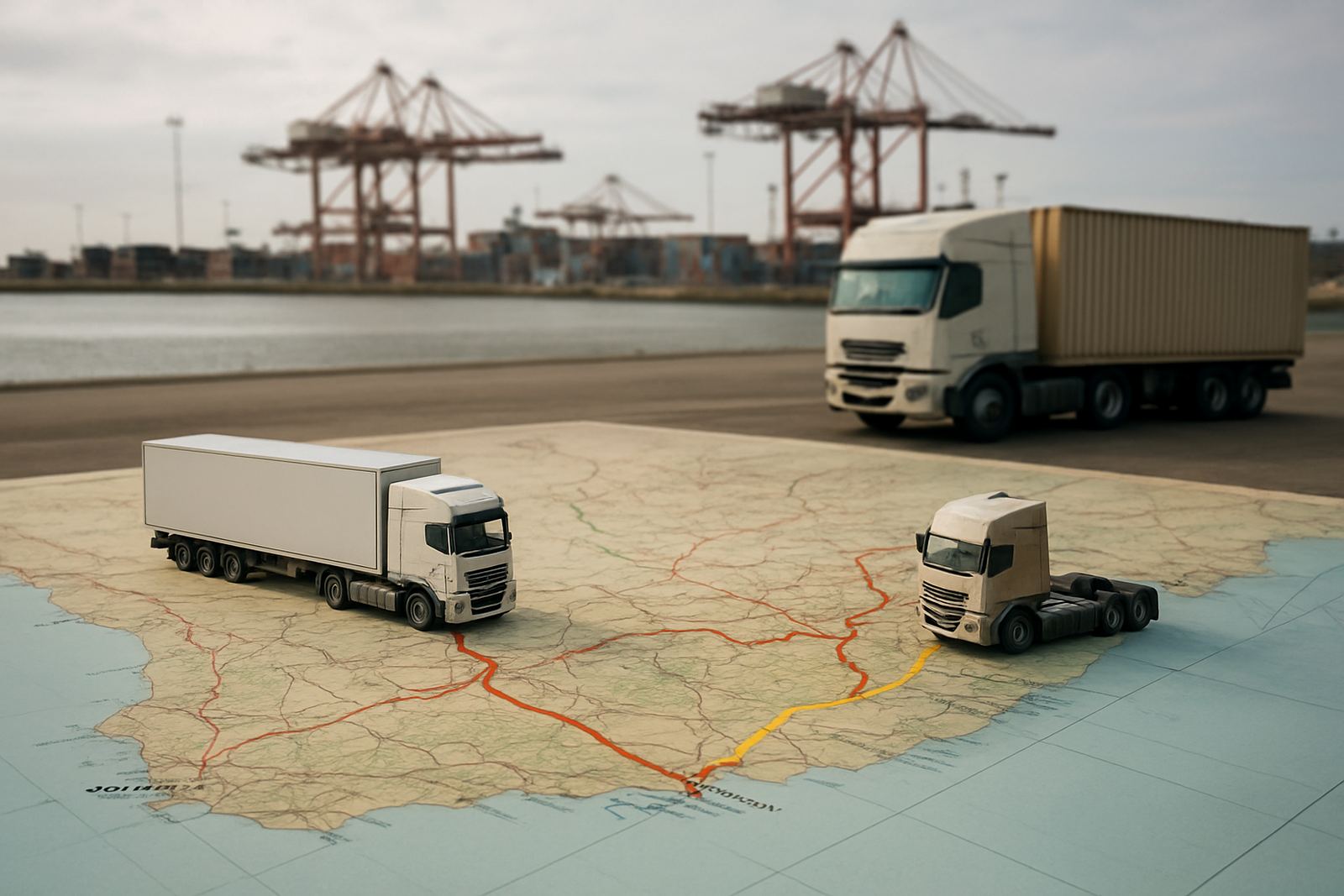
For importers moving machinery through Durban, the first decision should be whether the load stays on the coast or heads inland soon after clearing. A compact unit going to Springfield Park or Umbilo may suit a short coastal run, while a 30 tonne item for Jet Park or City Deep usually needs a clean inland plan, escort requirements and a clear handover between transport legs.
Machines Africa Hub works from the Durban harbour corridor with clearing counters in Johannesburg and Cape Town, so route planning starts early. Sibusiso Ntuli and the team look at the cargo type, dimensions, discharge schedule and who will receive the load at the other end. If you choose the wrong route, you can pay twice for handling, or lose days waiting for a suitable truck and a crane.
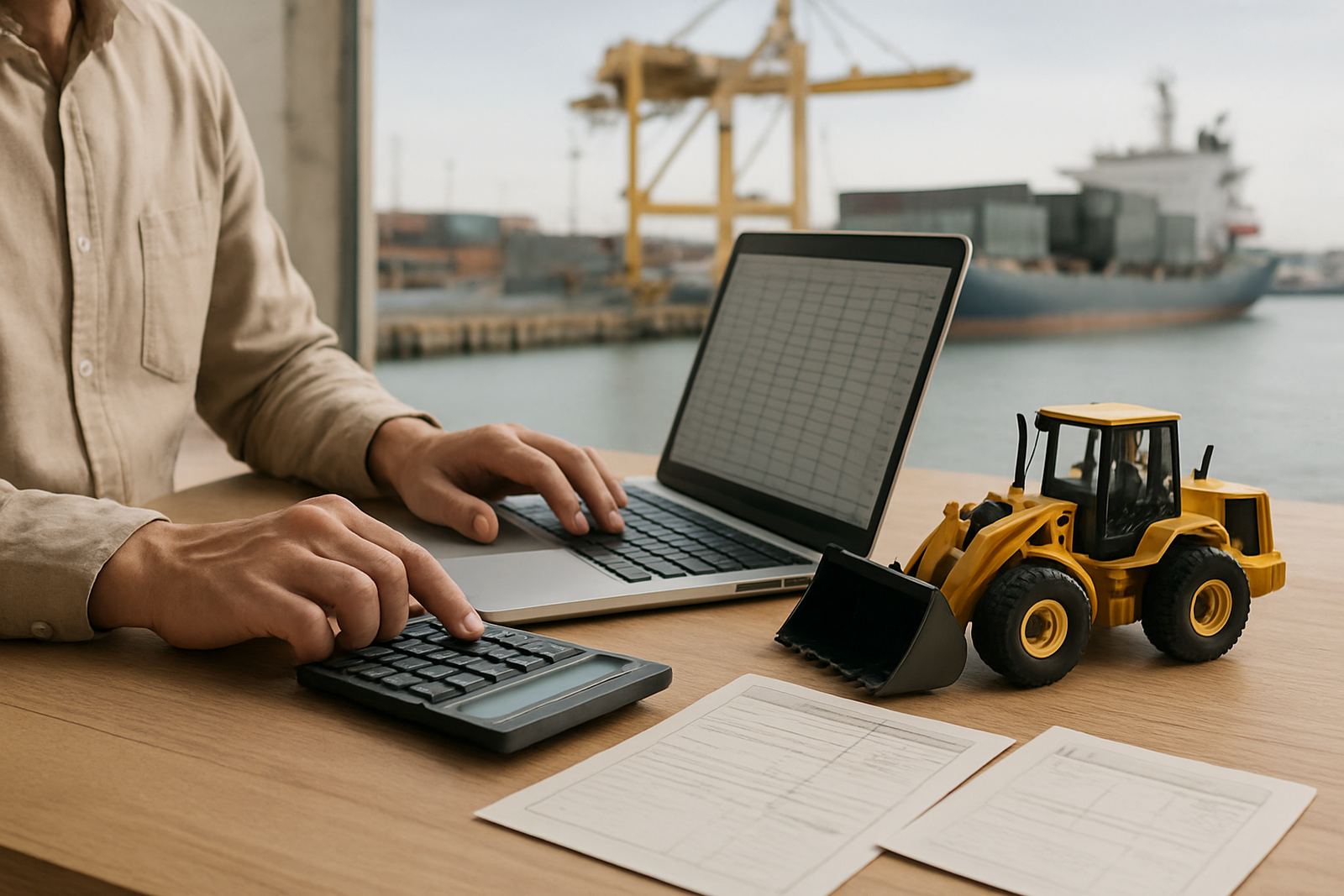
The cost gap is often smaller than people expect. What changes the bill is the number of lifts, storage days, idle truck time and whether the load needs bonded storage before release. In practice, route choice is a logistics decision, not just a map decision.
When a coastal route makes better sense
Coastal routing suits cargo that must move between Durban, Paarden Eiland and nearby industrial areas without the pressure of a long cross-country trip. It can also work well when the consignee is still finalising site access, municipal permissions or offloading gear. If the machine is arriving into Durban and staying in KZN, keeping it near the port can reduce handling and help with quicker collection.
Coastal moves are often chosen for fleet equipment, packaging machinery and smaller automotive units. The route is generally easier on scheduling because distances are shorter and recovery from a delay is simpler. In humid coastal conditions, though, wrapped components and electrical panels need protection from salt air, so cargo insurance and good packing matter from the start.
- Useful for short-haul deliveries into Durban, Umhlanga, Pinetown and nearby industrial nodes
- Good when site access is not yet confirmed and storage may be needed
- Lower exposure to long-distance road delays, provided port collection is timed well
- Better for cargo that can be moved with standard rigging and local labour
When inland routing protects the budget
Inland routing becomes the better option when the end user is in Gauteng, the Free State or other inland markets. A machine destined for City Deep or Jet Park should normally be planned as a port-to-door move with customs, collection, linehaul and site delivery aligned before release. That cuts the risk of a load sitting at the port while everyone waits for permits or transport.
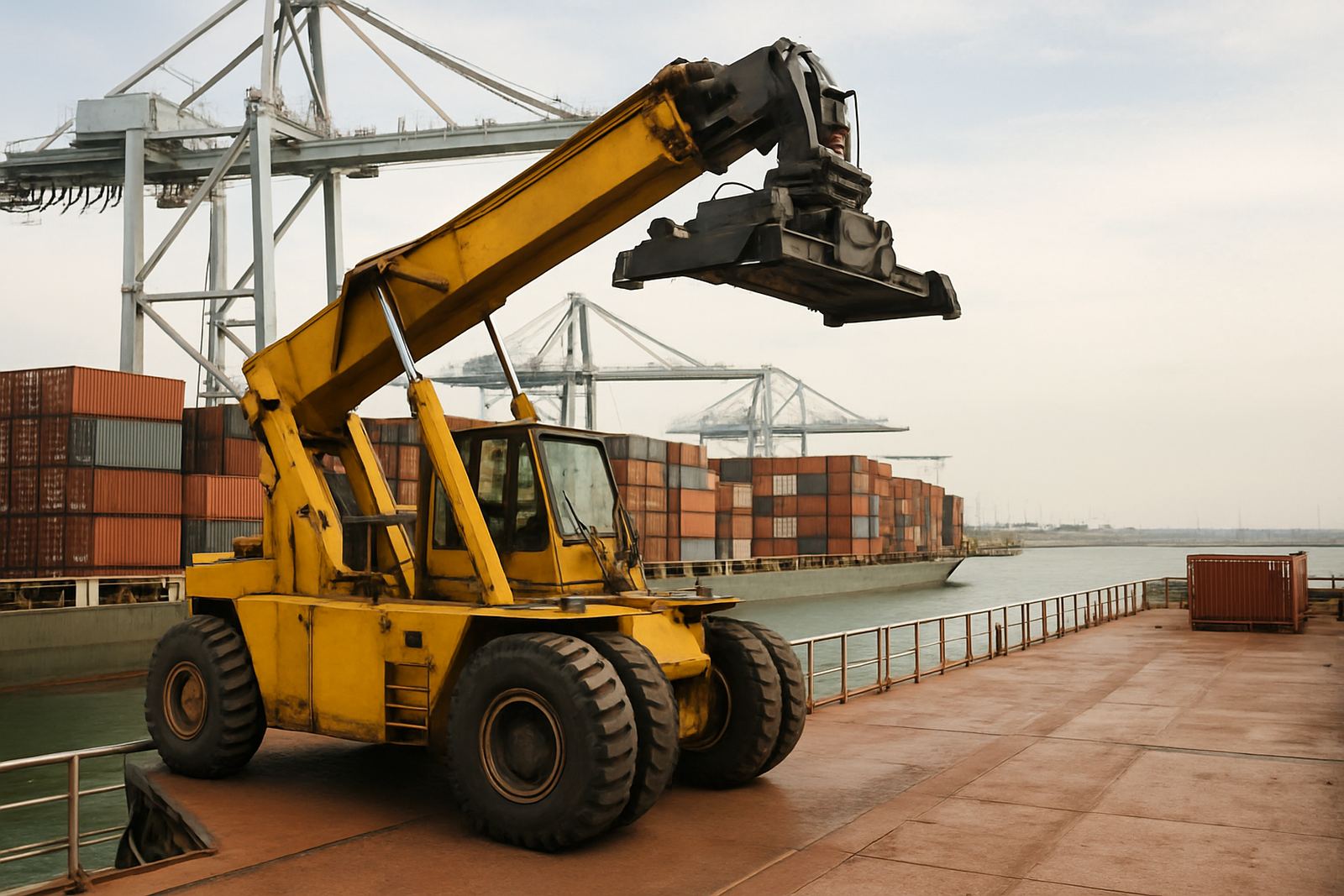
For heavier plant, moving inland early can also save money on storage and minimise double handling. A machine left at the coast for too long may attract extra port costs, storage and demurrage. If the site in Johannesburg has a forklift, dock leveller or reinforced slab ready, a direct inland route is usually cleaner and cheaper in the end.
Inland routes also suit cargo that needs bonded storage before final duty payment. Fatima Cassim often checks tariff classification and document status before the truck leaves Durban because one missing invoice or permit can slow the whole chain. That is the point where good planning saves real money, not just admin time.
The permit question that decides the route
Some machinery can move quickly once cleared, but other loads need permits, escorts or special transport. The route cannot be chosen properly until the paperwork is checked. Length, width, height and axle load all matter, and a machine that looks manageable on paper can still trigger route restrictions on certain roads or bridge crossings.
Permits are not only about abnormal loads. Certain industrial items need import permits, compliance papers or supporting documents from the seller and the buyer. If the cargo is moving from Durban to Cape Town, or from Durban to an inland mine site, the route may change depending on where the nearest compliant offloading point is and whether the receiving site can accept the load that day.
- Check dimensions before the booking is confirmed
- Confirm whether escort vehicles are required for the route
- Make sure offloading equipment is available at destination
- Align the permit dates with the vessel discharge and truck booking
Local example: Durban harbour to Jet Park
A practical case is a fleet maintenance machine landed in Durban for a buyer in Jet Park. The coastal option would be to hold the unit near Springfield Park until the client is ready, but if the site in Gauteng is prepared and the documents are complete, inland routing is usually the stronger choice. The machine is cleared in Durban, loaded once, then moved with the right linehaul vehicle straight to Johannesburg.
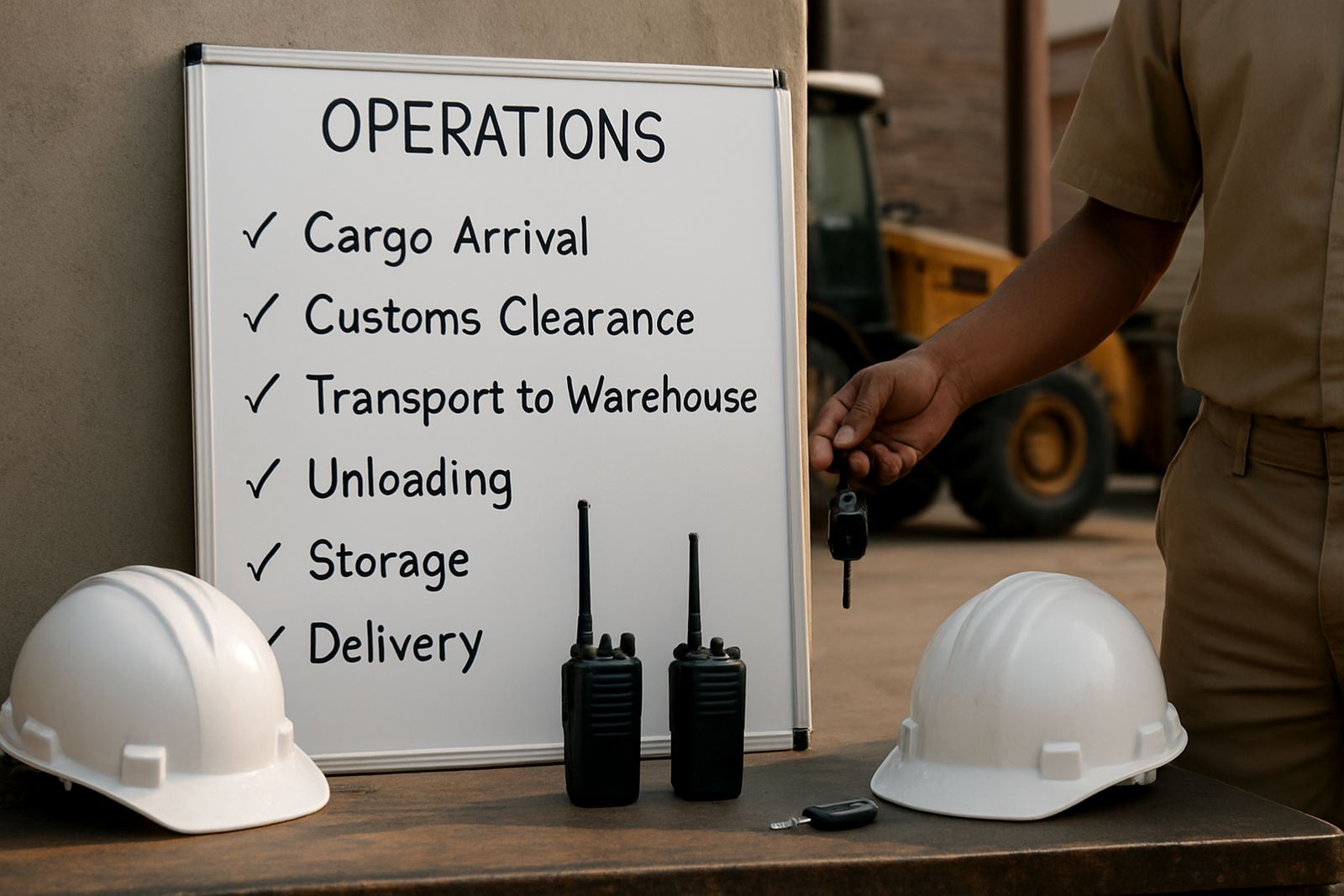
This kind of move needs coordination across shipping, clearing and inland transport. Retief Labuschagne checks the release position, Luthando Mchunu confirms the truck and route timing, and Nomsa Dlamini keeps the client updated if the berth window or customs query shifts. That coordination matters because one late message can mean a missed collection slot and another day of storage.
For a business moving equipment for automotive service or fleet repair, the inland route keeps operations moving at the other end. It may cost more than a simple local lift, but it usually prevents knock-on delays at the workshop, and those delays can cost more than transport itself.
How to choose the right route without guesswork
Route selection should start with three questions: how big is the cargo, where is it going, and what permits are needed. Once those are answered, the rest becomes a scheduling exercise. Machines Africa Hub builds the movement plan around those facts, then matches the cargo to the right transport mode, storage option and delivery window.
If the load is moving in South Africa during peak rain or summer humidity, route timing matters even more. Coastal storage can be fine for a short period, but electrical parts and precision gear need proper wrapping and fast turnover. Inland movement can also be affected by roadworks, holiday traffic and municipal delivery restrictions, so the cheapest quote is not always the best route.
- Use coastal routing for short local delivery, temporary holding or nearby industrial sites
- Use inland routing for Gauteng deliveries, long-haul distribution and direct site handover
- Choose bonded storage when documents or duties are not yet final
- Confirm offloading gear and site access before the truck departs
A practical rule for importers
The simplest rule is this: choose the route that matches the cargo, not the one that looks easiest on a map. Coastal routing helps when time, access or temporary storage is the main issue. Inland routing helps when the destination is far from port, the receiving site is ready, and the paperwork is complete. If the machine is large or sensitive, the wrong route can add handling, delays and avoidable cost.
For businesses importing through Durban, a clear plan saves more than freight charges alone. It protects schedules, reduces the risk of damage and keeps production moving. That is why route choice should be decided with clearing, transport and compliance in the same conversation, not in separate ones.
Machines Africa Hub supports that process from Umbilo to Johannesburg and Cape Town, with our contact form as the main contact for import planning, customs clearing and inland transport.