Why release day needs a proper checklist
For machinery coming through Durban, release day is not just a collection point. It is the day when customs status, port storage, transport bookings and site readiness all have to match up. If the vehicle arrives before the release instruction is cleared, or the clearing file is still missing a tariff item, the load can sit and rack up costs very quickly.
A good checklist keeps everyone working from the same timing. It helps the clearing team, transporter, warehouse, and client services confirm what must happen before the cargo leaves the terminal or bonded store. In Durban harbour corridor conditions, where congestion, weather and peak vessel discharge can affect movement, a missed hour can become a missed day.
Confirm the paperwork before the truck is booked
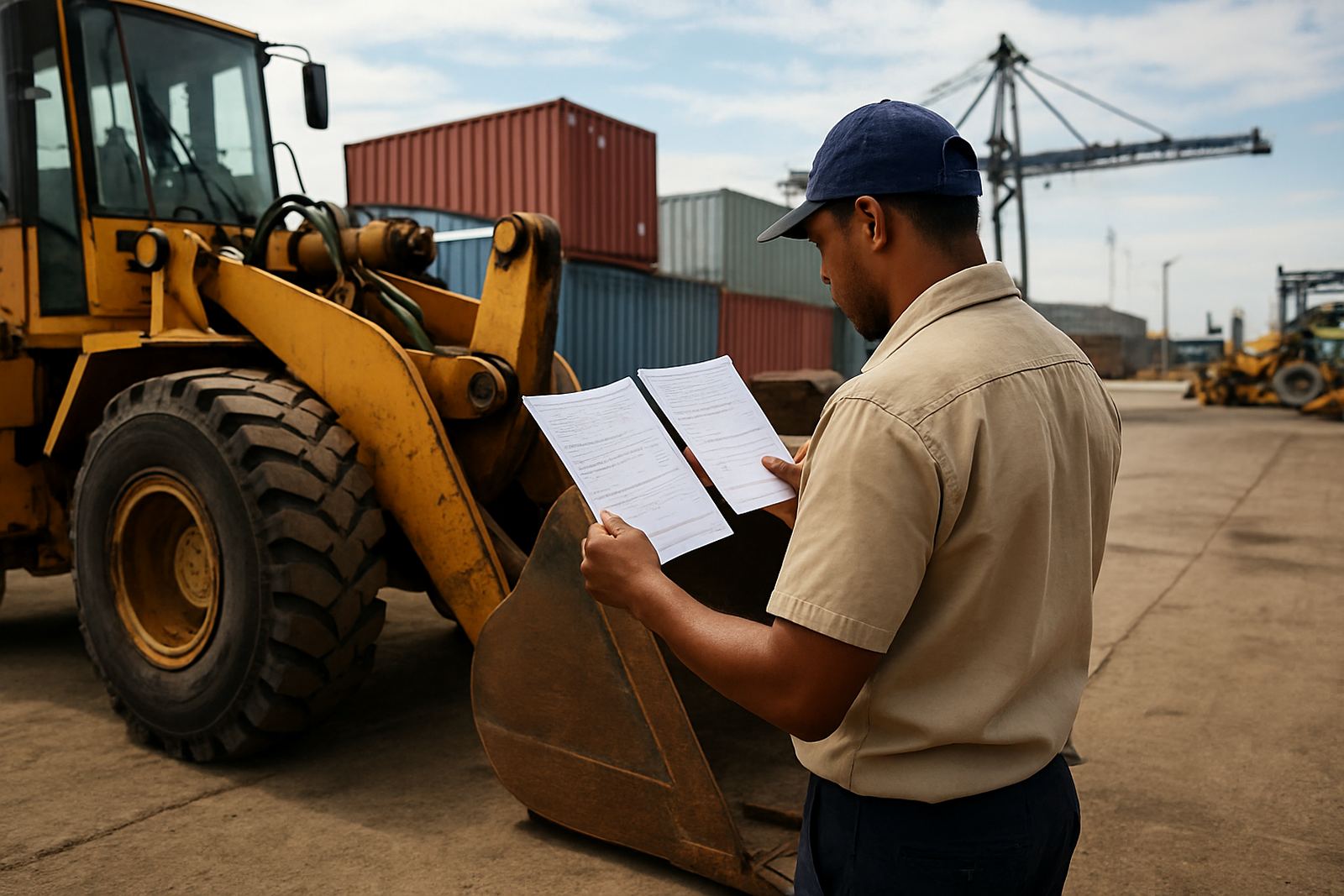
Before any vehicle is dispatched, the release pack must be complete. That means the customs entry has been processed, duties and VAT are accounted for, and the release instruction is ready for the port, depot or bonded store. For machinery, invoice details, serial numbers, weights and packing notes all need to line up, because a small mismatch can trigger a query at the gate.
- Commercial invoice and packing list
- Bill of lading or sea waybill
- Import permit or licence, where applicable
- Customs release and customs reference number
- Proof of payment for duties, VAT, storage or handling
- Insurance confirmation if the cargo is moving over road after release
Fatima Cassim, who handles trade compliance, will usually check whether the goods need special tariff treatment or supporting documents before the release slot is confirmed. That extra step can save a client from a long delay at City Deep or Jet Park later in the process.
Match the collection plan to the actual cargo size
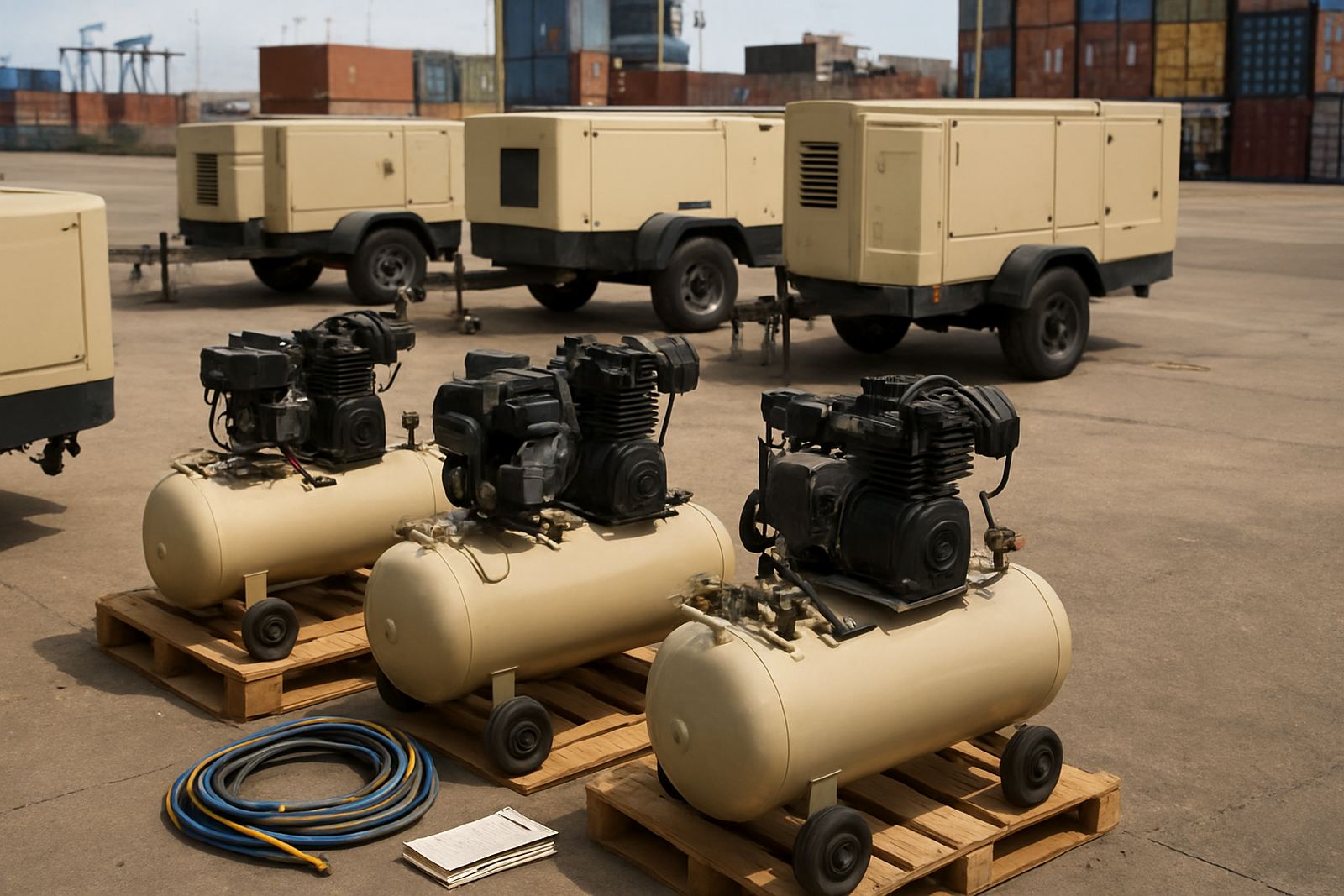
Not every machine can be collected with the same vehicle. A compact forklift may fit on a single flatdeck, while an oversized generator, press or agricultural machine may need permits, escort planning or a lowbed. If the release note says one pallet but the cargo measures 3.2 metres wide, the transport booking has to change, and quickly.
Luthando Mchunu, who coordinates fleet movement, always checks the dimensions, loading points and offloading method before dispatch. This matters at ports and warehouses around Durban, Springfield Park and Paarden Eiland, where the available yard space and turning room can be tight.
- Confirm length, width, height and gross weight
- Check fork pockets, lifting lugs or crane points
- Confirm whether the unit can be rolled or must be craned
- Make sure the receiving site has clear access, gates and ground support
- Check for local restrictions, including abnormal load permits if required
Keep storage timing under control
Bonded storage and port storage are useful when a site is not ready, but they must be managed carefully. If the cargo is released from customs but the client cannot receive it that day, the transport and storage plan should be adjusted before demurrage and extra handling charges build up. This is especially important during load-shedding periods, when some depots and industrial sites work shorter windows or need gensets to operate reliably.
In practice, the team should confirm the offload time, the site contact name, and whether the receiving yard has enough space for the vehicle to turn and unload. In Umbilo, where many clients need same-day movement to nearby industry, even a two hour delay can push a delivery into the next shift.
Use one release point of contact
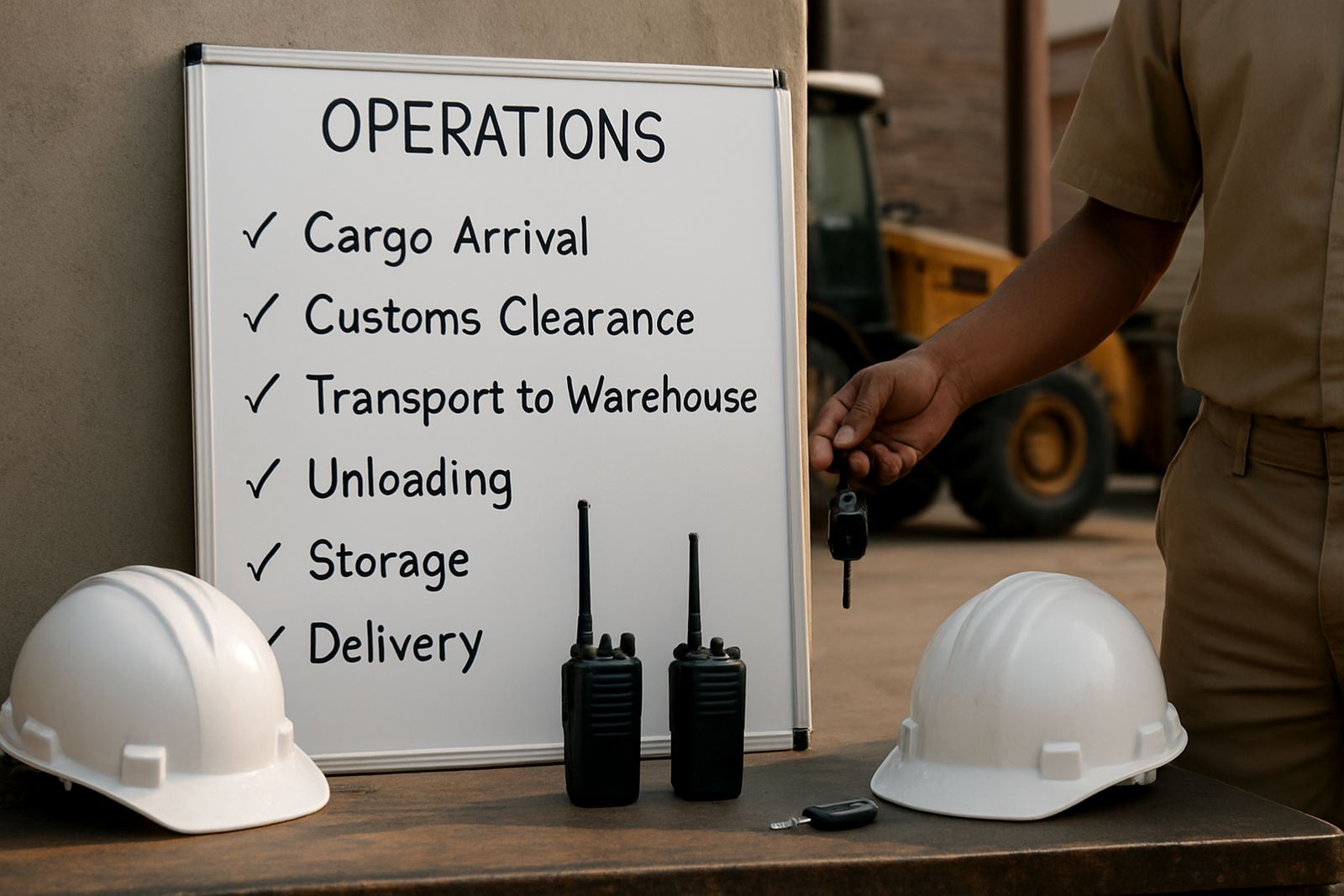
Release day works better when there is one person responsible for the timeline. That person should confirm the customs status, speak to the transporter, update the client and watch the warehouse window. When too many people are sending separate instructions, the result is often duplicate bookings or missing paperwork at the wrong time.
Nomsa Dlamini in client services and Retief Labuschagne on clearing will typically compare the release documents against the actual delivery plan, then confirm the handover sequence. That kind of coordination matters when cargo must move from Durban harbour corridor facilities to inland destinations such as Johannesburg or from Paarden Eiland to a Cape Town workshop without delay.
- One primary contact for the client
- One clearing lead for customs release
- One transport controller for vehicle booking
- One receiving contact at the offload site
A Durban release day example
Say a client imports two machine units into Durban for a fleet workshop in Springfield Park. The cargo clears customs on Thursday morning, but the workshop only has crane time after 2 pm and the gate will close at 4 pm. The release checklist should lock in the truck, confirm the crane booking, check the documents against the serial numbers, and make sure the transporter knows the cargo cannot wait at the terminal overnight.
If the same job were moving inland to City Deep, the focus would shift to road readiness, route timing and whether bonded storage is needed overnight. In both cases, the release day checklist keeps the sequence tight. It also reduces the usual back and forth that happens when the cargo is ready but the site is not.
That is where practical planning pays off. When port collection, inland transport and site offloading are all tied to one schedule, the release day feels controlled instead of rushed.
What to double-check before the vehicle leaves
Before the truck pulls out, do one final review. The release day checklist should close the gap between paper and movement, because once the cargo is on the road, corrections cost time and fuel.
- Release instruction confirmed in writing
- Driver details and vehicle registration sent to the gate
- Load photos taken before departure
- Seal numbers or condition notes recorded
- Site contact ready to receive the cargo
- Any special handling equipment booked and on site
A final check like this suits the reality of South African logistics. Ports are busy, weather changes quickly on the coast, and road movements into Gauteng can be affected by traffic or inspection stops. A simple list, used every time, keeps release day under control and helps each machine leave the port when it should.