
Why the shipping method matters before the machine leaves port
For machinery imports, the shipping method should be decided before the load is collected from the factory or supplier. A unit that looks manageable on paper can turn costly if it is squeezed into the wrong packing type or arrives without the right lifting points. On the Durban harbour corridor, that choice affects everything from wharf handling to truck booking, storage charges and the timing of customs release.
As a rule, container shipping suits equipment that fits within standard dimensions and can be secured safely inside a box. Breakbulk suits oversized, heavy or awkward machines that need to travel on flat racks, in crates, or as separate pieces. If the packing does not match the cargo shape, the result is often damage, delays or extra handling fees in Durban, Johannesburg or Cape Town.
The right answer is not always the cheapest freight rate. It is the option that gets the machine to site without rework, port arguments or avoidable delays at collection.
When a container is the better fit
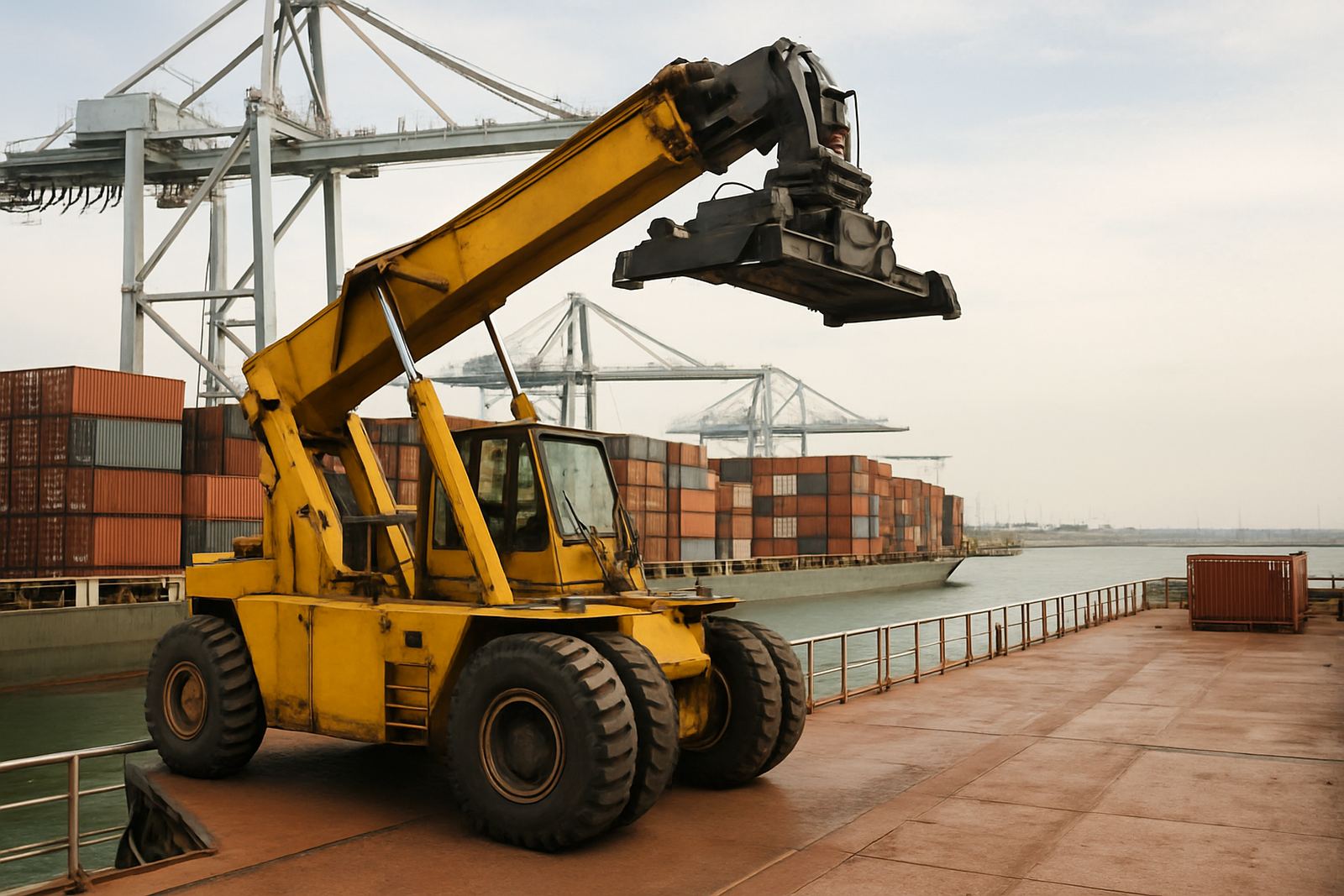
Container transport is usually the first option to consider for smaller machinery, spare parts, compact production equipment, and boxed loads with stable measurements. It offers better protection from weather, road dust and handling damage, which matters for coastal routes where humidity can affect exposed steel, controls and packaging. For clients moving into inland areas like Jet Park or City Deep, a container also gives better control over the load during road transport.
A container can work well where the machine can be secured with timber blocking, dunnage, straps and corner protection. It is also useful when the shipment includes parts, manuals, tools and accessories that must stay together. In load-shedding conditions, many businesses want the least number of handling steps, and a closed container helps reduce exposure at each stage.
- Best for compact machinery with predictable dimensions
- Useful when parts, tools and accessories travel with the main unit
- Better weather protection for coastal deliveries and storage
- Often simpler for bonded storage and inland trucking
Where breakbulk makes more sense for heavier machinery
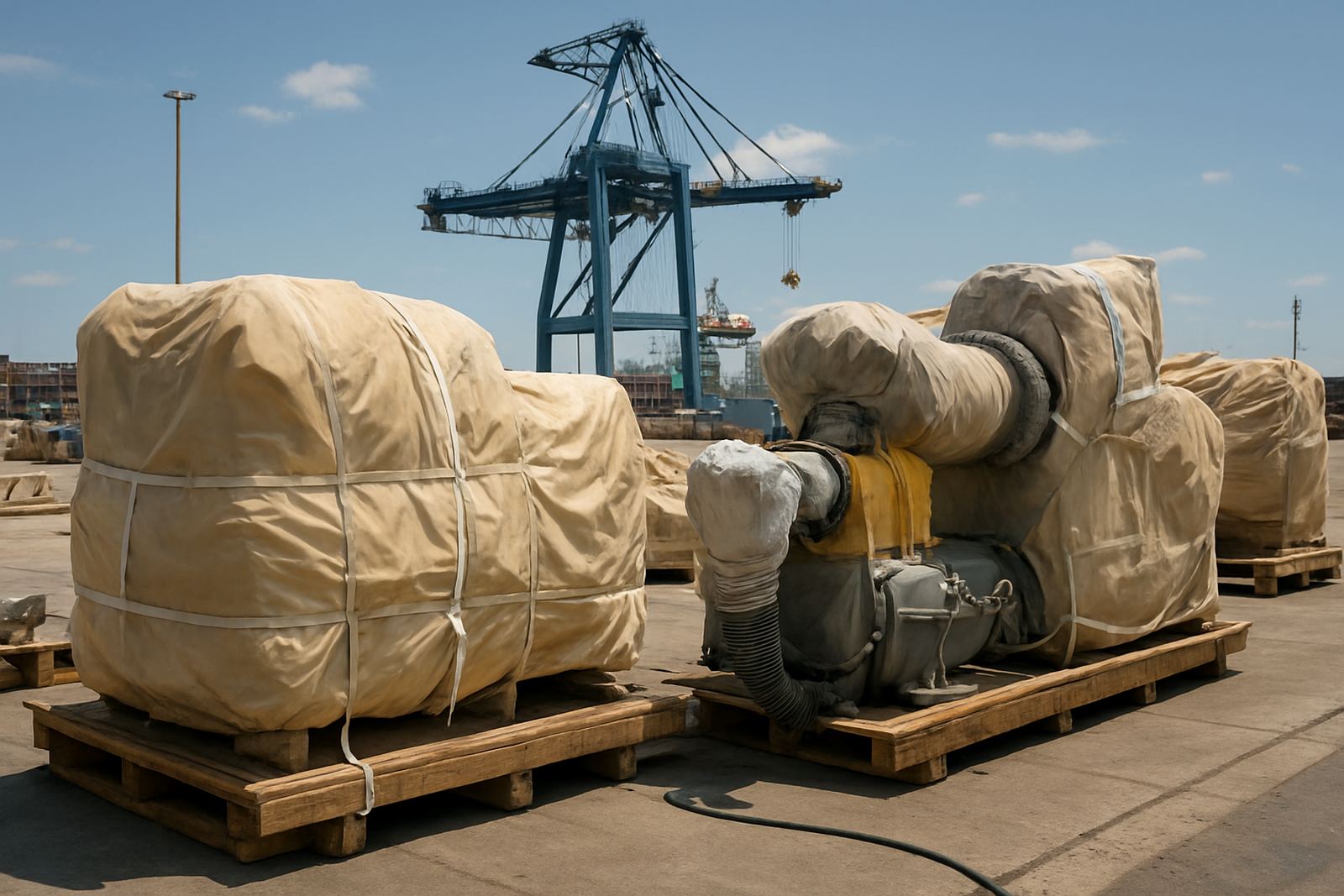
Breakbulk becomes the practical answer when the cargo is too wide, too tall or too heavy for standard container loading. This often includes plant equipment, generators on skids, large compressors, presses, pumps, and fleet or automotive equipment with irregular frames. If the machine must be lifted by crane, rolled on skates, or moved as a full crate that will not fit a container opening, breakbulk may be the safer and more workable route.
Breakbulk also helps when the machinery needs more room for inspection, lifting or direct placement at site. That matters when offloading at factories in Umbilo or Springfield Park, or when a customer needs the unit landed close to a workshop entrance. It can reduce double handling, which is useful when the site has limited space, tight yard access or a low roofline.
- Suitable for oversized units and heavy skids
- Better for awkward shapes and irregular frames
- Useful where crane offloading is already planned
- Can reduce the need to dismantle the machine
Cost, risk and timing are not the same thing
Many importers compare breakbulk and containers only on freight cost, but that is too narrow. A container may look cheaper at first, yet the cargo might need stripping, rebuilding, or special packing to fit. Breakbulk may show a higher sea freight figure, but it can save money if the machine arrives ready for direct offload and fewer labour hours are needed. The full landed cost should include packing, crane hire, port handling, customs clearing, storage and inland delivery.
Risk also changes with the method. In a container, the main risk is poor securing inside the box or hidden movement during transit. In breakbulk, the load is more exposed to weather and handling, so the crate build and lifting plan matter more. Timing can shift too. A container may move through the port faster if documents are clean, while breakbulk can require extra coordination with terminal staff, equipment booking and site delivery windows.
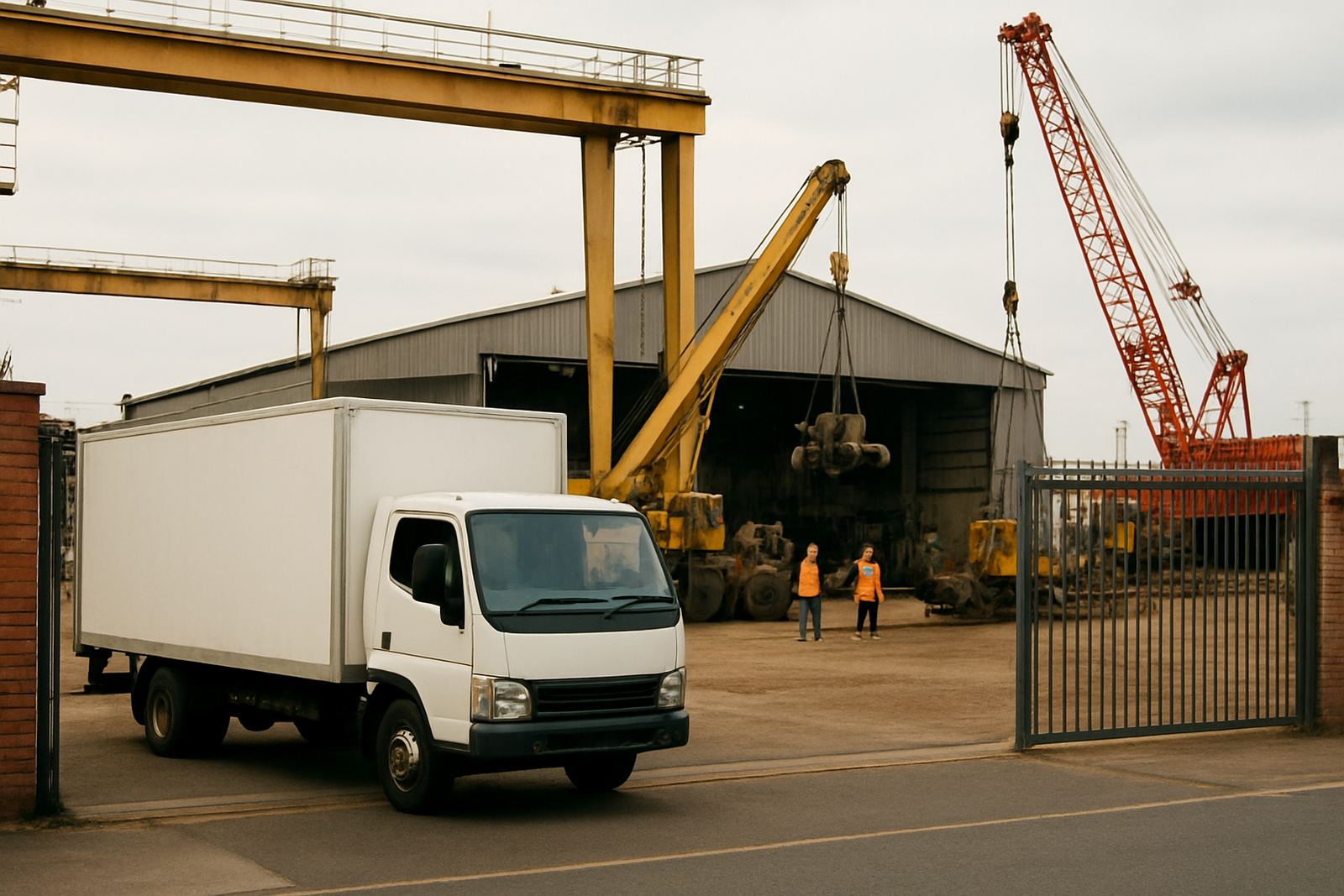
For Durban harbour corridor moves, it is worth checking the delivery site before choosing the mode. A machine going to Paarden Eiland with narrow access and limited labour may need a different plan from a unit going to a yard in Umbilo with crane access and storage space.
A Durban example: one machine, two workable routes
Take a mid-sized industrial compressor arriving through Durban for a customer in Johannesburg. If it fits in a container after crate build and still allows safe tying points, the container route can be tidy and cost-effective. The cargo stays enclosed, customs release is straightforward, and inland transport can be arranged as a sealed move through City Deep.
If the same compressor is mounted on a broad skid with height that pushes past container limits, breakbulk becomes the practical choice. In that case, the focus shifts to crane handling at the port, protective wrapping, and a direct lift onto a lowbed or stepdeck truck. That may sound more involved, but it often avoids dismantling a machine that should not be opened up before commissioning.
In real work, the deciding factor is not the label on the booking. It is how the cargo arrives, how it can be secured, and what the site can receive without extra labour or damage.
What documents and checks should happen before booking
Good document control helps either method, but it is especially important when machinery crosses borders and passes through customs scrutiny. Tariff classification must be accurate, invoice values must match the cargo, and the packing list should show dimensions, weights and contents clearly. Where there are electrical components, serial numbers and specifications should also be captured early, since missing detail can slow clearance.
Before confirming breakbulk or container, we check whether the shipment needs bonded storage, cargo insurance, or special collection timing at the port. That includes any municipal or site rules for offloading, such as truck access times, noise restrictions, or the need for a forklift on arrival. A clean file saves days later on.
- Commercial invoice and packing list with true dimensions
- Tariff code review before the cargo is booked
- Insurance arranged to match the handling risk
- Offloading plan for the receiving site
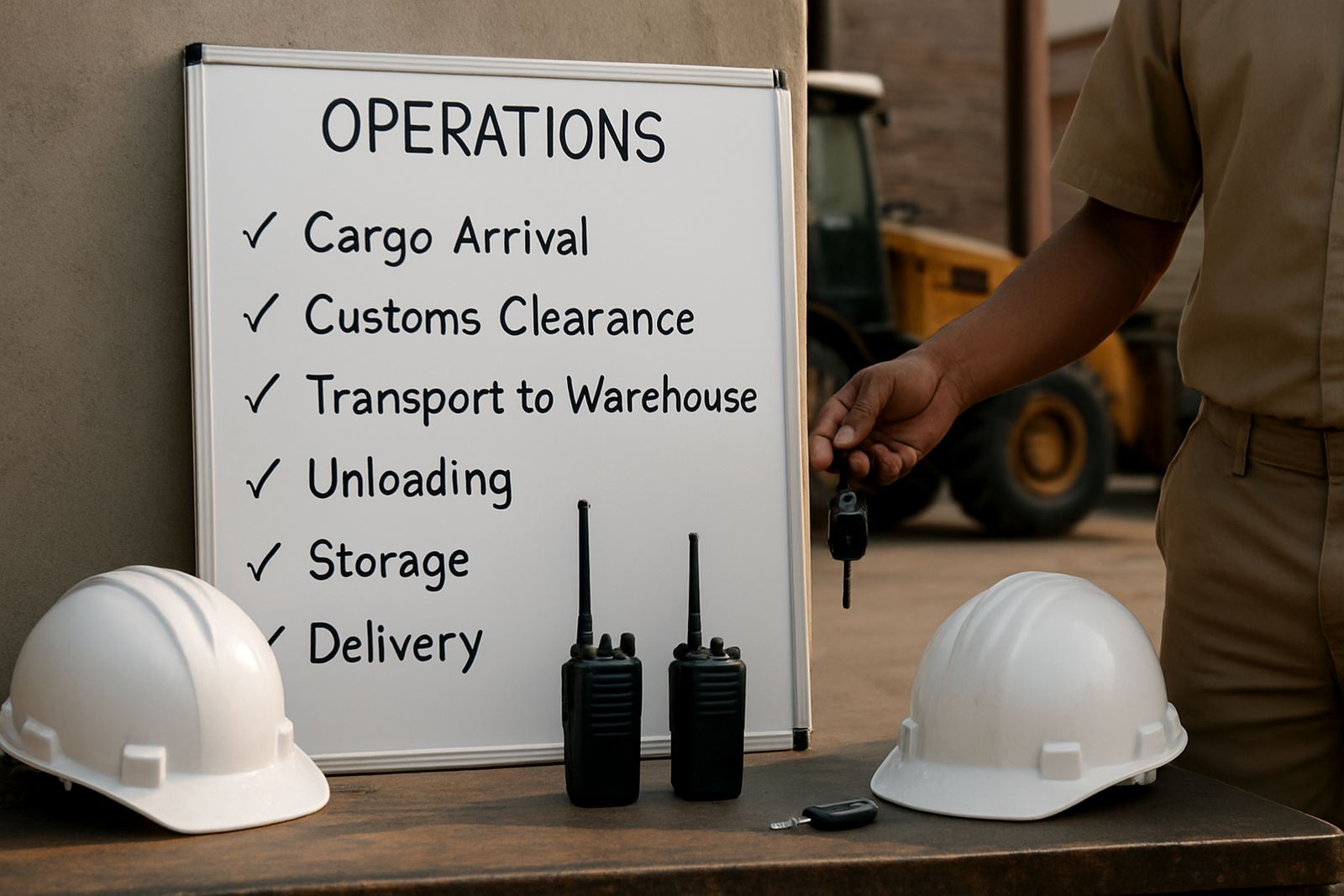
- Port collection and inland transport booked in sequence
Choosing the route that fits the machine, not the other way round
There is no single answer that works for every import. Small, enclosed machinery may move best in a container, while large or awkward equipment is often better handled as breakbulk. The safer choice is the one that matches the load, the route, and the receiving site. For many South African businesses, that decision comes down to practical issues like crane access, warehouse space, weather exposure and how quickly the machine must be commissioned.
Machines Africa Hub works across Durban, Umbilo, Springfield Park, Jet Park, City Deep and Paarden Eiland, with clearing support in Johannesburg and Cape Town. From import planning and shipping coordination to customs clearing, port collection and inland transport, the aim is to put the method around the cargo, not force the cargo into the wrong method. If your machine is coming in and you are unsure which route suits it, the answer usually starts with dimensions, weight and where it must be offloaded.