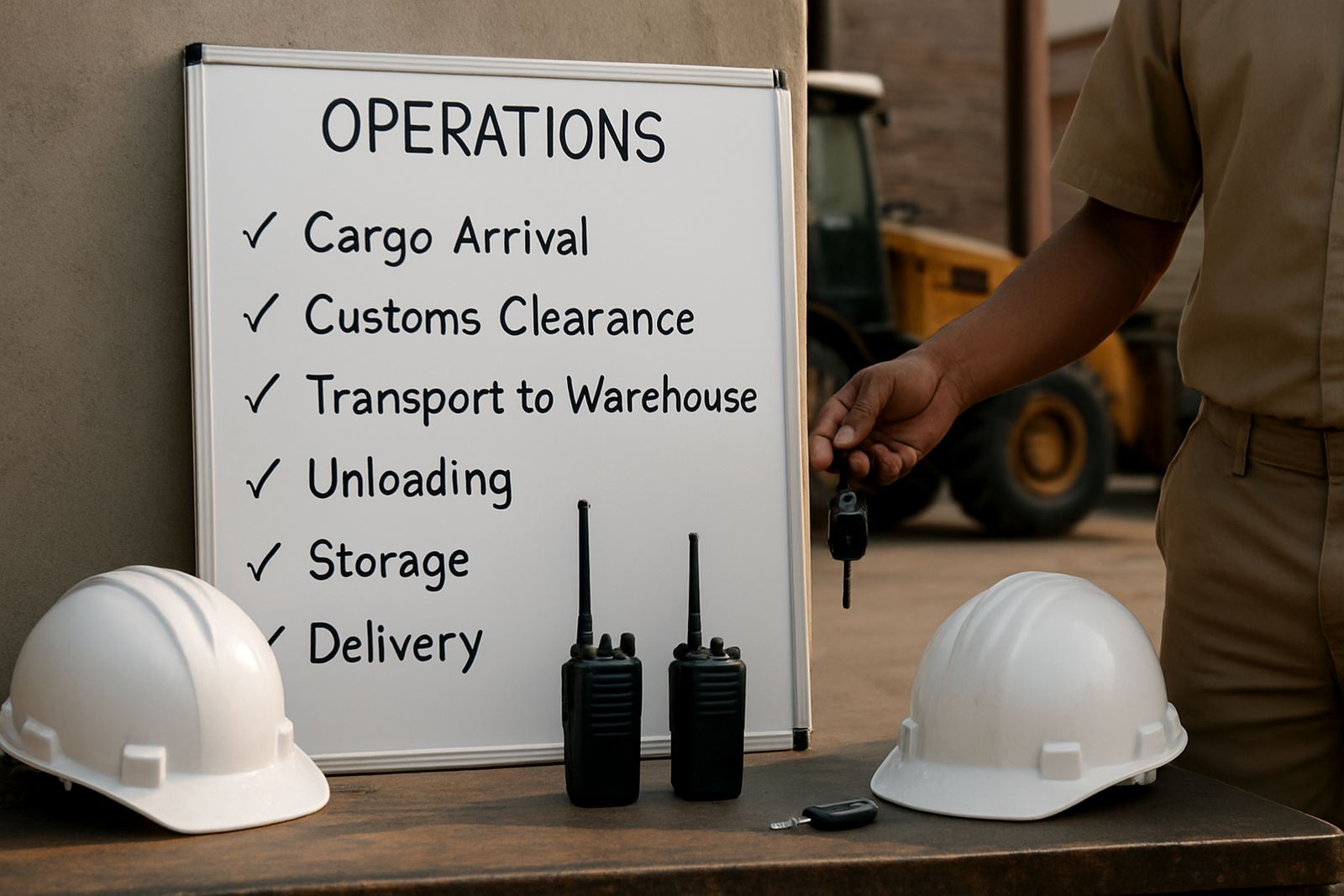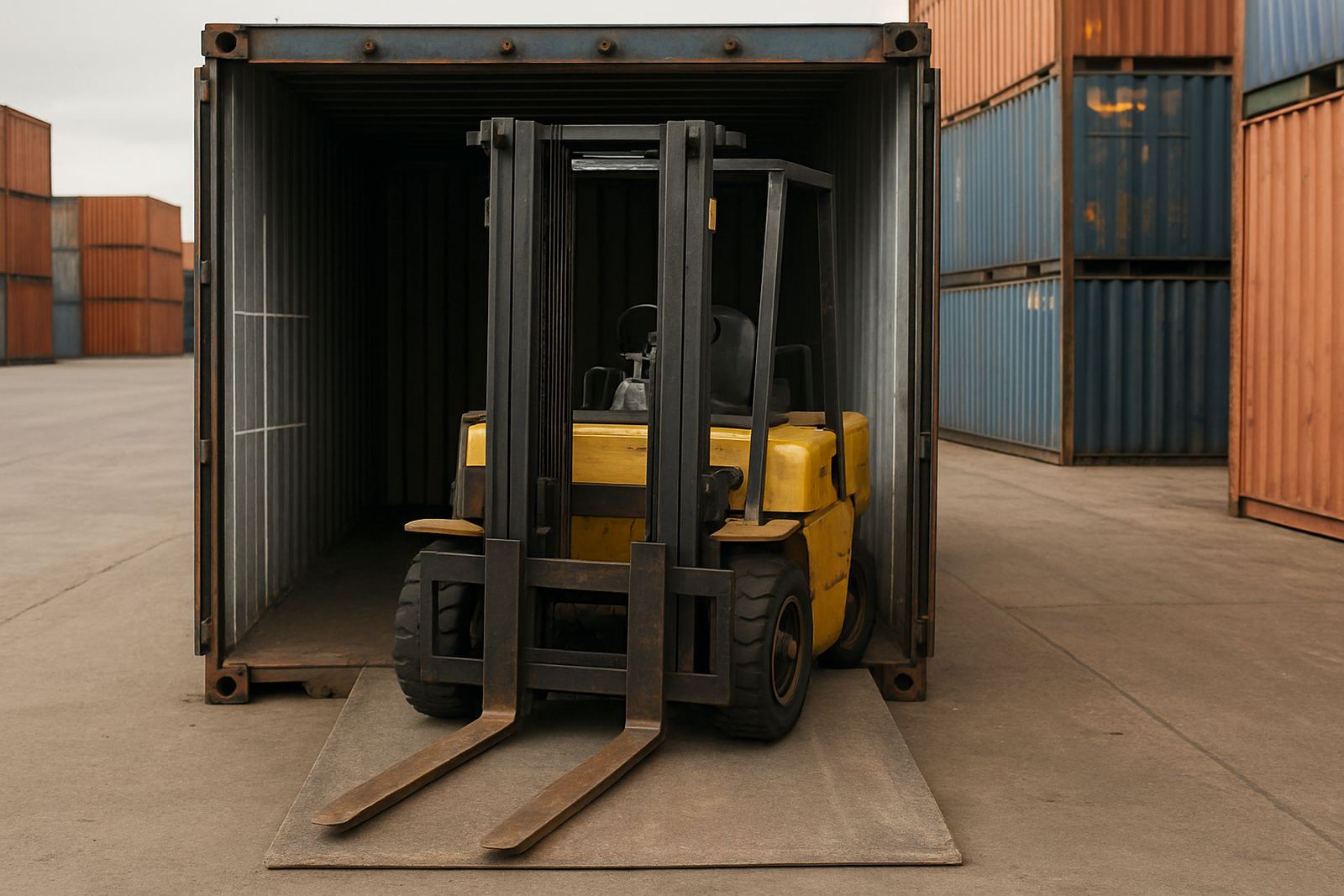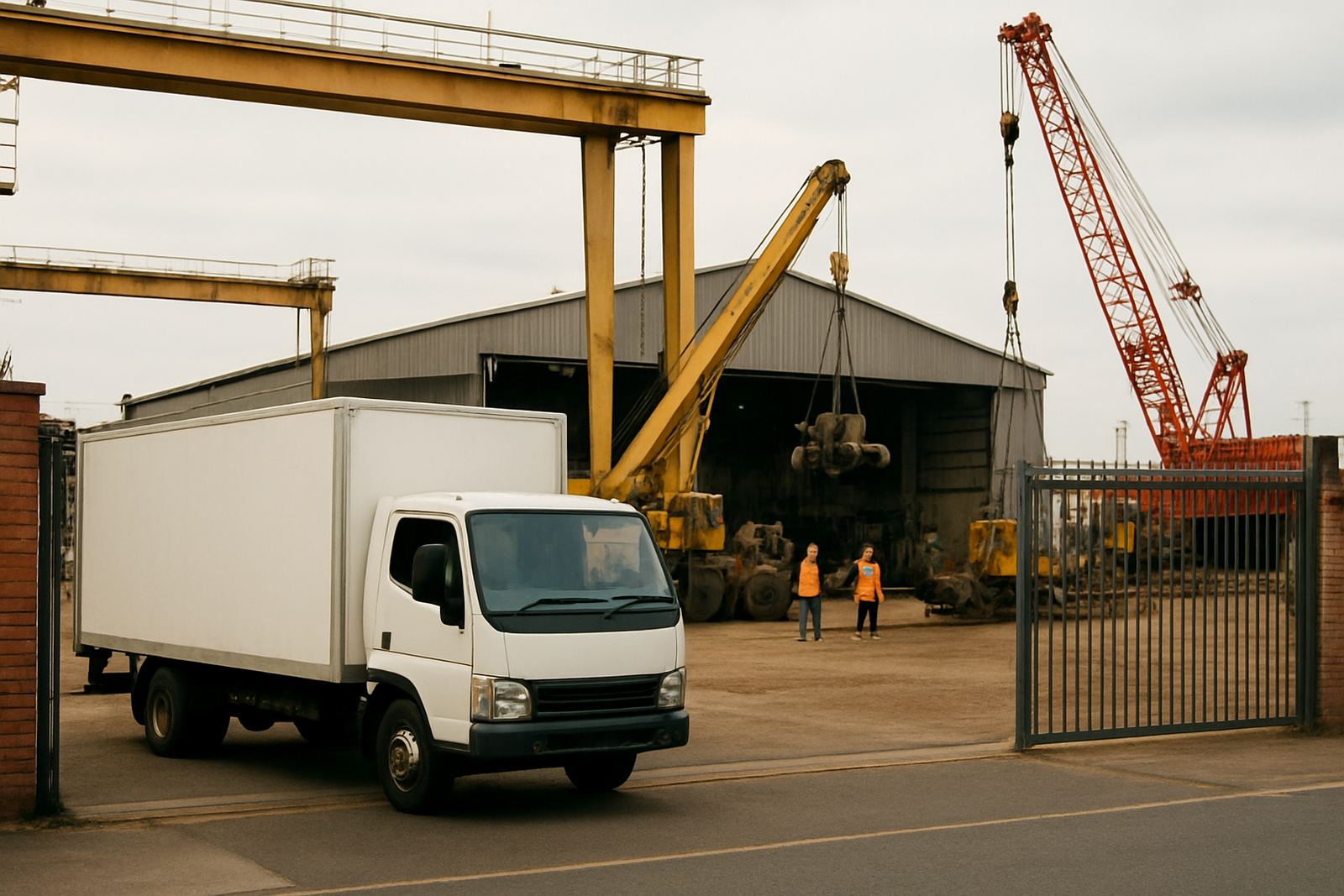
Why the last 48 hours matter most
Many delays only show up at the end of the job. A machine can clear through Durban or Johannesburg on time, then sit because the site has no forklift, the gate is locked, or the installer is still on another project. That last stretch is where storage charges, labour costs and missed handover dates often build up.
Timing final delivery means treating the site like part of the transport plan. The route from port, depot or bonded store is only one step. The receiving area must be ready for the exact load, the exact time and the exact method of offloading. If the unit needs a crane, reach stacker or low-bed access, the booking must reflect that before the truck leaves Umbilo, Jet Park or City Deep.
Check site readiness before the truck is booked
Site readiness starts with practical checks. Is the foundation cured, are anchor bolts in place, and is the floor rated for the machine weight? Has the receiving team cleared the area and confirmed power isolation if the unit will be connected on arrival? In coastal areas like Durban and Paarden Eiland, you also need to think about rust protection and whether the machine will sit outside even for one night.
We always advise clients to confirm the site 24 to 72 hours before dispatch. That small check can prevent a truck standing idle while the crew searches for keys, permits or a loading bay. Load-shedding can also affect timing if the site depends on electric gates, dock levellers or overhead lights after dark.
- Confirm access gates and height clearance for the vehicle type
- Check turning space for rigid trucks, drawbars or low-beds
- Verify offload gear is on site and in working order
- Make sure the floor, pit or stand is complete
- Nominate one person with authority to sign and receive
Match delivery time to receiving staff and equipment
Even when the site is ready, delivery can still go wrong if nobody is there to receive it. A machine arriving at 16:30 to an empty yard is not a delivery plan, it is a storage problem on wheels. The receiving team should know the ETA, the truck registration, and what paperwork must be signed. If import documents still need checking, that should happen before the vehicle crosses the city, not at the gate.
Final delivery works best when the receiving staff, driver and offloading crew are all on the same timetable. If a forklift is needed, confirm its lift capacity. If the unit is oversized, arrange a crane and traffic control where necessary. In busy areas such as Springfield Park or City Deep, access windows may be tighter than the transport itself, so timing has to suit the surrounding traffic and municipal rules.
- Send ETA updates the morning of delivery and again before departure
- Share dimensions, gross mass and centre of gravity with the site team
- Agree who will sign delivery notes and inspection sheets
- Prepare a hold point if installation or testing must follow offload
Plan around port flow, road conditions and storage limits
In the Durban harbour corridor, timing is shaped by more than the client schedule. Port gates, queue times, weather, and inland traffic all affect when a unit can move. A container released at the right time still needs a truck slot, a route that suits the load, and a site that can receive after hours if needed. If the machine is in bonded storage, the release date should be aligned to the first open slot at the destination.
Storage is often the hidden cost. A unit that waits two extra days at port or in warehouse storage can run up charges quickly. That is why planning should include the final delivery date before customs release is completed. A clear timeline helps avoid rushed decisions, especially when documentation, tariffs, or insurance cover need to be confirmed under pressure. Sometimes the safest move is to hold the cargo one day longer and dispatch it once everything is in place.
A Durban example: from Umbilo to a plant in Pietermaritzburg
One client needed a used processing machine moved from a depot near Umbilo to a factory outside Pietermaritzburg. The machine had cleared, but the workshop floor was still being patched and the electrician had not finished isolator work. Instead of sending the truck early and letting it wait, the team held dispatch for 36 hours and rechecked the site the afternoon before loading. That avoided a wasted trip, a crane call-out and an overnight parking charge.
On the day of delivery, the site supervisor, forklift operator and installer were all present. The truck arrived within the agreed half hour window, the machine was offloaded safely, and the driver left without delays. That job worked because the delivery date followed the site, not the other way round.
- Confirm site work is complete before the truck departs
- Use a narrow delivery window if labour or equipment is limited
- Recheck road access for low bridges, tight corners and wet weather
- Keep a backup contact available if the main receiver is away
What to include in the final delivery plan
A proper final delivery plan should be simple enough for everyone to follow and detailed enough to stop surprises. It must show where the load is coming from, where it is going, who is receiving it, and what equipment will be used at both ends. If the machine is going to a site in Durban, Johannesburg or Cape Town, include the local access details as well, because a warehouse in Paarden Eiland is not handled the same way as an industrial yard in Jet Park.
We recommend one agreed plan that covers clearing, collection and delivery in the same sheet. That way the transport team, client services, customs lead and receiving site all work from the same information. It sounds simple, but it saves a lot of time and a fair bit of stress.
- Release date and expected collection time
- Delivery address, contact person and after-hours numbers
- Offload method and equipment required
- Insurance status during transit and offload
- Any municipal, port or site permit needed
The safest delivery is the one that waits for the site
Final delivery is not just transport, it is coordination. When the site is ready, the team is present and the equipment is set up to receive the load, the handover is quicker and less expensive. If any one of those parts is missing, the truck becomes part of the delay.
At Machines Africa Hub, we keep delivery timing tied to the realities on the ground. That means checking port release, inland routing, offload readiness and site access before we book the final leg. It is the best way to keep machinery moving and protect the client from avoidable costs.