Why storage charges start so quickly at the port
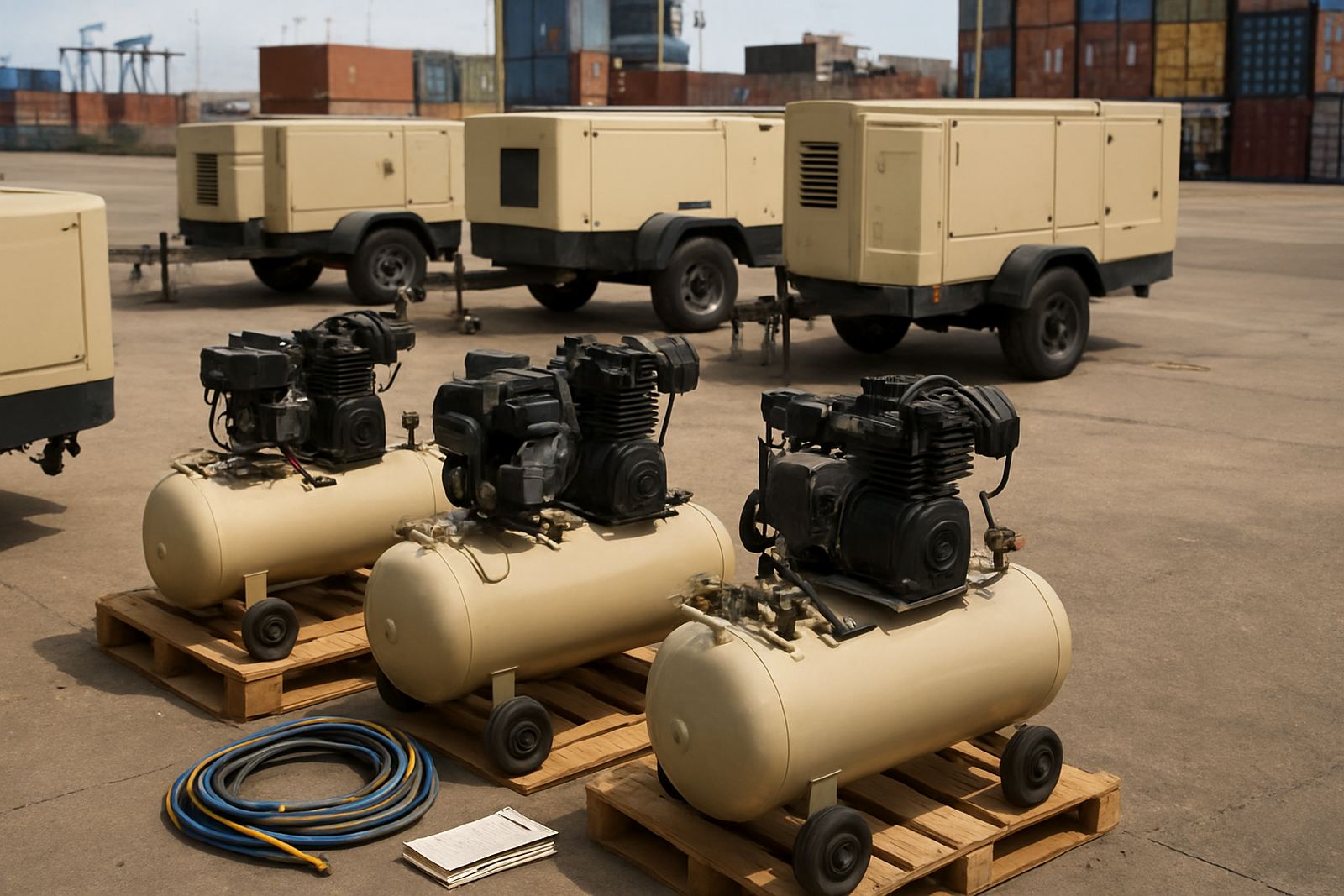
Port storage is charged when cargo stays in the terminal after the free period has run out. For machinery, that window can close faster than people expect, especially when the vessel arrives on a busy week or documents are not ready for customs release.
In the Durban harbour corridor, a small delay of 2 or 3 days can already change the cost profile of a shipment. If the cargo is oversized, requires special handling, or has to be moved from one storage area to another, the bill rises again. Add congestion, weather, or a public holiday and the numbers keep moving.
- Free time ends, storage starts
- Late release causes daily accumulation
- Special handling can add extra charges
- Peak season and port congestion can slow collection
The charges that usually build up together
Storage is only one part of the picture. Most importers also face clearing fees, terminal handling, port collection costs, inland transport waiting time, and sometimes extra inspection or documentation charges. If the machine sits in port because one invoice is missing, the total can grow across several line items at once.
That is why a shipment that looked affordable on paper can become expensive by the time it reaches Umbilo, Jet Park or City Deep. The machine itself has not changed, but the release process has slowed and every day in the terminal adds another cost.
- Storage after free days expire
- Customs amendments if tariff details are wrong
- Truck standby if collection is delayed
- Extra handling if cargo must be repositioned
- Bonded storage charges if cargo is moved off port under bond
What delays machinery release most often
The biggest cause is usually paperwork. A missing bill of lading, an incorrect supplier invoice, or the wrong HS code can hold a machine until customs is satisfied. For used equipment, serial numbers and condition details also need to match the declaration. If they do not, the release can stop while the file is checked.
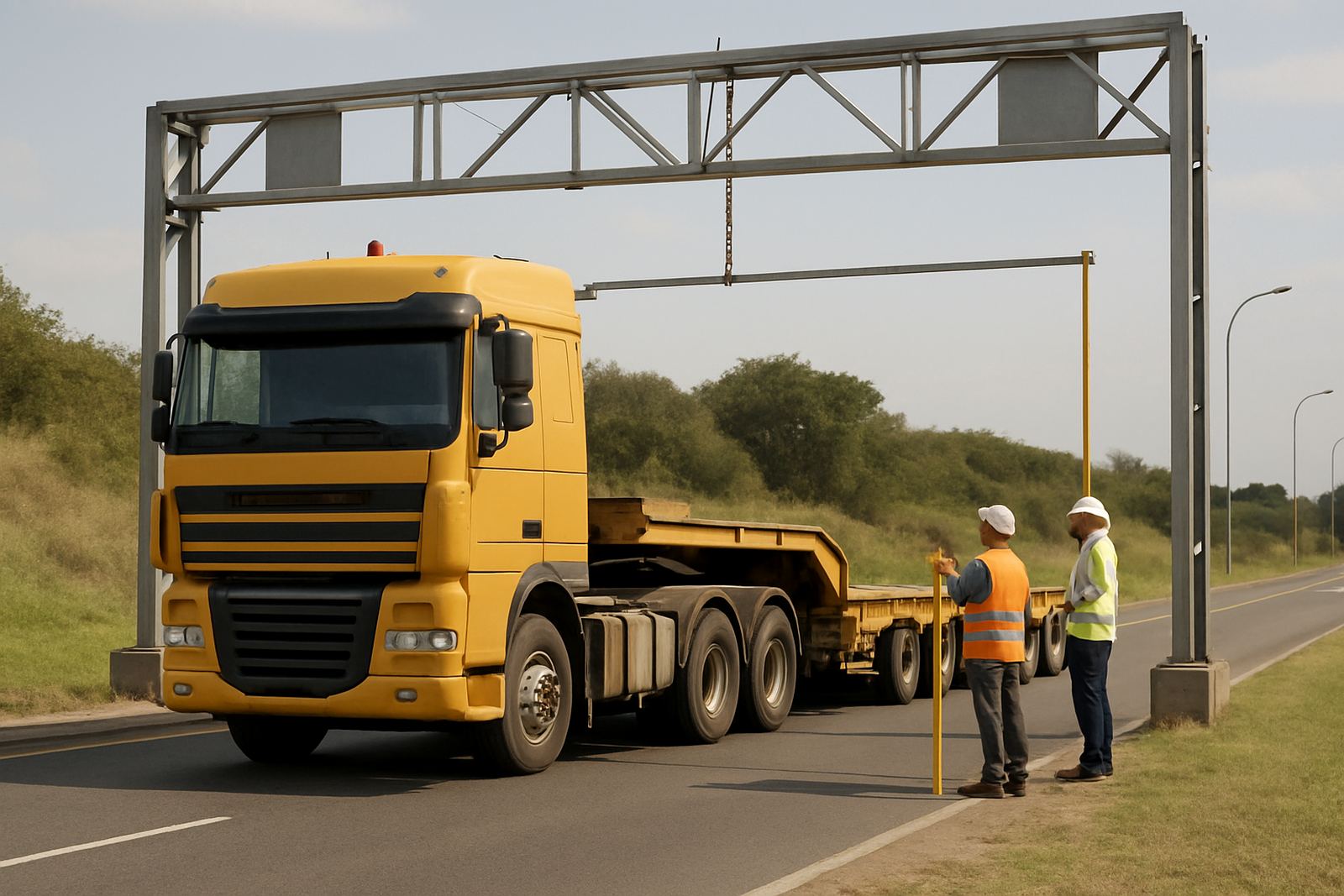
Transport is another common cause. A client may have clearance in hand but no suitable lowbed or crane booked for the collection. In Durban, that means the cargo stays in storage while the transport plan is sorted out. The same thing happens with inland movements to Gauteng or Cape Town if the route, permits or offloading site are not confirmed in time.
- Missing or inconsistent documents
- Incorrect tariff classification
- Outstanding duties or VAT queries
- No collection vehicle booked
- Site not ready for offloading
A Durban example that shows how fast costs move
A client brings in a used forklift through Durban for a warehouse in Springfield Park. The vessel lands on a Tuesday, but the supplier invoice shows the wrong serial number and customs asks for an amended document. The correction takes two days. By then storage has already started, and the transport contractor cannot collect until Friday because the offloading site is only open on that date.
What began as a short delay turns into storage, rebooking, and truck waiting time. If the machine was meant for a manufacturing line, the business also loses operating time. That is why port costs should be managed as part of the full project, not as a line item at the end.
In practice, the same pattern can happen for cargo moving through Paarden Eiland, Jet Park or City Deep. A small admin issue in Durban can affect the whole inland delivery chain.
How to keep storage charges under control
The safest approach is to prepare before the vessel arrives. Check that the shipping documents, invoice values, packing details and machine serial numbers all line up. Confirm who is receiving the cargo, where it will go, and whether the site can take delivery on the expected date.
For machinery moving through a port corridor, good planning often saves more money than trying to react after the cargo is already in store. A bonded movement, for example, may suit certain projects better than leaving the machine in port until every detail is finalised. Cargo insurance should also be in place before the shipment lands, because storage delays sometimes sit alongside damage risk or weather exposure.
- Send documents early for checking
- Confirm duty, VAT and tariff classification in advance
- Book transport before arrival, not after release
- Make sure the delivery site can receive the machine
- Keep contact details current for quick approvals
When a clearing team should step in
If the cargo has already landed and storage is growing, quick action matters. A clearing team can trace the hold, confirm what customs needs, and line up collection once release is granted. In busy ports, that coordination can save a shipment from sitting an extra day or two longer than necessary.
Machines Africa Hub works from Umbilo in Durban with support across Durban, Springfield Park, Jet Park, City Deep and Paarden Eiland. The team handles import planning, shipping coordination, customs clearing, tariff classification, port collection, inland transport, cargo insurance, bonded storage, site offloading and document management. For storage-sensitive machinery, that full chain is often what keeps the final cost under control.
In storage matters, speed helps but accuracy saves more. One missing paper can cost more than a week of talk.