Start with the job, not the price
Before you compare quotations, be clear on what the machine must do in your operation. A second-hand excavator, compressor, forklift or packaging unit might look like value on paper, but if it cannot handle your site conditions, the saving disappears quickly. In South Africa that means checking the duty cycle, power supply, lifting capacity, hydraulic condition and whether spares are still available locally.
If the machine is going into a Durban warehouse with long operating hours, or a coastal yard in Paarden Eiland where salt air is a factor, ask more than just age and hours. Ask how it was used, whether it worked indoors or outdoors, and when it last had a major service. For fleet and logistics buyers, this is especially important because a machine that sits idle for days during load-shedding or after a breakdown can disrupt the full schedule.
- Confirm the exact model, year and serial number.
- Check rated capacity, working hours and service intervals.
- Match voltage, fuel type and plug or coupling types to South African site needs.
- Ask if the machine has had any structural repairs, overheating or hydraulic leaks.
Inspect the condition properly, with proof
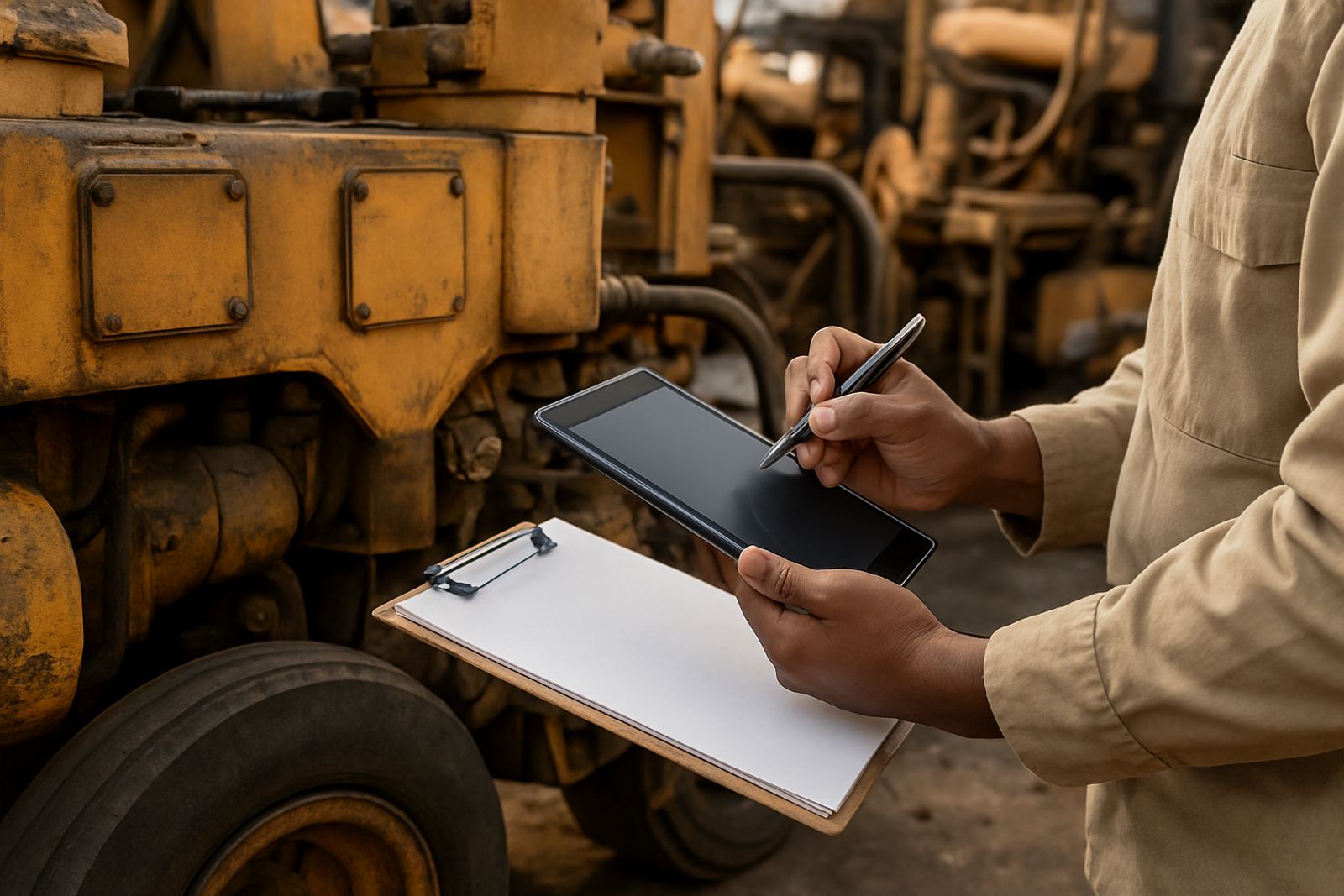
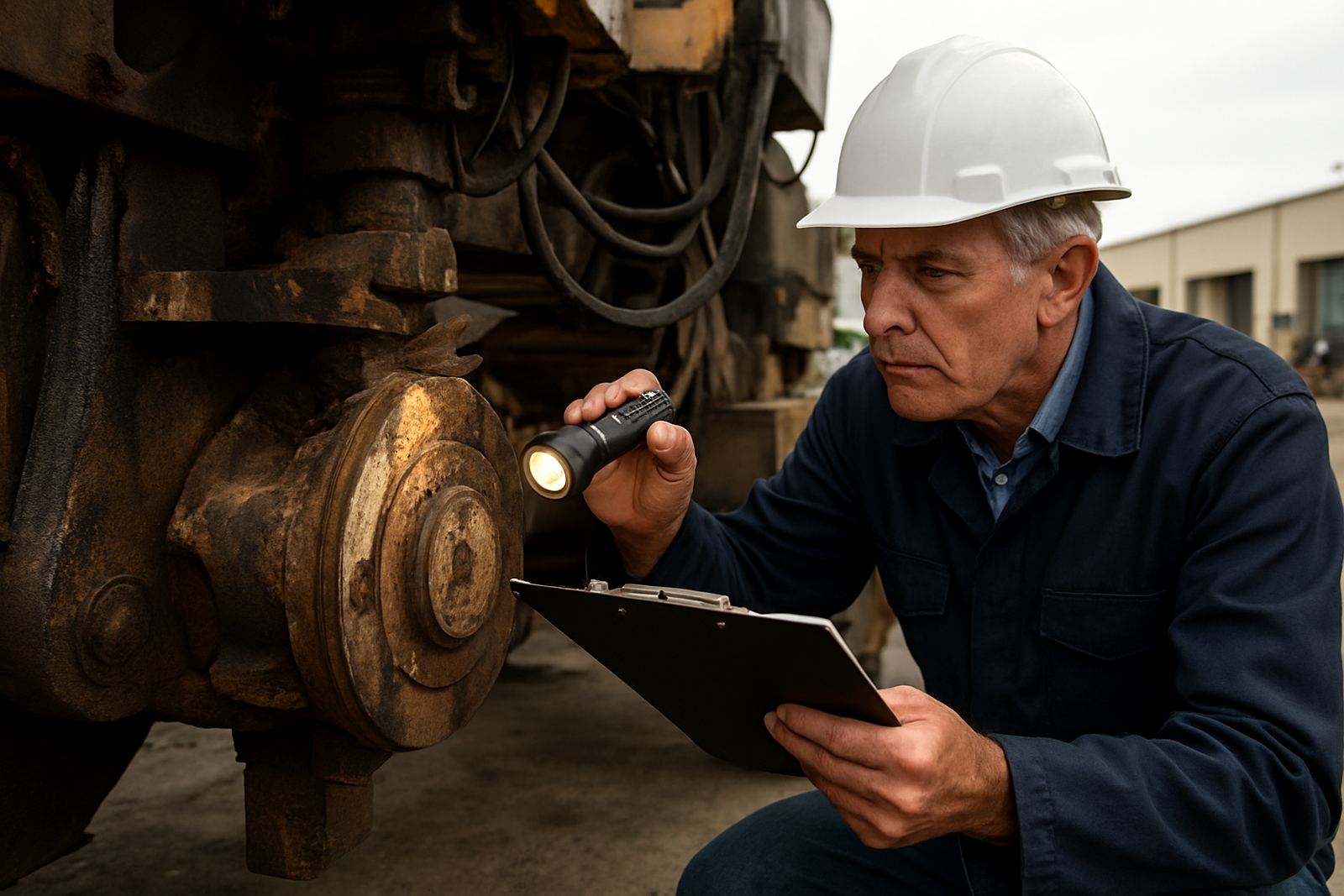
Photos are useful, but they do not replace a proper condition report. Ask for clear images of the machine from all sides, the control panel, tyres or tracks, engine bay, wear parts and the data plate. If the seller can provide a short video of the machine starting, running and lifting or cutting under load, that is far better than polished sales talk.
Where possible, request an independent inspection before shipment. That can be done at the seller’s yard or warehouse, and it is worth the cost for higher-value machinery. In many cases, a basic pre-shipment report will reveal oil leaks, welded frames, missing guards or worn bearings that are easy to miss from a distance.
- Look for rust, corrosion and signs of long storage in humid conditions.
- Check tyres, chains, belts, blades and hoses for wear.
- Verify that safety guards, emergency stops and warning labels are in place.
- Ask for test readings where relevant, such as pressure, temperature or load test results.
Check the paperwork before any money moves
Used machinery often gets delayed because the documents are incomplete or inconsistent. The invoice, packing list, serial numbers and origin details must line up. If one number is missing or one description is vague, Customs may ask for clarification and the cargo can sit while the file is corrected.
For South African imports, tariff classification matters. Different machine types attract different duty rates, VAT treatment and possible permit requirements. A seller’s description may not be accurate enough for customs purposes, so the machine must be classified properly before it ships. This is where clear technical detail helps, not guesswork.
- Get a pro forma invoice with the exact machine description and serial number.
- Confirm the country of origin and the year of manufacture.
- Ask for any export certificate, de-registration papers or ownership proof.
- Make sure the packing list matches the actual number of crates, loose parts and accessories.
Know the freight and port costs upfront
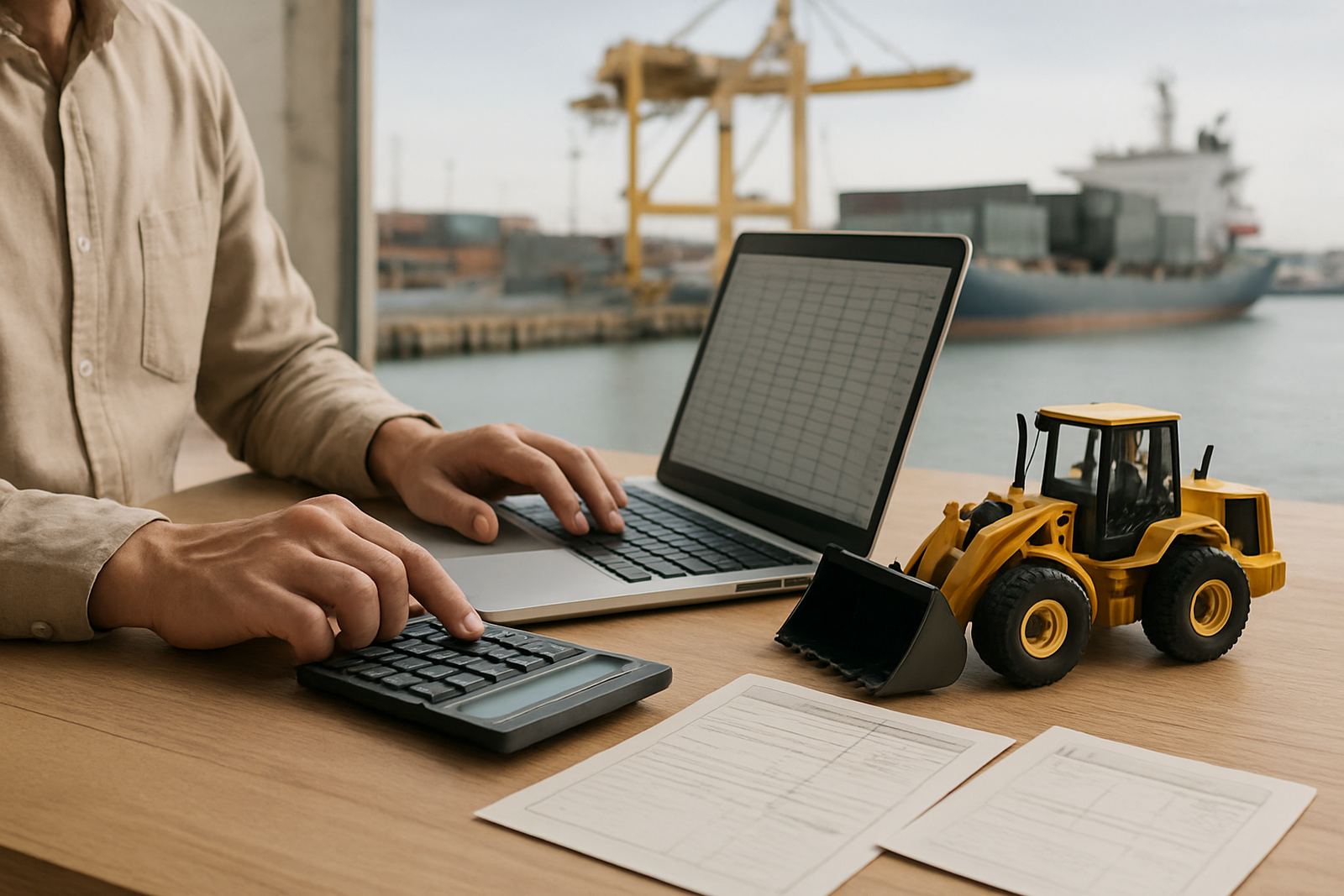
The selling price is only part of the total landed cost. You also need to include ocean freight, export handling, insurance, port charges, customs clearing, inland transport and offloading at site. A machine that looks cheap from Asia or Europe can become expensive once it lands in Durban and needs road transport to Johannesburg or Cape Town.
Oversize or overweight machines need proper planning. If the load exceeds normal road limits, you may need special transport arrangements, route checks or municipal permissions for delivery in busy industrial areas like Jet Park or City Deep. It is best to know these requirements before the machine is bought, not after it arrives at the harbour.
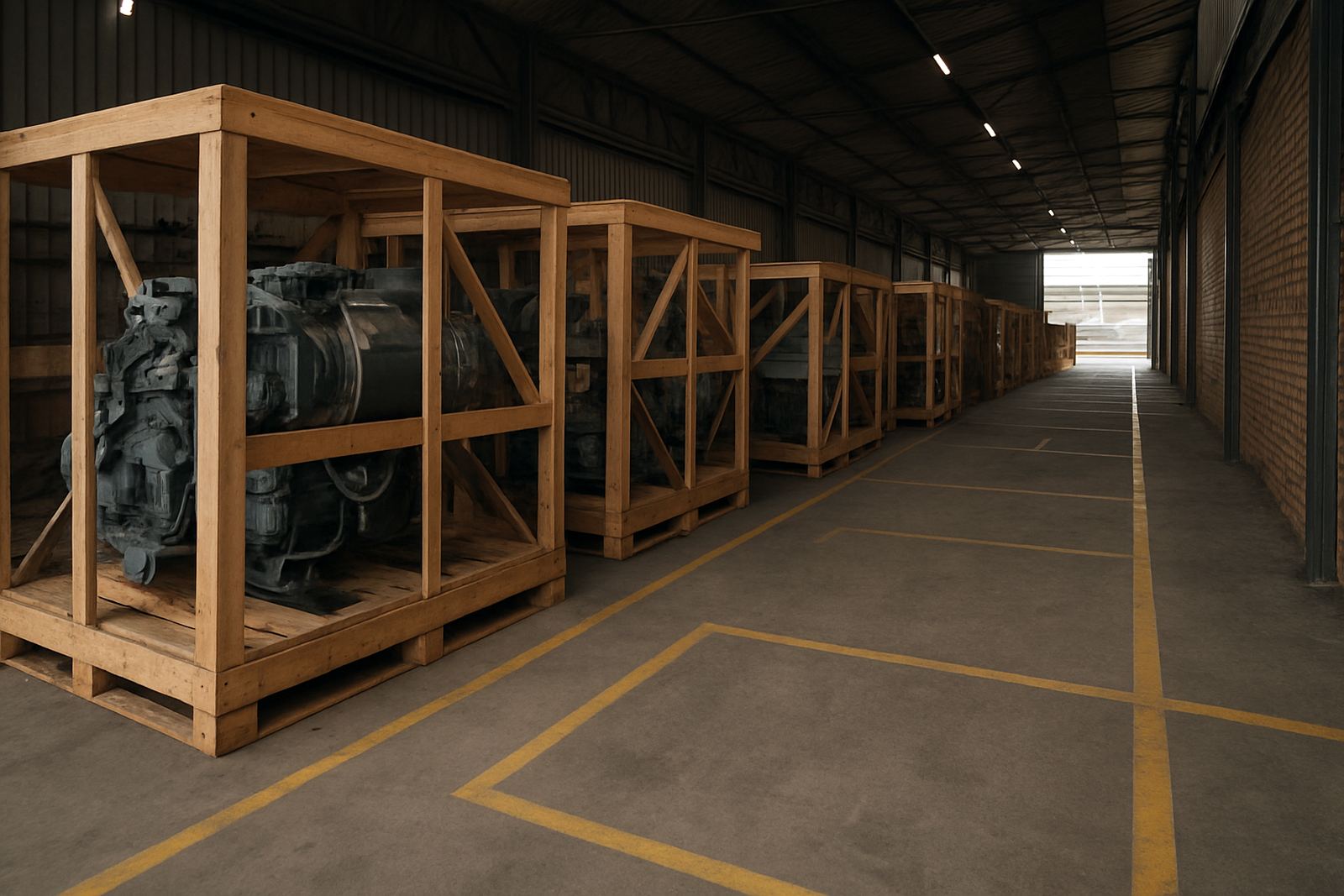
Also check whether the seller has prepared the machine for shipping. Drainage of fuel and oils, corrosion protection and secure crating can reduce damage and cleaning delays at the port. Machines that arrive loose or badly packed often cost more to handle, and the risk of damage is higher.
Ask about spares, support and installation
A used machine can be a good buy if you can keep it running. Ask who will service it, where the spare parts come from and whether the manuals are available in a usable format. If the machine uses specialist electronics or hydraulic components, make sure those parts can be sourced without waiting months for a small part from overseas.
Installation matters too. Some equipment needs a level slab, power upgrades, ventilation, anchor bolts or crane offloading. If the buyer has not checked this properly, the machine can sit in a yard for weeks after clearing. We often see this with workshop equipment, packaging lines and smaller plant that arrives on time but cannot be fitted into the site without extra work.
- Confirm spare parts availability in South Africa or nearby markets.
- Ask for operation manuals, wiring diagrams and maintenance records.
- Check if the machine needs specialist rigging or a certified installer.
- Plan for offloading space, access height and turning radius at the delivery point.
A Durban example: what happens when the basics are skipped
A client in Umbilo once looked at a used machine offered by an overseas seller at a good price. The photos looked fine and the seller promised quick dispatch. But the serial number on the invoice did not match the data plate, and the packing list omitted several loose components. The machine arrived in Durban, then sat while the documents were corrected and the tariff code confirmed.
By the time the cargo was released, the buyer had already paid extra storage, additional handling and a second transport booking to Johannesburg. The machine itself was acceptable, but the lack of checks turned a saving into a delay. That kind of problem is common where a buyer focuses only on the purchase price and forgets the landing costs and paperwork.
The better approach is simple: verify condition, verify documents, verify transport, then pay. It saves money and keeps the machine moving through the harbour corridor without avoidable stops.
Use a checklist before you commit
Used machinery buying works best when the process is disciplined. A short due diligence checklist can save you from bad stock, hidden repairs and customs issues. It also helps your freight and clearing team prepare the right route, paperwork and delivery plan from the start.
Before signing off, make sure these points are covered:
- Technical fit for the job and site conditions.
- Independent inspection or clear evidence of condition.
- Correct invoice, origin details and serial numbers.
- Tariff classification and any permit needs confirmed.
- Freight, insurance, port charges and inland transport included in the budget.
- Installation, offloading and spare parts support planned in advance.
When all of that is checked, buying used machinery from overseas becomes far less risky. It is then a commercial decision, not a gamble.