Why bonded storage matters when cargo arrives early
Imported machinery does not always arrive on a neat timeline. A shipment may land in Durban while the invoice is still being checked, the tariff code is being confirmed, or the final supporting papers are still on the way from overseas. Bonded storage gives you a lawful place to hold that cargo without rushing the wrong step.
For importers in South Africa, that breathing room can save money and stress. Instead of moving goods into general storage or leaving them in the port system where charges can climb quickly, bonded storage keeps them in a controlled facility until clearing is complete. That is especially useful for heavy equipment, fleet parts, and automotive cargo that needs careful handling and proper paperwork.
It also helps when a client is coordinating several moving parts at once. One consignment may be ready for release, another may still need tariff classification, and a third may be waiting on cargo insurance confirmation. Bonded storage gives the operations team time to line things up without exposing the goods to unnecessary risk.
What happens to goods while they are in bond
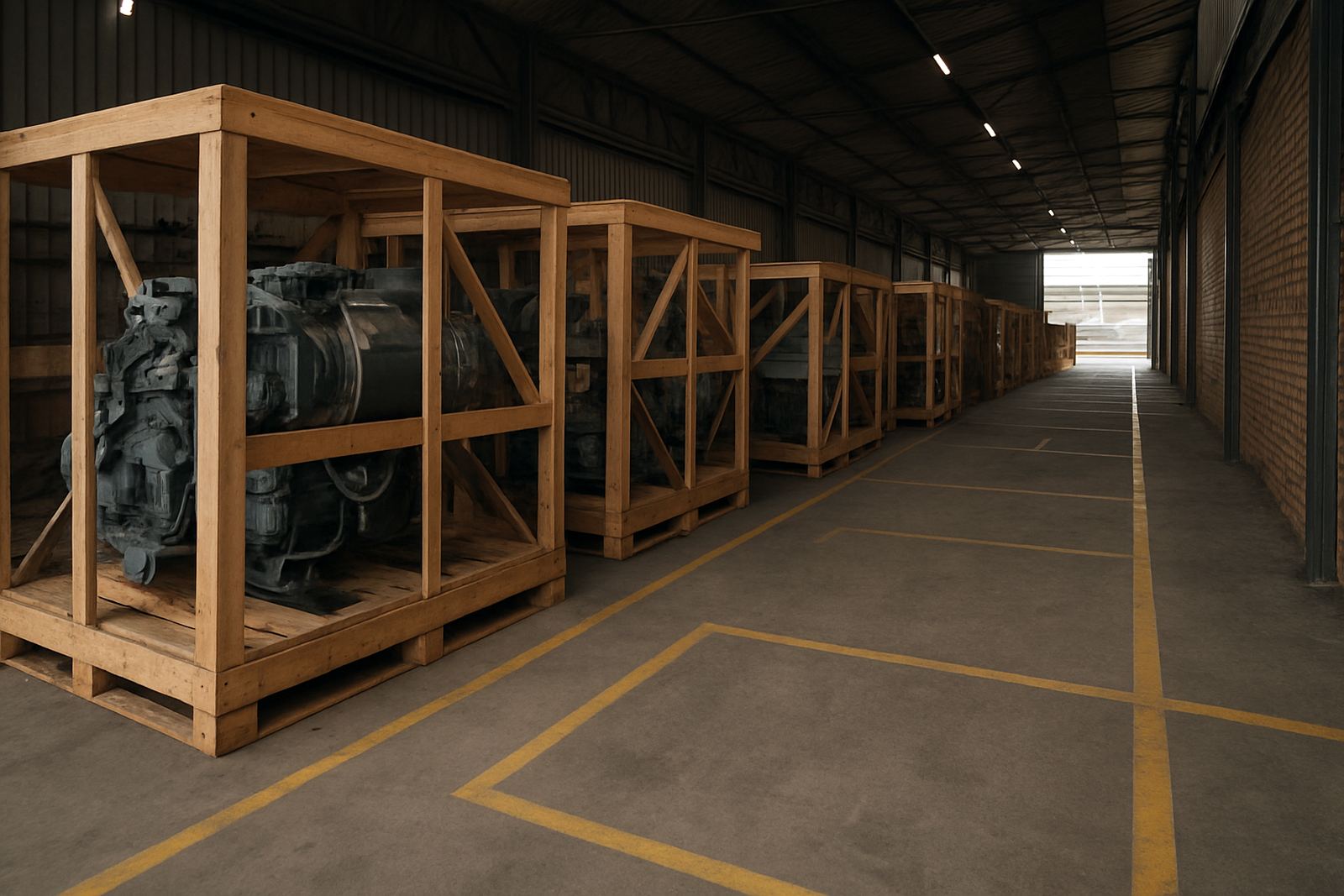
Bonded storage is not the same as ordinary warehousing. The goods remain under customs control until the required documentation and charges are sorted out. That means the facility must keep proper records, separate the bonded stock, and only release cargo once the clearing process allows it.
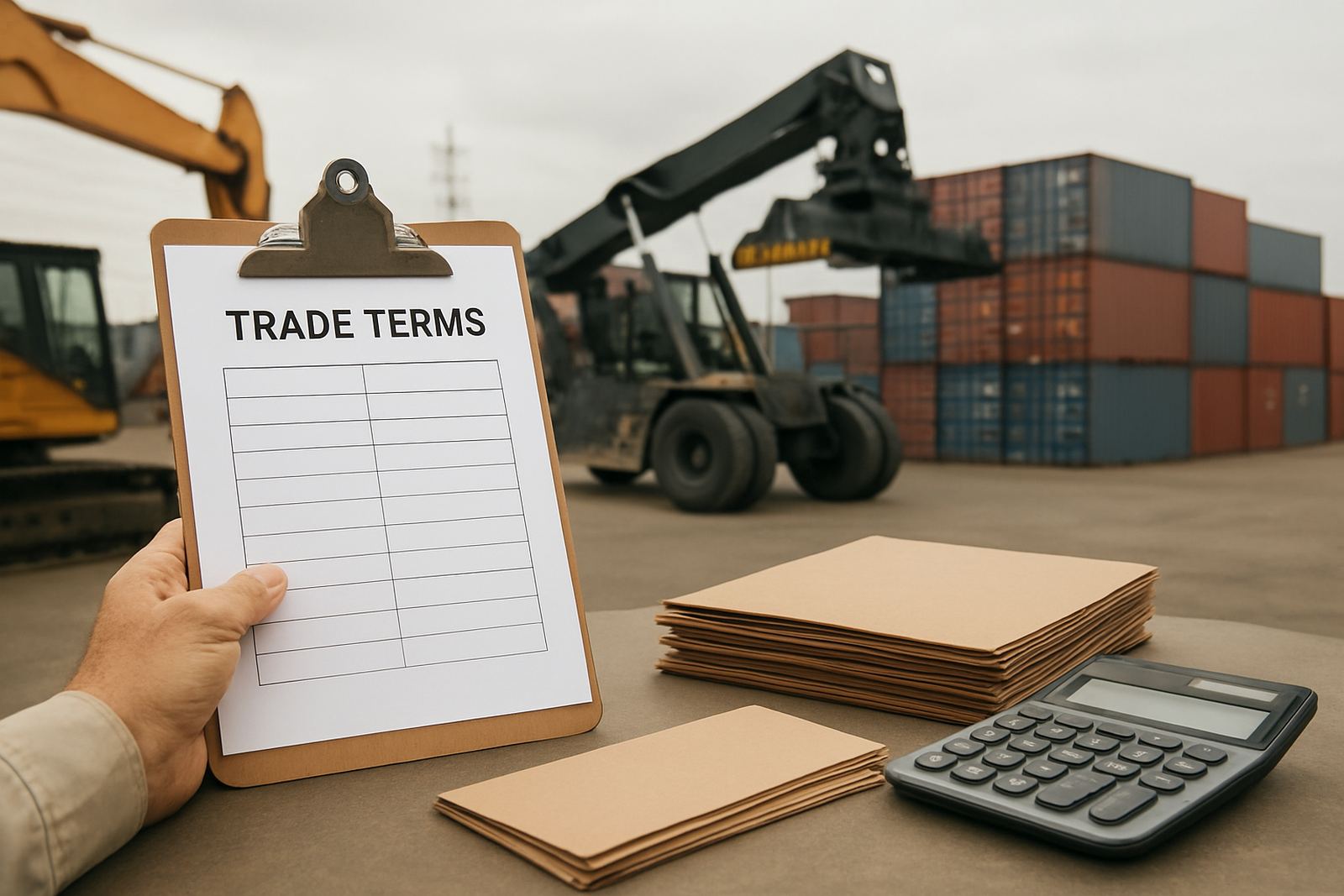
In practice, the importer still has work to do during the storage period. This is where document management matters. Missing a serial number, HS code detail, or invoice correction can slow release and add avoidable cost. A good process keeps the paper trail tidy from the first notice of arrival through to final release.
- Goods stay under customs control until cleared
- Storage records must match the cargo exactly
- Release only happens once duties, permits or supporting papers are in order
- Bonded storage helps reduce pressure while the final documents are completed
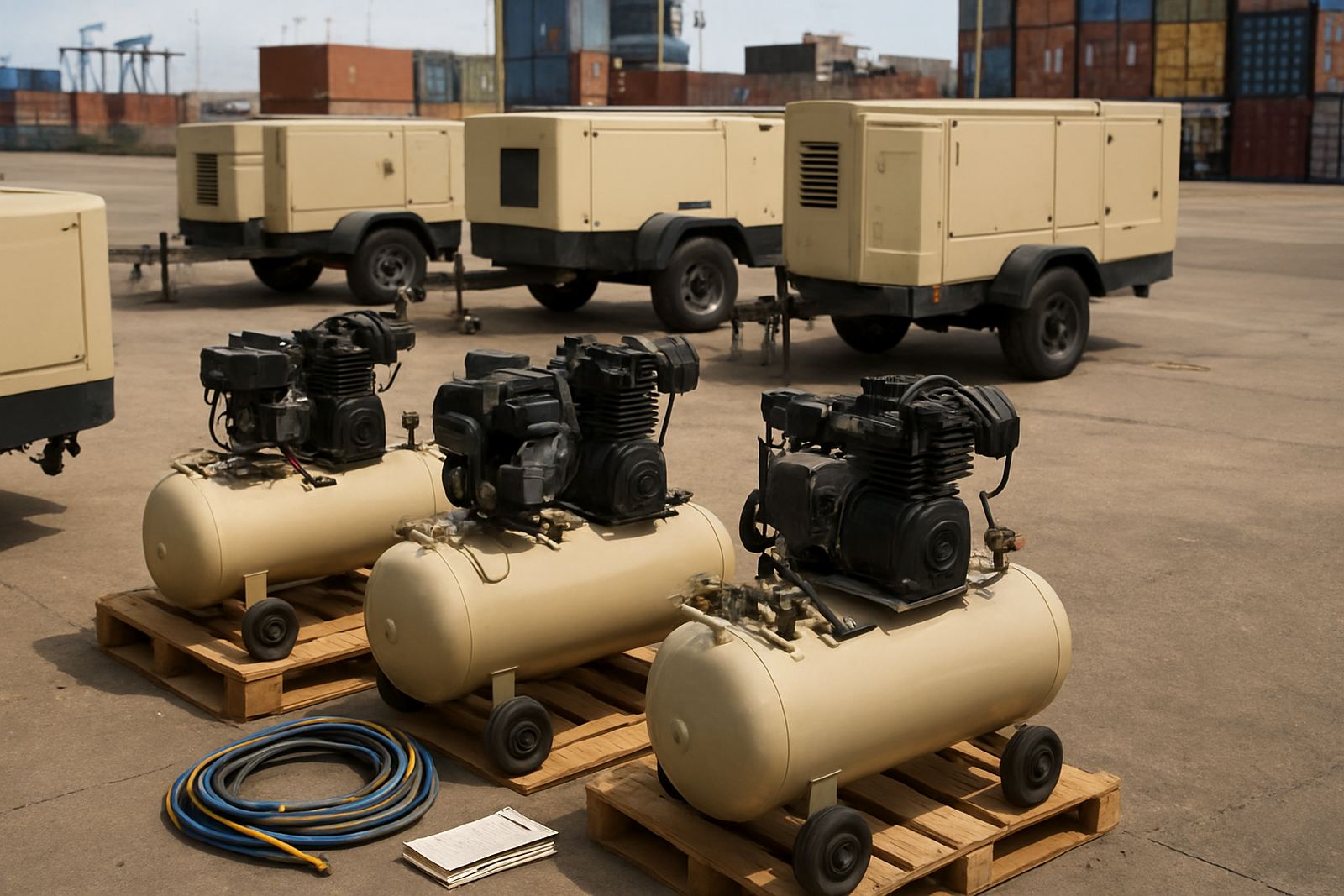
When the cargo is machinery, there is often extra care needed around condition checks, packaging, and offloading. That is important in Durban’s harbour corridor where the pace is fast and turnaround time can be tight.
How bonded storage helps importers avoid rushed decisions
One of the biggest benefits of bonded storage is that it prevents bad decisions made under pressure. A clearance team should not have to guess on tariff classification just to get cargo out of port. Nor should a fleet operator accept delivery before the site is ready, the offloading team is on standby, or the receiving yard can take the load.
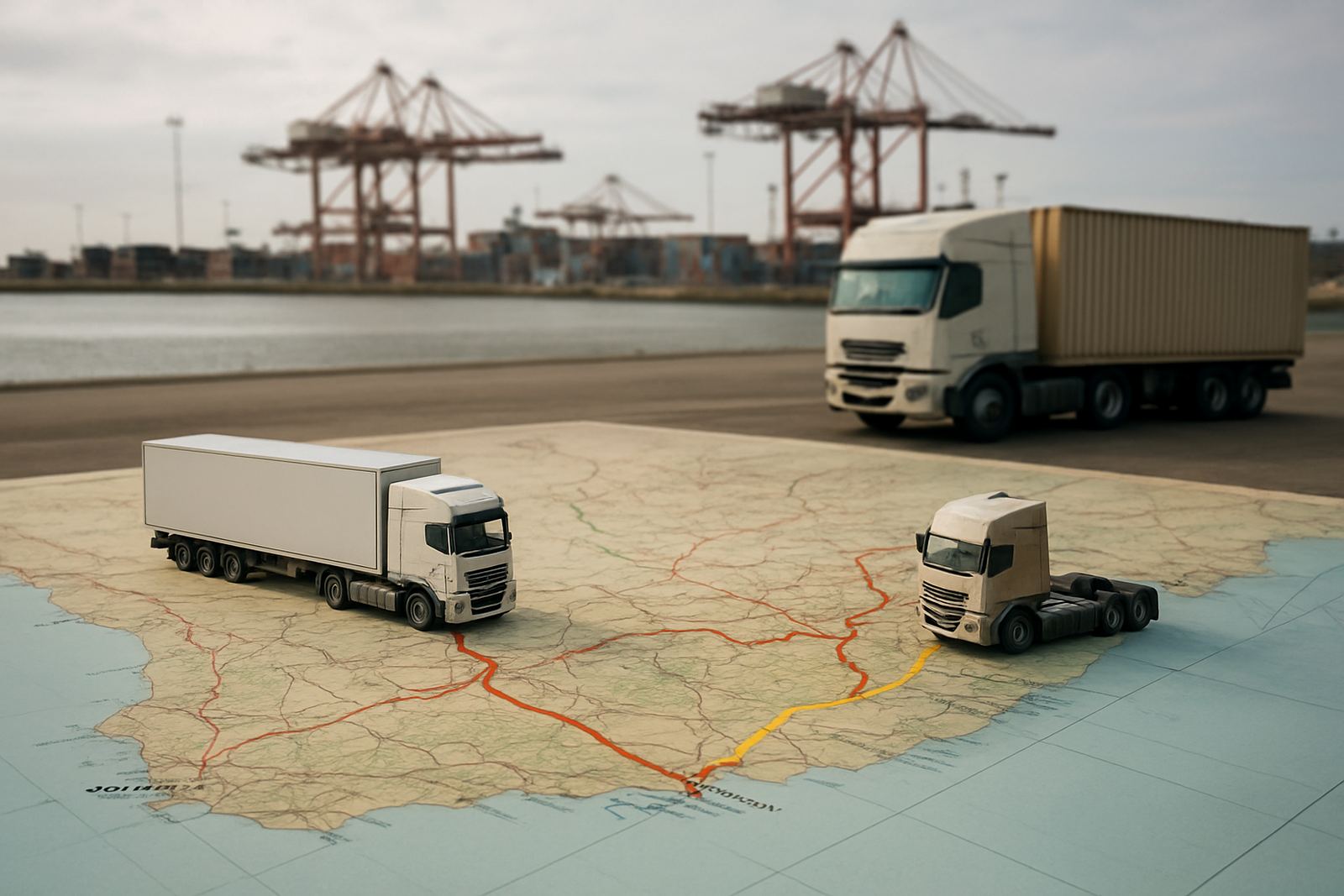
Bonded storage gives space to solve those issues properly. That can mean checking the import entry, confirming the consignee details, arranging inland transport from Durban to Johannesburg, or waiting for payment approval from head office. It also supports businesses that import in batches and need to release stock in stages rather than all at once.
For machinery used in logistics, fleet management, and the automotive sector, timing is everything. A vehicle lift, workshop unit, or component pallet sitting in bond for a short period is far better than having an incomplete file and a container blocked at the wrong stage.
- Less pressure to clear before the file is ready
- Better control over staged releases
- More time to organise transport to sites in Durban, Jet Park, City Deep or Cape Town
- Lower chance of errors caused by urgency
A Durban example from the harbour corridor
Take a Durban importer bringing in a used maintenance unit for a fleet workshop in Umbilo, with the final supplier documents still being checked overseas. The machine lands near the harbour while the customs team waits on a corrected invoice and packing list. If the cargo is moved too soon, the importer risks extra handling, storage charges, and delays if customs asks for more detail.
With bonded storage, the unit can be moved into a controlled facility while the paperwork is completed. The clearing lead confirms the tariff classification, the compliance specialist checks the supporting documents, and the client services team keeps the importer updated. Once the entry is final and release is authorised, the cargo can move onward to site offloading or inland transport.
This is the kind of practical buffer that matters in Durban, where a late document can affect the whole chain. It is also useful for Cape Town imports through Paarden Eiland or inland movement through City Deep and Jet Park where timing and coordination need to match site availability.
What to confirm before you place cargo into bond
Bonded storage works best when the importer is organised from the start. Before cargo is placed into bond, check that the shipping details match the commercial documents and that the receiving party is clearly named. It also helps to know who will handle duties, who will sign off the clearing file, and where the cargo must go once released.
There are a few practical points worth confirming early:
- Correct consignee and importer details
- Commercial invoice, packing list, and any permits or certificates required
- Tariff classification and duty estimate
- Insurance cover for the goods while in storage and transit
- Delivery point, offloading requirements, and access times at the destination
If the cargo is large, heavy, or sensitive to moisture, ask about storage conditions as well. Coastal humidity in Durban and Cape Town can affect machinery, electrical components, and packaged parts if the storage setup is not right. A clean, dry facility and proper handling go a long way.
Bonded storage is part of a bigger import plan
Bonded storage on its own does not solve every import problem. It works best as one step inside a wider plan that includes shipping coordination, customs clearing, port collection, inland transport, and document management. When those pieces are aligned, the importer can move cargo with less friction and fewer surprises.
That is why many South African importers use bonded storage as a buffer, not a holding pattern. It gives time to finish the file, protect the cargo, and decide the best release point. For some loads, that may mean direct delivery to a workshop in Springfield Park. For others, it may mean storage until a vehicle fleet depot in the East Rand is ready to receive the goods.
The point is simple: if the documentation is not complete on arrival, bonded storage can keep the shipment moving in the system without pushing the importer into unnecessary cost or non-compliance.