
Why the delivery term matters before the machine ships
With machinery, the delivery term is not just a line on a quote. It decides when the seller stops carrying the risk, who arranges the freight, and who pays for each stage from factory floor to your yard. If the machine is coming into Durban and moving onward to Johannesburg, those choices affect port charges, clearing, inland transport, storage and even when your installation team can start.
Many buyers focus only on the purchase price. That is where mistakes start. A lower machine price can hide expensive freight obligations or leave the buyer exposed to delays at the port. On heavier loads, a small gap in planning can turn into demurrage, storage, and idle labour at the site.
- Check who books the vessel or the truck
- Check who pays marine insurance
- Check who handles export and import documents
- Check where risk passes from seller to buyer
EXW, FOB and CIF explained in plain terms
For machinery imports into South Africa, a few terms come up often. EXW means the buyer takes on the job almost from the seller's gate. That can work for experienced importers with strong freight and clearing support, but it also puts more pressure on the buyer to control export movement and paperwork.
FOB is common on sea freight. The seller gets the machinery onto the vessel and then the buyer takes over. That can be practical for Durban bound cargo where the buyer wants control of the ocean freight, port handling and South African clearing. CIF includes cost, insurance and freight to the port of arrival, but the buyer still needs to manage clearing, duties and onward transport. The shipping cost may be included, but the buyer must still watch the detail carefully.
- EXW suits buyers with full export and import support
- FOB gives the buyer more control over sea freight
- CIF can look simple but still needs proper clearing on arrival
- Not every supplier means the same thing by the same term, so confirm the wording
What machinery buyers in Durban need to plan for
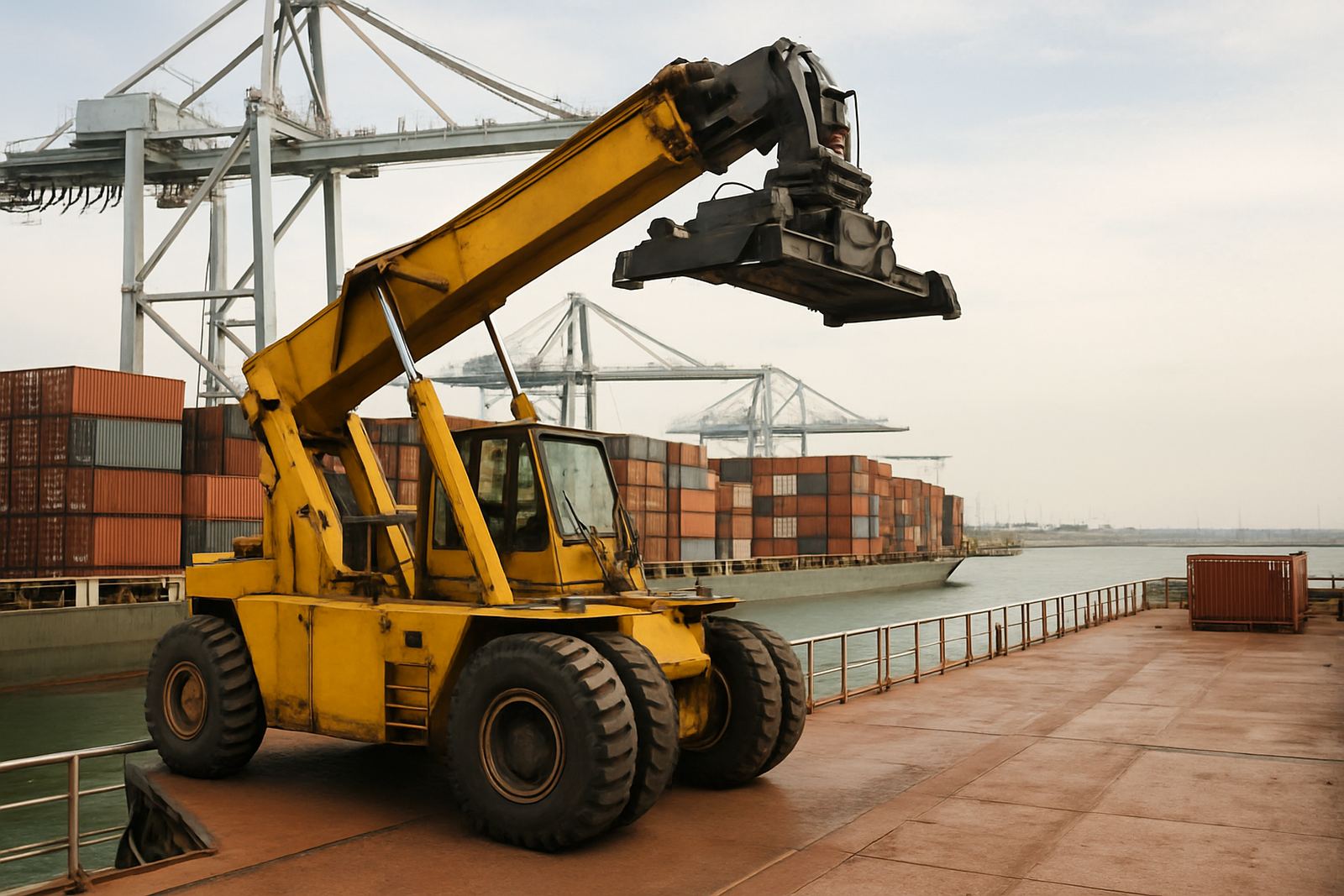
Durban is a busy gateway, and machinery imports need proper timing. A lathe, press, generator set, excavator or production line component may need cranes, lowbed transport, or a site offload booking. If the cargo arrives with missing serial numbers, poor packing or incomplete invoices, the truck can sit while the paperwork is fixed.
At the harbour corridor, we often see the difference between a smooth move and a costly delay come down to simple preparation. The buyer should know the machine dimensions, weight, packing type, power requirements, and whether it can be stored in a bonded facility if the site is not ready. On inland moves to Jet Park or City Deep, road permits and timing matter, especially when a load is abnormal or needs escort vehicles.
- Confirm exact weight and dimensions before booking transport
- Ask whether the machine needs lifting gear at the destination
- Allow for storage if the site is not ready or access is limited
- Plan around load-shedding if testing or commissioning is required on arrival
How risk changes during the trip
Risk is one of the most misunderstood parts of Incoterms. Once the machine changes hands at the agreed point, any loss or damage may become the buyer's problem unless the contract and insurance say otherwise. That is why cargo insurance should never be treated as a side note. A crate can look fine outside and still hide a damaged bearing or control panel inside.
For coastal cargo, humidity can also be a problem. If a machine sits too long in port or bonded storage without the right wrapping and inspection, rust can start fast. We have seen buyers in Paarden Eiland and Umbilo lose time because a unit was left waiting for collection after clearance. Good planning reduces the chance of moisture damage, pilferage, and avoidable handling.
Why customs clearing and tariff classification still matter
Even when the delivery term looks simple, South African customs rules still apply. The machine must be classified correctly, valued correctly, and supported by the right documents. Tariff classification affects duty, VAT and possible permits. If the description is vague, customs may ask for more detail and the cargo can be held up.
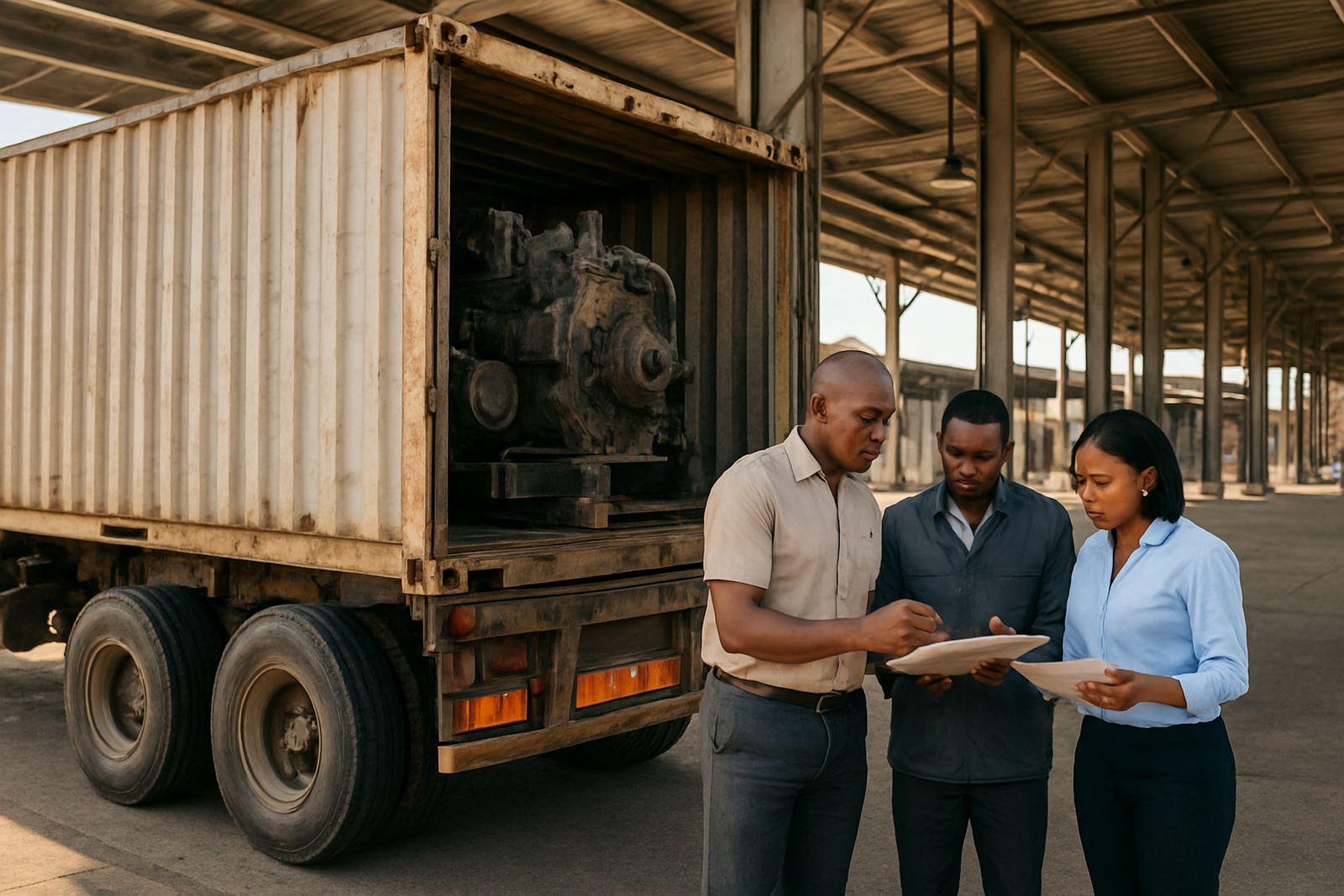
For buyers, this means the delivery term should sit alongside the clearing plan not apart from it. An order that lands in Durban but is cleared in Johannesburg needs the invoice, packing list, transport docs and any technical specs to be ready before arrival. Document gaps cause delays, and delays cost money quickly at the port.
- Use a clear machine description and serial numbers
- Keep invoices consistent with packing and freight papers
- Confirm whether any permits or certifications are needed
- Match the customs value to the real transaction, not an estimate
A local example from Durban to Jet Park
A fleet workshop in Jet Park orders a used hydraulic press from overseas. The seller offers CIF Durban, which sounds convenient. But the buyer still needs customs clearing, port collection, inland transport and site offloading. The press is 4.8 metres long and needs a lowbed truck plus a crane at the receiving yard.
If the buyer does not plan ahead, the machine may arrive before the workshop floor is ready. Then storage charges start, the truck waits, and the installation team stands by. With the right plan, the cargo can be collected in Durban, cleared through the correct office, moved inland, and delivered on the day the site is prepared. That is where delivery terms make a real difference. They are not just legal words, they shape the job from start to finish.