Why the inland leg can be the highest-risk part of the move
The port may be where cargo lands, but the inland leg is often where delays and damage start. Once machinery leaves Durban, you are dealing with bridge clearances, roadworks, steep gradients, low overhead lines, sharp turns and municipal restrictions on abnormal loads. One missed detail can hold up a load for hours or push it into the next day.
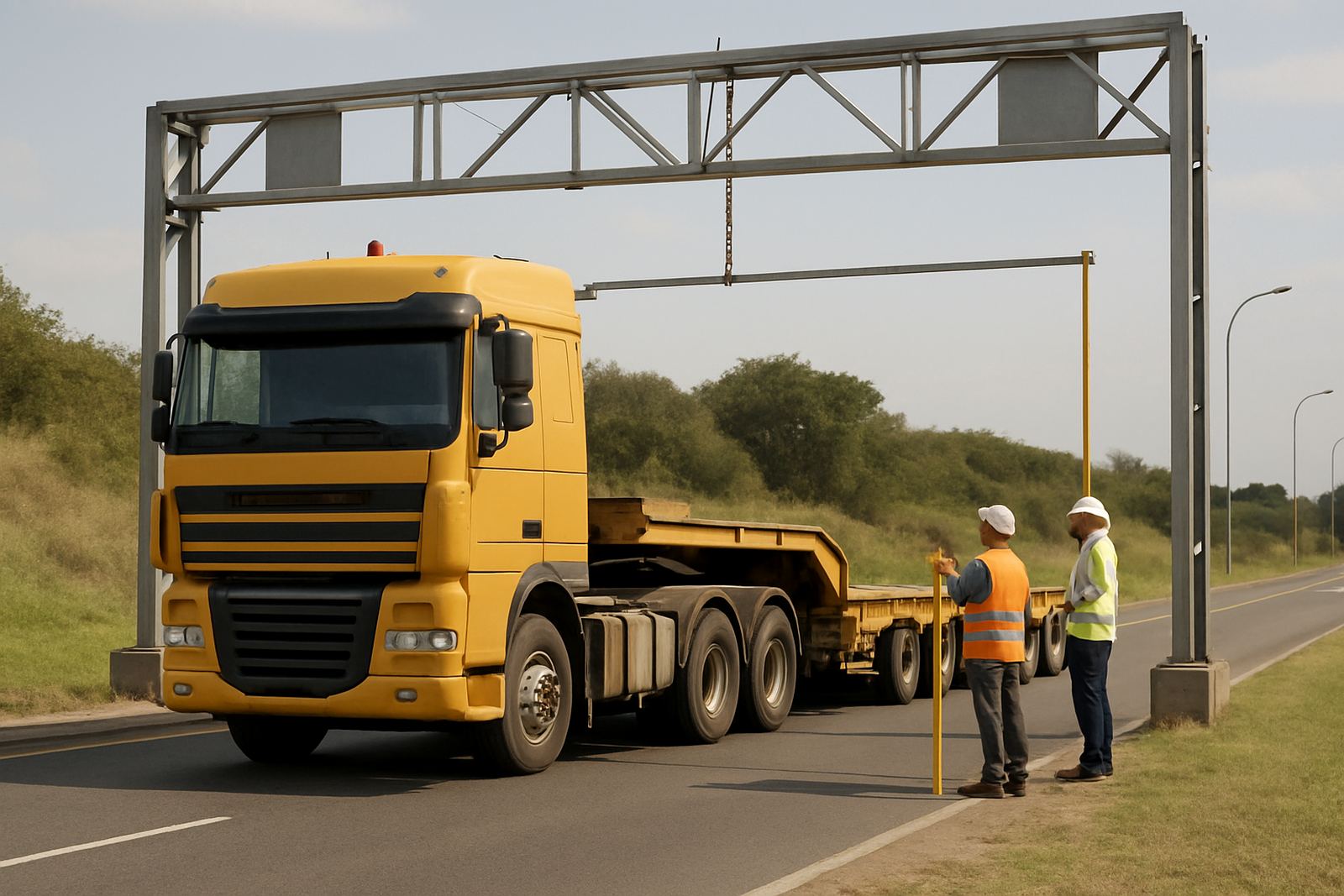
For importers in Durban, Umbilo, Springfield Park, Jet Park, City Deep and Paarden Eiland, the challenge is not only distance. It is matching the machine to the truck, the route and the delivery site. A 4.2 metre high unit can be perfectly legal on paper, yet still fail at a railway bridge, a toll gate gantry or a tight industrial entrance with low cabling. That is why route planning must start before the cargo is released from the terminal.
Height, width and bridge limits need to be checked before the truck leaves
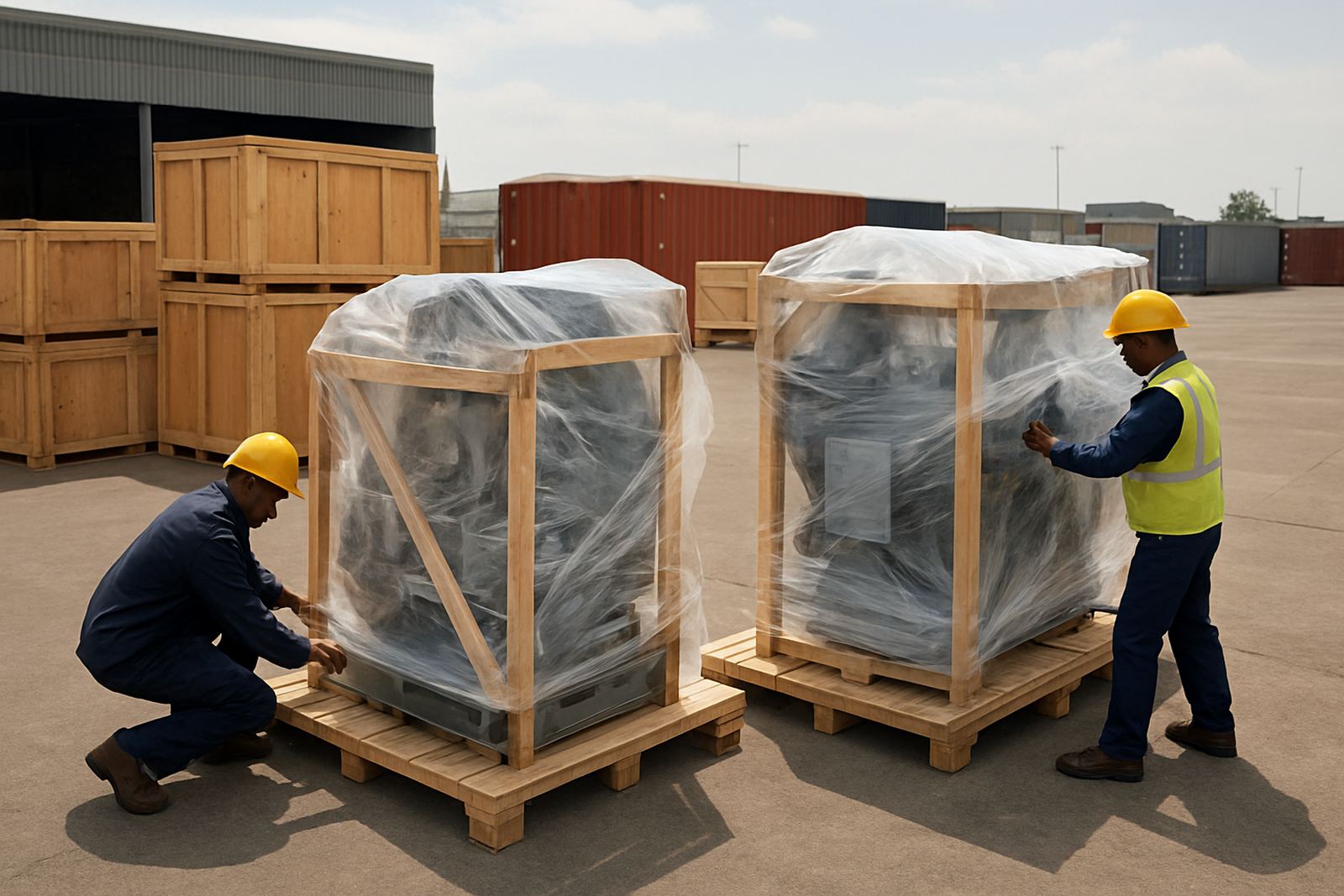
Height is the first measurement that causes trouble. Machinery that has not been measured with pallets, crating or top fittings included can exceed the limit by a few centimetres. In inland haulage, a few centimetres can be the difference between a clean trip and a stop by traffic officers.
Bridge limits matter just as much. Some routes have posted mass restrictions, lane narrowing or temporary construction controls. If the payload is too heavy for the deck or crossing, the truck may need to divert through a longer route. That adds fuel, time and risk. It can also affect whether the load needs a low-bed, a flat deck or a special trailer setup.
- Measure overall height after packing, not just the machine itself
- Confirm width at the widest point, including guards and protrusions
- Check axle mass against route and bridge restrictions
- Allow extra clearance for road camber and trailer bounce
Weather on the Durban corridor can change the loading plan quickly
KwaZulu-Natal weather can be unforgiving, especially during summer rains and coastal humidity. Heavy rain affects visibility, braking distance and the grip at loading sites. It also slows crane work, site offloading and strap checks. On humid days, steel surfaces sweat, timber packaging softens, and certain electronic controls need extra protection against condensation.
Wind is another issue near the harbour and open highway sections. Tall equipment on an exposed trailer can move more than expected, especially if the load is not properly balanced. In wet conditions, even a short trip from Durban harbour to Umbilo can turn into a careful, stop-start movement if the machine is oversize or the site has poor access. The safer option is often to wait a few hours than to force a delivery into bad conditions, then lose the load to damage or a roadside incident.
Escorts, permits and municipal rules are not paperwork extras
Escort vehicles are not only for show. They are used when route conditions, load dimensions or local rules require extra control. Some loads need one escort, some need more, and certain moves need specific timing to avoid peak traffic or restricted access periods. In South Africa, permit conditions may set travel hours, lighting requirements and signage standards.
Municipal rules around delivery sites can also affect the move. Industrial parks in Johannesburg or Cape Town may have gate rules, road width limits, or booking windows for abnormal vehicles. Sites near the CBD may have restricted stopping areas. If the route crosses a province or enters a busy port zone, the truck may need different instructions for each leg. One missing permit number or an expired escort arrangement can stop the load at the worst moment.
- Confirm whether the load is normal, abnormal, or escorted
- Check travel windows for night, weekend or peak-hour movements
- Keep permit copies with the driver and operations team
- Verify site access rules before arrival, including gate height and turning space
A Durban to inland example shows how small errors become expensive
Consider a packaging line imported through Durban for a factory client in City Deep. The machine was ready on time, but the final height was logged before the top ducting was fitted. Once packed, the load sat 180 mm higher than planned. The original route included a low bridge section, so the truck had to divert. That changed the trip from a same-day inland haul to an overnight schedule with extra escort support and a revised arrival window.
The client still received the machinery, but the cost difference was avoidable. The lesson was simple: final measurements should be taken after packing, not before. The offloading site also needed a forklift with enough lift height, clear ground and a dry surface. If the team had guessed on any one of those points the delivery could have stalled at the gate, or worse, damaged the equipment during unloading.
What clients should prepare before booking inland haulage
Good inland movement depends on clear information. The more accurate the paperwork and site details, the better the load plan. A strong transport file should include cargo dimensions, weight, collection point, delivery point, packing method and any special handling needs. If the machinery has fragile panels, exposed hydraulics or loose accessories, that must be listed upfront.
Clients should also share whether the final site has limited turning space, soft ground, low gates or no overhead crane. A truck can arrive fully compliant and still struggle if the entrance is too tight. This is common at depots and workshops where the road frontage looks fine, but the yard has no room for a long trailer to swing in. Good communication saves time and prevents pointless rehandling.
- Provide final dimensions after crating, skidding or shrink wrap
- Share photos of the loading point and delivery entrance
- State whether an on-site forklift, crane or jacking equipment is available
- Confirm if the site is ready for after-hours or weekend receiving
How Machines Africa Hub reduces inland haulage risk
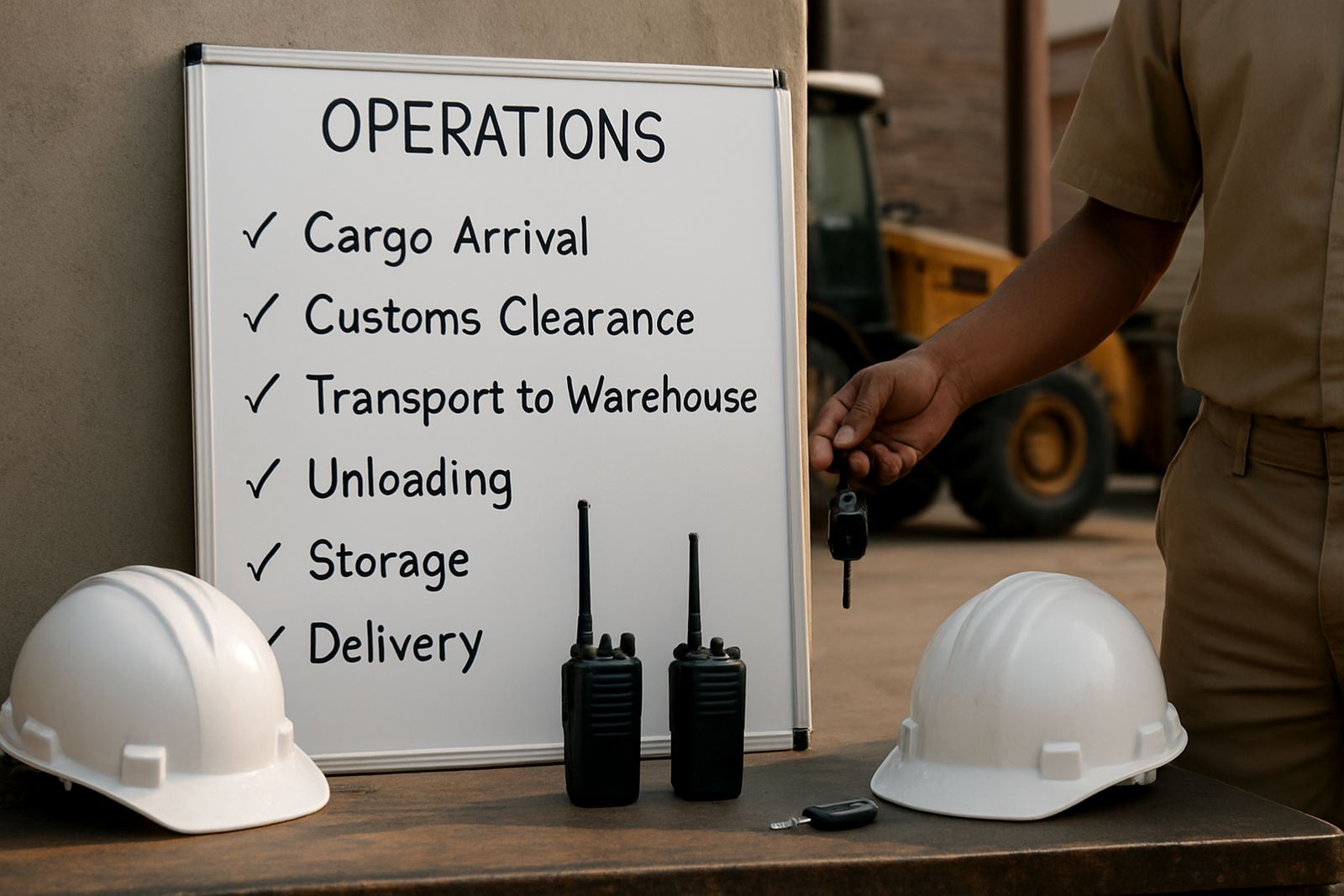
Our work starts before the truck moves. Machines Africa Hub coordinates import planning, customs clearing, port collection, inland transport, cargo insurance, bonded storage and site offloading from our Durban base in Umbilo, with clearing support in Johannesburg and Cape Town. That means the route, paperwork and delivery timing are checked as one process instead of in separate pieces.
We look at route height, weather patterns, bridge limits and escort needs before release. If a load is heading to Jet Park, City Deep or Paarden Eiland, we match the truck and schedule to the site conditions and the permit requirements. For clients moving machinery into logistics yards, fleet depots or automotive workshops, that practical planning reduces delays and helps keep the cargo in working condition. Start the haulage discussion with Machines Africa Hub through our contact form.