
Why clearance time changes from shipment to shipment
When clients ask how long clearance will take, the honest answer is that it depends on what arrives and how complete the file is. A standard consignment with correct tariff codes, supplier invoice, packing list, transport details and proof of payment can move far faster than a shipment that arrives with missing weights, vague descriptions, or inconsistent values. The customs process does not treat every load the same, and that is where many delays start.
At the port, time is also affected by inspection selection, vessel discharge timing, and whether containers are available for release before storage charges begin to climb. In Durban, where road traffic from Umbilo to the harbour can shift with shift changes and gate activity, even a small delay in document issue can push a collection into the next day. In Johannesburg and Cape Town the same applies, only the pressure shows up in different places, from rail-linked depots to warehouse queues.
The documents that make or break the clock
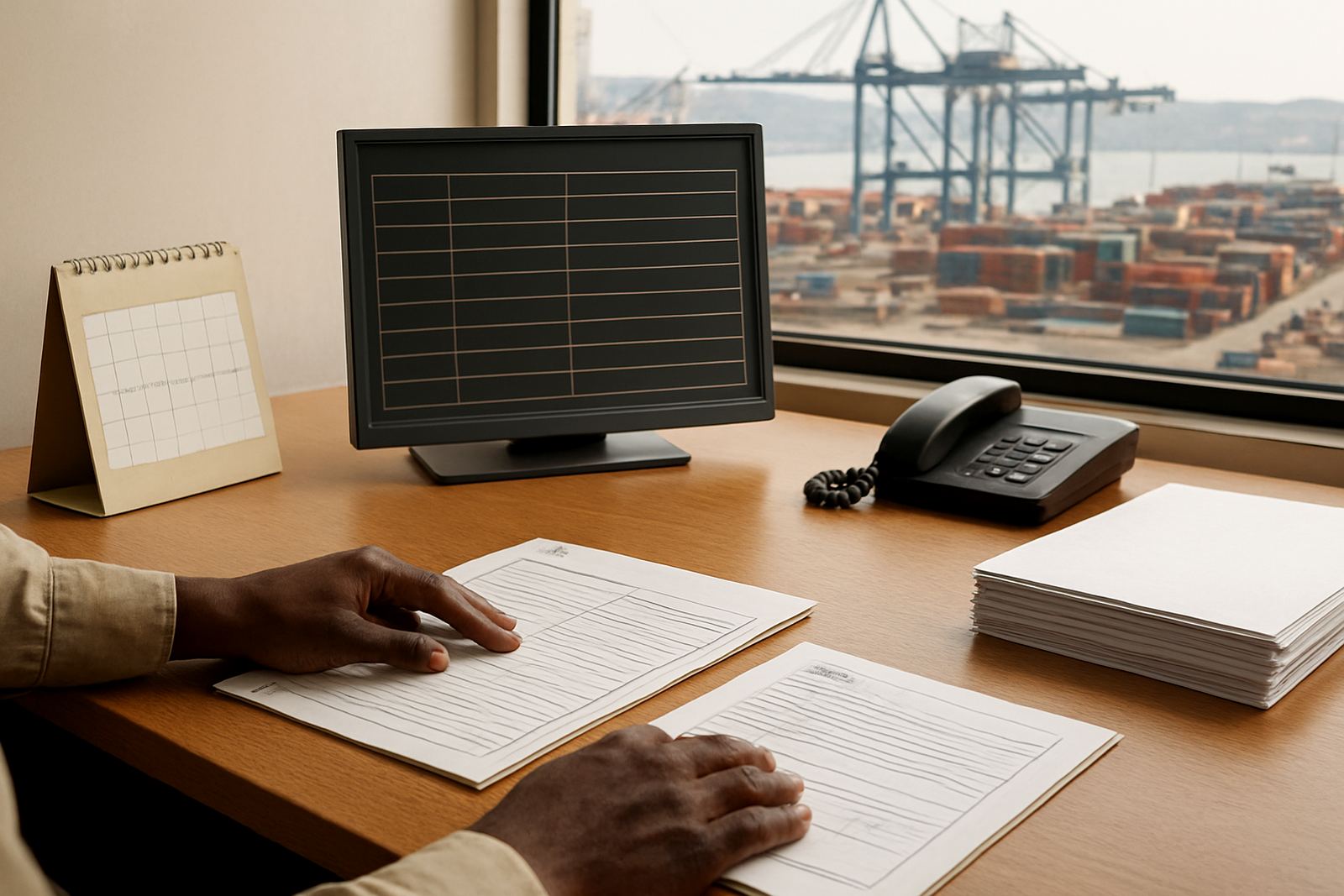
Clearance usually starts to slow down when basic records do not match. Freight forwarders and importers should check the commercial invoice, packing list, bill of lading or waybill, import permit if needed, and any product certificates before cargo lands. If the invoice says one thing and the packing list says another, the file often stops while corrections are chased across time zones. That is why document management is not admin only, it is part of the timeline.
A practical way to reduce delay is to submit a complete file before the ship arrives or before the truck reaches the border. Keep the following details ready:
- Exact cargo description, not a broad category
- Number of packages, gross weight and dimensions
- Importer details and tax numbers that match the booking
- Country of origin and correct supplier contact details
- Any permits, certificates, or exemption letters where required
For cargo moving through Durban, Springfield Park, Jet Park, City Deep or Paarden Eiland, early file readiness often saves more time than urgent phone calls later on. A clean pre-clearance file can cut a waiting period from days to hours, depending on the release queue.
Inspections, stacking pressure and release queues
Some cargo clears on documentation alone, but many consignments are selected for inspection or scanning. That does not always mean there is a problem. Sometimes it is a routine control measure, and sometimes the cargo profile, route, value or description triggers a closer look. Once that happens, the timeline changes immediately because the cargo must wait for an inspector, a scanning slot, or a physical unpacking bay. If the stack is full, the queue grows.
Stacking pressure is a real issue in the Durban harbour corridor when the yard is busy and collection windows are tight. A container may be released on paper but still sit until it is physically accessible for pickup. Inland locations are not exempt either. At City Deep or Jet Park, road feeder delays, depot opening times and handling capacity can push a release into the next working day. Clients often ask why a release number does not equal same day collection. The answer is simple: paperwork release is one step, physical release is another.
- Documentation release from customs
- Terminal or depot release for collection
- Transport availability for uplift
- Any inspection or scanning completion
- Return of empty equipment where applicable
How shipping method affects the clock
Not all cargo moves at the same pace. Sea freight, air freight and inland road transport all have different timing patterns, and each one has its own points of delay. Sea cargo can wait for vessel schedules, offloading, terminal handling and storage conditions. Air cargo may move faster, but if the tariff classification is unclear the speed advantage disappears quickly. Road freight into South Africa can be efficient too, though border conditions and document checks can extend the expected time.
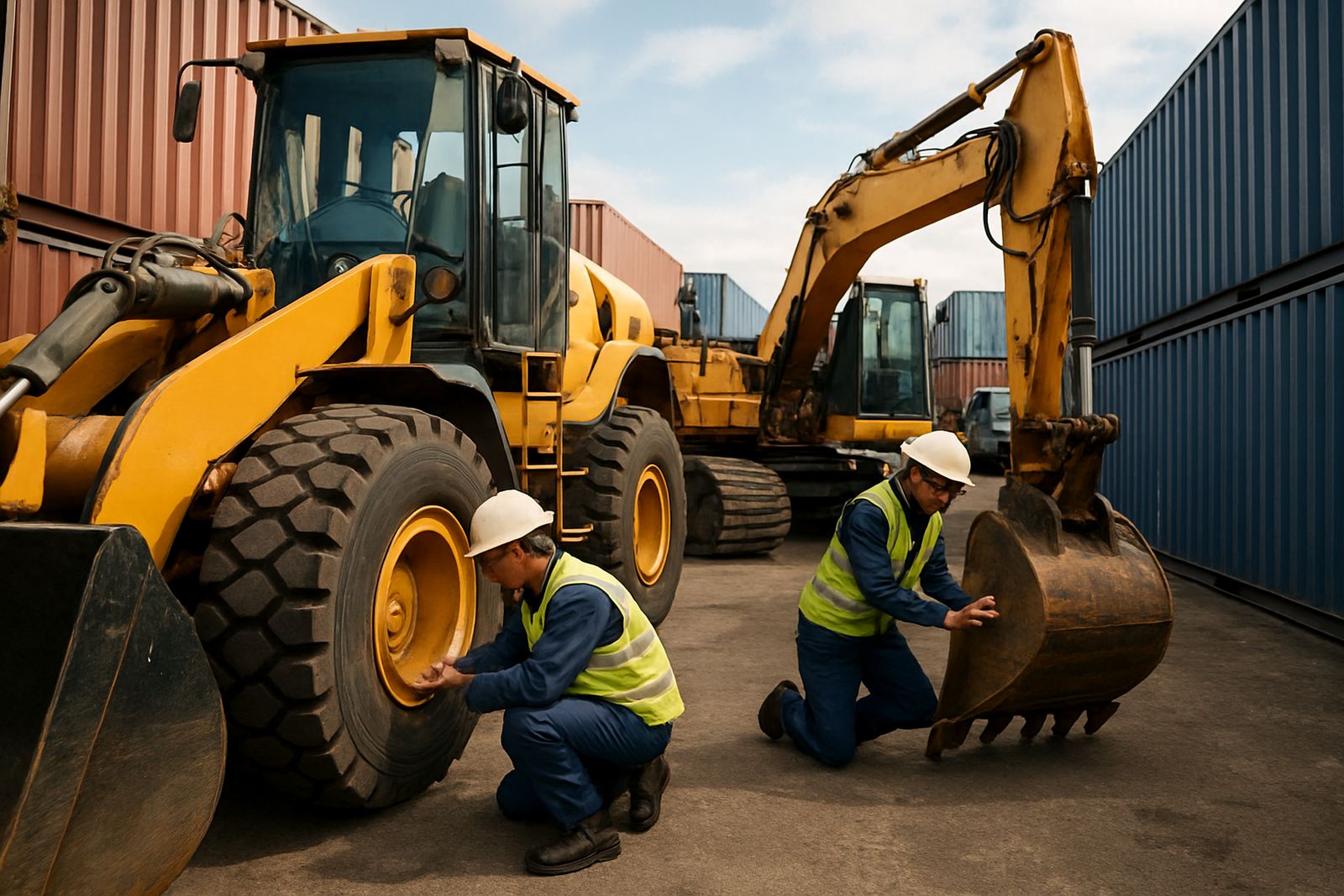
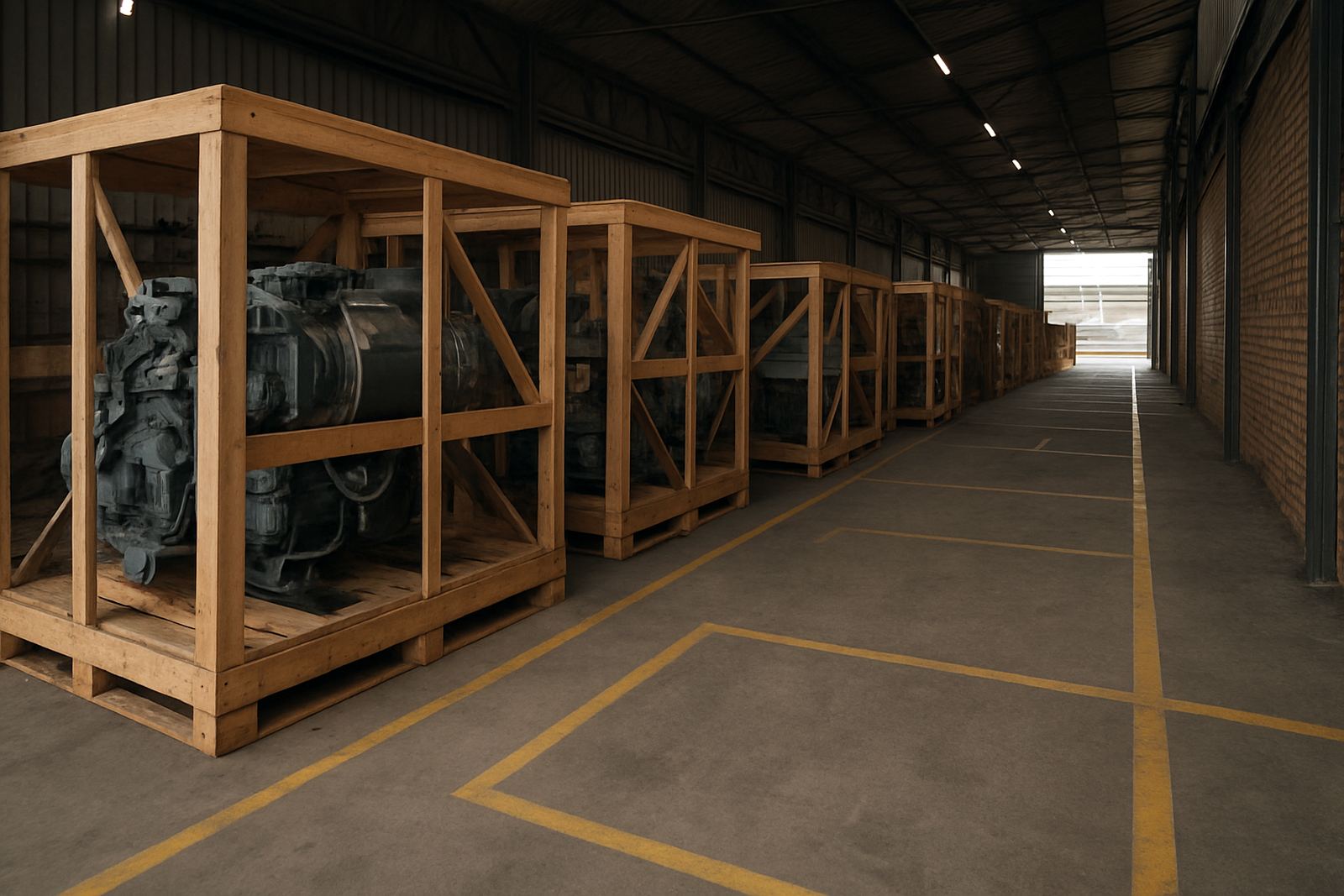
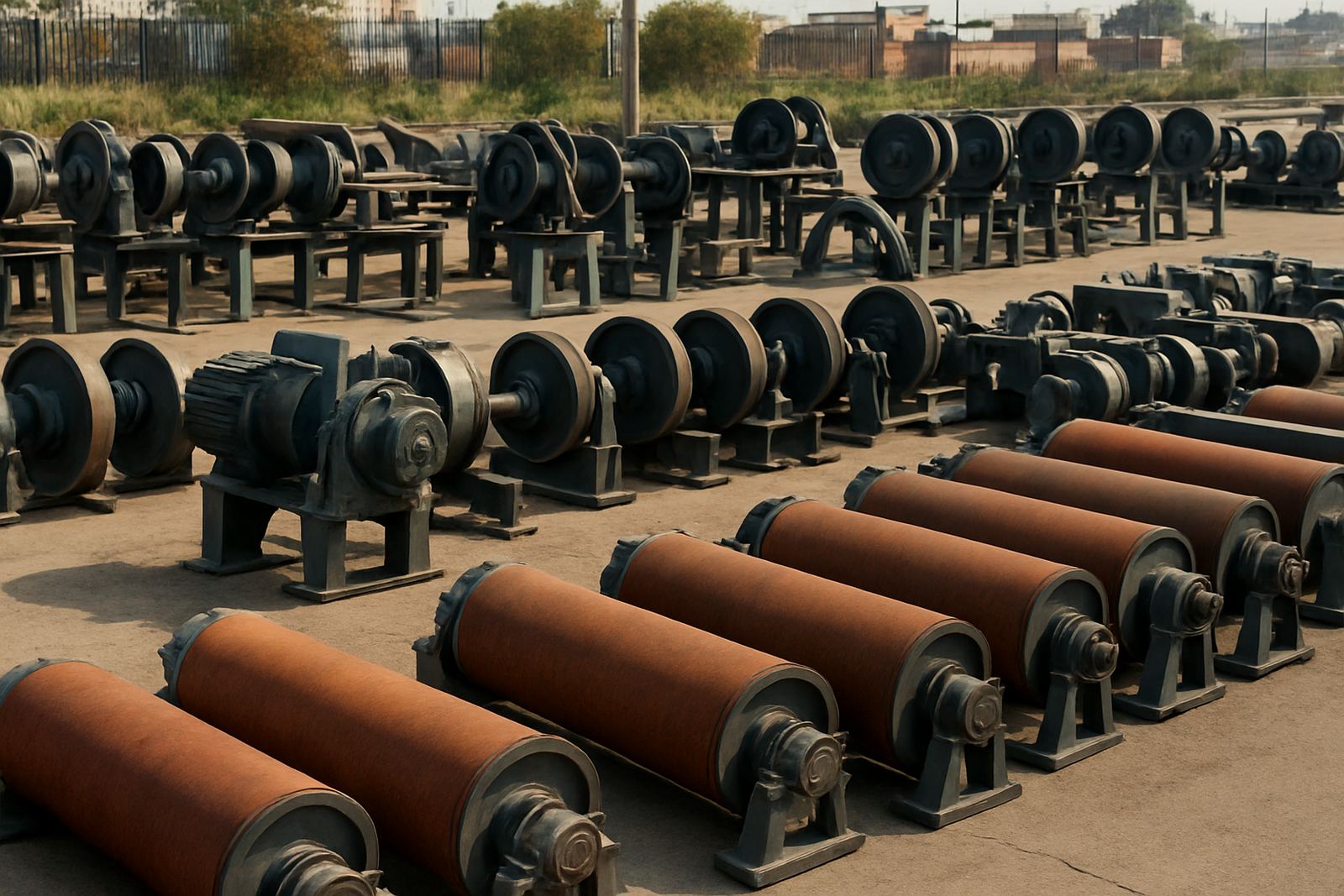
For businesses handling fleet parts, automotive components or equipment for logistics operations, the best estimate comes from looking at the full chain. It is not only customs. It is collection at source, shipping line cut-off times, port discharge, clearing, inland transport and delivery. In humid coastal conditions around Umbilo and Paarden Eiland, cargo that must be stored before uplift also needs to be protected from corrosion and condensation, especially if the packaging is light or the steelwork is exposed.
A Durban example: from berth to workshop
Consider a shipment arriving through Durban for a fleet operator in Springfield Park. The cargo is a mix of replacement parts and workshop equipment, packed correctly but held for document checking because one line on the invoice needs clarification. The vessel discharges on Monday morning, the file is then reviewed and the invoice query is dealt with before release can proceed. If the consignment is not selected for inspection, release can happen soon after. If it is selected, add time for scanning or unpacking.
From there, the next factor is transport. A truck from Umbilo can collect quickly if the release notice is in hand and the depot is not under pressure. If the cargo must move to Johannesburg, the plan should also include weighbridge timing, route scheduling, and the chance of load-shedding affecting warehouse handover. In practice, a job that looks like a two day turnaround on paper can become a four day process once one small query enters the file.
The lesson is simple. Build the estimate around the weakest link, not the ideal version of the job. That gives businesses a better chance of planning staff, storage and installation without costly waiting time.
What clients can do to shorten clearance time
Clients cannot control every port delay, but they can control preparation. The fastest clearances usually come from importers who share documents early, confirm the goods description properly, and keep their team available for quick approval when a query lands. If tariff classification is uncertain, get it reviewed before shipment lands. If the cargo needs insurance, bonded storage, or site offloading, line that up before release so the next step is ready when customs is done.
It also helps to be realistic about delivery windows. A same day promise is not sensible for every shipment, especially when stack pressure is high or an inspection is likely. A better approach is to ask for a working estimate with a range, then update it as soon as the file is checked and the queue position becomes clearer. For many businesses, that is the difference between a calm warehouse and a team waiting at the gate.
- Send complete documents before arrival
- Confirm tariff codes and descriptions early
- Allow time for inspections and terminal queues
- Plan inland transport before release is issued
- Keep contact details active for clearance queries
Why a practical estimate matters more than a fast guess
Clearance time is not just about speed. It affects storage charges, vehicle booking, customer commitments and whether production can continue without interruption. A cautious estimate protects the budget and avoids expensive surprises. That matters for Durban manufacturers, fleet operators in Jet Park, and importers receiving cargo through Paarden Eiland or City Deep. The businesses that plan best are usually the ones that ask the right questions early, then keep the file tight all the way through.
At Machines Africa Hub, the most useful estimate is the one built from the actual cargo, actual documents and actual port conditions. That means looking at release queue conditions, inspections, stacking pressure and transport availability together not in isolation. When those factors are reviewed early, clearance stops being a guessing game and becomes a managed process.