
Why harbour weather changes the plan
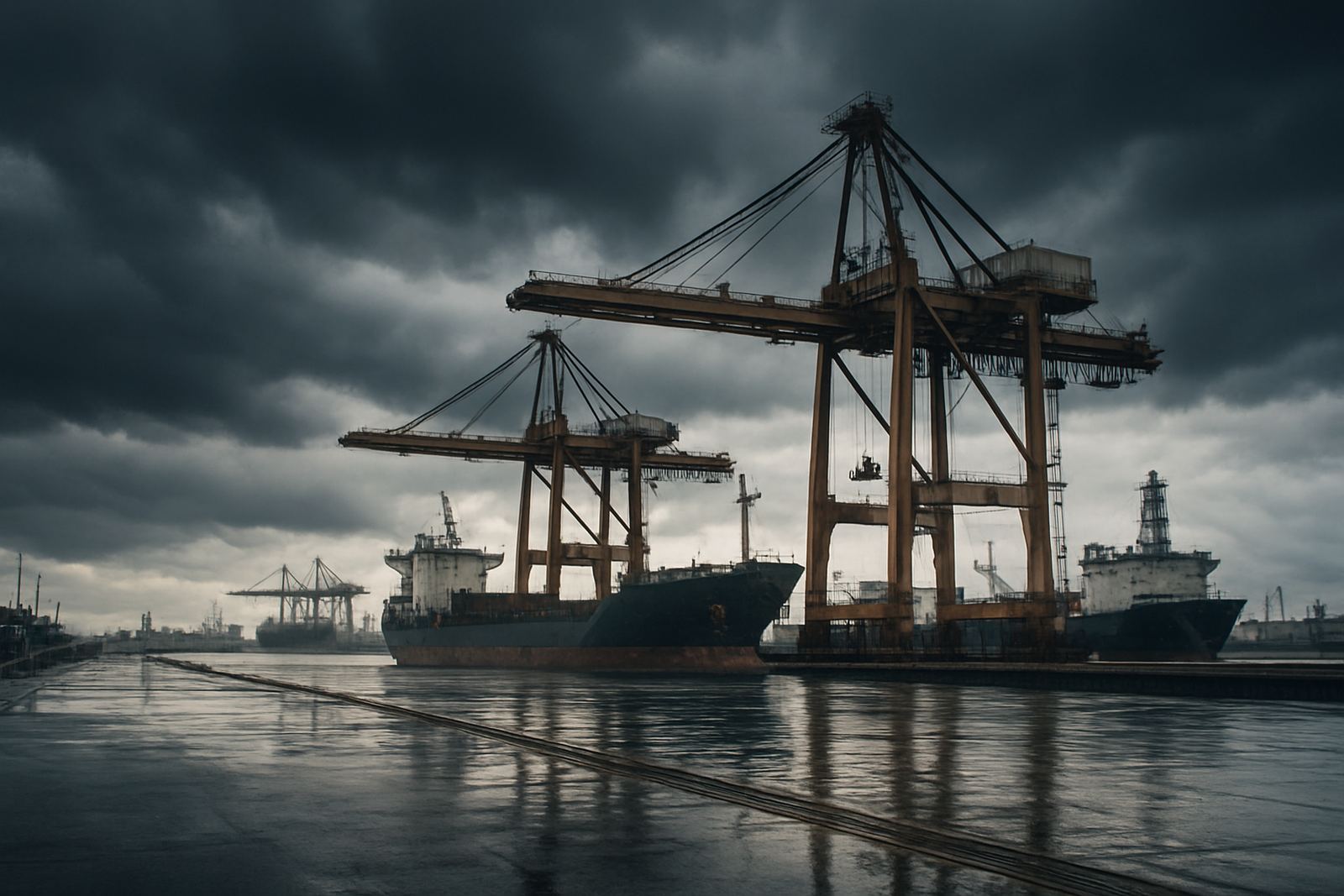
Weather delays at a harbour are not only about heavy rain. Strong wind can stop cranes, rough sea conditions can slow vessel berthing, and low visibility can affect safe transfers between ship, quay and transporters. In practice, that means a container that was expected off the vessel in the morning may only be released later in the day, or sometimes the next tide window.
For cargo moving through Durban, especially around the port and the Umbilo logistics belt, the effect is felt fast. Trucks queue, empty container returns are held back, and storage time starts to climb. If the load is time-sensitive, like automotive parts, fleet spares or machinery for a construction site, one weather interruption can ripple through the whole week. The best response is not panic, but a clear process for updates, documents and onward transport.
What usually gets delayed at the coast
Not every movement is affected in the same way. Some cargo sits on the quay waiting for discharge, while other cargo clears but cannot leave the port area because trucks are held back. In Cape Town, wind can affect lifting operations for longer stretches than many inland clients expect. In Durban, swell and operational safety calls can change the timing for vessel work and road handover.
- Container discharge from the vessel
- Customs release timing if inspections are held until cargo is available
- Port collection and gate-out appointments
- Inland transport bookings to Johannesburg, Jet Park or City Deep
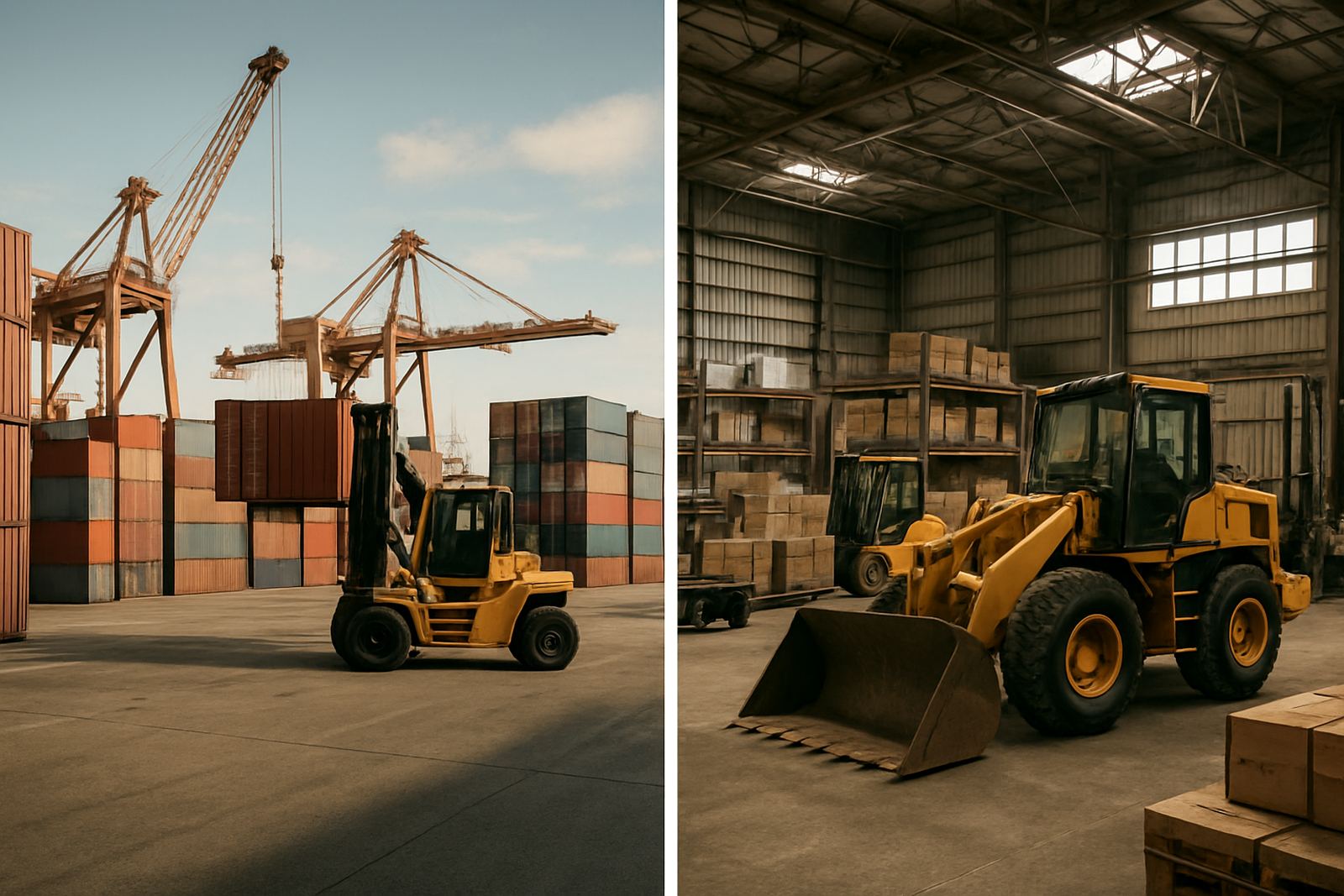
- Offloading at site when cranes or labour have already been booked
When these steps are not linked properly, a small delay at the harbour becomes overtime at the yard, extra storage charges and a missed production slot. For businesses in the automotive and fleet sectors, that can mean vehicles sitting idle because one critical shipment arrived late.
Planning for wind, swell and rain before the vessel arrives
Good import planning starts before the vessel reaches port. A proper plan looks at the cargo type, the discharge window, the inland destination and the weather exposure along the route. For example, cargo landing in Durban for a customer in Springfield Park needs a very different schedule from machinery going up to City Deep or across to Paarden Eiland.
If rain is expected, paperwork should already be checked, tariff classification confirmed and any supporting documents ready for customs. If the forecast points to strong wind, do not book a tight same-day delivery and site offloading unless there is flexibility built in. It is better to carry a buffer of 12 to 24 hours than to force a rushed move that costs more later. Coastal humidity also matters for machinery, so packaging and storage decisions should reflect that, not just the calendar date.
- Confirm vessel ETA and monitor changes twice a day
- Check all customs documents before arrival
- Build in extra time for collections during wind alerts
- Use bonded storage where cargo needs to wait safely
- Keep the client updated on truck and clearing timing
A Durban example: one storm, three moving parts
A practical example is a machinery shipment arriving into Durban for a fleet workshop in Gauteng. The vessel was due on a Tuesday, with port collection planned for Wednesday and road transport to Jet Park set for the same evening. Then a strong wind warning slowed discharge and the release time moved by nearly a day.
Because the documents had already been checked and the inland booking was not fixed too tightly, the cargo was moved into bonded storage first. Customs clearing continued while the weather held. Once the vessel line and port conditions eased, collection was rescheduled and the load went inland without needing a new customs file or a fresh round of approval from the client. That is the value of planning around harbour weather instead of pretending it will not happen.
For smaller businesses, the lesson is the same. A delay does not have to become a loss if the team knows which step can move, which step must wait and which costs can be held back.
How to reduce extra charges when ports slow down
Weather delays often show up later as storage, demurrage, transport waiting time and missed labour bookings. These costs can be controlled if the cargo plan is disciplined. The biggest mistake is to leave every booking fixed and then hope the harbour will behave.
A better approach is to keep the movement sequence flexible. If the cargo is urgent, arrange transport only after there is a fair chance of release. If the shipment is high value, keep cargo insurance in place through the full handover chain. For larger project loads, split the plan into separate steps so that a delay at the port does not hold the whole site.
- Use a realistic release window, not only the vessel ETA
- Confirm who pays for storage if the weather holds cargo back
- Keep driver contact details and gate instructions ready
- Plan offloading teams only when the collection is likely to happen
- Ask for regular updates rather than waiting for end-of-day news
Why inland coordination matters after the harbour clears
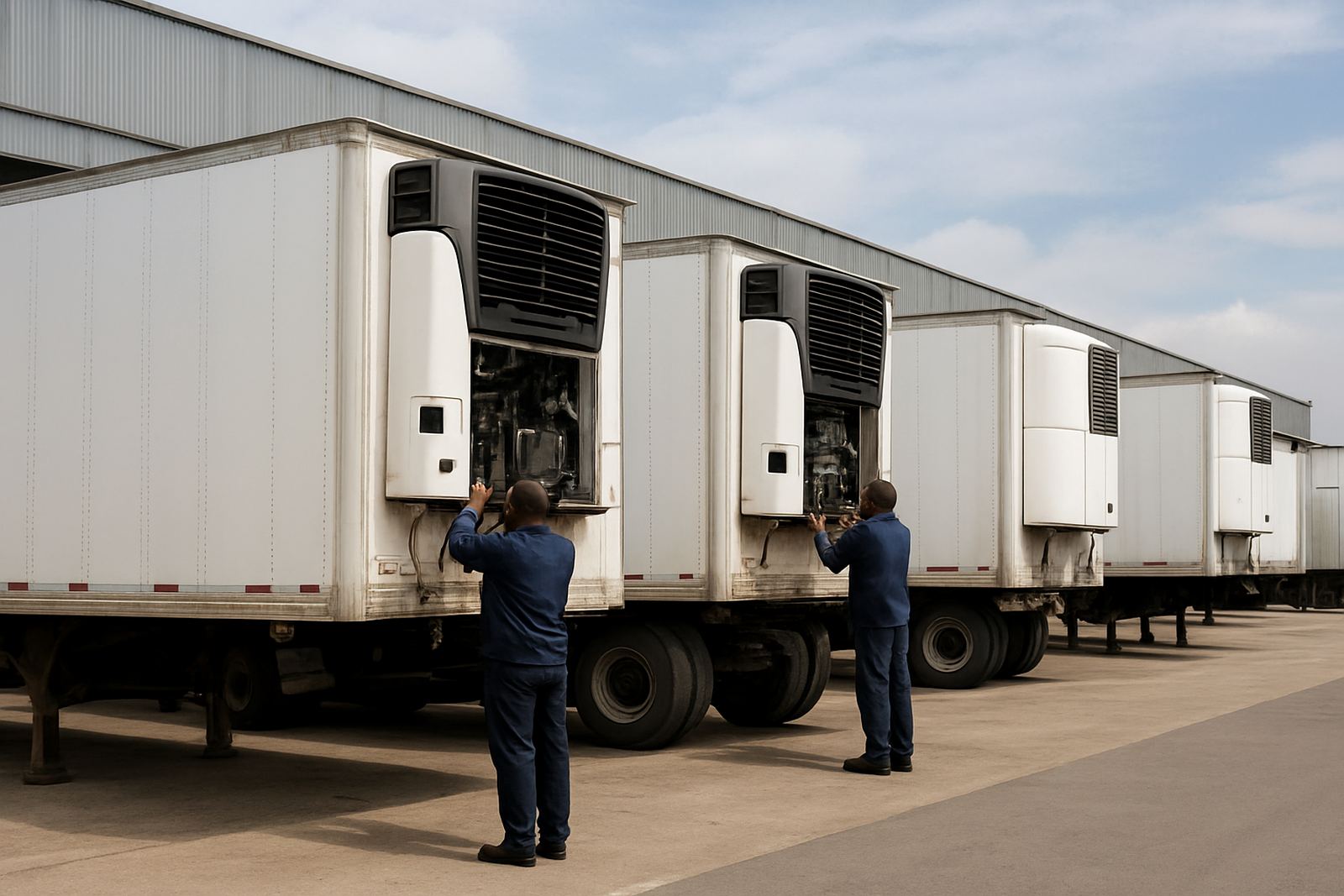
Once the cargo is released, the next challenge is getting it inland without another delay. Durban, Cape Town and Johannesburg do not operate on the same weather pattern, but the handover between them has to be managed as one chain. A truck that misses its slot in Umbilo may arrive too late for an offloading team in Pretoria West, and a missed loading appointment in Paarden Eiland can affect the next delivery to a dealership or workshop.
That is why transport coordination, document management and customs clearing should sit together. When the paperwork is aligned with the truck booking and the site receiving time, the cargo can recover faster from a weather interruption. In real terms, this means fewer phone calls, less idle time and a better chance of keeping your production or fleet schedule intact.
What Machines Africa Hub watches during weather disruptions
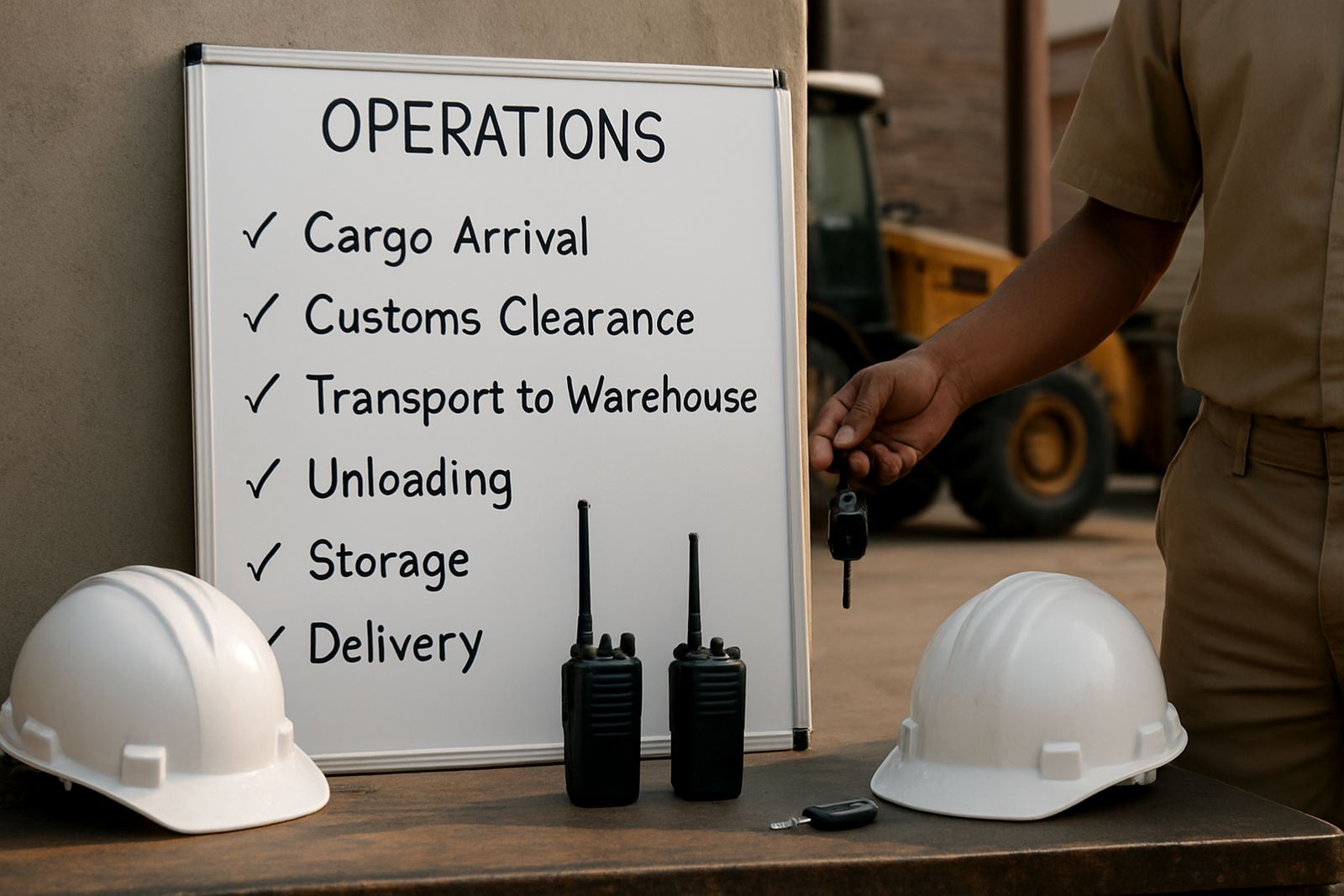
Machines Africa Hub works with import planning, shipping coordination, customs clearing, tariff classification, port collection, inland transport, cargo insurance, bonded storage, site offloading and document management. When harbour weather turns, the priority is to keep each of those steps connected so the shipment does not lose time in the wrong place.
Our team in Durban, with clearing support for Johannesburg and Cape Town, follows the practical side of the job: when the cargo can be released, where it can wait safely, and how it should move next. For clients in logistics, fleet management and the automotive sector, that means a calmer process when the port is under pressure. If your cargo is due into Durban harbour or needs coordination through the coastal route, planning early will always cost less than chasing a missed tide window later.