Why lowbeds are used for heavy machinery
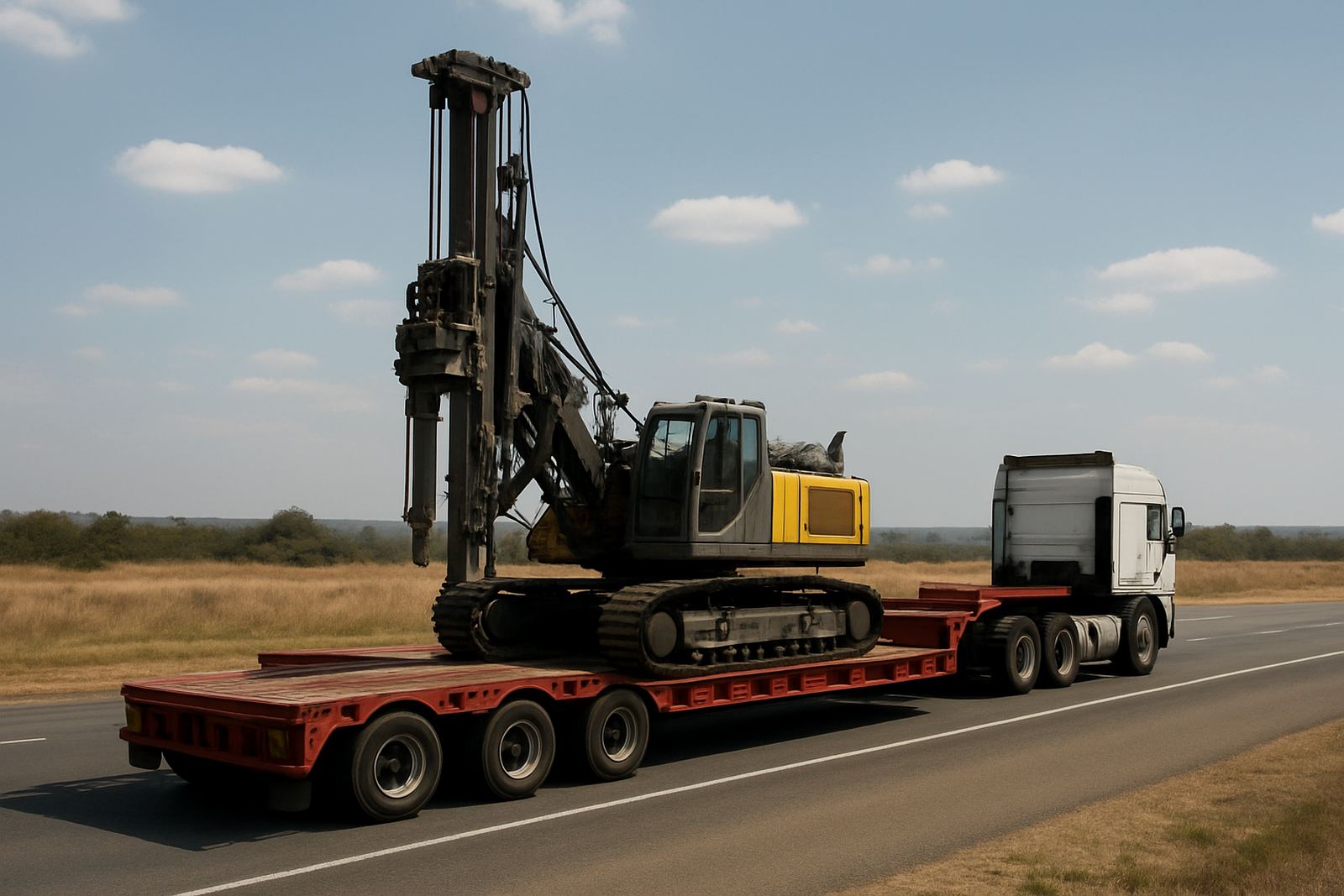
A lowbed gives you a lower loading deck, which helps keep the overall transport height within legal limits. That matters when you are moving excavators, generators, presses, forklifts, drilling rigs, or anything with a high centre of gravity. A standard flat trailer may look cheaper on paper, but once you add loading risk, escort needs, or a permit issue, it can quickly become the wrong choice.
For Durban exporters, inland contractors, and fleet operators moving equipment between Umbilo, Springfield Park, Jet Park, or City Deep, the main question is not only whether the machine will fit. It is whether it can move legally, safely, and without delaying the rest of the project. Lowbeds are often the sensible option when a machine has tracks, a wide body, or a mast that cannot be dropped low enough for a normal trailer.
The height, weight, and clearance checks that decide it
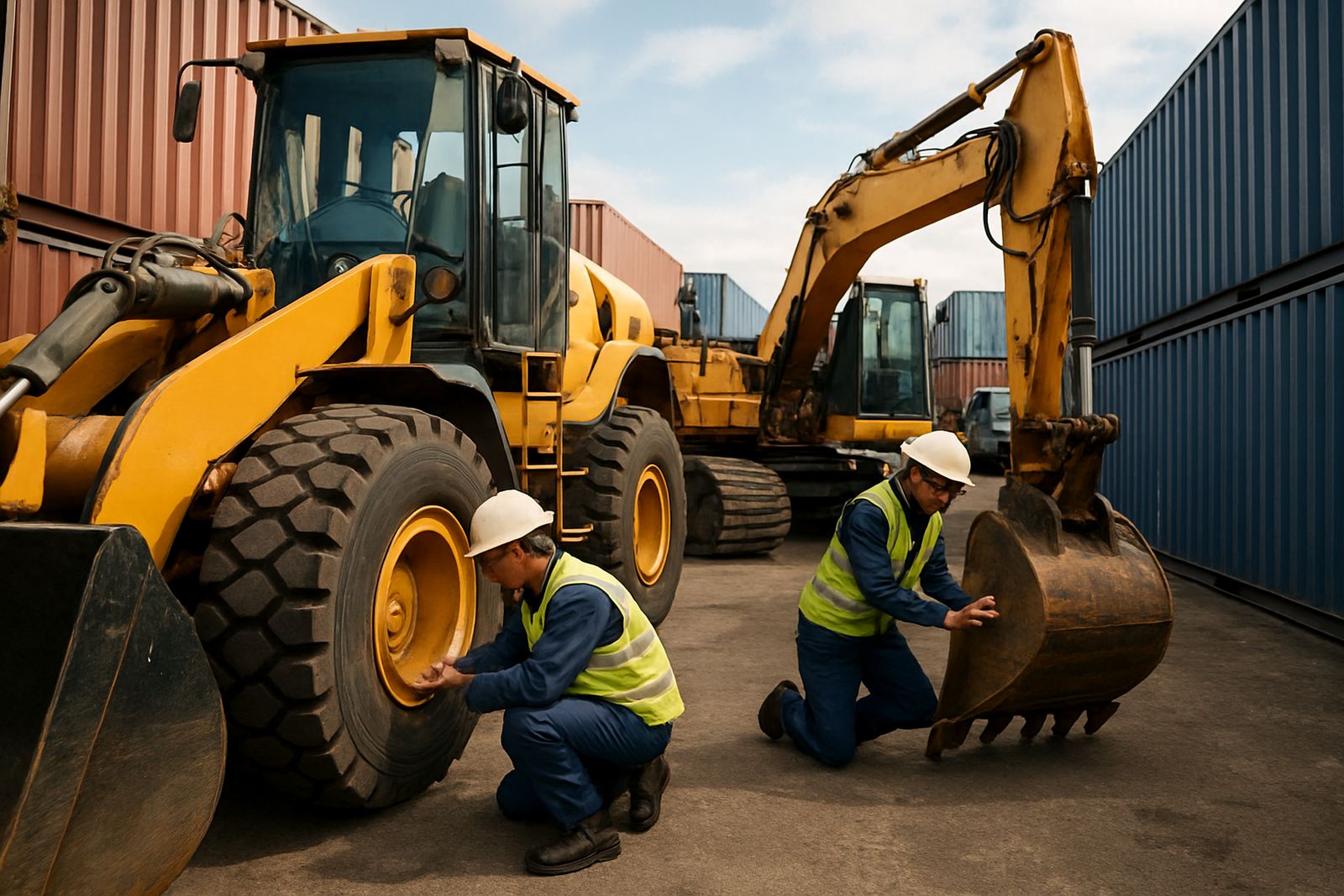
Before choosing a trailer, check the machine specs against the route and the loading method. You need the actual transport height, not just the machine height on paper. Extra factors like tyre pressure, track position, cradle height, and whether a boom must stay on the unit can all change the final figure. If the load sits too high, a bridge, gantry, or overhead cable becomes a real problem.
- Measure the machine from ground to highest fixed point
- Confirm the gross weight with fuel, attachments, and tools removed or secured
- Check if the route has low bridges, tight turns, or steep ramps
- Ask whether loading bays, yards, or site gates can take a low deck
- Confirm whether the load needs escort vehicles or special route permission
In many cases the issue is not only total mass but how that mass is spread across axles. A machine that is within weight may still be unsuitable for a standard trailer if the axle loading goes over the limit. That is where proper transport planning saves time and fines.
When a standard trailer is not enough
There are clear signs that you should move straight to a lowbed. If the machine cannot be lowered any further, if the boom or mast is fixed in place, or if the equipment is top heavy, a normal trailer becomes risky. Coastal humidity can also make older machines harder to secure, especially when chains, lashing points, and ramps are showing rust.
Lowbeds are often used when the load has to stay stable over longer inland distances, such as from Durban harbour corridor sites to Gauteng. That extra stability helps when roads are busy, the machine has delicate hydraulics, or the cargo has to pass through weighbridge checks and municipal access points. It also helps where there is repeated loading and offloading at more than one site.
- Excavators and earthmoving plant with fixed upper structures
- Industrial generators and compressor units with oversize skids
- Mining and drilling equipment that cannot be split into smaller loads
- Fleet vehicles with specialised fitments or recovery gear
- Manufacturing machinery that sits too low and too wide for a flat deck
Why Durban harbour work often points to lowbeds
In Durban, lowbeds are common where imported machinery comes off the port and needs to move to a depot, warehouse, or site without delays. Harbour collections often involve packed schedules, gate cut-offs, and limited space for staging. A lowbed lets the team work with less height risk when leaving the port area, especially if the cargo is heading through Umbilo, Springfield Park, or on to inland corridors.
Machines Africa Hub handles import planning, customs clearing, port collection, inland transport, cargo insurance, bonded storage, and site offloading, so the transport choice is made with the full movement in mind. If the clearing is delayed by a tariff question or missing paperwork, the truck cannot just sit at the quay for days. The transport plan has to match the document plan, otherwise costs climb fast.
A local example: a contractor brings in a tracked machine through Durban for a job near Pinetown. The unit is too tall for a standard trailer once the boom is secured, and the depot gate is narrow. A lowbed with the right ramp angle and a clear permit path is the practical choice. The same logic applies if the cargo is going to a factory in Paarden Eiland or a fleet yard in Jet Park.
What to prepare before booking a lowbed
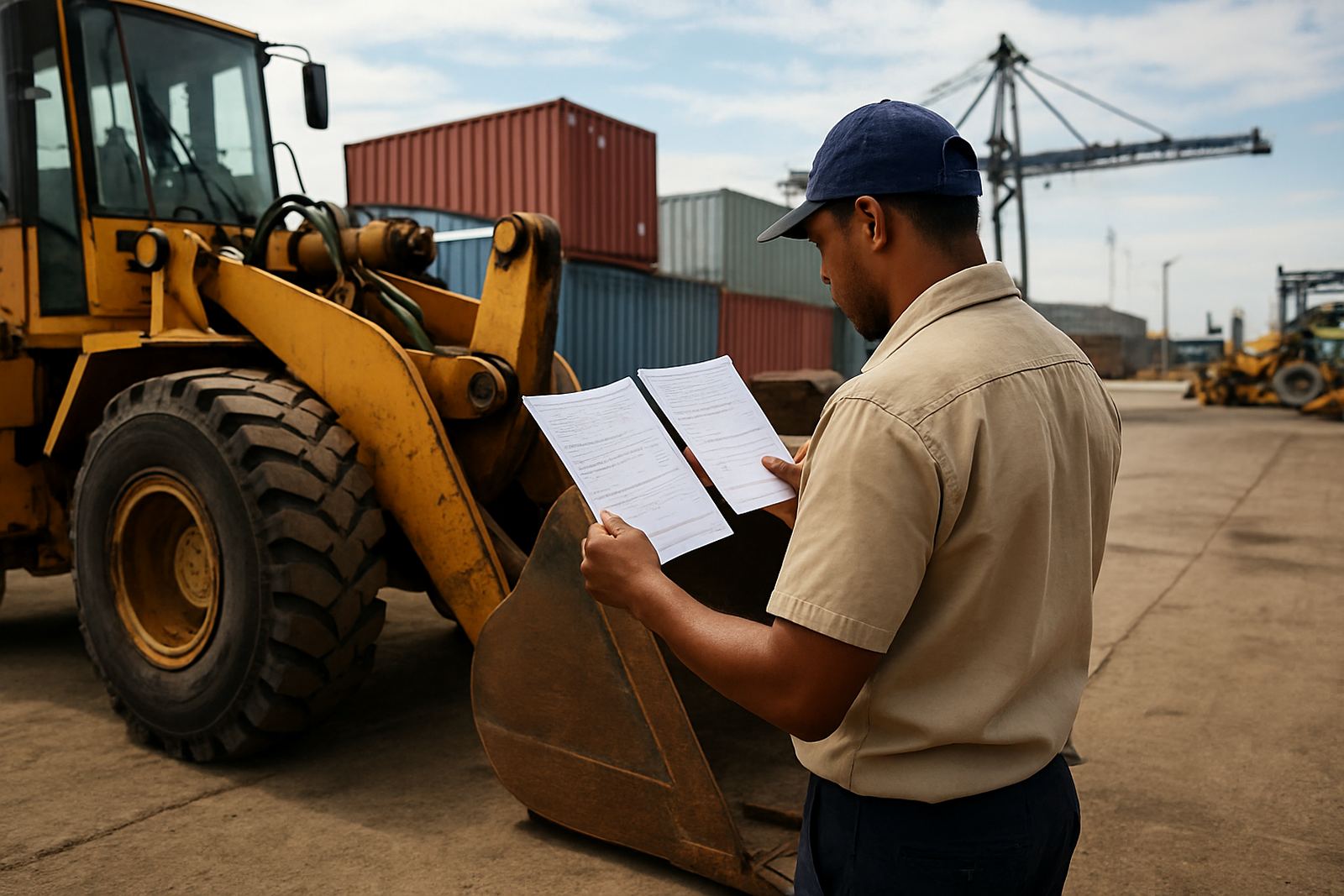
Good preparation reduces chargeable delays, especially if the movement is tied to a ship discharge or a site shutdown window. Have the dimensions, serial numbers, packing list, and consignee details ready before collection day. If the machine is arriving from overseas, the customs clearance must be aligned with the transport booking so that the cargo does not sit in storage longer than needed.
- Machine make, model, and exact dimensions
- Gross weight with attachments listed separately
- Loading point, delivery point, and site contact names
- Permit requirements for abnormal or heavy haul movement
- Insurance cover details for road transit and port handling
- Offloading method, including crane, ramp, or forklift support
It also helps to know whether the machine can be driven on and off, or whether it must be winched. A lowbed with the wrong access setup can still cause issues at the site, so the collection and offloading plan should be checked together not in bits.
How to avoid costly mistakes on the road
The most expensive transport errors are usually the simple ones. A load that is 200 mm too high can mean a route change. A missing line on the clearing document can hold the cargo at port. A weak lash point can turn a normal trip into an incident report. These are the jobs where planning matters more than speed.
Before departure, make sure the driver, clearing team, and client all have the same information. Confirm the route, any municipal restrictions, and the unloading sequence at the destination. If the machine is heading into a coastal yard, check for soft ground, salt exposure, and whether the site needs timber packers or steel plates under the ramps. When the move is right first time, the lowbed does what it should and the whole job stays on schedule.
For businesses moving plant across South Africa, lowbeds are not only about size. They are about control. When the load is awkward, expensive, or time-critical, the right trailer is part of the supply chain, not just transport.